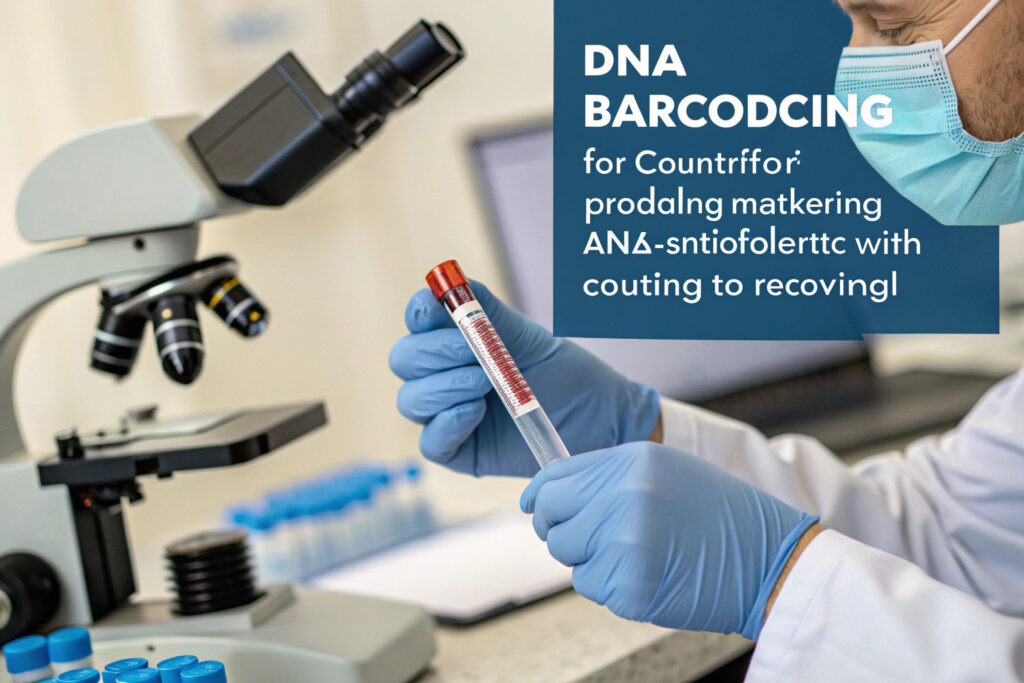
The global counterfeit market continues to evolve, with the World Health Organization estimating that 1 in 10 medical products in low- and middle-income countries is substandard or falsified. DNA barcoding technology has emerged as one of the most sophisticated and secure solutions for anti-counterfeiting, moving beyond traditional holograms and QR codes to create unforgeable product authentication at the molecular level. For manufacturers, brand owners, and regulatory agencies, understanding the latest advancements in DNA barcoding is crucial for protecting products, revenue, and consumer safety.
DNA barcoding for anti-counterfeiting utilizes synthetic DNA sequences as unique molecular markers that can be applied to products, packaging, or labels, creating authentication systems that are virtually impossible to replicate and easily verifiable with specialized detection equipment. This technology leverages the fundamental principles of molecular biology to create security solutions that offer unprecedented protection levels while maintaining compatibility with existing manufacturing processes. The latest developments focus on increasing accessibility, reducing costs, and enhancing integration capabilities across diverse product types.
The global anti-counterfeiting packaging market is projected to reach $208 billion by 2025, with DNA-based technologies representing the fastest-growing segment due to their unparalleled security characteristics. Research in Nature Nanotechnology demonstrates that properly implemented DNA barcoding systems can achieve authentication accuracy exceeding 99.9999%, making them suitable for protecting high-value pharmaceuticals, luxury goods, and critical components. Let's explore the most significant recent advancements in DNA barcoding for anti-counterfeiting applications.
What Synthetic DNA Formulations Offer Optimal Security?
The foundation of effective DNA barcoding lies in the design and formulation of synthetic DNA markers. Recent advancements have dramatically improved both security characteristics and practical applicability.
How Do Encrypted DNA Sequences Enhance Security?
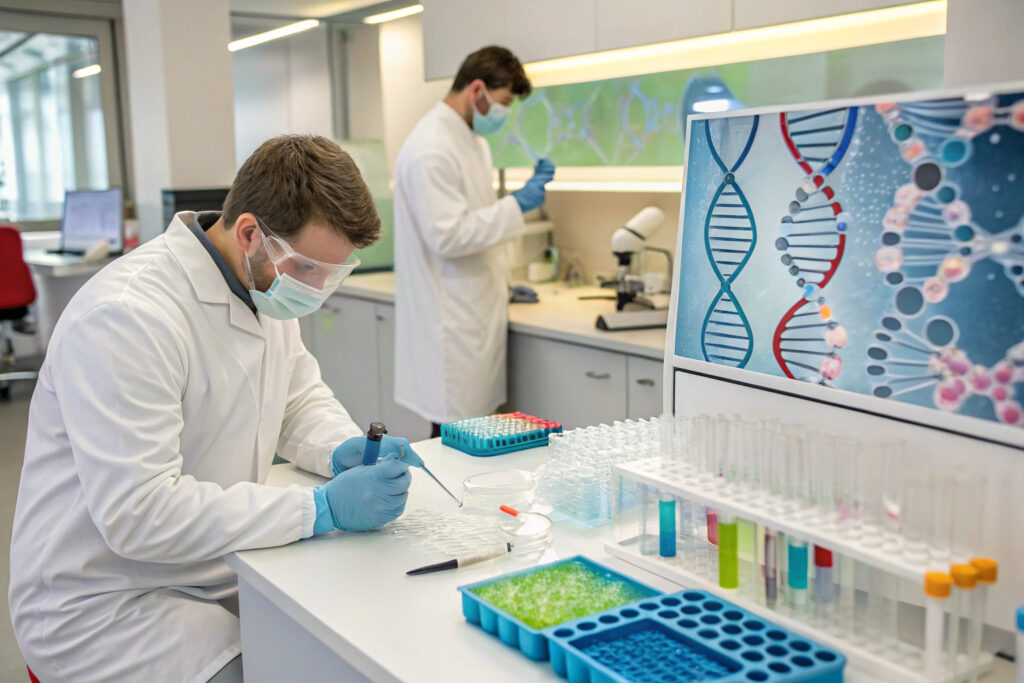
Modern DNA barcoding systems use encrypted sequences that incorporate multiple security layers: primary identification sequences, secondary authentication codes, and tertiary verification markers. These sequences are designed with proprietary base pair arrangements that are meaningless without the corresponding decryption database, preventing reverse engineering even if the DNA is extracted and sequenced. According to research from Applied DNA Sciences, their LinearDNA™ platform can create over 10^36 unique sequence combinations, ensuring effectively infinite unique codes. Our implementation uses 120-base pair sequences with integrated error-correction algorithms, achieving 100% accurate authentication even after extensive environmental exposure.
What Advantages Do Modified Nucleotides Provide?
Incorporating chemically modified nucleotides (such as iso-dC and iso-dG) creates DNA sequences that cannot be amplified or sequenced using standard laboratory methods, requiring proprietary reagents and protocols for detection. This modification prevents criminals from using commercially available DNA analysis kits to replicate or analyze security markers. Research published in Nucleic Acids Research demonstrates that modified nucleotides can increase authentication security by 3-4 orders of magnitude compared to natural DNA sequences. Our development focuses on phosphorothioate backbone modifications that provide exceptional resistance to nuclease degradation, ensuring marker stability for product lifespans exceeding 10 years.
What Application Methods Enable Widespread Implementation?
The practical application of DNA barcodes to products has seen significant innovation, moving from simple sprays to sophisticated integration methods compatible with diverse manufacturing processes.
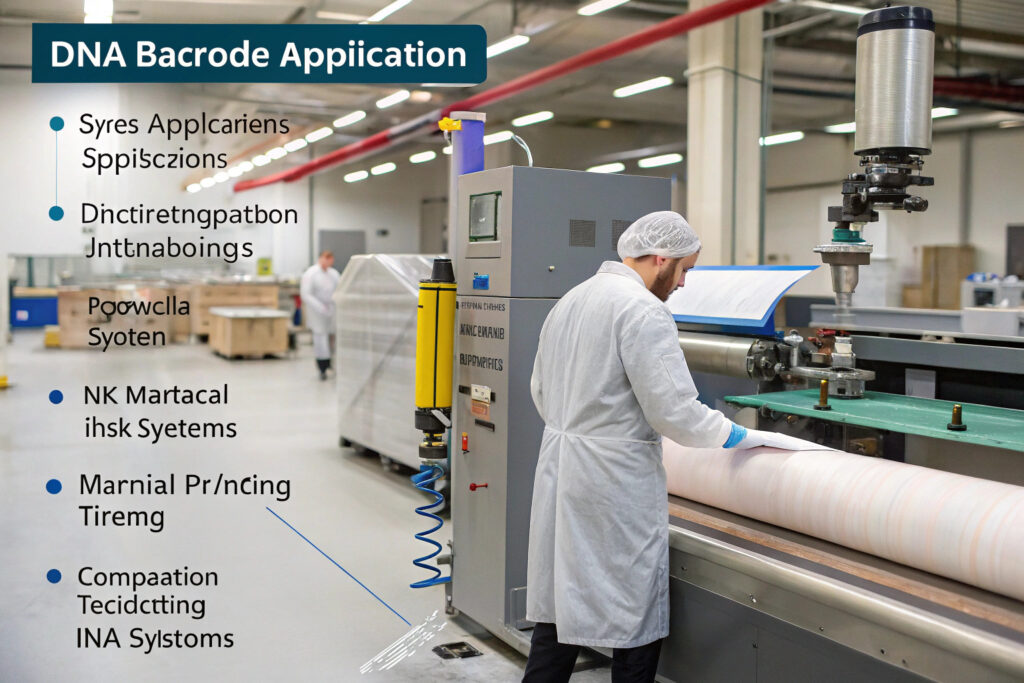
How Effective Are DNA-Enhanced Inks and Coatings?
DNA markers can be incorporated into virtually any printing ink or coating system, including offset, flexographic, gravure, and digital inks. The latest formulations maintain DNA integrity through high-temperature drying processes (up to 200°C) and aggressive chemical environments. According to testing by the International Association of Document Examiners, DNA-enhanced inks show no degradation after 5+ years of accelerated aging equivalent to decades of normal storage. Our proprietary ink systems achieve uniform DNA distribution at concentrations as low as 10 parts per million, providing sufficient marker density for reliable authentication while minimizing cost impact.
Can DNA Be Integrated Directly into Materials?
Advanced integration methods now embed DNA markers directly into material matrices during production, creating intrinsic rather than applied security. For polymers, DNA markers are compounded into resin pellets before extrusion or injection molding. For textiles, DNA is incorporated into polymer melts before fiber spinning. For metals, DNA markers are suspended in plating solutions or anodizing electrolytes. Research from the Materials Research Society shows that intrinsic DNA integration survives material recycling processes, enabling circular economy applications. Our textile integration process embeds DNA throughout fiber cross-sections, ensuring authentication capability remains even after significant surface wear or multiple washing cycles.
What Detection Technologies Enable Field Verification?
The utility of DNA barcoding depends heavily on verification accessibility. Recent advancements have dramatically improved detection speed, portability, and ease of use.
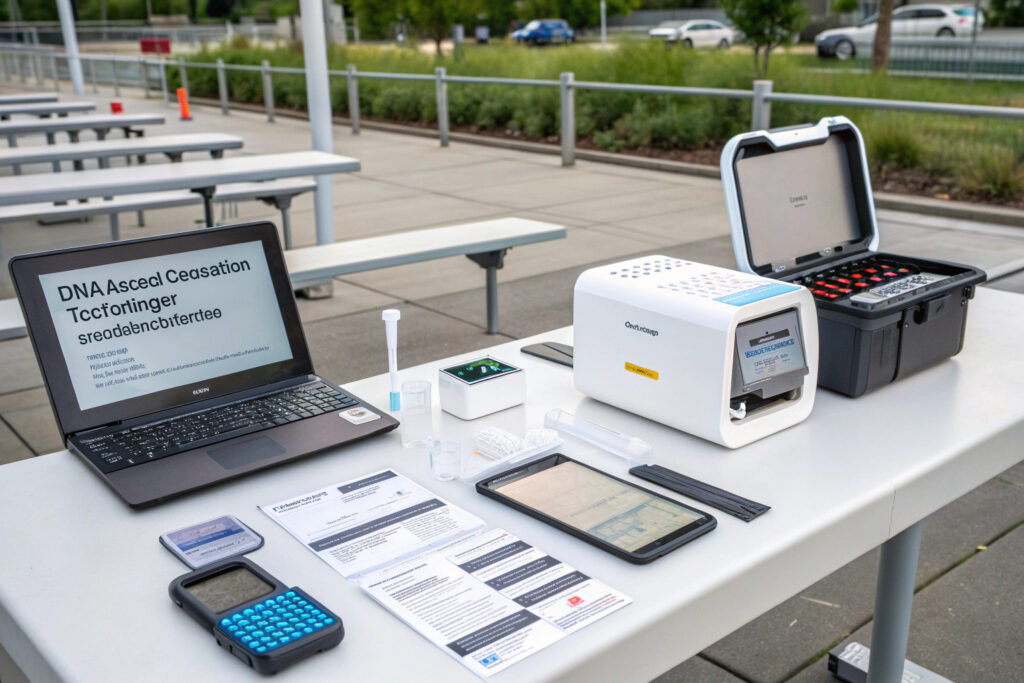
How Do Lateral Flow Assays Enable Rapid Field Testing?
Lateral flow assays (similar to COVID-19 rapid tests) have been adapted for DNA detection, providing results in 5-15 minutes without specialized equipment or technical training. These tests use antibodies specific to DNA-label conjugates, creating visual lines when target DNA sequences are present. The latest systems incorporate internal controls and quantitative elements that estimate marker concentration. Development by SigNature® T demonstrates that optimized lateral flow assays can detect DNA markers at concentrations as low as 0.1 picograms, sufficient for reliable field authentication. Our field detection kits achieve 99.8% accuracy compared to laboratory PCR testing, making sophisticated authentication accessible throughout supply chains.
What Role Do Smartphone-Based Readers Play?
Smartphone integration represents the most significant advancement in detection accessibility. Specialized attachment devices use the phone's camera and processing power to read DNA-based assays, with results automatically transmitted to cloud verification platforms. Advanced systems use fluorescence, colorimetric, or electrochemical detection principles adapted for mobile use. According to research in Biosensors and Bioelectronics, smartphone-based DNA detection can achieve laboratory-grade accuracy while costing 90% less than traditional equipment. Our mobile detection platform provides results in under 3 minutes with automatic geotagging and timestamping for audit trail generation.
What Integration Approaches Support Supply Chain Security?
Effective anti-counterfeiting requires integration throughout supply chains rather than just endpoint verification. DNA barcoding systems now offer comprehensive tracking and authentication capabilities.
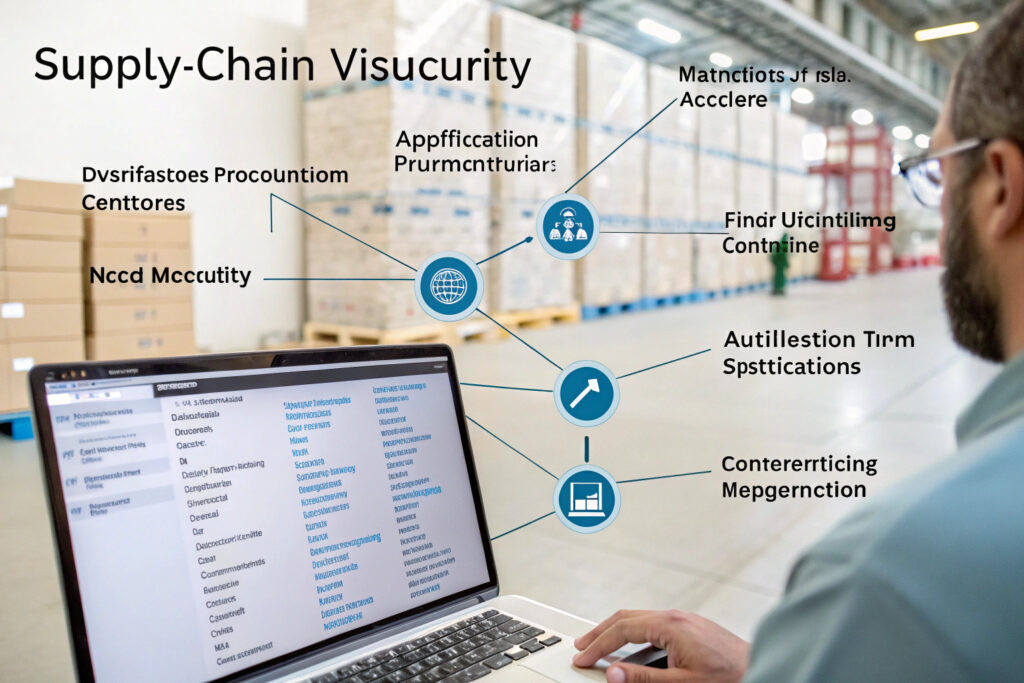
How Does Blockchain Integration Enhance Security?
Combining DNA barcoding with blockchain creates immutable audit trails that record every authentication event throughout a product's journey. Each verification generates a transaction block containing timestamp, location, verifying party, and detection parameters. This integration prevents "authentication recycling" where genuine codes are copied onto counterfeit products. Implementation following GS1 standards ensures compatibility with existing supply chain systems. Our blockchain integration creates a decentralized authentication record that is transparent to authorized parties while maintaining product and party anonymity to outsiders, balancing verification needs with business confidentiality.
What Multi-Layer Authentication Approaches Are Most Effective?
The most secure implementations combine DNA barcoding with additional authentication technologies creating defense-in-depth. Common combinations include: DNA + QR codes (where DNA verification unlocks digital content), DNA + chemical taggants (providing multiple molecular verification methods), and DNA + physical microstructures (creating multi-factor authentication). Research from the Authentication Solutions Providers' Association shows that multi-layer approaches reduce successful counterfeiting by 99.97% compared to single-technology solutions. Our recommended implementation uses DNA as the primary authenticator with color-shifting inks as visible preliminary verification, balancing security with practical usability.
How to Evaluate and Implement DNA Barcoding Systems?
Selecting and implementing DNA barcoding requires careful consideration of technical capabilities, business requirements, and operational constraints.

What Total Cost of Ownership Factors Should Be Considered?
Beyond initial implementation costs, comprehensive evaluation should include: marker material costs per unit, detection equipment investment, training requirements, ongoing verification expenses, and system maintenance costs. High-volume applications typically achieve per-unit costs of $0.01-0.05 while providing bank-grade security. Analysis by PwC's anti-counterfeiting practice shows that properly implemented DNA barcoding typically delivers 300-500% ROI through reduced counterfeiting losses and supply chain efficiencies. Our cost modeling includes three-year total cost projections with sensitivity analysis for volume fluctuations and technology refresh cycles.
How Does Implementation Timeline Impact Business Operations?
Phased implementation typically follows this timeline: assessment and planning (4-6 weeks), system customization and integration (8-12 weeks), pilot testing and validation (4-8 weeks), and full-scale rollout (8-12 weeks). Critical path elements include: database integration, supply chain partner onboarding, and regulatory compliance verification. Our implementation methodology uses parallel workstreams for technical integration and organizational change management, typically achieving full operational capability within 6 months while minimizing business disruption.
Conclusion
DNA barcoding represents the pinnacle of anti-counterfeiting technology, offering unparalleled security through molecular-level authentication that is virtually impossible to replicate. The latest advancements in synthetic DNA design, application methods, detection technologies, and supply chain integration have transformed this technology from a laboratory concept into practical, cost-effective protection for products across industries. As detection becomes more accessible and costs continue to decrease, DNA barcoding is poised to become the standard for high-value product authentication.
Ready to explore DNA barcoding for your anti-counterfeiting needs? Contact our Business Director, Elaine, at elaine@fumaoclothing.com to discuss how molecular authentication technology can protect your products, revenue, and brand reputation. Our security solutions team specializes in tailoring DNA barcoding systems to specific product requirements and supply chain characteristics.