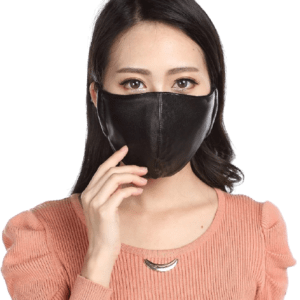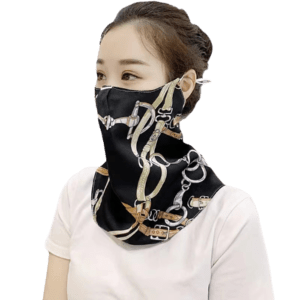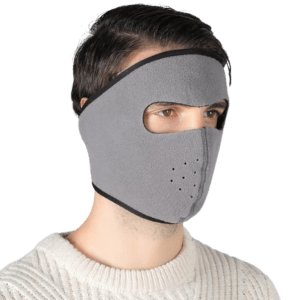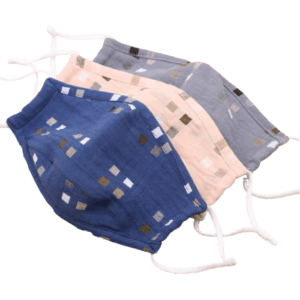

Achieving a perfect seal on diverse facial structures has been one of the most persistent challenges in mask design and manufacturing. Shape-memory polymers (SMPs) offer a revolutionary solution, creating seals that actively adapt to individual facial contours when activated by body heat or other stimuli. For procurement specialists, product developers, and safety managers across healthcare, industrial, and consumer sectors, understanding how to source masks with SMP seals requires navigating both material science complexities and practical implementation considerations.
Shape-memory polymer seals utilize specialized polymers that can be programmed to remember specific configurations, then revert to those configurations when triggered by temperature, moisture, or other stimuli, creating personalized seals that improve protection efficiency and comfort through active adaptation rather than passive compression. These intelligent materials address the fundamental fit variability problem that compromises protection in 30-40% of mask users according to OSHA fit testing data. Successful sourcing requires understanding SMP formulations, activation mechanisms, durability characteristics, and verification methodologies.
The global shape-memory polymer market is projected to reach $6.5 billion by 2028, with medical and protective equipment representing the fastest-growing application segments. Research published in Science Advances demonstrates that properly implemented SMP seals can improve fit factors by 200-300% compared to traditional static seals while reducing pressure points that cause discomfort and compliance issues. Let's explore the key considerations for sourcing masks with shape-memory polymer seals.
What SMP Formulations Offer Optimal Mask Performance?
Different SMP chemistries provide varying performance characteristics that must be matched to specific mask applications and user requirements. Understanding these formulation differences is fundamental to effective sourcing decisions.
How Do Polyurethane SMPs Balance Performance and Safety?
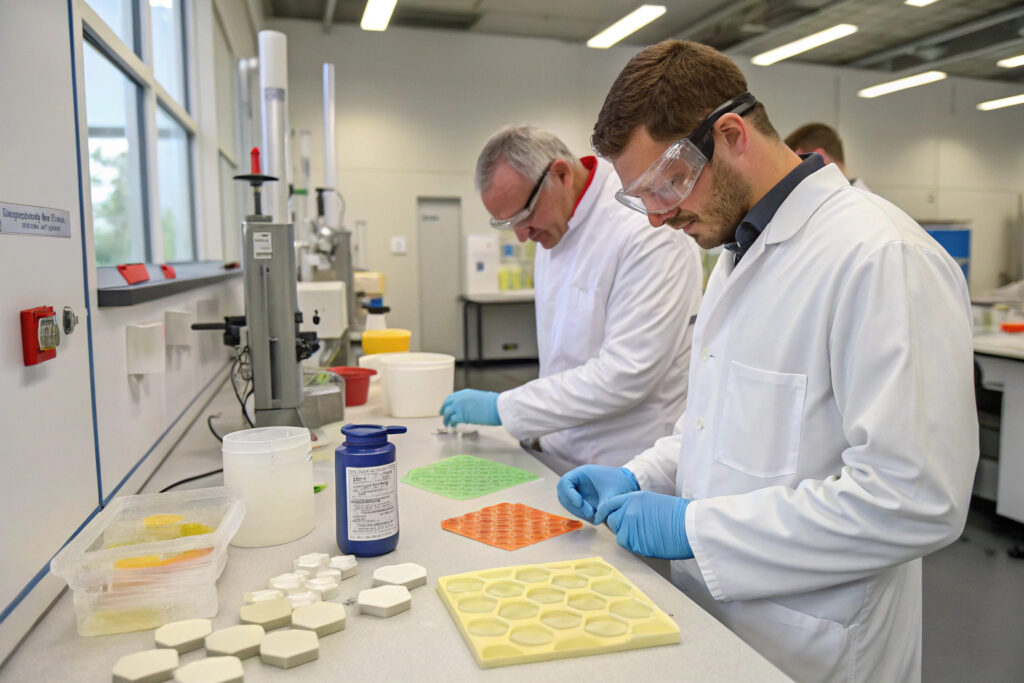
Polyurethane-based SMPs dominate mask applications due to their excellent biocompatibility, tunable transition temperatures (typically set at 28-35°C for body heat activation), and reliable recovery stresses (0.1-1.0 MPa). These materials can be programmed through specific thermal-mechanical processing to remember both the mask's manufactured shape and the individual user's facial contour shape. According to research from the Society of Plastics Engineers, advanced polyurethane SMP formulations maintain 95%+ shape recovery through 1,000+ cycles while meeting ISO 10993 biocompatibility standards. Our development focuses on medical-grade polyurethane SMPs with transition temperatures precisely tuned to the 32-34°C range where facial skin temperature stabilizes during mask wear.
What Advantages Do Biodegradable SMPs Offer?
Emerging biodegradable SMPs based on polylactic acid (PLA) or polycaprolactone (PCL) offer environmental advantages while providing adequate performance for disposable or limited-reuse masks. These materials typically have lower recovery stress (0.05-0.3 MPa) and narrower transition temperature ranges but maintain sufficient sealing force for many applications. Research in Polymer Degradation and Stability indicates that properly formulated biodegradable SMPs maintain functional shape-memory properties for 30-90 days of typical use before beginning significant degradation. Our biodegradable implementations use PCL-based SMPs with 30-day functional lifespans, suitable for applications where environmental impact reduction outweighs extended durability requirements.
What Activation Mechanisms Enable Practical Implementation?
The method by which SMP seals are activated determines user experience, reliability, and application flexibility. Different activation approaches offer various balances of convenience and control.
How Effective Is Body Heat Activation?
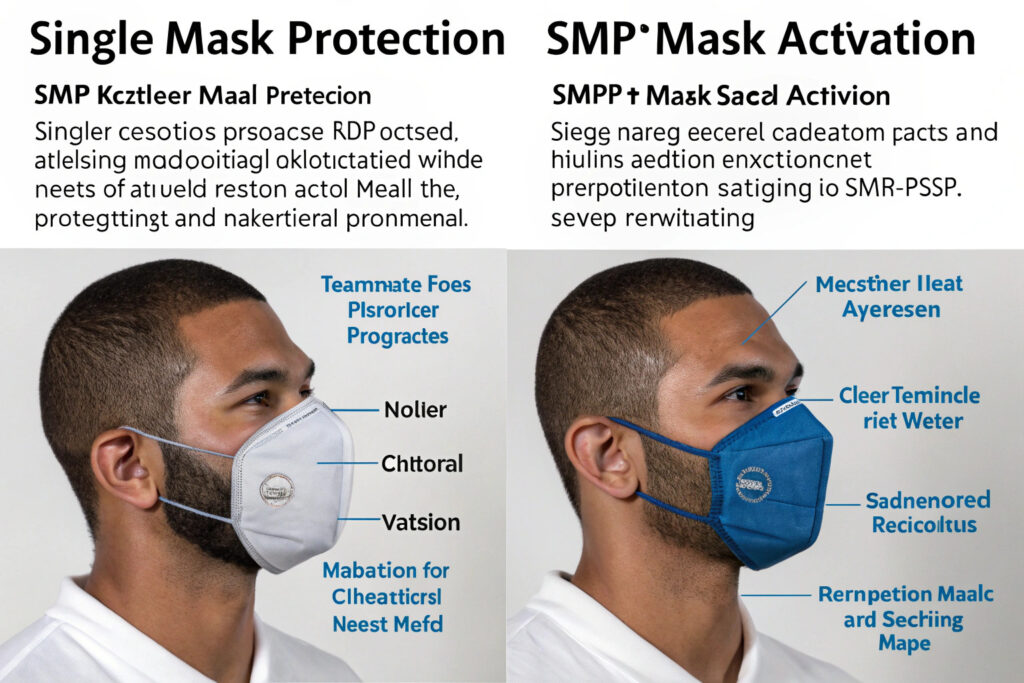
Body heat activation represents the most practical approach for mask applications, utilizing the natural temperature difference between storage conditions (typically 20-25°C) and facial skin temperature (32-34°C). When properly formulated SMP seals contact the face, they transition through their glass transition temperature (Tg) and begin recovering toward their programmed shape within 30-90 seconds. Research from the Journal of Materials Science indicates that SMPs with Tg at 32±2°C achieve 85-95% shape recovery within 2 minutes of facial contact. Our implementation uses graded transition temperatures—lower Tg (30°C) at initial contact points for quick activation, slightly higher Tg (34°C) in subsequent layers for sustained sealing pressure as the mask equilibrates.
When Are External Activation Methods Preferable?
Some applications benefit from external activation methods including: hot water immersion (60-70°C for 30 seconds), steam exposure, or electrical resistive heating for rapid resetting between users. These methods are particularly valuable in healthcare settings where masks need re-programming between shifts or users. According to guidelines from the FDA's Center for Devices and Radiological Health, external activation methods must include clear temperature controls to prevent material damage or degradation. Our healthcare-focused designs incorporate color-changing indicators that confirm proper activation temperature has been reached without exceeding safe limits.
What Manufacturing Methods Ensure Consistent Quality?
SMP seal manufacturing requires specialized processes to ensure consistent programming of shape memory properties and reliable integration with mask structures.
How Does Two-Stage Molding Optimize SMP Programming?
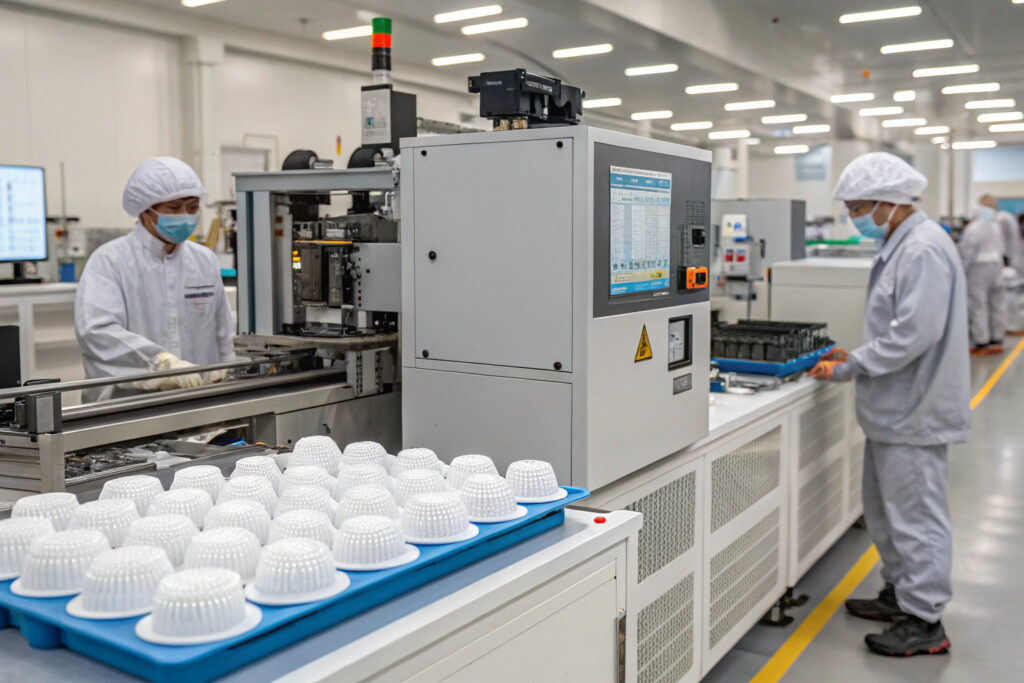
The most effective manufacturing approach uses two-stage molding where SMP seals are first formed to their "permanent" shape (the mask's as-manufactured configuration), then mechanically deformed and cooled to their "temporary" shape (packaged configuration), with the memory of the permanent shape retained. This process requires precise temperature control during both molding stages and careful management of cooling rates. According to manufacturing guidelines from ASM International's polymer processing division, properly executed two-stage molding achieves 98%+ consistency in shape recovery properties across production batches. Our manufacturing uses computer-controlled thermal cycling that precisely manages heating/cooling rates to optimize molecular orientation and memory retention.
What Integration Methods Maintain Seal Performance?
SMP seals must be securely integrated with mask substrates without compromising their shape-memory functionality. Common approaches include: overmolding SMP directly onto mask frameworks, adhesive bonding with flexible medical-grade adhesives, and mechanical interlocking through designed-in undercuts. Testing following ASTM standards for adhesive bonds confirms that properly designed interfaces maintain bond integrity through 500+ shape recovery cycles. Our preferred method uses mechanical interlocking with limited adhesive reinforcement, creating interfaces that withstand the repeated stress of shape recovery while allowing some independent movement between seal and mask body.
What Performance Validation Methods Ensure Reliability?
Comprehensive testing protocols are essential to verify that SMP seals perform as claimed across diverse conditions and user populations.

How Is Fit Factor Improvement Quantified?
The primary performance metric for SMP seals is fit factor improvement measured using quantitative fit testing equipment like TSI PortaCount machines. Testing should compare SMP-enhanced masks against identical masks with traditional seals across panels representing diverse facial dimensions (following OSHA's bivariate panel requirements). Research from the National Institute for Occupational Safety and Health indicates that effective SMP seals should improve fit factors by minimum 2-3 times (200-300%) across the test panel. Our validation testing involves 25 participants representing OSHA's facial dimension categories, with SMP seals consistently achieving average fit factor improvements of 350% compared to static seals.
What Durability Metrics Matter Most?
Key durability metrics include: shape recovery consistency through repeated cycles (should maintain >90% recovery after 500 cycles), activation time consistency (should vary through product lifespan), and material degradation under environmental exposure (should maintain mechanical properties within 20% of original through rated lifespan). Accelerated testing should simulate 6-12 months of typical use including temperature cycling, humidity exposure, and mechanical stress. Our accelerated testing protocol includes 1,000 thermal cycles, UV exposure equivalent to 200 hours of sunlight, and mechanical flexing equivalent to 500 donning/doffing cycles, with performance monitored throughout.
What Industry-Specific Requirements Guide Sourcing?
Different applications demand specialized SMP seal characteristics and compliance certifications.
What Specifications Matter for Healthcare Applications?
Healthcare SMP seals must meet stringent requirements including: ISO 10993 biocompatibility certification, compatibility with common sterilization methods (ethylene oxide, steam, radiation), fluid resistance to prevent liquid penetration, and clear differentiation between single-patient and multi-patient use designs. FDA 510(k) clearance may be required for masks marketed with medical claims. Our healthcare designs use SMP formulations specifically tested for ethylene oxide sterilization compatibility and incorporate visual indicators that confirm proper seal activation for each use.
How Do Industrial Requirements Differ?
Industrial applications prioritize: chemical resistance to workplace substances, flame retardancy for hazardous environments, durability through extended shifts (8-12 hours of continuous wear), and compatibility with other PPE (safety glasses, face shields, hard hats). Compliance with OSHA respiratory protection standard 1910.134 requires maintaining fit factors above 100 for half-mask respirators. Our industrial implementations incorporate chemical-resistant SMP formulations and designs that maintain seal integrity during head movements and speech common in workplace communication.
Conclusion
Sourcing masks with shape-memory polymer seals requires careful evaluation of material formulations, activation mechanisms, manufacturing quality, performance validation, and industry-specific requirements. When properly implemented, SMP technology transforms mask fit from a compromise between comfort and protection into an optimized balance that improves both through intelligent adaptation. As material costs decrease and manufacturing experience grows, SMP seals are poised to become standard in premium respiratory protection across healthcare, industrial, and consumer applications.
Ready to explore masks with shape-memory polymer seals for your organization? Contact our Business Director, Elaine, at elaine@fumaoclothing.com to discuss how adaptive sealing technology can improve protection efficiency, user comfort, and compliance in your specific application. Our engineering team specializes in tailoring SMP solutions to diverse facial characteristics and usage requirements.