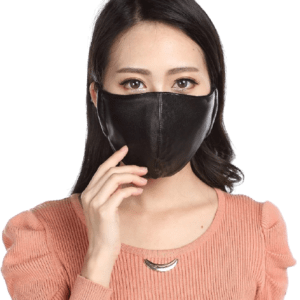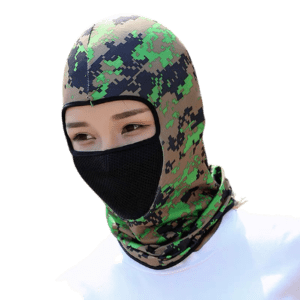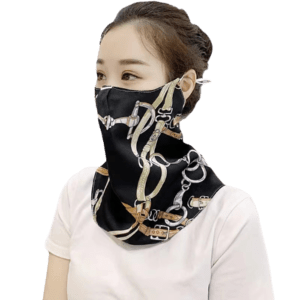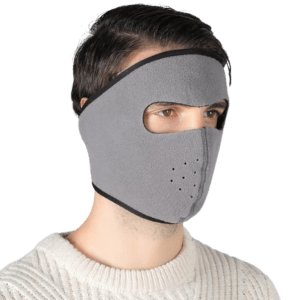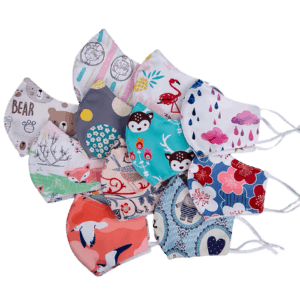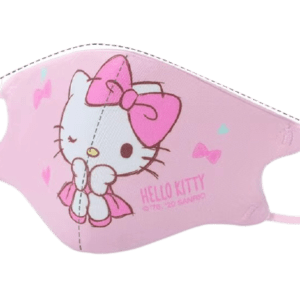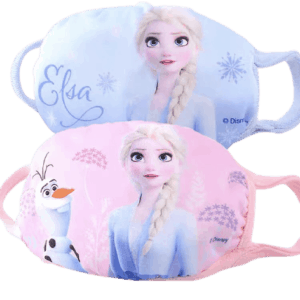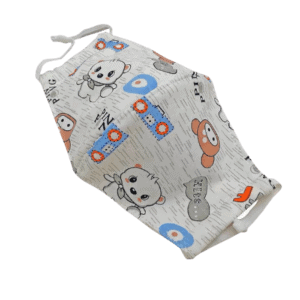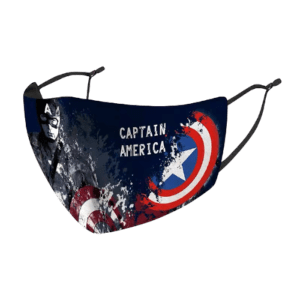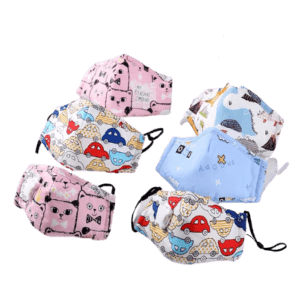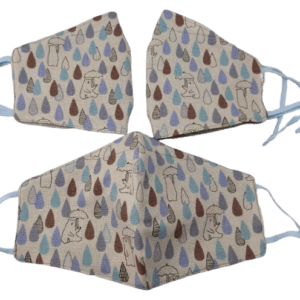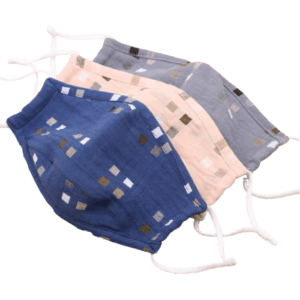
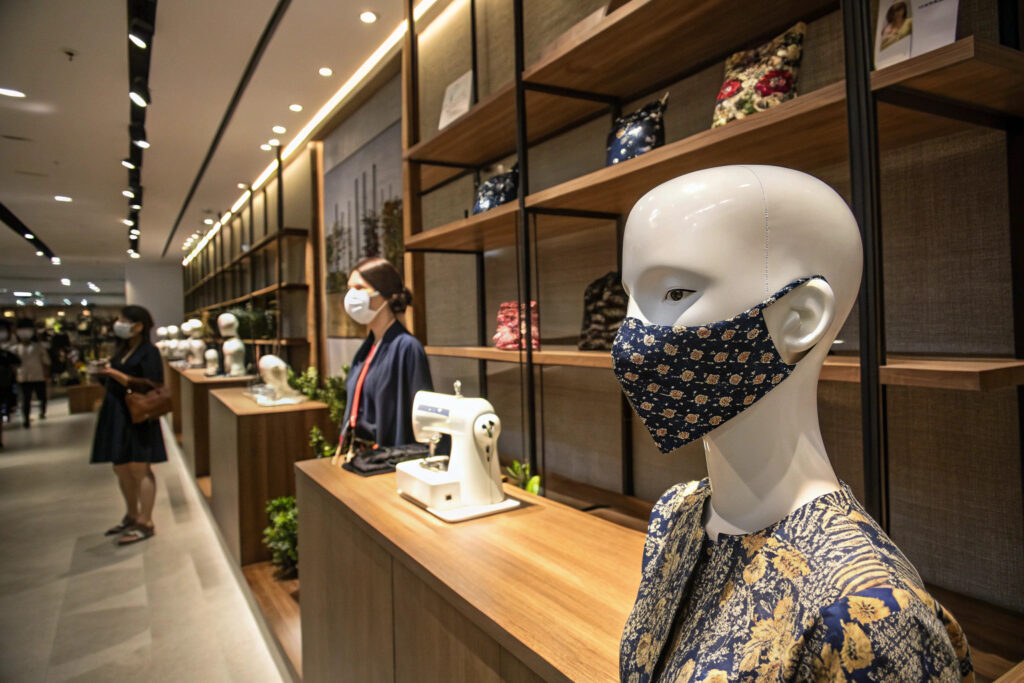
When the pandemic reshaped how we live, fabric masks quickly turned from a necessity into a statement accessory. Many boutique retailers wondered if they could capture both style and profit by offering custom printed fashion masks. The concern was not only about customer demand but also about margins, sourcing, and long-term sustainability.
Yes, custom printed fashion fabric masks can be profitable for boutique retailers when executed with the right sourcing, pricing, and positioning strategy. They bridge fashion and function, attract repeat buyers, and provide opportunities for branding and customer loyalty.
I have seen many of our boutique partners in the United States and Europe integrate masks into their seasonal collections successfully. However, not every approach works equally. The balance between cost, quality, and timely supply is what separates success from failure. Let’s explore the details through real market insights.
How much margin can boutiques expect?
Masks may look simple, but margins in boutique sales often surprise newcomers. Many retailers purchase custom printed masks for under $1.50–$2.00 per unit from manufacturers like ours. In contrast, these masks are commonly retailed between $8 and $15, depending on fabric, finish, and brand positioning.
Boutiques can expect margins ranging from 200% to 400% when custom masks are marketed as premium fashion accessories rather than basic protective gear.
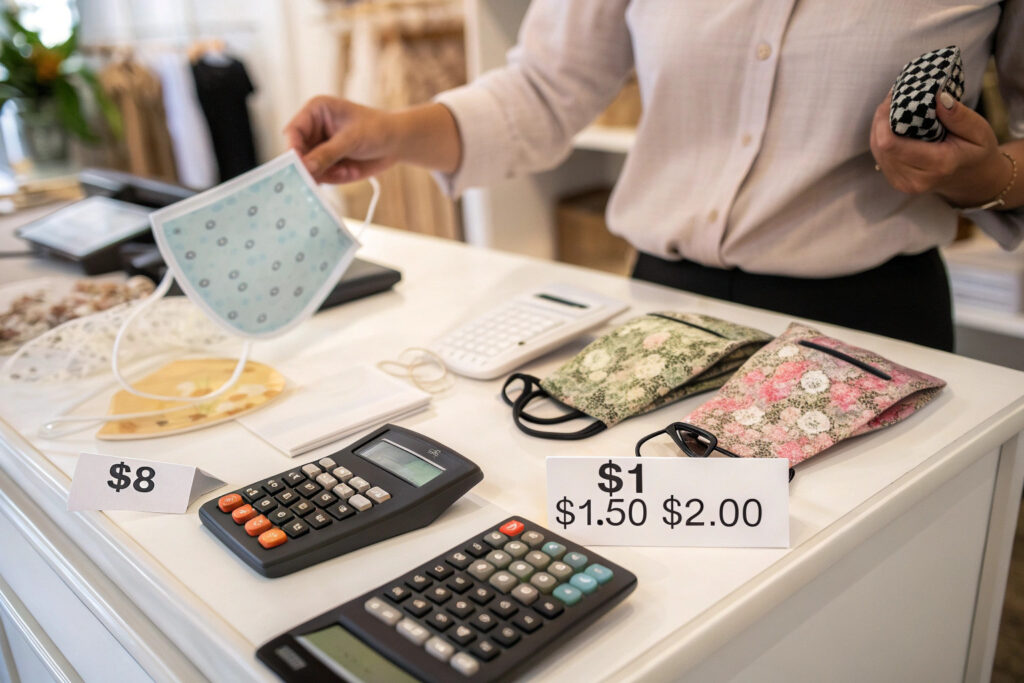
The profit potential also depends on seasonality. During holiday periods, special designs or limited editions sell at even higher prices. This gives boutiques a strong upsell opportunity without heavy capital investment.
What influences profit margins most?
Pricing is not only about cost but also about how the boutique positions itself. For example, boutiques that emphasize eco-friendly fabrics or handmade craftsmanship often charge higher retail prices. According to Statista, U.S. fabric mask sales surged past 1 billion units during the pandemic, which proves both volume and pricing flexibility exist. Additionally, retailers who integrate masks with apparel collections can increase their average order value.
Another factor is logistics. Partnering with suppliers who provide smooth customs clearance, such as through FedEx Trade Networks, ensures masks arrive on schedule. Delays can destroy profitability, especially for trend-driven designs.
Can small orders still be profitable?
Boutique retailers often hesitate to commit to large orders. The good news is that many Chinese suppliers, including us, support low minimum order quantities (MOQs) for custom prints. Even with smaller runs of 200–500 pieces, boutiques can still hit attractive margins if they focus on unique prints or collaborations. This flexibility keeps inventory risk low while enabling higher markup per unit.
Do customers value custom printed masks?
Customer perception is the foundation of profitability. People no longer buy masks only for protection—they look for identity, fashion, and comfort.
Yes, customers value custom printed masks because they express individuality, match outfits, and create emotional connections. This makes them repeat buyers rather than one-time customers.
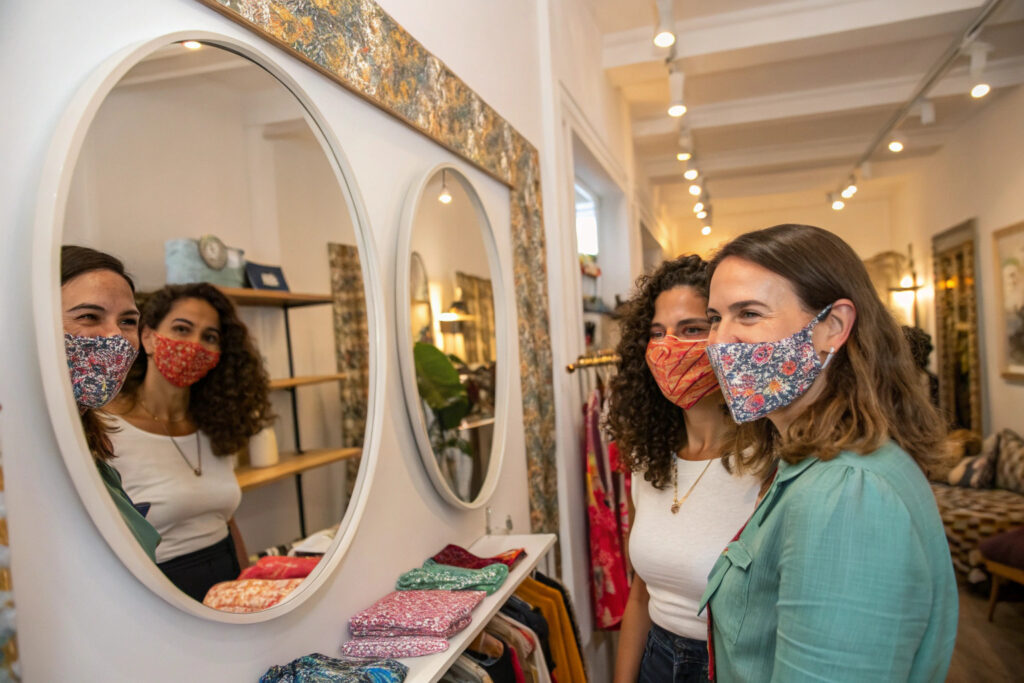
From our direct feedback, boutique shoppers in the U.S. are more willing to pay premium prices if masks are breathable, soft, and fashionable. The sense of uniqueness is what justifies the higher price.
Why do fashion-conscious buyers pay more?
Shoppers today often treat masks like accessories. Just like sunglasses or handbags, a mask can complete a look. They buy multiple pieces to match different outfits. Customers also value stories. When a boutique highlights the mask’s recycled material or artisanal print design, buyers connect emotionally and see it as more than fabric.
The social media factor is also strong. Many boutiques use Instagram Shopping to showcase mask styles with influencers. This has proven to increase both traffic and trust.
Are custom masks still in demand now?
Although global mask demand has slowed compared to the pandemic’s peak, fashion-driven buyers continue to seek unique designs. Boutiques that treat masks as lifestyle products rather than medical gear still enjoy steady sales. Seasonal launches—such as floral prints in spring or festive styles in December—keep demand alive. This trend is reinforced by niche buyers, like sports teams or wedding parties, who purchase coordinated masks for events.
What are sourcing and MOQ challenges?
One of the main pain points for boutique owners is sourcing custom printed masks in flexible quantities. Many factories in China focus on mass production, which makes it difficult for small boutiques to start without heavy investment.
The biggest challenges in sourcing are MOQs, reliable printing quality, and shipping timelines, but these can be solved by partnering with agile suppliers.
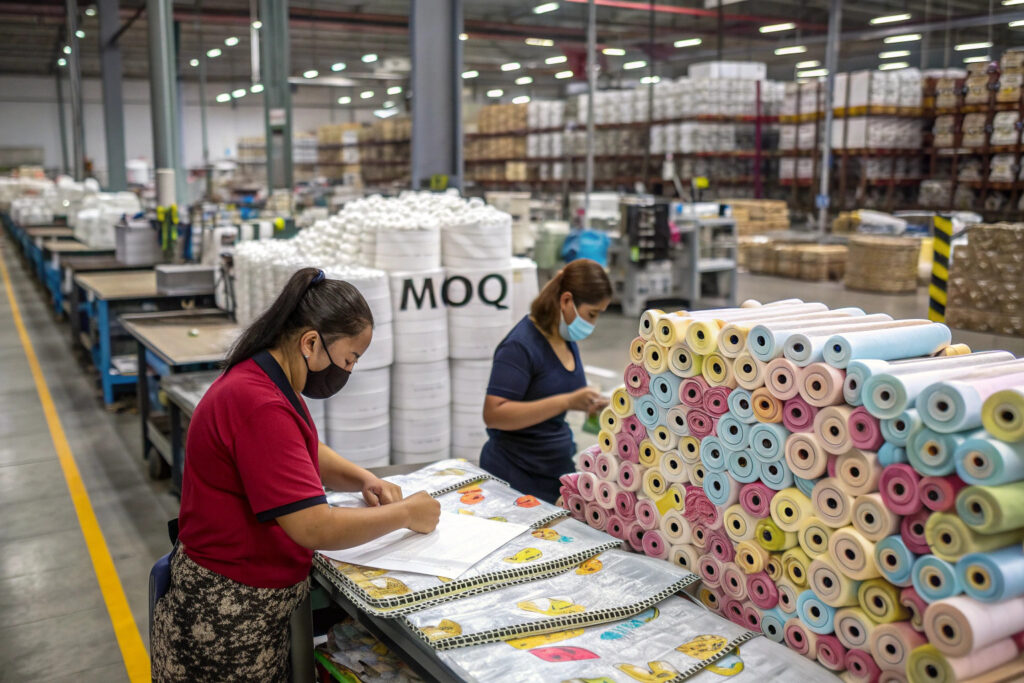
We often receive requests from boutique retailers in the U.S. asking if they can test with only a few hundred pieces. This is possible if the factory has integrated digital printing and small-batch production.
Why are MOQs important in profitability?
Low MOQs reduce inventory pressure. If a boutique orders only 300 masks but sells out quickly, they can reorder faster and adjust designs for the next season. According to Alibaba sourcing data, most suppliers list MOQs above 1000 units, but specialized factories like ours support 200–500 units for custom prints. This is a major advantage for boutique retailers.
Another challenge is compliance. Masks must pass certain safety standards in the U.S. and Europe. Working with suppliers who test colorfastness, shrinkage, and breathability ensures fewer returns and stronger customer trust.
Can logistics barriers limit boutique growth?
Yes, logistics play a huge role. Many small retailers face unexpected tariff costs or customs delays. Solutions like bonded warehouses or DDP (Delivered Duty Paid) shipping offered by logistics partners simplify this. For example, UPS Trade Management Services helps small retailers manage imports without risk. This gives boutiques more confidence to expand their mask lines.
How to balance cost and quality effectively?
Cost versus quality is the classic dilemma in boutique retail. Retailers want affordable sourcing but must also meet customer expectations for comfort, fit, and durability.
The most successful boutiques balance cost and quality by working with transparent suppliers, testing samples, and focusing on functional features like breathability, nose wires, and adjustable straps.
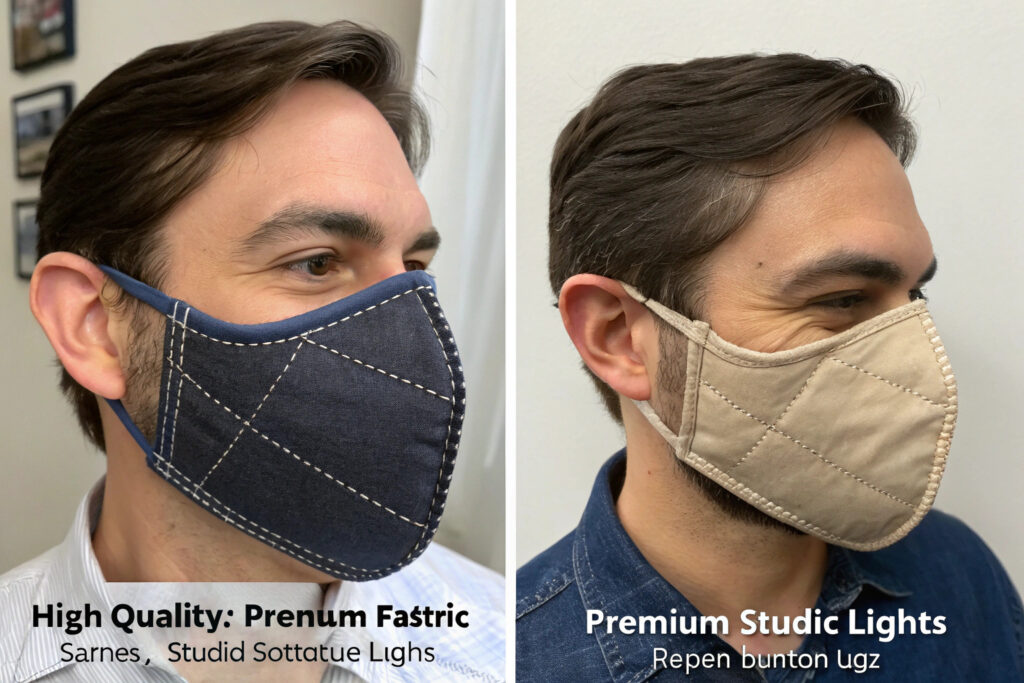
A mask that is too cheap may fail after one wash, while a high-quality one can be reused dozens of times, creating higher satisfaction and fewer complaints.
What quality features matter most?
From our experience, American boutique buyers focus on three features:
- Breathability: Masks must allow easy airflow.
- Comfort: Soft fabrics reduce irritation.
- Design integrity: Prints should not fade quickly.
Retailers who emphasize these points often find repeat buyers. Sites like Textile World highlight how breathable fabrics influence customer loyalty. Adding adjustable features like ear savers or lanyards also boosts perceived value without much extra cost.
How can boutiques avoid overpaying for quality?
The key is sampling. A boutique should request samples from two or three suppliers before making bulk orders. This avoids surprises and ensures quality meets expectations. Platforms such as Global Sources make it easier to compare supplier options. By investing in small test runs, boutiques can confirm which supplier balances cost and quality best.
Another smart move is to negotiate packaging. Branded packaging adds perceived value, but it can be sourced cost-effectively if bundled with the mask order. Many boutiques overlook this and pay extra, reducing their profit margin unnecessarily.
Conclusion
Custom printed fashion fabric masks are more than a health accessory. They are profitable lifestyle products when positioned correctly in boutique retail. Margins can be significant, customer demand for unique prints is strong, and sourcing challenges can be overcome with agile suppliers. The most successful boutiques focus on balancing cost and quality while leveraging design as their strongest selling point.
If you are considering launching or expanding your fabric mask line, I invite you to collaborate with us at Shanghai Fumao. We provide end-to-end services from design to delivery, ensuring smooth operations and consistent quality. Please contact our Business Director Elaine at elaine@fumaoclothing.com to discuss how we can help produce your next profitable custom mask order.