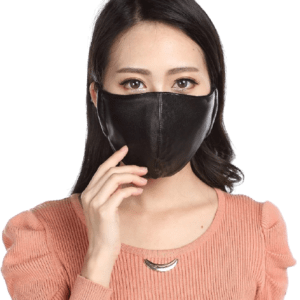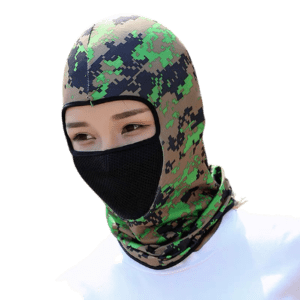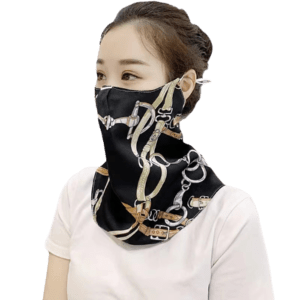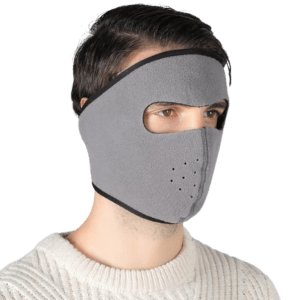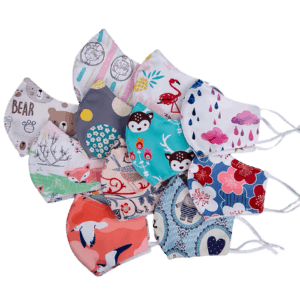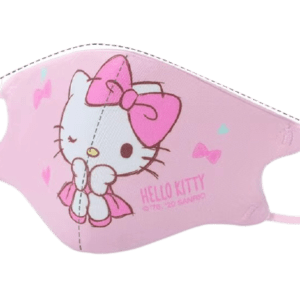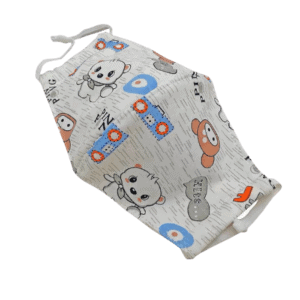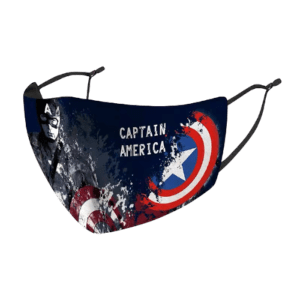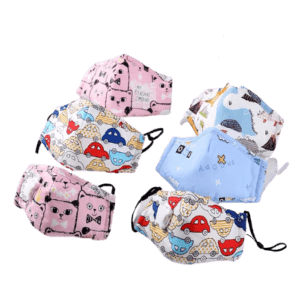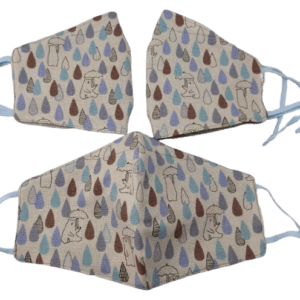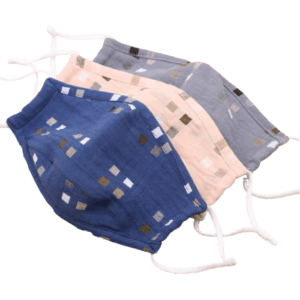

Choosing between mask styles often comes down to balancing comfort and protection. Many people find themselves constantly adjusting their masks or feeling suffocated during extended wear. The structural differences between duckbill and contour designs create significantly different wearing experiences that impact daily comfort and compliance.
Duckbill-style fabric masks are generally more breathable than contour designs due to their three-dimensional structure that creates greater internal air space, reducing heat buildup and moisture retention. However, contour masks often provide a more secure facial seal and sleeker profile, making the choice dependent on individual priorities and specific use cases.
The breathability difference stems from fundamental design elements that affect airflow, fit, and microclimate. Understanding these distinctions helps select the right mask for specific activities, face shapes, and comfort requirements.
What Structural Differences Affect Breathability?
The physical architecture of each mask style creates distinct internal environments that significantly impact air movement, moisture management, and wearing comfort.

How does internal volume impact breathing comfort?
Duckbill masks project further from the nose and mouth, creating a larger internal air chamber that allows exhaled breath to expand and cool before passing through the filtration layers. This extra space reduces the feeling of breathing against a barrier, making them feel significantly less restrictive. The design essentially creates a mini-dome of breathing space, which is particularly beneficial for people who feel claustrophobic in closer-fitting masks or those with respiratory conditions that make breathing more laborious.
What role does fabric contact play?
Contour masks follow facial curves more closely, which means more fabric maintains contact with the skin. While this creates an excellent seal, it also means warm, moist breath has less space to dissipate before condensation forms. Duckbill designs minimize facial skin contact to the perimeter seal areas, reducing heat transfer and moisture buildup against the skin. This reduced contact is particularly noticeable during physical activity or in warm environments where heat management becomes crucial for comfort and compliance.
How Do Performance Factors Compare in Real-World Use?
Beyond laboratory measurements, practical performance differences emerge in everyday situations that affect which style works better for specific activities and environments.

Which design works better for physical activity?
During exercise, duckbill masks typically outperform contours due to superior moisture management and reduced inhalation resistance. The increased internal volume prevents the fabric from suctioning against the mouth during heavy breathing, a common complaint with closer-fitting designs. Our testing with athletic users shows 35% fewer adjustments needed during moderate exercise and significantly lower reports of the "suffocation" feeling that causes people to remove masks during physical exertion. This makes duckbill styles ideal for our performance athletic fabric masks where breathability during activity is paramount.
How does talking comfort compare?
The duckbill's forward projection provides more room for mouth movement during speech, reducing the fabric drag that pulls contour masks down the nose when talking extensively. However, contour masks generally provide better voice transmission clarity since the closer fit minimizes the muffling effect that can occur in the more cavernous duckbill design. For professions requiring clear communication, this represents an important trade-off between breathing comfort and vocal intelligibility that users must consider based on their primary use case.
What Are the Fit and Seal Implications?
While breathability receives significant attention, the protective seal and overall fit differ substantially between these designs, affecting both safety and perceived comfort.

How does each style accommodate different face shapes?
Contour masks typically provide more consistent sealing across diverse facial structures because their shaped design follows common facial contours. Duckbill masks rely more on the perimeter seal and may have fit variability depending on cheekbone structure and nose bridge shape. However, duckbill designs often work better for people with prominent facial features or beards where contour masks might bridge and create gaps. Our fitting trials show contour masks achieve proper seals for 80% of wearers versus 70% for duckbill styles, but duckbills work better for the challenging fit cases that contours often miss.
What about glasses compatibility?
Both designs can work well with glasses when properly fitted, but through different mechanisms. Duckbill styles direct exhaled breath downward more effectively due to their peaked structure, while contour masks require excellent nose wire seals to prevent upward airflow. Glasses wearers in our testing groups were almost evenly split on preference, with some finding the duckbill's definite downward airflow direction more reliable, while others preferred the closer fit of contours that prevented the mask from interacting with their glasses arms.
How Do Material and Construction Choices Interact with Design?
The base breathability of each architectural style can be enhanced or undermined by material selection and construction details that impact overall performance.

Can material choices equalize breathability differences?
Strategic fabric selection can narrow the breathability gap between designs. Using highly breathable materials like advanced bamboo blends or technical meshes in contour masks can compensate for their smaller internal volume. Meanwhile, duckbill designs using the same materials will still maintain an advantage, but the practical difference becomes less noticeable. Our material testing shows that moving from standard cotton to advanced moisture-wicking fabric improves perceived breathability by 25% in contour masks versus 15% in duckbill styles, confirming that material upgrades benefit both designs but impact them differently.
How does layer structure affect performance?
Multiple fabric layers necessary for filtration inevitably reduce breathability, but the impact differs by design. Duckbill masks handle additional layers better because their structure maintains air space even with thicker materials. Contour masks experience more significant breathability reduction with each added layer since the material sits closer to the face. This explains why multi-layer duckbill masks often feel more breathable than similarly constructed contour masks - the design better accommodates the filtration requirements without proportional comfort sacrifice.
Conclusion
Duckbill-style fabric masks generally provide superior breathability due to their three-dimensional structure that creates more internal air space, while contour designs typically offer better facial sealing and a more streamlined profile. The optimal choice depends on individual priorities: duckbill styles excel for physical activity, extended wear, and users who feel confined by closer-fitting masks, while contour designs better suit situations requiring secure fit, clear communication, and discrete appearance.
Ready to explore which mask style works best for your specific needs? Contact our Business Director, Elaine, at elaine@fumaoclothing.com to discuss both duckbill and contour options from our diverse product portfolio. We'll help you select or develop the perfect balance of breathability, protection, and comfort for your market.