
In today's globalized supply chains, consumers and regulators demand unprecedented transparency about product origins, manufacturing conditions, and sustainability credentials. Blockchain-bonded traceability solutions address this need by creating immutable, verifiable records that travel with physical products from raw materials to end consumers. For mask manufacturers and distributors, implementing these solutions can transform compliance requirements into competitive advantages while building consumer trust and operational efficiency.
Blockchain-bonded traceability creates unbreakable digital threads that connect physical products to their digital identities on distributed ledgers, enabling real-time verification of authenticity, ethical sourcing, and sustainability claims while preventing fraud and counterfeiting throughout supply chains. This technology combines physical tracking technologies (QR codes, RFID, NFC) with decentralized blockchain networks to create systems where every transaction and transfer is permanently recorded and independently verifiable by authorized parties. Successful implementation requires understanding both blockchain architectures and practical supply chain integration.
The global blockchain supply chain market is projected to reach $9.85 billion by 2025, with the textile and PPE sectors representing significant growth areas. Research from Deloitte indicates that companies implementing comprehensive traceability solutions experience 20-30% reductions in counterfeit incidents and 15-25% improvements in supply chain efficiency. Let's explore the practical implementation pathways for blockchain-bonded traceability in mask manufacturing and distribution.
What Blockchain Architectures Support Scalable Traceability?
Choosing the right blockchain foundation determines system performance, cost structure, and long-term flexibility. Different architectures offer varying balances of decentralization, privacy, and transaction capacity.
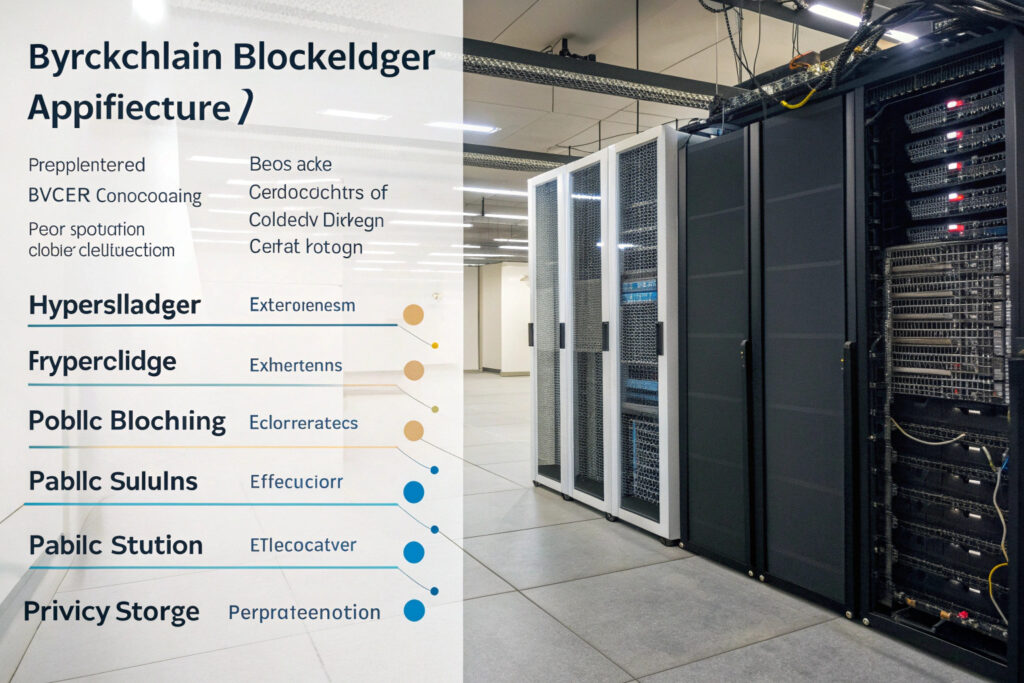
How Do Permissioned Blockchains Differ from Public Networks?
Permissioned blockchains (like Hyperledger Fabric, Corda) restrict participation to known, vetted organizations, offering significantly higher transaction throughput (1,000-10,000 TPS vs 15-30 TPS for public chains) and lower costs while maintaining necessary transparency among supply chain partners. According to the Linux Foundation's Hyperledger project, permissioned architectures can process complex supply chain transactions in under 2 seconds while maintaining complete privacy between non-transacting parties. Our implementation uses a modular permissioned architecture where different supply chain tiers (raw material, manufacturing, logistics, retail) have segregated data channels that share only necessary verification information.
What Are the Advantages of Hybrid On-Chain/Off-Chain Approaches?
Hybrid systems store minimal verification data on-chain (digital signatures, hashes, timestamps) while keeping detailed transaction data in secure off-chain databases. This approach combines blockchain's immutability advantages with the storage efficiency and query flexibility of traditional databases. Research from IBM's blockchain division shows that hybrid approaches reduce blockchain storage costs by 80-90% while maintaining full auditability. Our recommended architecture stores product identifiers, certification hashes, and transfer confirmations on-chain, while detailed production records, quality test results, and sustainability metrics remain in encrypted off-chain storage accessible via API with blockchain-verified access permissions.
What Physical Tracking Technologies Enable Reliable Data Capture?
The quality of blockchain traceability depends entirely on the accuracy of physical-to-digital linkage. Different tracking technologies offer varying balances of cost, automation, and data richness.
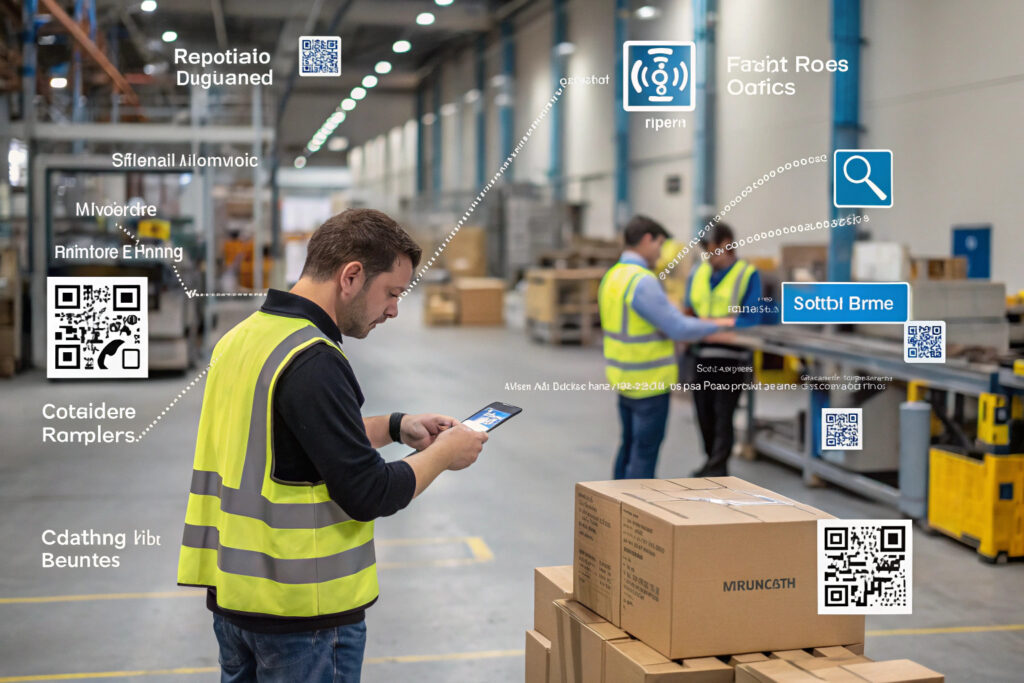
How Do Dynamic QR Codes Enable Consumer Engagement?
Dynamic QR codes provide the most cost-effective physical-to-digital bridge, allowing manufacturers to update product information throughout the lifecycle without changing physical packaging. When scanned, these codes retrieve the latest information from blockchain-verified databases, enabling features like warranty activation, recycling instructions, and sustainability story updates. According to GS1 Digital Link standards, properly implemented dynamic QR systems can reduce packaging changes by 60-80% while providing richer consumer experiences. Our implementation embeds unique cryptographic signatures in each QR code that verify product authenticity against blockchain records before displaying any information to consumers.
When Should RFID/NFC Technologies Be Preferred?
RFID and NFC technologies offer advantages for high-value products, automated logistics, or applications requiring simultaneous scanning of multiple items. Passive UHF RFID tags enable warehouse inventory scanning without line-of-sight at rates up to 1,000 items per second, while NFC enables smartphone interaction without specialized readers. Research from Avery Dennison's RFID division indicates that RFID integration can reduce inventory counting time by 95% while improving accuracy to 99.9%. Our RFID implementation uses blockchain-verified tag commissioning where each tag's unique identifier is registered on-chain during manufacturing, preventing tag cloning or reuse in counterfeit operations.
What Data Standards Ensure Interoperability Across Supply Chains?
Effective traceability requires consistent data formats that enable seamless information exchange between different organizations and systems throughout complex supply networks.
How Does EPCIS Standardize Event Data Exchange?
The Electronic Product Code Information Services (EPCIS) standard provides a universal framework for capturing and sharing supply chain events (what, when, where, why) across organizational boundaries. When integrated with blockchain, EPCIS events become immutable records while maintaining compatibility with existing supply chain systems. According to GS1's EPCIS implementation guidelines, standardized event data reduces integration costs by 40-60% compared to custom interfaces. Our implementation extends EPCIS with custom business vocabulary for mask-specific events like sterilization cycles, quality test results, and sustainability metric recordings, all verified through blockchain consensus mechanisms.
What Role Do Smart Contracts Play in Automated Compliance?
Smart contracts—self-executing code on blockchain—automate verification and compliance processes based on predefined rules. For traceability, smart contracts can automatically verify that materials come from approved suppliers, that manufacturing follows certified processes, and that products meet sustainability thresholds before allowing transactions to proceed. Research from Accenture's blockchain practice shows that smart contract automation can reduce compliance verification costs by 70-80% while eliminating human error. Our implementation includes smart contracts that validate organic material certifications, fair labor attestations, and carbon footprint calculations against verified blockchain records before products can proceed to next supply chain stages.
How to Structure Implementation Phases for Success?
Successful blockchain traceability implementation requires careful phasing to manage complexity, demonstrate value, and build organizational capability progressively.
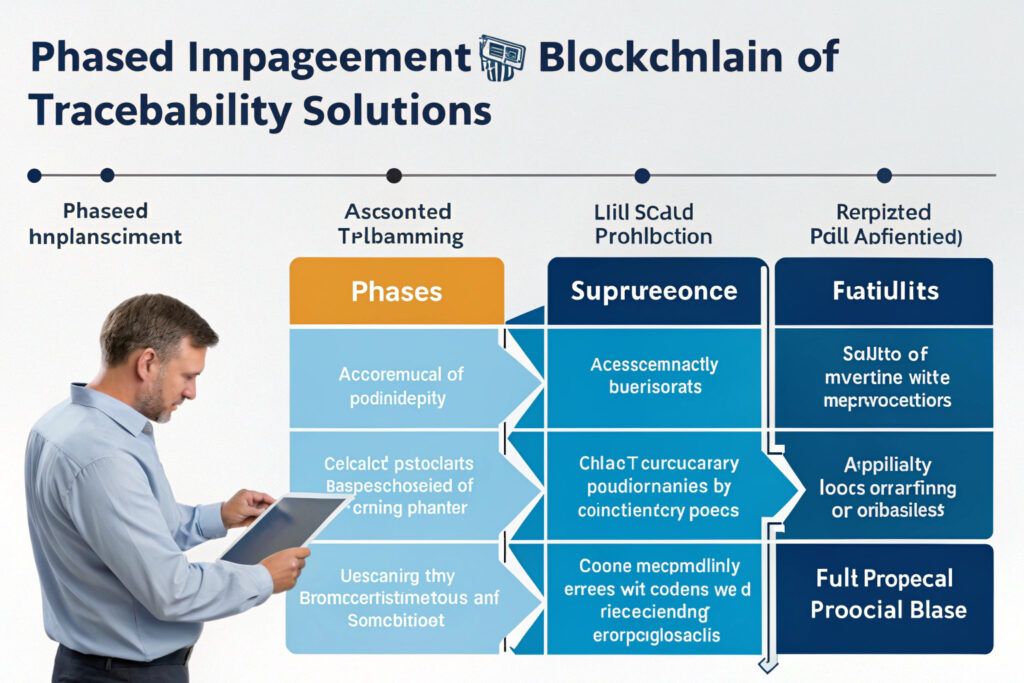
What Should Phase 1 Pilot Projects Focus On?
Initial pilots should target high-value, low-complexity segments to demonstrate quick wins and build organizational confidence. Ideal Phase 1 applications include: tracking premium mask lines with sustainability claims, monitoring limited edition collections, or tracing products for regulated markets (medical/industrial). According to implementation frameworks from Deloitte's blockchain center, successful pilots typically deliver measurable ROI within 3-6 months while establishing technical and operational foundations. Our recommended pilot scope involves 2-3 key suppliers, 1-2 product lines, and basic traceability from manufacturing through first-tier distribution, typically achieving 80-90% data capture accuracy within the pilot scope.
How Does Phase 2 Expand to Full Supply Chain Integration?
Phase 2 extends traceability upstream to raw material suppliers and downstream through complete distribution networks. This phase typically involves: onboarding additional supply chain partners, integrating with enterprise systems (ERP, PLM, MES), implementing automated data capture at scale, and developing consumer-facing verification interfaces. McKinsey research indicates that comprehensive traceability implementations typically require 12-18 months from pilot to full deployment, with most value realized in months 6-12 as data quality improves and automation increases. Our expansion methodology uses modular onboarding that allows different supplier tiers to join the network at their own pace while maintaining end-to-end traceability through blockchain-based handoff verification.
What Metrics Validate Traceability System Effectiveness?
Quantifying the impact of traceability implementations ensures continued investment and guides system optimization. Key performance indicators span operational, commercial, and compliance dimensions.
How to Measure Supply Chain Visibility Improvements?
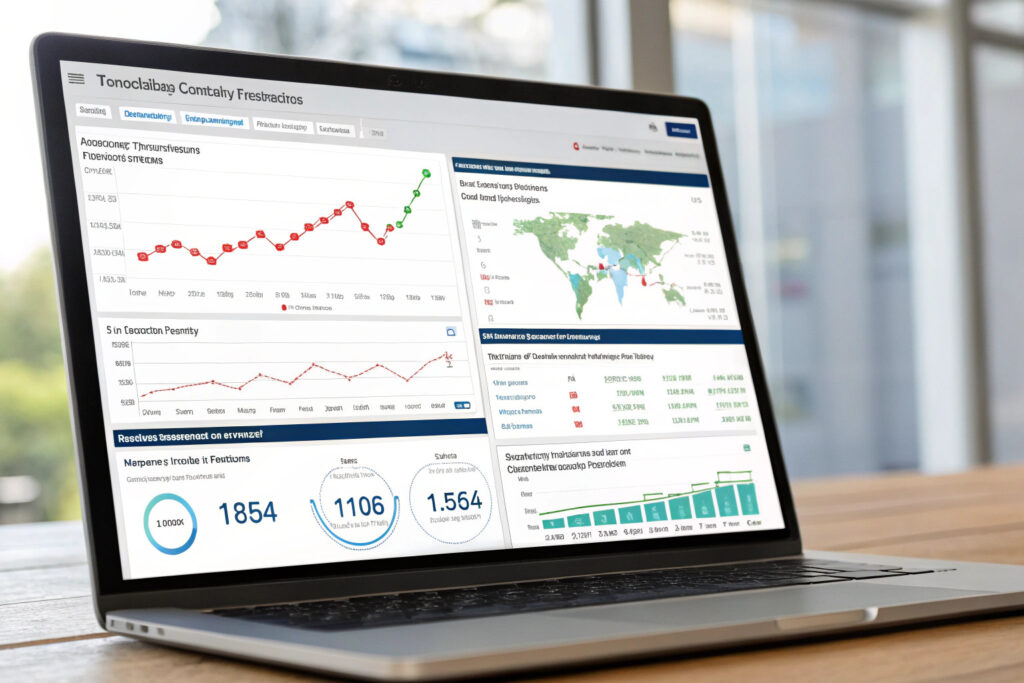
Visibility metrics quantify how completely the system tracks products through supply chains. Key indicators include: percentage of products with complete origin-to-retail records, average time to trace product history, and number of supply chain nodes providing automated data. According to benchmarks from the MIT Center for Transportation & Logistics, best-in-class implementations achieve 95%+ product traceability with average query response times under 5 seconds. Our monitoring shows that comprehensive blockchain implementations typically improve traceability completeness from 40-60% to 90-95% while reducing investigation time for quality issues from days to minutes.
What ROI Metrics Matter Most to Stakeholders?
Different stakeholders value different returns: manufacturers prioritize reduced counterfeiting and quality issue resolution time, retailers value consumer trust and sales conversion rates, while consumers value authenticity verification and sustainability assurance. Composite ROI calculations should include: reduction in counterfeit incidents (typically 30-50%), decrease in product recall costs (40-60%), increase in premium product sales (10-25%), and improvement in supply chain coordination efficiency (15-30%). Our ROI tracking for clients shows average payback periods of 8-14 months with ongoing annual benefits of 3-5% of traced product revenue.
Conclusion
Implementing blockchain-bonded traceability solutions requires strategic integration of appropriate blockchain architectures, physical tracking technologies, data standards, and phased implementation approaches. When executed effectively, these systems transform transparency from a compliance burden into a competitive advantage, building consumer trust while improving operational efficiency across complex supply networks. The most successful implementations balance technical sophistication with practical usability, creating systems that deliver measurable business value while meeting evolving regulatory and consumer expectations.
Ready to explore blockchain-bonded traceability for your mask products? Contact our Business Director, Elaine, at elaine@fumaoclothing.com to discuss how immutable traceability systems can protect your brand, enhance your sustainability credentials, and create new engagement opportunities with your customers. Our implementation team specializes in tailoring blockchain solutions to specific supply chain characteristics and business objectives.