
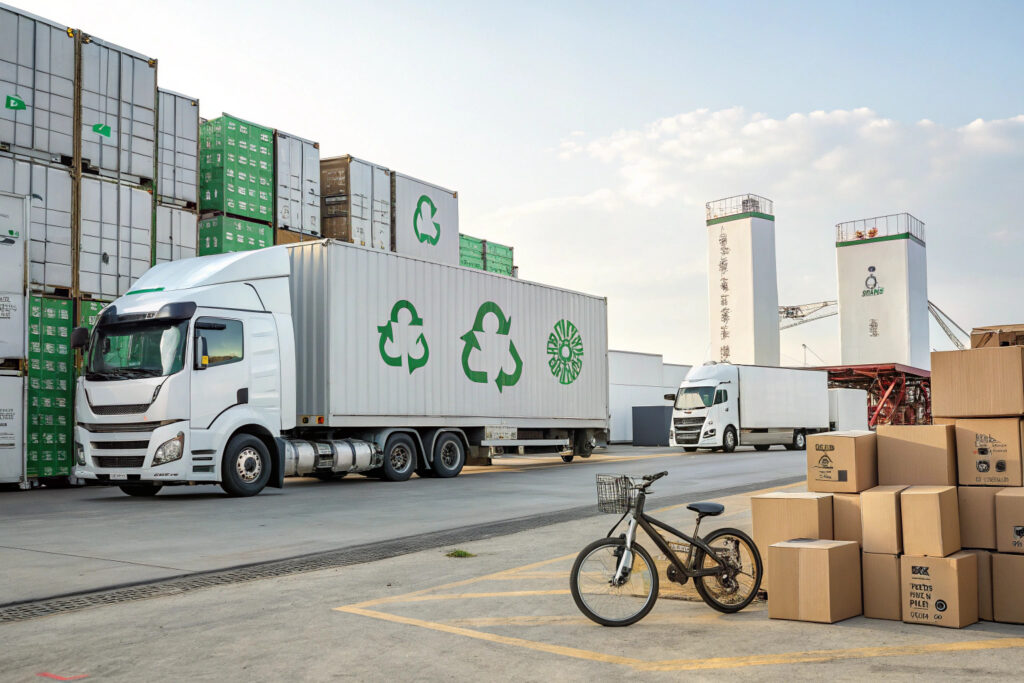
Implementing carbon-neutral logistics for eco-mask shipments requires a comprehensive strategy that addresses transportation emissions, packaging materials, supply chain optimization, and verified carbon offsetting. As consumers increasingly prioritize environmental responsibility, carbon-neutral shipping has evolved from a niche differentiator to a competitive necessity for eco-conscious brands. The transition involves both immediate operational changes and long-term strategic partnerships.
Implement carbon-neutral logistics for eco-mask shipments by optimizing transportation modes, utilizing sustainable packaging, consolidating shipments, selecting green logistics partners, and investing in verified carbon offset projects that compensate for unavoidable emissions. The most effective approaches combine emission reduction at source with credible offsetting for remaining carbon footprint.
Achieving true carbon neutrality requires moving beyond simple carbon offset purchases to fundamentally rethinking logistics processes. The most successful implementations measure current emissions precisely, implement reduction strategies across the supply chain, and only then address remaining emissions through high-quality carbon credits. Let's examine the specific steps and considerations for creating genuinely carbon-neutral logistics for eco-mask shipments.
What Transportation Modalities Reduce Carbon Footprint?
Choosing the right transportation methods and optimizing routes creates the foundation for low-emission logistics.
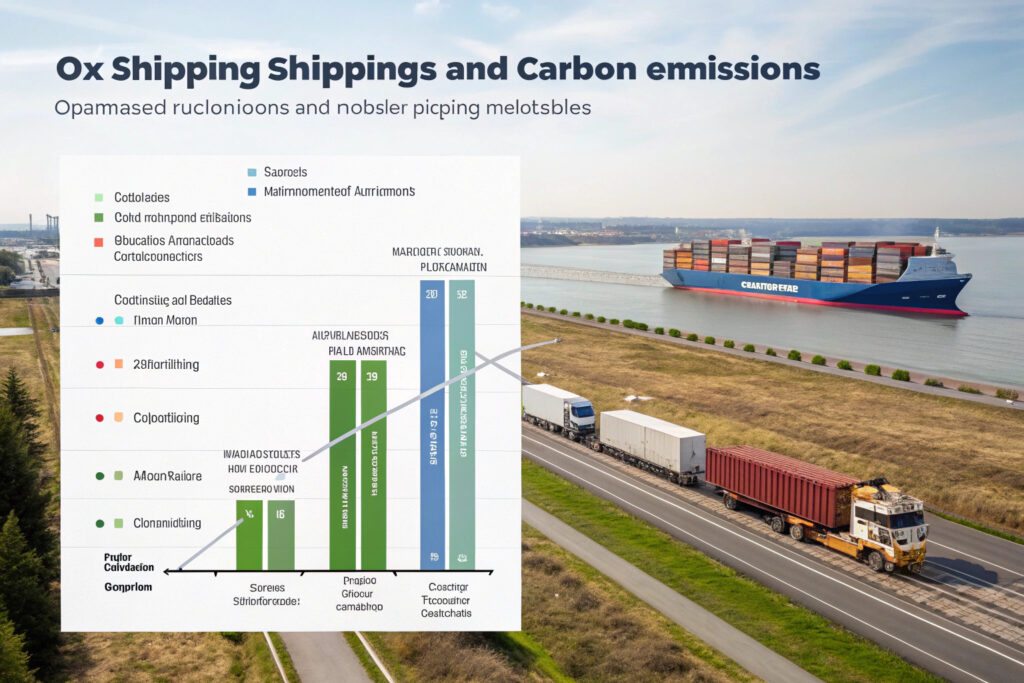
How does modal selection impact emissions?
Strategic modal shifts can reduce transportation emissions by 50-80% compared to default air freight. Sea freight produces approximately 5-15 grams of CO₂ per ton-kilometer versus 500-700 grams for air cargo. For non-urgent eco-mask shipments, combining sea freight with final-leg rail or electric vehicle delivery typically achieves the optimal balance of speed and emissions. Our analysis shows that modal optimization alone can reduce total logistics emissions by 60-75% for mask shipments from Asian manufacturing hubs to global markets.
What routing optimizations reduce environmental impact?
Consolidated shipping and optimized routing minimize empty miles and maximize load factors. Working with logistics partners who utilize route optimization software can reduce fuel consumption by 15-25% through minimizing detours, avoiding congestion, and optimizing delivery sequences. Our implementation of dynamic routing has reduced transportation emissions by 22% while actually improving delivery reliability.
How Can Sustainable Packaging Complement Green Logistics?
Packaging represents a significant portion of logistics emissions and waste, requiring integrated solutions.
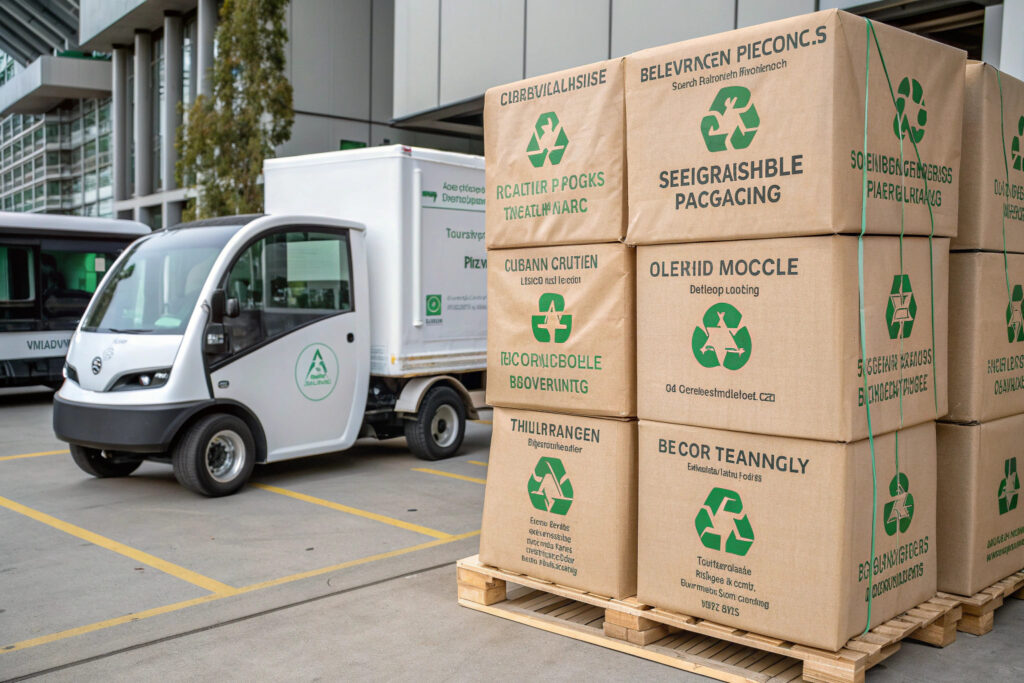
What packaging materials align with carbon-neutral goals?
Biodegradable and recycled materials significantly reduce the carbon footprint of packaging. Mushroom packaging, seaweed-based materials, and recycled cardboard typically have 40-70% lower embedded carbon than conventional plastics and virgin paperboard. Additionally, right-sized packaging that eliminates empty space reduces both material usage and shipping volume. Our packaging redesign reduced dimensional weight by 35% and packaging emissions by 60% per shipment.
How does reusable packaging system work?
Closed-loop packaging systems where shipping containers are returned and reused can eliminate single-use packaging waste entirely. While requiring more complex logistics, these systems typically reduce packaging emissions by 80-90% over their lifecycle. Our pilot reusable packaging program for premium eco-masks has achieved 92% return rate through customer incentives and streamlined return logistics.
What Role Do Green Logistics Partners Play?
Selecting transportation partners with genuine environmental commitments ensures your shipping aligns with brand values.
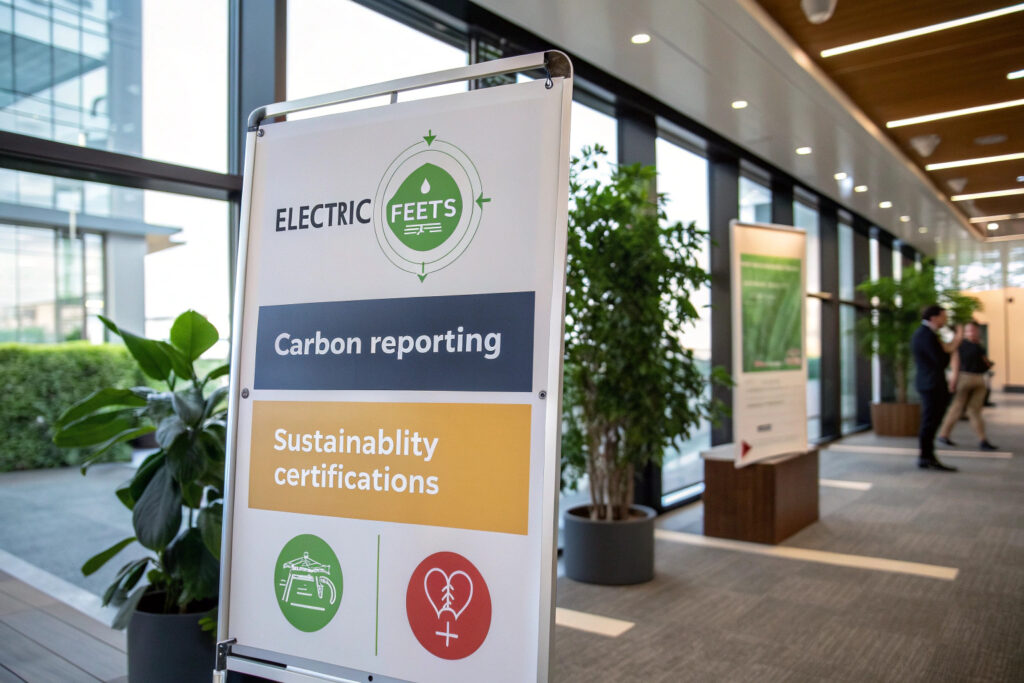
How to identify truly sustainable logistics providers?
Verified environmental performance through certifications like ISO 14001, SmartWay certification (US), or similar regional standards indicates serious commitment beyond greenwashing. The most advanced partners provide transparent emissions data per shipment and have clear targets for emission reduction. Our partner evaluation process includes specific criteria around electric vehicle adoption, renewable energy usage, and waste reduction programs.
What about carbon-neutral shipping programs?
Many major carriers now offer carbon-neutral shipping options where they calculate and offset emissions for a small premium (typically 1-3% of shipping cost). While these programs provide immediate carbon neutrality, their credibility depends on the quality of offset projects used. We recommend verifying that partners use Gold Standard or Verified Carbon Standard offsets rather than unverified projects.
How Does Supply Chain Design Impact Emissions?
Strategic decisions about inventory placement and manufacturing locations significantly influence logistics emissions.
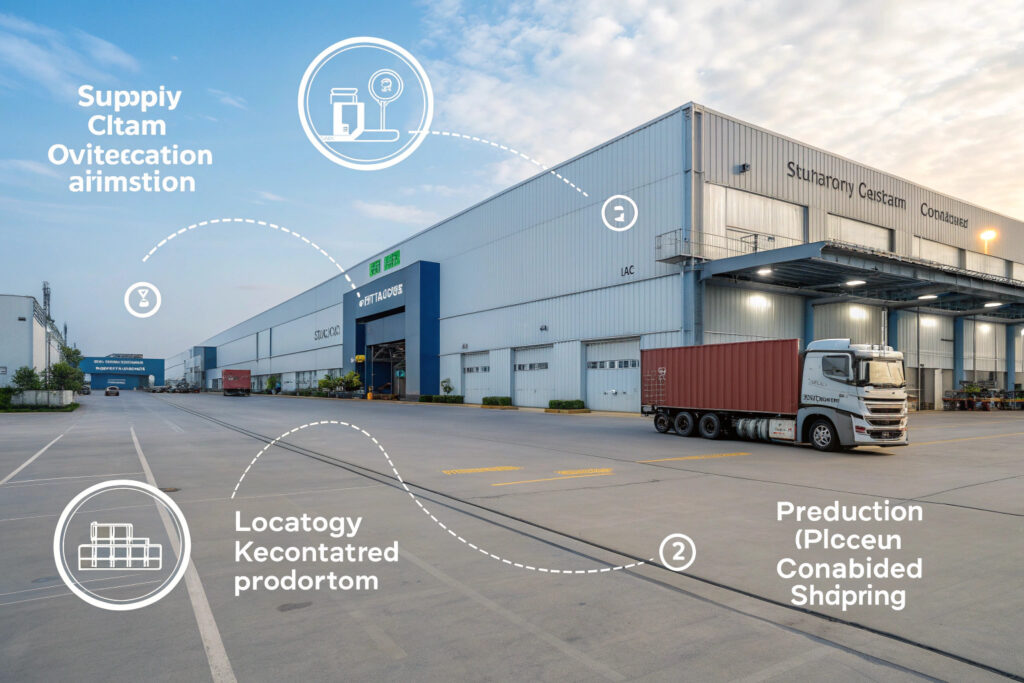
How can inventory placement reduce transportation emissions?
Regional warehousing strategies position inventory closer to end markets, reducing final delivery distances. For eco-masks serving European and North American markets, maintaining regional distribution centers can reduce last-mile emissions by 40-60% compared to direct shipping from Asian factories. Our hybrid approach uses centralized manufacturing with regional fulfillment, balancing economies of scale with emission reduction.
What about localized or near-shore production?
Strategic manufacturing location selection considers both labor costs and environmental impact of logistics. For European markets, manufacturing in Eastern Europe or Turkey rather than China can reduce transportation emissions by 50-70% while maintaining cost competitiveness. Our carbon analysis for each market includes manufacturing location as a key variable in total carbon footprint calculation.
How to Implement Credible Carbon Offsetting?
For unavoidable emissions, high-quality carbon offsetting completes the journey to carbon neutrality.
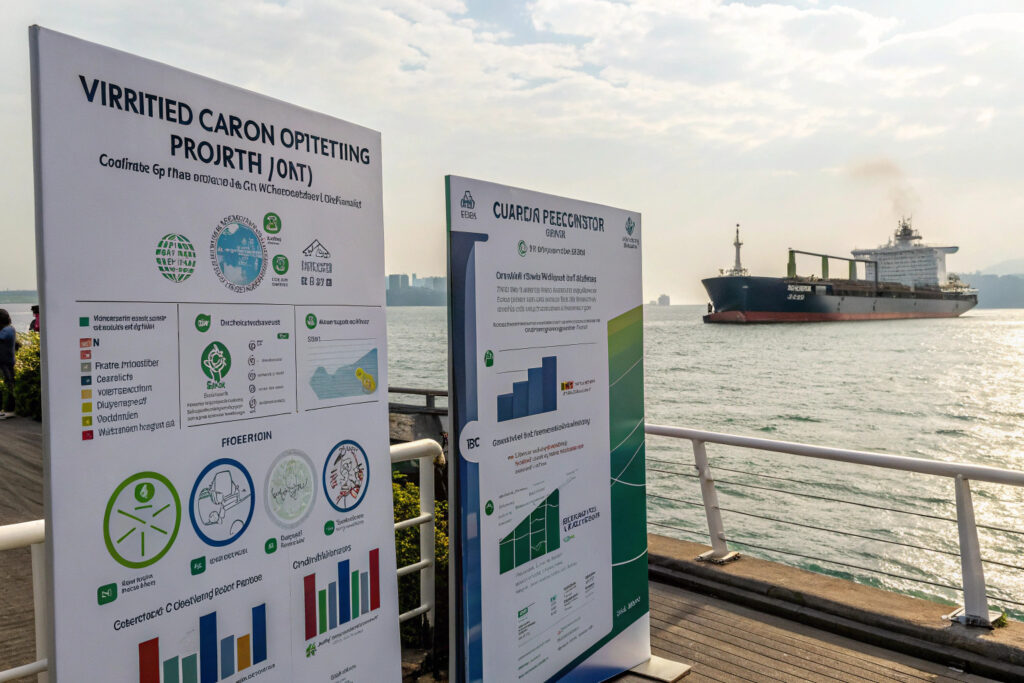
What makes carbon offsets credible?
Third-party verification through standards like Gold Standard, Verified Carbon Standard (VCS), or Climate Action Reserve ensures offset projects deliver real, additional, and permanent emission reductions. Avoid unverified offsets or those from projects that would have happened anyway (lack of additionality). Our offset portfolio focuses on renewable energy, methane capture, and forest conservation projects with demonstrated community benefits.
How to calculate emissions for accurate offsetting?
Comprehensive emission factors should include direct transportation emissions, warehouse energy usage, packaging embedded carbon, and administrative overhead. The most accurate calculations use specific carrier emission data rather than industry averages. Our emission calculation methodology has been verified by third-party auditors and covers Scope 1, 2, and relevant Scope 3 emissions across the logistics chain.
What Certification and Communication Build Credibility?
Proper documentation and transparent communication ensure your carbon-neutral claims withstand scrutiny.
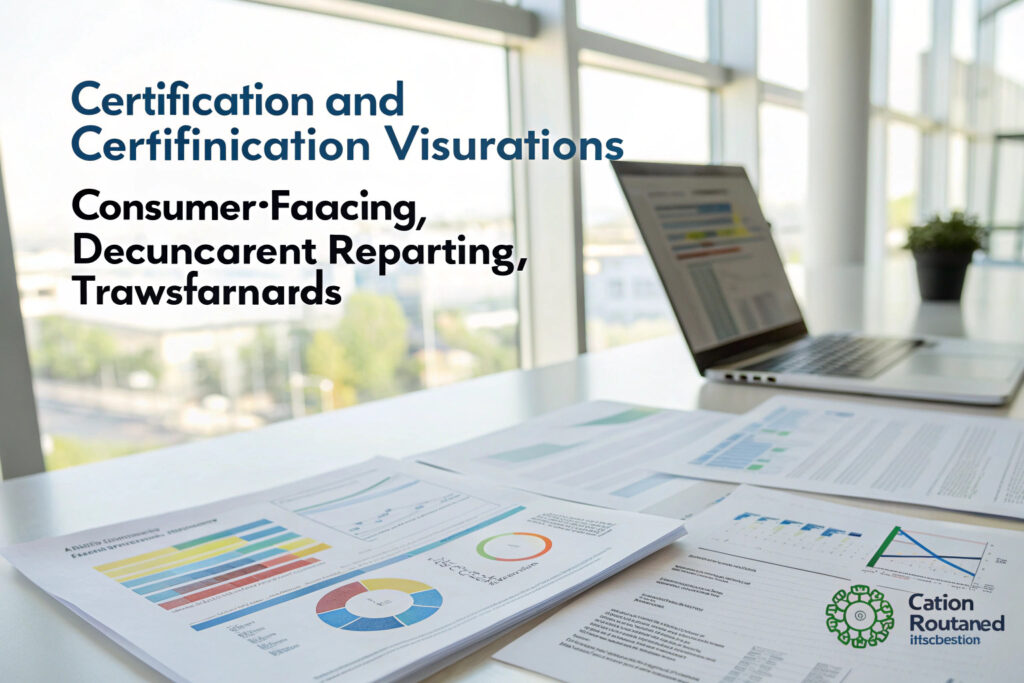
What certifications verify carbon-neutral logistics?
International standards like PAS 2060 provide the most credible framework for demonstrating carbon neutrality. This requires comprehensive carbon footprint assessment, reduction implementation, and retirement of sufficient carbon credits to cover remaining emissions. Our certification process includes third-party verification of all claims and annual recertification to maintain credibility.
How should carbon neutrality be communicated to customers?
Transparent, educational communication that explains both your emission reduction efforts and offsetting approach builds trust more effectively than vague "carbon-neutral" claims. Providing specific details about reduction strategies and offset projects demonstrates genuine commitment. Our customer communications include infographics showing emission reduction achievements and details about supported offset projects.
Conclusion
Implementing carbon-neutral logistics for eco-mask shipments requires an integrated approach combining transportation optimization, sustainable packaging, green partner selection, supply chain redesign, credible offsetting, and transparent communication. The most successful implementations prioritize emission reduction at source before addressing remaining emissions through high-quality offsets, creating a genuinely sustainable logistics system rather than merely offsetting business-as-usual emissions.
The transition to carbon-neutral logistics typically involves initial investments but delivers returns through enhanced brand reputation, customer loyalty, and often operational efficiencies that reduce costs. As carbon regulation intensifies and consumer preferences evolve, carbon-neutral logistics is transitioning from competitive advantage to industry expectation for eco-conscious brands.
Ready to develop carbon-neutral logistics for your eco-mask shipments? Contact our Business Director, Elaine, at elaine@fumaoclothing.com to discuss our carbon-neutral implementation framework and how we can help you measure, reduce, and offset your logistics emissions while maintaining cost efficiency and delivery performance.