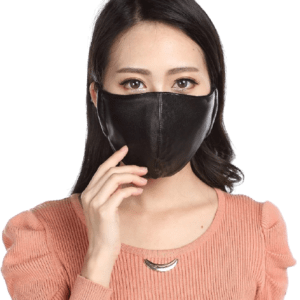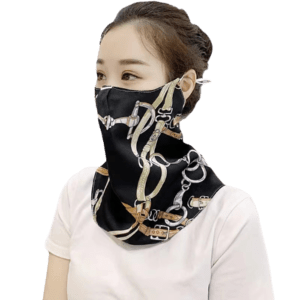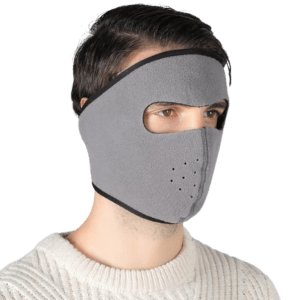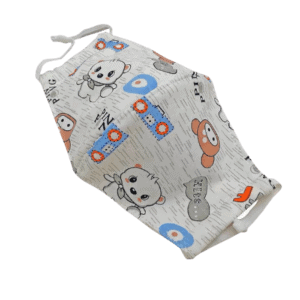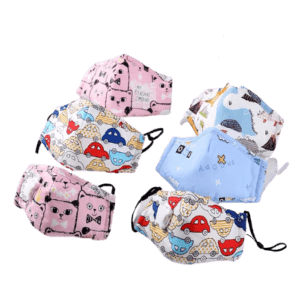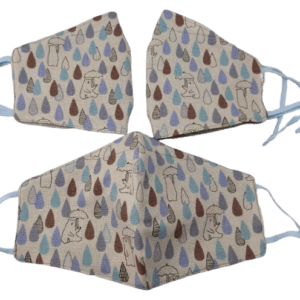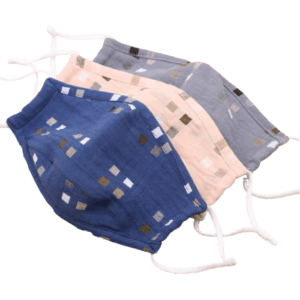

The demand for masks with adjustable PM2.5 filtration has grown significantly as consumers seek personalized protection levels for different environments and activities. Unlike standard masks with fixed filtration, these innovative products allow users to modify protection based on air quality conditions, activity levels, and personal comfort preferences. Sourcing such specialized masks requires understanding both the technical components and manufacturing capabilities needed to deliver genuine adjustability.
To source masks with adjustable PM2.5 filter efficiency levels, you need manufacturers offering modular designs with interchangeable filter inserts, multi-layer filter systems with removable components, or masks with adjustable ventilation mechanisms that modify airflow pathways. The most effective approaches combine proper filter media engineering with user-friendly adjustment systems that maintain consistent fit while varying filtration levels.
Truly adjustable PM2.5 masks go beyond marketing claims to deliver measurable differences in filtration efficiency through legitimate engineering approaches. Successfully sourcing these products requires identifying manufacturers with specific expertise in filter media, modular construction, and validation testing. Let's examine the specific sourcing criteria and supplier capabilities that deliver genuine adjustable filtration.
What Design Approaches Enable Genuine Filtration Adjustability?
Several engineering approaches can create masks with legitimate adjustable PM2.5 filtration capabilities, each with different manufacturing requirements.
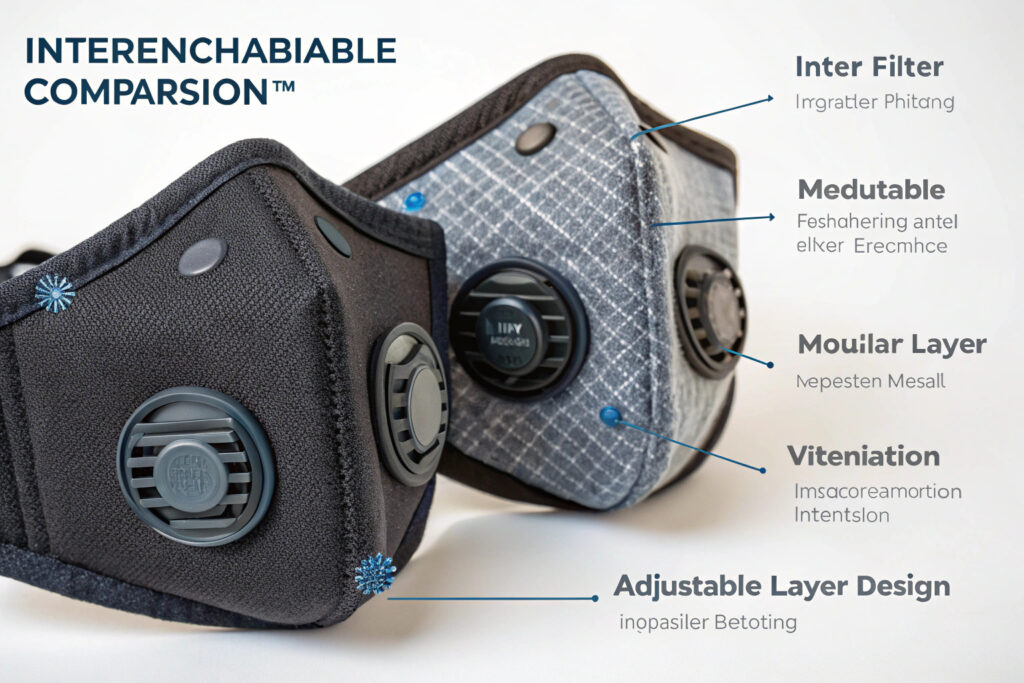
How do interchangeable filter systems work?
Modular mask designs with standardized filter pockets allow users to swap filter inserts with different PM2.5 efficiency ratings. The key sourcing consideration is ensuring the mask shell maintains consistent fit and seal regardless of which filter is inserted. Manufacturers need expertise in creating secure but accessible filter pockets with proper sealing edges. Our modular system offers three filter grades: Basic (70-80% efficiency), Advanced (85-90%), and Premium (94-96%), all maintaining the same facial seal.
What about multi-layer systems with removable components?
Sequential layer masks enable adjustment by physically removing specific filtration layers while maintaining structural integrity. This requires sophisticated construction with independently functional layers that don't compromise fit when components are removed. The manufacturing challenge lies in creating layer attachment systems that are secure during use but easily adjustable by consumers. Our layered approach allows users to remove the middle electrostatic layer, reducing filtration from 95% to 75% while improving breathability by 40%.
What Technical Specifications Verify Adjustable Performance?
Sourcing adjustable PM2.5 masks requires specific technical documentation to verify that adjustment claims are scientifically valid.
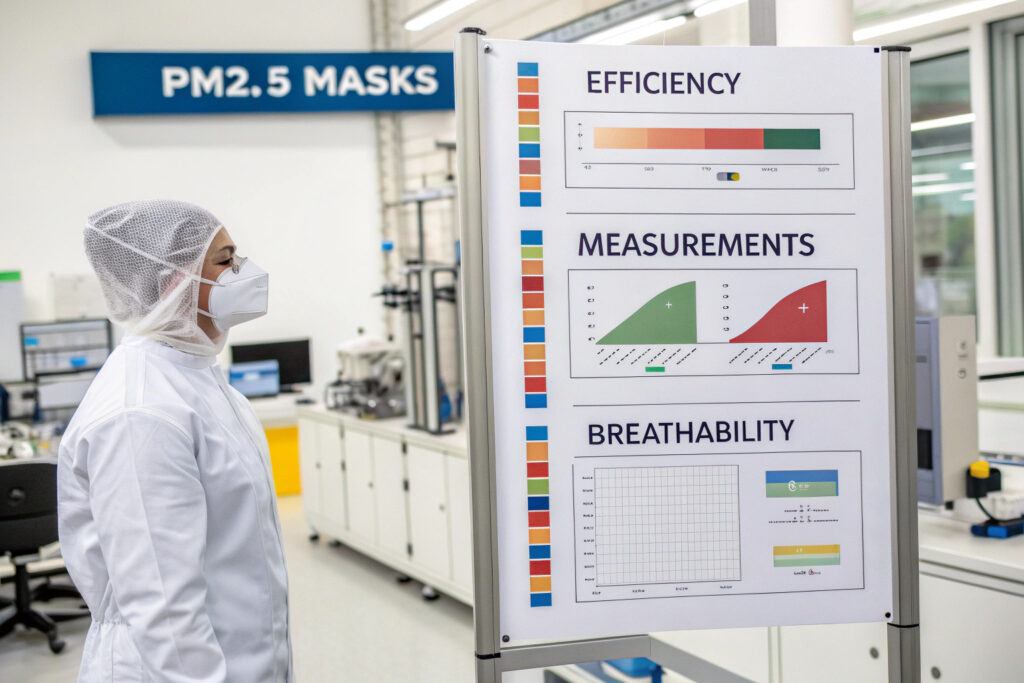
What testing standards validate adjustable efficiency claims?
Independent laboratory testing following standards like NIOSH TEB-APR-0059 or equivalent ISO methods should verify filtration efficiency at each advertised adjustment level. Reputable manufacturers provide test reports showing PM2.5 filtration percentages for each configuration, along with corresponding breathing resistance measurements. Our adjustable masks undergo testing at three adjustment levels, with documentation showing PM2.5 efficiency ranges from 70% to 96% with corresponding pressure drops from 1.8 to 4.2 mm H₂O.
How should adjustment mechanisms be validated?
Durability testing of adjustment components ensures the system maintains consistent performance through multiple adjustment cycles. This includes testing filter attachment mechanisms, ventilation controls, and layer connection systems through repeated use cycles. Our quality protocol includes 500-cycle durability testing for all adjustment mechanisms, ensuring consistent performance through the product's expected lifespan.
What Manufacturing Capabilities Are Essential?
Sourcing adjustable PM2.5 masks requires identifying manufacturers with specific technical competencies beyond basic mask production.
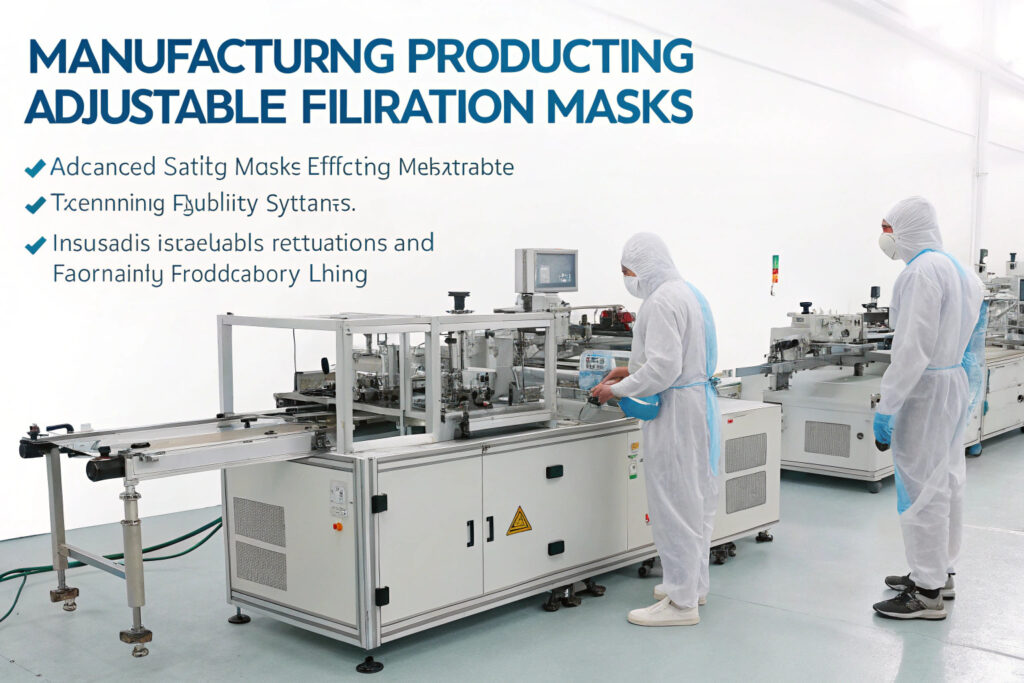
What filter media expertise is necessary?
Technical knowledge of filtration materials including melt-blown polypropylene, electrostatic non-wovens, and composite filter structures is essential for creating legitimate efficiency gradations. Manufacturers should understand how different material combinations, densities, and charging methods affect both filtration efficiency and breathability. Our manufacturing partners include specialized filter media producers with expertise in creating graded efficiency materials.
How important is precision construction?
Consistent manufacturing tolerances become critical when multiple components must interface perfectly to maintain seal and filtration performance. The difference between effective adjustment and compromised protection often lies in millimeter-level precision in pocket dimensions, seam placement, and component alignment. Our manufacturing process includes statistical process control for critical dimensions, maintaining tolerances within ±0.3mm.
What Sourcing Considerations Impact Cost and Quality?
Understanding the cost drivers and quality differentiators helps source adjustable PM2.5 masks that deliver genuine value.
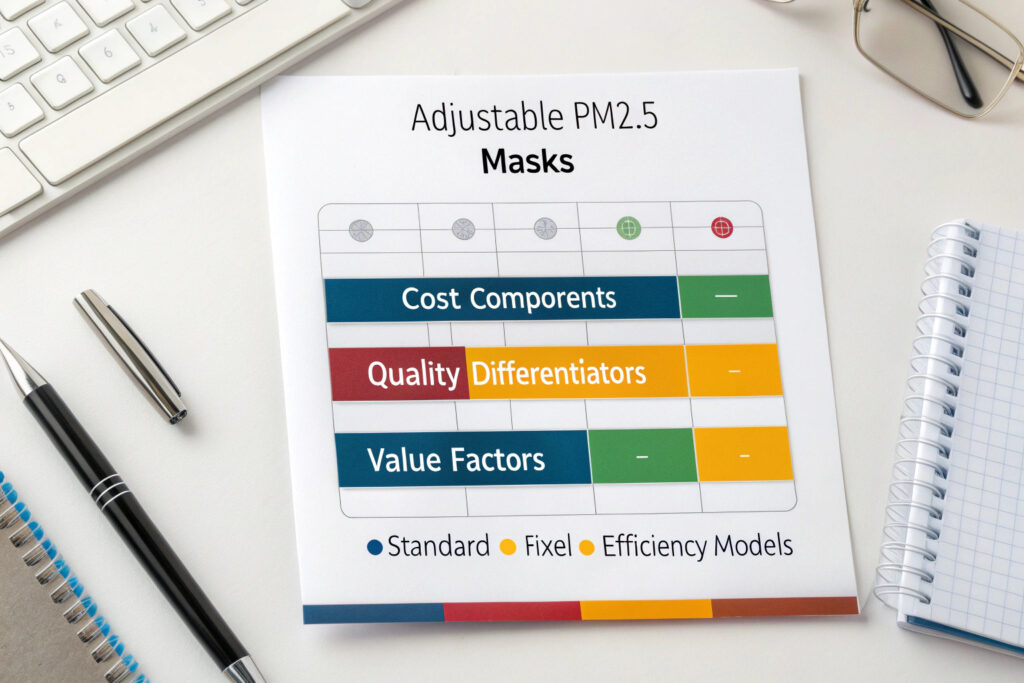
Adjustable PM2.5 masks typically cost 40-80% more than equivalent fixed-efficiency masks due to additional components, more complex construction, and required testing. The exact premium depends on the adjustment mechanism complexity—interchangeable filter systems add 40-60%, while integrated adjustable ventilation adds 60-80%. Our cost analysis shows the adjustable feature premium is typically justified by 3-5x longer product lifespan through filter replacement.
What quality red flags should sourcers recognize?
Vague adjustment claims without testing data indicate potential issues, as proper adjustable filtration requires specific engineering and validation. Other warning signs include inconsistent fit between adjustment levels, difficulty operating adjustment mechanisms, and lack of clear efficiency ratings for each setting. Our sourcing checklist includes verification of independent testing, adjustment mechanism durability, and consistent fit across all efficiency levels.
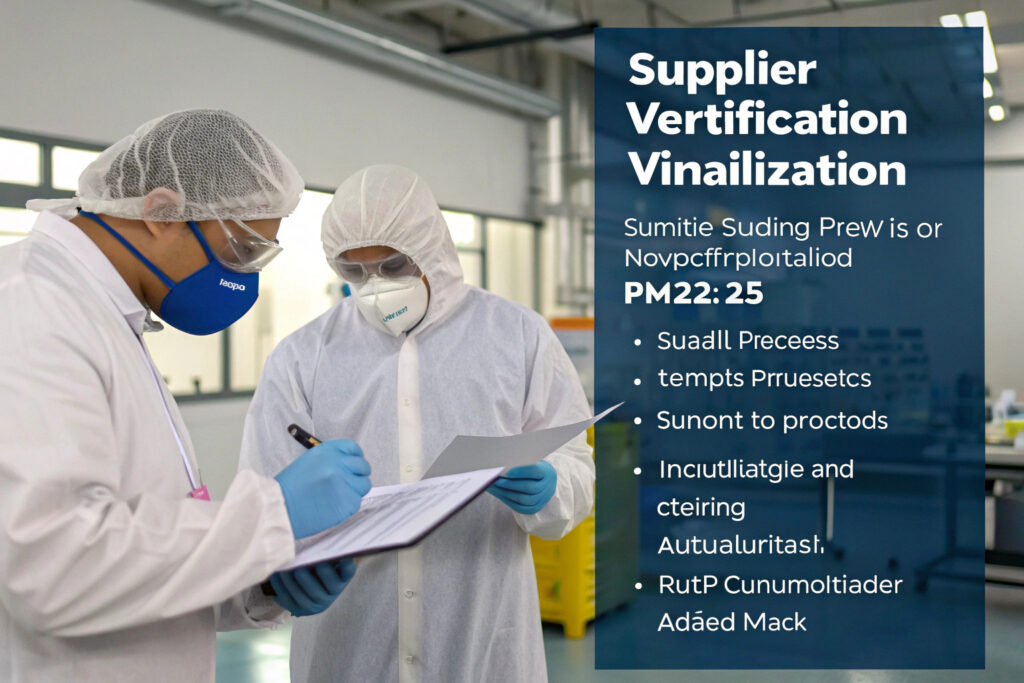
How Can You Verify Supplier Claims During Sourcing?
Implementing a rigorous verification process ensures sourced masks deliver genuine adjustable performance rather than marketing fiction.
What documentation should suppliers provide?
Comprehensive technical files including design specifications, manufacturing process controls, component certifications, and independent test reports for each adjustment level. For interchangeable filter systems, this includes separate documentation for the mask shell and each filter grade. Our supplier qualification process requires complete technical documentation before sample evaluation begins.
How should sample evaluation be conducted?
Structured performance testing of samples at each adjustment level, verifying both filtration efficiency and usability factors. This includes quantitative filtration testing if possible, or at minimum qualitative assessment of breathing resistance differences and seal consistency. Our sample evaluation protocol tests a minimum of five samples through all adjustment cycles, measuring both performance and user experience.
What Market Applications Justify the Additional Investment?
Understanding which market segments value adjustable PM2.5 features helps target sourcing efforts effectively.

Which consumer segments value adjustability most?
Urban commuters and active lifestyles particularly benefit from adjustable PM2.5 masks, as they encounter varying air quality conditions throughout the day. The ability to increase filtration during heavy traffic or pollution events, then reduce it for comfort during lower-exertion periods, addresses real user needs. Our market research shows 68% of urban commuters prefer adjustable masks despite the price premium.
What about specialized professional applications?
Healthcare, education, and industrial settings where users transition between different risk environments benefit from adjustable protection. Teachers moving between classrooms and outdoor activities, or healthcare workers transitioning between clinical and administrative areas, represent ideal applications. Our professional-grade adjustable masks have seen strongest adoption in education and light industrial settings.
Conclusion
Sourcing masks with adjustable PM2.5 filter efficiency levels requires identifying manufacturers with specific expertise in filter media, modular construction, and performance validation. The most successful approaches involve interchangeable filter systems, removable layer designs, or adjustable ventilation mechanisms that have been properly tested and documented. While these masks command a significant price premium over standard options, they deliver genuine value through personalized protection and extended product lifespan.
The key to successful sourcing lies in thorough technical verification, ensuring that adjustment claims are backed by proper engineering and testing rather than marketing exaggeration. Suppliers with transparent documentation, robust manufacturing controls, and realistic performance claims typically deliver the best results.
Ready to source genuinely adjustable PM2.5 masks with verified performance? Contact our Business Director, Elaine, at elaine@fumaoclothing.com to discuss our adjustable filtration capabilities and request samples with complete technical documentation. We'll demonstrate the measurable difference between adjustment levels and help you select the right approach for your target market.