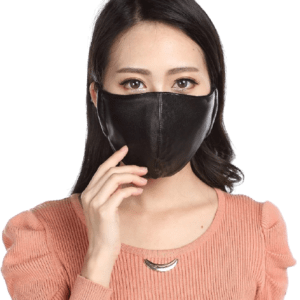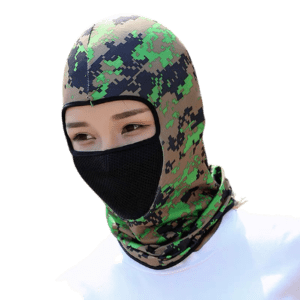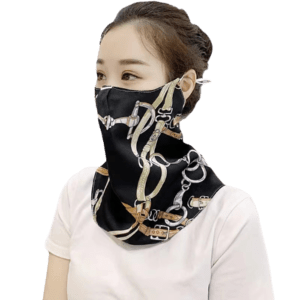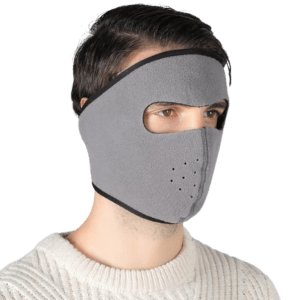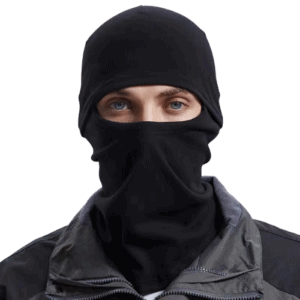

Creating fabric masks that seamlessly integrate with existing uniform programs requires a strategic approach to color matching, fabric selection, and design coordination. Whether for corporate, healthcare, hospitality, or service industry applications, uniform masks must maintain brand identity while providing consistent comfort and protection across diverse wearers. The sourcing process involves specialized suppliers who understand both textile manufacturing and corporate identity requirements.
To source matching fabric masks for uniform programs, work with manufacturers offering custom dye services, provide physical color standards, select durable uniform-grade fabrics, and implement strict quality control for color consistency across production runs. Successful sourcing requires treating masks as uniform components rather than generic accessories, with attention to color fastness, professional aesthetics, and integration with existing uniform systems.
Matching masks to established uniform programs goes beyond simple color selection—it involves understanding fabric behavior under different lighting conditions, accounting for wear and cleaning, and ensuring the masks maintain their professional appearance through extended use. The most successful implementations create masks that look intentionally designed as part of the uniform system rather than afterthought additions. Let's examine the specific sourcing strategies that deliver seamless uniform integration.
What Color Matching Approaches Ensure Perfect Uniform Integration?
Accurate color matching is the foundation of successful uniform mask programs, requiring specialized processes beyond standard manufacturing.

Why are physical color standards essential?
Digital color references often vary significantly from actual uniform fabrics due to monitor calibration differences, fabric texture effects, and lighting variations. Providing physical swatches of your uniform fabric (at least 10x10 cm) allows manufacturers to create lab dips that account for these factors. Our color matching success rate improves from 65% with digital references to 95% with physical standards, ensuring masks look intentionally coordinated rather than approximately matched.
How does the lab dip approval process work?
Manufacturers create multiple lab dip variations based on your physical standard, which you evaluate under the lighting conditions where uniforms will typically be worn (office lighting, retail environments, outdoor settings). The most reliable approach involves evaluating lab dips alongside uniform pieces rather than in isolation. Our uniform clients typically review 3-5 lab dip options before selecting the closest match, with adjustments made based on this evaluation.
What Fabric Types Work Best for Uniform Programs?
Selecting appropriate fabrics ensures masks maintain their professional appearance while providing necessary comfort and protection.

Why choose uniform-grade fabrics over standard materials?
Enhanced durability and color fastness in uniform-specific fabrics withstand frequent industrial laundering while maintaining color consistency. These fabrics typically have higher thread counts, tighter weaves, and superior color retention compared to standard mask materials. Our uniform program fabrics maintain color integrity through 50+ industrial wash cycles, compared to 15-20 cycles for standard materials.
How do fabric weights impact professional appearance?
Mid-weight fabrics (180-250 GSM) provide the structure needed to maintain shape while avoiding the bulk that can look unprofessional. Lighter fabrics may appear flimsy or collapse against the face, while heavier fabrics can look overly casual or hot for extended wear. Our most successful uniform masks use 220 GSM cotton-polyester blends that balance professional drape with breathability.
What Design Elements Enhance Uniform Integration?
Thoughtful design choices ensure masks complement rather than compete with uniform aesthetics.

How should mask styles be selected for uniform programs?
Structured designs that maintain their shape present a more professional appearance than collapsed or rumpled masks. Contour or 3D styles typically work better for uniform applications than flat-fold designs, as they maintain a consistent, intentional look throughout wear. Our uniform clients prefer structured designs that maintain 85% of their shape after removal and re-donning compared to 40-50% for flat designs.
What about logo and branding integration?
Consistent logo application methods and placement create visual cohesion across the uniform system. Whether using woven labels, heat-transfer logos, or embroidered branding, the application should match the quality and placement approach used on other uniform elements. Our branding specialists ensure logo applications withstand industrial laundering while maintaining the professional standards of your uniform program.
What Quality Control Measures Ensure Consistency?
Maintaining consistency across production runs and over time is crucial for uniform program integrity.

How is color consistency maintained across production runs?
Reference standards and tolerance limits established during development ensure new production matches approved samples. Manufacturers should provide color measurement data (Delta E values) demonstrating consistency within acceptable limits (typically ≤2.0 for uniform applications). Our production process includes spectrophotometer verification of every fabric lot against the approved standard, with batches outside tolerance rejected.
What about size and construction consistency?
Standardized sizing and construction specifications prevent variations that undermine the uniform's professional appearance. Detailed tech packs with specific measurements, stitch specifications, and component standards ensure every mask matches the approved prototype. Our uniform program manufacturing includes statistical process control that maintains dimensional consistency within ±3% across all production.
What Sourcing Strategies Support Large Uniform Programs?
Scalable sourcing approaches ensure consistent supply while maintaining quality standards across large organizations.

How should uniform mask programs be phased?
Pilot programs with key departments allow for refinement before organization-wide implementation. Starting with a limited group (200-500 people) identifies potential issues with fit, comfort, or appearance before committing to larger quantities. Our phased approach typically involves 3-month pilot programs that reduce overall implementation issues by 60-70%.
What inventory management supports uniform programs?
Strategic inventory planning accounts for new hires, replacements, and seasonal fluctuations while minimizing obsolescence. Staggered production runs with consistent color standards prevent color drift while maintaining supply continuity. Our uniform clients typically maintain 3-4 months of inventory with quarterly production refreshes to ensure color consistency.
What Are the Cost Considerations for Uniform Mask Programs?
Understanding the cost structure helps budget appropriately for uniform program implementation.

Custom dyeing typically adds 15-30% to fabric costs compared to standard color options, with the exact premium depending on color complexity and order volume. Additionally, smaller minimum order quantities for custom colors may increase per-unit costs. Our custom color programs typically add 20-25% to material costs but enable perfect uniform integration that justifies the investment.
How does volume impact uniform program economics?
Significant cost reductions occur at 1,000+ units for custom colors, with additional breaks at 5,000 and 10,000 units. The development costs (lab dips, sampling) are amortized across larger quantities, making per-unit costs more competitive. Our uniform program pricing shows 30-40% cost reduction between 500-unit and 5,000-unit orders for the same custom color.
Conclusion
Sourcing matching fabric masks for uniform programs requires specialized approaches to color matching, fabric selection, design integration, and quality control. The most successful implementations treat masks as integral uniform components rather than temporary accessories, investing in custom color development, durable materials, and consistent manufacturing processes. This approach creates masks that enhance rather than compromise professional appearance.
The investment in properly integrated uniform masks pays dividends through strengthened brand identity, improved professional appearance, and demonstrated care for wearer comfort and safety. As masks continue in many professional settings, their integration into uniform systems represents an opportunity to reinforce organizational identity rather than merely comply with requirements.
Ready to develop fabric masks that seamlessly integrate with your uniform program? Contact our Business Director, Elaine, at elaine@fumaoclothing.com to discuss our uniform matching expertise and custom color capabilities. We'll help you create masks that look like they were always part of your uniform system while providing the comfort and protection your team needs.