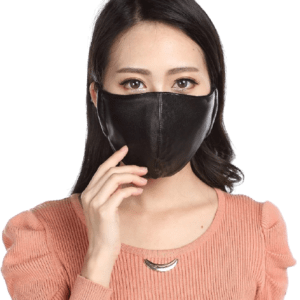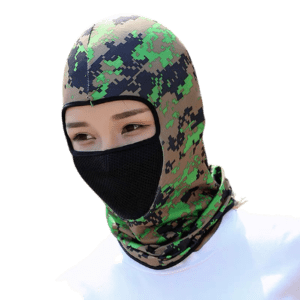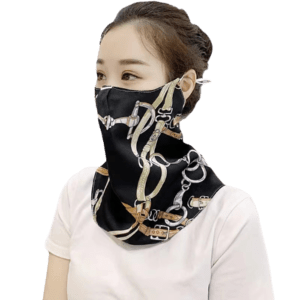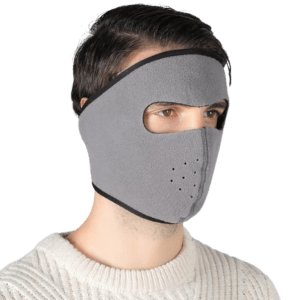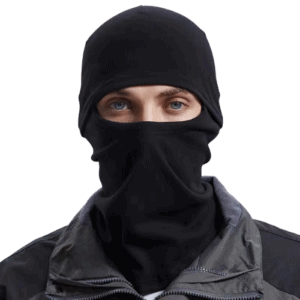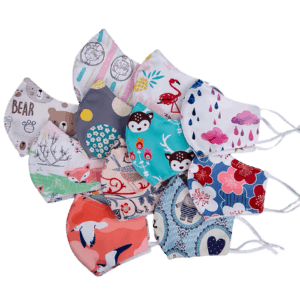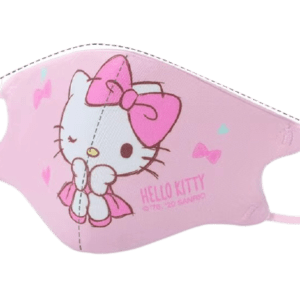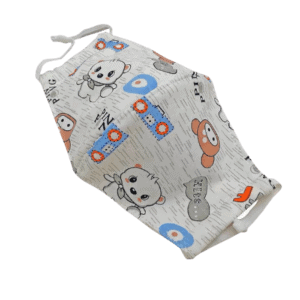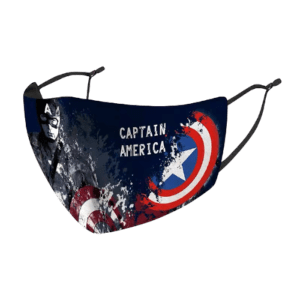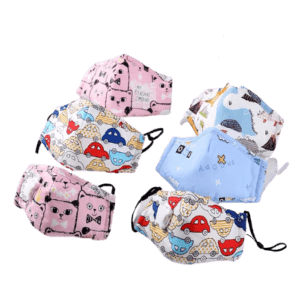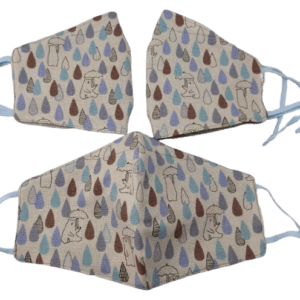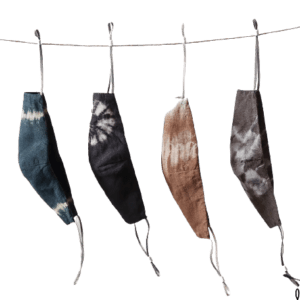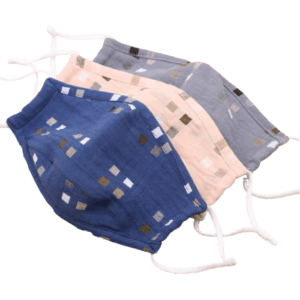

Sourcing OEM fabric masks that seamlessly integrate with your existing filter system requires precise specifications, clear communication with manufacturers, and thorough compatibility testing. Many brands face challenges when transitioning to OEM production for filter-compatible masks, encountering issues with fit variance, filter retention, and inconsistent performance across production runs. A systematic approach ensures your OEM masks maintain the protective qualities and user experience of your original designs while leveraging manufacturing efficiencies.
To source OEM fabric masks compatible with your existing filters, provide manufacturers with precise filter dimensions, detailed technical specifications, comprehensive performance requirements, and physical samples for reverse engineering and fit validation. The most successful sourcing strategies combine detailed documentation with collaborative development processes to create OEM masks that function identically to your original products while offering cost and scale advantages.
Compatibility extends beyond simple dimensional fit to include airflow characteristics, sealing effectiveness, and user experience factors like ease of filter insertion/removal. The OEM transition represents an opportunity to refine your design while maintaining the core functionality that makes your mask system effective. Let's examine the specific steps and considerations for successful OEM sourcing of filter-compatible fabric masks.
What Technical Specifications Ensure Filter Compatibility?
Precise technical documentation forms the foundation for sourcing OEM masks that work seamlessly with your filters.

What dimensional specifications are most critical?
Filter pocket internal dimensions must maintain tight tolerances (typically ±1-2mm) to ensure filters lay flat without excessive movement while remaining easy to insert and remove. The opening mechanism—whether top-loading, side-access, or rear-insertion—requires precise specification of opening size, reinforcement requirements, and closure method. Our technical packages include 3D scans of filters and original masks to ensure dimensional accuracy in OEM production.
How do you specify filter retention and sealing?
Retention mechanism specifications must detail whether the design uses friction fit, magnetic closure, hook-and-loop fasteners, or snap systems to secure filters. The compression required to maintain seal without impeding airflow should be specified in measurable terms. Our compatibility testing measures the force required for filter insertion/removal and verifies consistent seal through movement simulation.
What Performance Requirements Maintain System Effectiveness?
Beyond physical compatibility, performance characteristics must match or exceed your original mask design.

How do you ensure consistent airflow characteristics?
Airflow resistance testing ensures the OEM mask maintains similar breathing characteristics to your original design when used with your filters. This involves measuring pressure differential with and without filters installed across expected breathing rates. Our performance specification includes required pressure differential ranges at 15 L/min and 30 L/min flow rates to ensure consistent user experience.
What about filtration efficiency validation?
System-level filtration testing verifies that the combination of OEM mask and your filters achieves the expected protection level. This testing should account for potential seal variations and filter movement within the pocket. Our validation process includes particle filtration efficiency testing on complete systems from multiple production batches to ensure consistency.
What Manufacturing Considerations Impact Compatibility?
Production methods and quality control processes significantly influence how well OEM masks work with existing filters.

How do sewing and construction tolerances affect fit?
Stitch density and seam allowance must be controlled to prevent pocket distortion that could affect filter fit or create gaps. Manufacturers need clear specifications for seam types, thread tension, and reinforcement requirements at stress points. Our manufacturing guidelines specify exact stitch counts per centimeter and seam reinforcement protocols for filter pocket construction.
What quality control measures ensure consistency?
In-process dimensional verification should occur at multiple production stages, particularly after pocket construction and during final assembly. Go/no-go gauge systems using actual filters can quickly verify pocket dimensions on the production line. Our quality protocol includes 100% pocket dimension verification using certified gauge filters from each production run.
How Can You Verify Compatibility Before Full Production?
Thorough validation processes prevent costly compatibility issues in full-scale production.

What sampling process ensures compatibility?
Comprehensive pre-production samples should be evaluated using your actual filters across the full size range and production variations. The sampling process must include enough units to assess consistency and identify any production variances that could affect compatibility. Our sampling protocol typically involves 3 sampling stages with 50-100 units at each stage to thoroughly validate compatibility.
How do you test real-world performance?
Wear testing with your filters under actual use conditions identifies issues not apparent in laboratory settings. This includes testing filter insertion/removal over multiple cycles, assessing seal maintenance during movement, and verifying comfort during extended wear. Our compatibility validation includes 72-hour wear tests with your filters to identify any real-world compatibility issues.
What Documentation Should You Provide Manufacturers?
Clear, comprehensive documentation prevents misunderstandings and ensures manufacturing accuracy.

What should the technical package include?
Complete technical documentation must include 3D drawings of your filters, detailed mask specifications with tolerance ranges, material performance requirements, and assembly instructions. Digital files in standardized formats (DXF, PDF) ensure manufacturing accuracy. Our technical packages typically exceed 50 pages, covering every aspect that could affect filter compatibility.
How do you communicate quality expectations?
Quality requirement documents should specify inspection methods, acceptance criteria, and testing protocols specific to filter compatibility. This includes dimensional verification methods, performance testing requirements, and packaging specifications. Our quality documents include photographic standards showing proper and improper filter fit to eliminate interpretation variances.
What Are the Cost and Timeline Considerations?
Understanding the additional requirements and timelines for compatible OEM production helps with planning.

How does compatibility affect development timeline?
Additional validation stages typically extend the OEM development timeline by 3-5 weeks compared to standard mask production. This includes filter compatibility testing, system performance validation, and multiple sampling iterations. Our typical development timeline for filter-compatible OEM masks is 10-12 weeks versus 6-8 weeks for standard masks.
What cost factors are unique to compatible designs?
Enhanced tooling and sampling requirements for precise filter pockets typically add 15-25% to development costs. Additionally, tighter tolerances may reduce production efficiency, increasing manufacturing costs by 8-15% compared to standard masks. However, these costs are often offset by the ability to leverage your existing filter inventory and maintain brand consistency.
Conclusion
Sourcing OEM fabric masks compatible with your existing filters requires a meticulous approach combining precise technical specifications, thorough validation processes, and clear manufacturer communication. The most successful implementations treat compatibility as a system-level requirement rather than just a dimensional fit, ensuring the complete user experience and protective qualities are maintained throughout the transition to OEM production.
The investment in proper compatibility engineering pays dividends through seamless integration with your existing ecosystem, maintained customer satisfaction, and the manufacturing efficiencies of OEM production. By following a systematic approach to documentation, validation, and quality control, you can successfully transition to OEM production while preserving the performance characteristics that make your mask system effective.
Ready to source OEM fabric masks that maintain perfect compatibility with your existing filters? Contact our Business Director, Elaine, at elaine@fumaoclothing.com to discuss our compatibility engineering approach and OEM manufacturing capabilities. We'll help you navigate the technical requirements to create OEM masks that work seamlessly with your filter system while delivering manufacturing efficiencies.