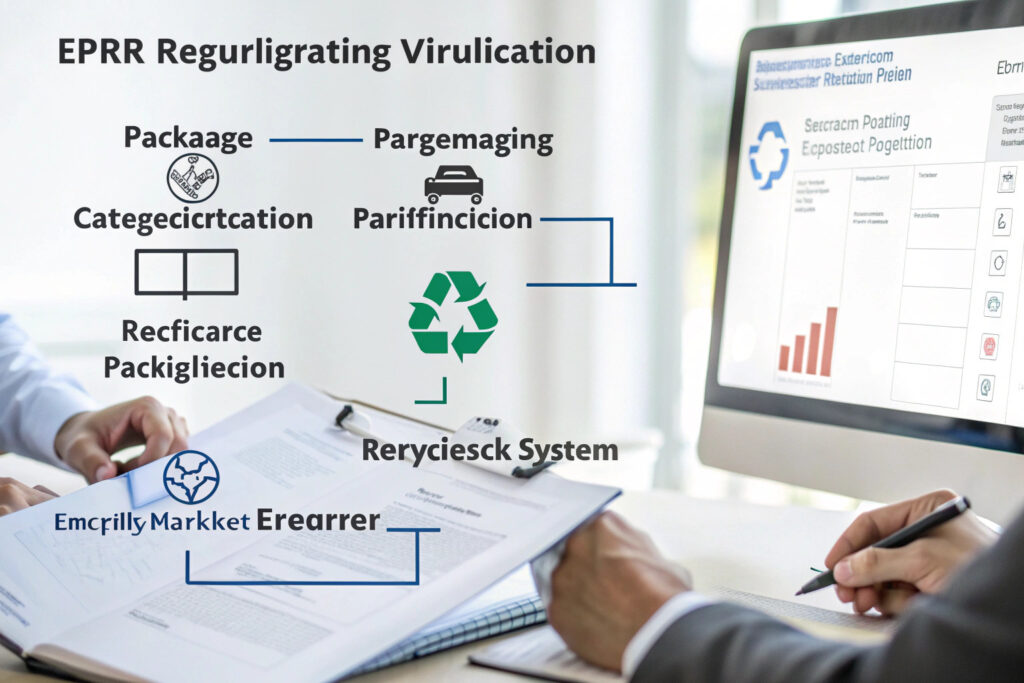
Germany's Extended Producer Responsibility (EPR) regulations for packaging represent one of Europe's most comprehensive and strictly enforced environmental compliance frameworks. For fabric mask importers and manufacturers, navigating these requirements is mandatory for market access and involves specific registration, reporting, and financial obligations that many international businesses find challenging. Understanding and properly implementing these regulations prevents significant penalties, sales bans, and reputational damage.
To navigate EPR regulations for mask packaging in Germany, you must register with the Zentrale Stelle Verpackungen (ZSVR), participate in a dual system for packaging recycling, report packaging volumes accurately, comply with specific labeling requirements, and fulfill financial obligations for packaging waste management. This process applies to both shipping packaging and primary sales packaging containing fabric masks.
Germany's packaging laws have evolved significantly with the 2019 Verpackungsgesetz (Packaging Act), creating a rigorous framework that holds producers responsible for the entire lifecycle of their packaging. The system is designed to encourage packaging minimization, promote recycling, and shift waste management costs from municipalities to producers. Let's examine the specific steps and considerations for fabric mask businesses complying with these regulations.
What Are the Key Registration and Reporting Requirements?
The foundation of EPR compliance begins with proper registration and systematic reporting to German authorities.
How does the ZSVR registration process work?
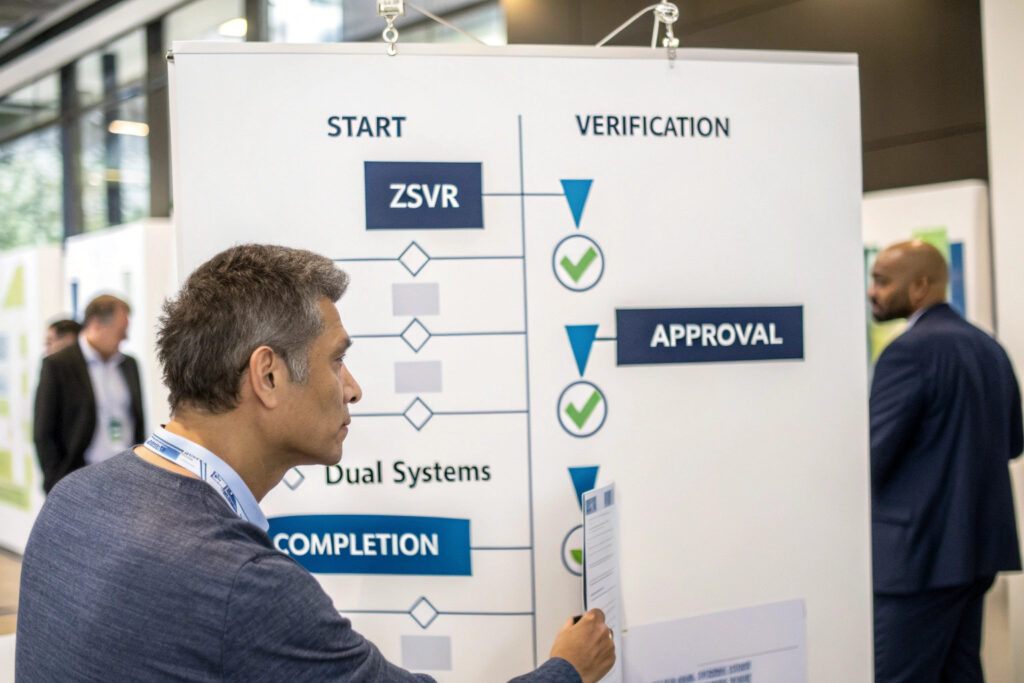
All companies placing packaging on the German market must register with the Zentrale Stelle Verpackungen (ZSVR) before selling any products. This includes obtaining a unique LUCID number that identifies your company in the system. The registration requires detailed company information and an initial declaration of anticipated packaging volumes. Our compliance team typically completes this registration for clients within 5-7 business days, ensuring no market entry delays.
What packaging data must be reported annually?
Companies must report detailed packaging volume data categorized by material type (paper, plastic, glass, etc.) to both the ZSVR and their chosen dual system. This includes both primary packaging (immediately containing the masks) and secondary shipping packaging. The reporting deadlines are strict—typically by May 15th for the previous calendar year—with penalties for late or inaccurate reporting. Our tracking system automatically generates compliant reports based on actual sales data.
How Does the Dual System Participation Work?
The dual system represents the operational mechanism through which EPR obligations are fulfilled financially and logistically.
What are dual systems and how do they function?
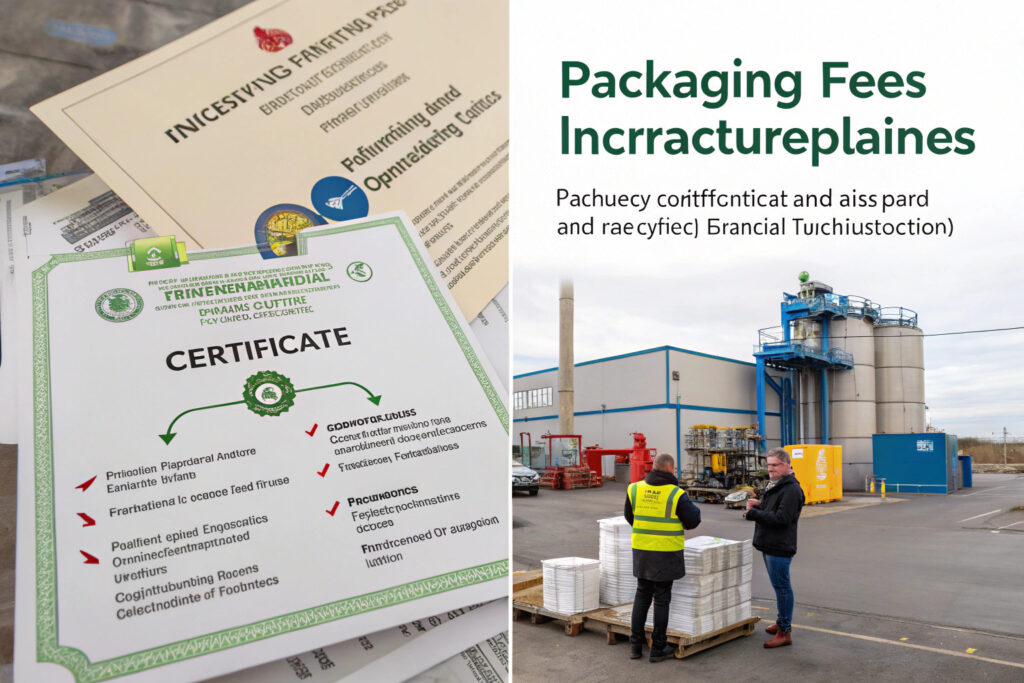
Dual systems are private organizations licensed to organize packaging collection and recycling on behalf of producers. When you join a system like Der Grüne Punkt, Interseroh, or Landbell, you pay fees based on your packaging materials and volumes, which fund the recycling infrastructure. Each system provides a participation certificate that proves your compliance to authorities and marketplaces. We typically recommend systems based on client-specific packaging profiles and cost structures.
How are packaging fees calculated?
Fees are based on material type, weight, and recyclability of your packaging. For fabric masks, typical packaging might include cardboard boxes (paper), polybags (plastic), and possibly other materials. The fee structure incentivizes eco-friendly packaging—recycled materials typically cost 20-30% less to license than virgin materials. Our packaging optimization service has helped clients reduce their dual system costs by 35-45% through strategic material selection.
What Packaging Design Considerations Support Compliance?
Packaging design decisions significantly impact both compliance costs and environmental performance.
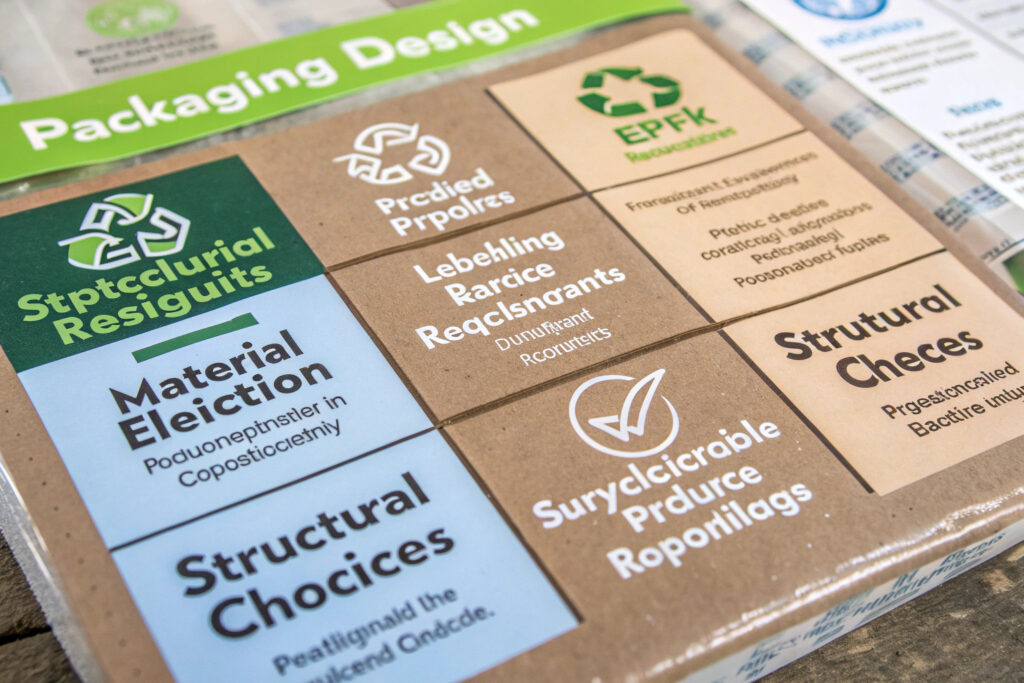
How can packaging minimization reduce EPR costs?
Right-sized packaging that uses the minimum material necessary reduces both dual system fees and environmental impact. Each gram of packaging material saved translates to lower reporting volumes and fees. Our design approach has helped clients reduce packaging weight by 25-40% while maintaining product protection, resulting in proportional EPR cost savings.
What labeling requirements must be considered?
While not strictly part of EPR, proper recycling identification and material codes help consumers dispose of packaging correctly. The German Green Dot symbol (though no longer mandatory) is widely recognized, while material identification codes (e.g., PET, PP) aid sorting. Our compliance packaging includes all necessary identifiers while maintaining clean brand presentation.
What Are the Consequences of Non-Compliance?
Understanding the risks of non-compliance helps prioritize the necessary investments in proper EPR management.
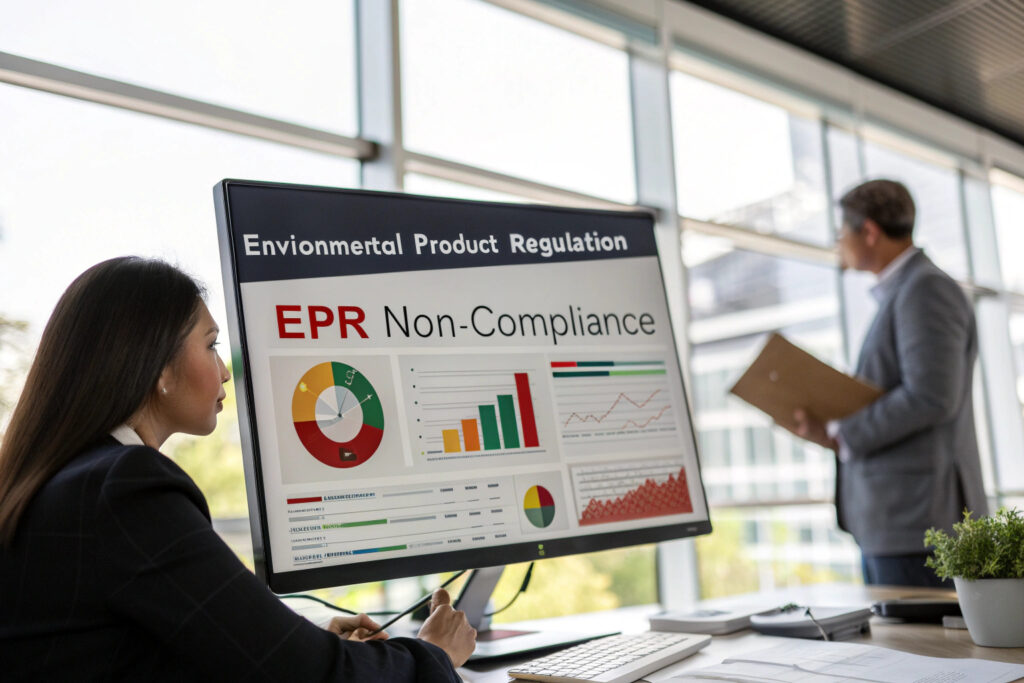
What financial penalties might apply?
Substantial fines up to €200,000 can be imposed for failure to register, inaccurate reporting, or non-participation in a dual system. Additionally, sales revenue generated while non-compliant may be subject to disgorgement. The German authorities actively monitor compliance and have significantly increased enforcement actions in recent years. Our compliance monitoring prevents these risks through proactive management.
How does non-compliance affect market access?
Sales bans and distribution stoppages can be enforced against non-compliant products, including removal from online marketplaces and physical retail. Major platforms like Amazon Germany actively verify EPR compliance and will suspend listings for non-compliant sellers. Our clients maintain uninterrupted market access through continuous compliance monitoring.
What Practical Steps Ensure Ongoing Compliance?
Maintaining compliance requires systematic processes rather than one-time actions.

How should packaging data be tracked throughout the year?
Real-time packaging inventory management allows for accurate reporting and cost control. This involves tracking packaging materials by type and weight as they enter your supply chain, then correlating these with sales volumes. Our integrated system provides clients with dashboards showing their current packaging obligations and projected costs.
What about contractual arrangements with partners?
Clear responsibility allocation in contracts with manufacturers, distributors, and fulfillment partners prevents compliance gaps. If using a fulfillment service in Germany, ensure the contract specifies who handles EPR obligations—typically the brand owner remains responsible. Our template agreements clearly define EPR responsibilities to prevent unexpected liabilities.
How Can EPR Compliance Create Competitive Advantage?
Beyond mere compliance, strategic EPR management can deliver business benefits.
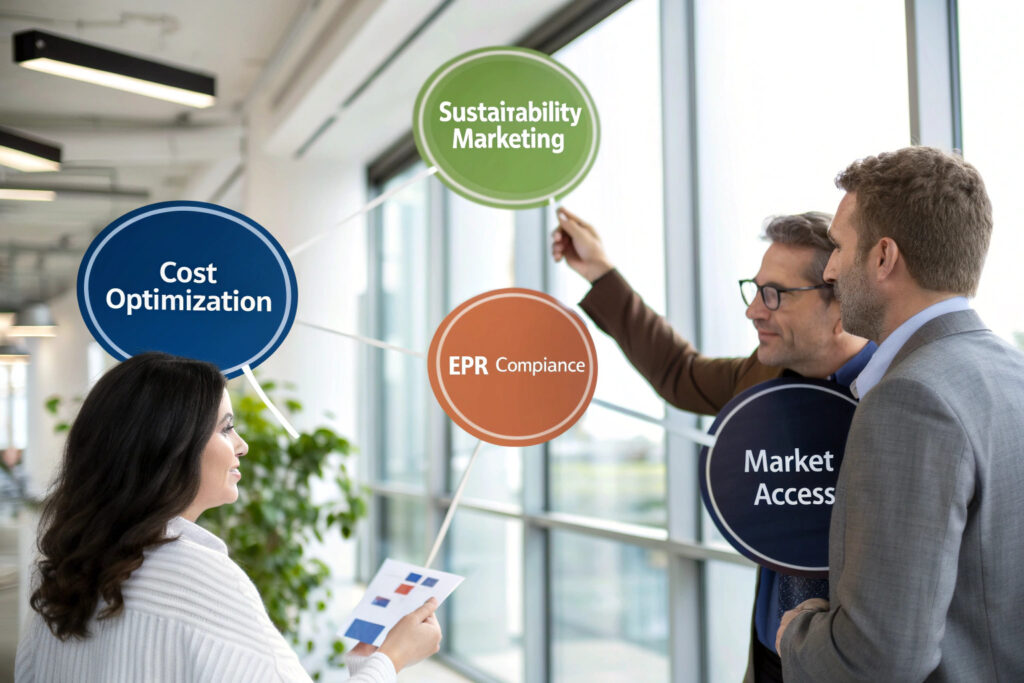
How does EPR support sustainability positioning?
Transparent environmental reporting based on EPR data provides credible sustainability metrics that resonate with German consumers. Brands can communicate their specific contributions to recycling systems and packaging reduction efforts. Our clients use their EPR compliance as part of broader sustainability narratives that justify premium positioning.
What cost optimization opportunities exist?
Packaging redesign informed by EPR costs often reveals savings opportunities beyond just license fees. Lightweighting, material substitution, and improved logistics efficiency can compound savings. Our analysis typically identifies 15-25% total packaging cost reduction while maintaining or improving compliance status.
Conclusion
Navigating EPR regulations for mask packaging in Germany requires a systematic approach encompassing registration with ZSVR, participation in a dual system, accurate packaging reporting, and strategic packaging design. While the framework seems complex initially, it becomes manageable with proper systems and expertise. The investment in compliance not only prevents penalties and market access issues but can also create competitive advantages through cost optimization and enhanced sustainability positioning.
The most successful approaches treat EPR compliance as an integral part of business operations rather than a separate regulatory burden. By embedding compliance considerations into packaging design, supply chain management, and marketing strategies, companies can turn their EPR obligations into value-creating activities.
Ready to ensure full EPR compliance for your fabric mask packaging in Germany? Contact our Business Director, Elaine, at elaine@fumaoclothing.com to discuss our comprehensive EPR management services and packaging optimization expertise. We'll help you navigate these regulations efficiently while optimizing your packaging costs and environmental performance.