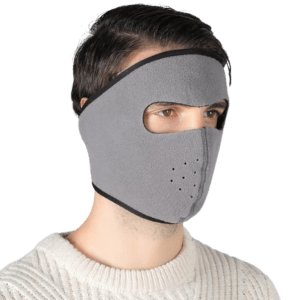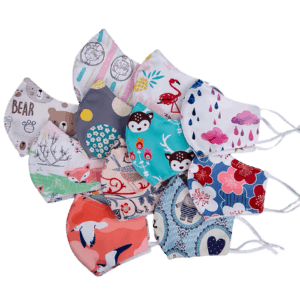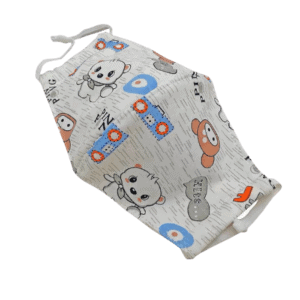
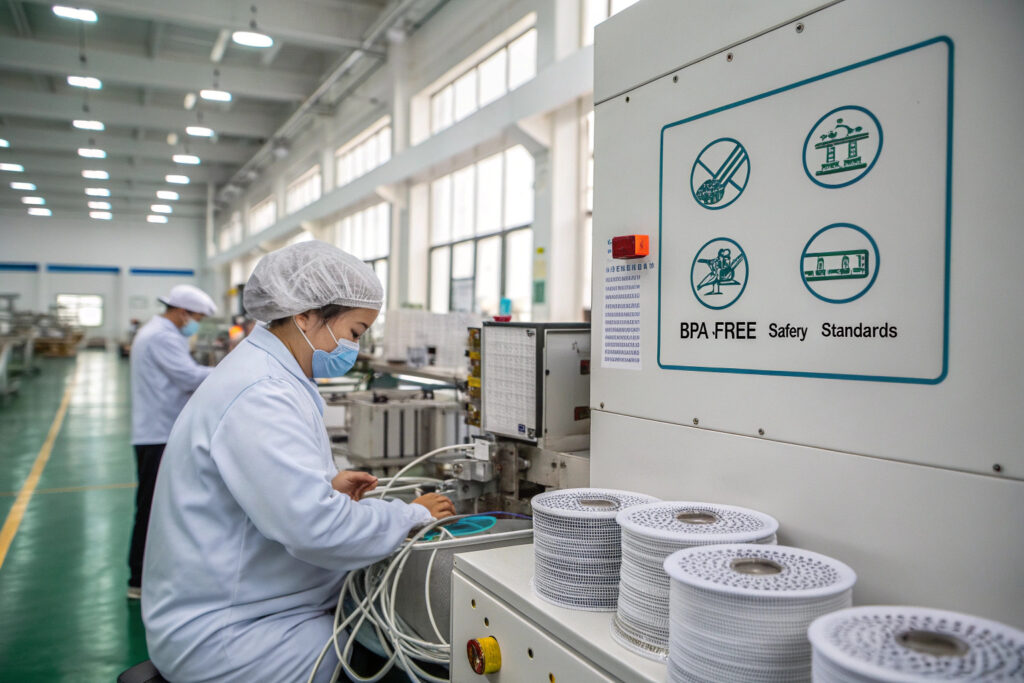
The nose wire represents a small but critical component in fabric masks, directly contacting the sensitive nasal area and creating potential exposure risks if made from harmful materials. Bisphenol-A (BPA) and other concerning chemicals in nose wires have become a significant concern for health-conscious consumers and regulatory bodies alike. Sourcing truly BPA-free nose wires requires moving beyond supplier assurances to implement rigorous verification processes.
To source BPA-free nose wires for safe cloth face masks, require third-party testing documentation, verify material composition certificates, establish clear material specifications in purchasing contracts, and conduct periodic independent testing of production samples. The most reliable approach involves partnering with specialized manufacturers who understand regulatory requirements and can provide transparent supply chain information.
The challenge in sourcing BPA-free nose wires lies in the complexity of plastic and metal manufacturing processes where BPA can be present as a hardening agent, coating component, or contaminant from production equipment. Success requires a multi-layered verification approach that addresses both intentional formulation and potential cross-contamination. Let's examine the specific steps to ensure your nose wires are genuinely BPA-free.
What Material Options Are Inherently BPA-Free?
Understanding which materials naturally avoid BPA concerns provides a foundation for safer sourcing decisions.
Why are certain metals reliably BPA-free?
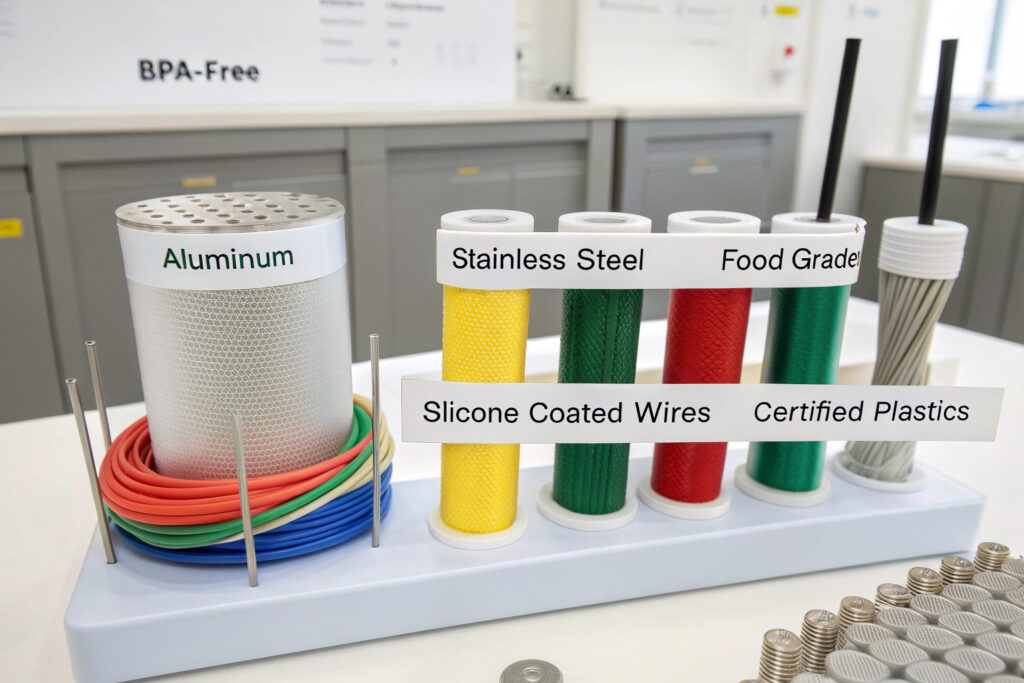
Aluminum and stainless steel nose wires are inherently free from BPA as they contain no plastic components in their composition. These metals typically feature a plastic coating (often polyethylene or polypropylene) for comfort and to prevent sharp edges, but the metal core itself presents no BPA risk. The key is verifying that any coatings used are also BPA-free. Our standard aluminum nose wires use food-grade polyethylene coating that is certified BPA-free through third-party testing.
What about fully plastic nose wire options?
Polyethylene (PE) and polypropylene (PP) are generally recognized as safe plastics that don't require BPA in their manufacturing. These materials offer flexibility and comfort while being naturally BPA-free. However, some manufacturers may add plasticizers or other additives that could contain BPA, making verification essential. Our plastic nose wires use virgin PE and PP materials with full material safety data sheets documenting their composition.
What Certification and Documentation Provide Assurance?
Proper documentation moves claims from marketing statements to verified safety assurances.
What specific testing standards should you require?
GC-MS (Gas Chromatography-Mass Spectrometry) testing following standardized methods like EPA 3540C or similar provides definitive detection of BPA at parts-per-million levels. Reputable suppliers should provide test reports from accredited laboratories demonstrating non-detection at appropriate sensitivity levels Our required testing includes migration testing that simulates sweat exposure to ensure no BPA leaching occurs during use.
How do material safety data sheets help?
Comprehensive MSDS documentation should specify all components in the nose wire, including coatings, inks, and any additives. The absence of BPA should be explicitly stated, not merely implied through omission. For plastic-coated wires, the documentation should cover both the metal core and coating materials. Our suppliers provide layered documentation covering each component separately and the finished assembly.
What Supplier Qualifications Indicate Reliability?
Certain manufacturer characteristics and certifications demonstrate serious commitment to product safety.
What manufacturing certifications matter most?
ISO 13485 certification for medical device manufacturing indicates robust quality systems that extend to material verification and contamination prevention. While nose wires themselves may not be medical devices, manufacturers with this certification typically maintain stricter material controls. Our primary nose wire supplier maintains ISO 13485 certification with specific procedures for preventing chemical contamination.
How does industry specialization help?
Suppliers specializing in safety-critical components for children's products, medical devices, or food contact applications typically have more sophisticated material control systems. These manufacturers understand regulatory requirements beyond basic compliance and often conduct more rigorous testing than general-purpose component suppliers. Our partners primarily supply to the medical and childcare industries, bringing that safety mindset to nose wire production.
What Verification Processes Should You Implement?
Beyond supplier documentation, implementing your own verification processes provides additional assurance.
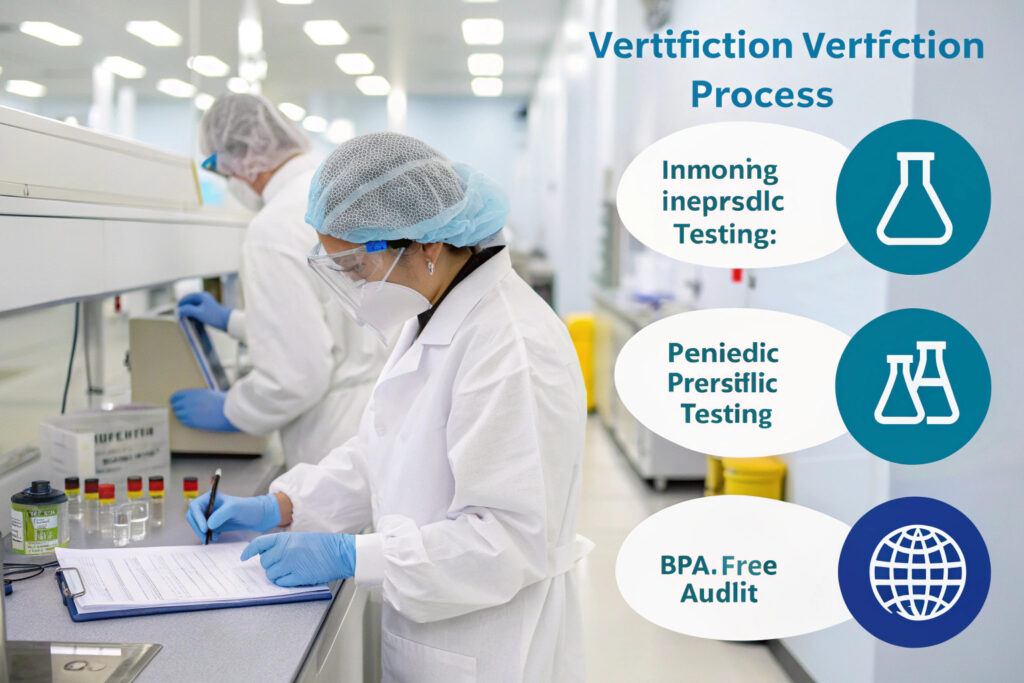
How should you handle incoming quality control?
Random sampling and testing of incoming nose wire shipments provides ongoing verification of continued compliance. While testing every shipment may be cost-prohibitive, a structured sampling plan based on shipment volume and supplier history creates reasonable assurance. Our quality system tests one sample from every production lot, with more comprehensive testing quarterly or when changes occur.
What about factory audits and assessments?
Periodic supplier audits that include review of material receiving procedures, production line controls, and testing protocols help verify that BPA-free claims reflect actual practices rather than just paperwork. The most valuable audits include observation of production processes and review of raw material purchasing records. Our annual supplier audits specifically include BPA prevention in their scope.
What Are the Cost Implications of BPA-Free Sourcing?
Understanding the cost structure of verified BPA-free nose wires helps in budgeting and decision-making.
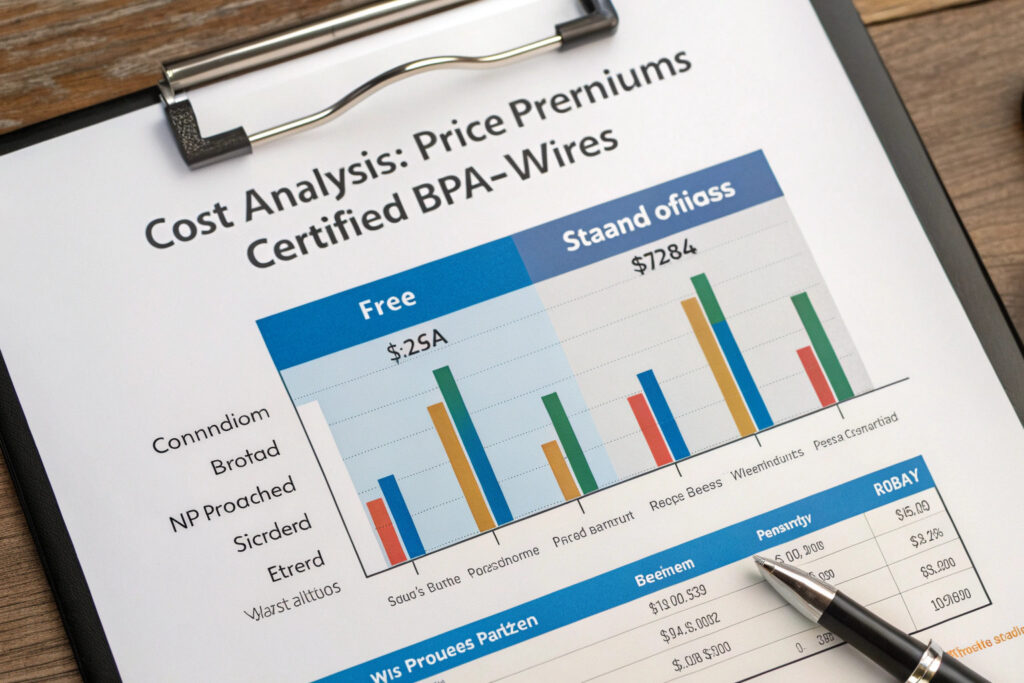
Third-party tested BPA-free nose wires typically cost 15-30% more than uncertified alternatives, reflecting the additional testing, documentation, and material controls required. The exact premium depends on order volume, with higher volumes spreading fixed testing costs across more units. Our analysis shows the per-mask cost increase is minimal—typically $0.02-$0.05—making the safety upgrade easily justifiable.
How can testing costs be managed effectively?
Staggered testing schedules that align with production batches rather than every shipment can reduce costs while maintaining safety. Once a supplier is qualified with comprehensive testing, reduced-frequency verification testing may be sufficient. Our approach involves full comprehensive testing with new suppliers or material changes, transitioning to periodic verification once consistency is established.
What Communication Strategies Build Consumer Trust?
Transparent communication about BPA-free verification can become a marketing advantage.
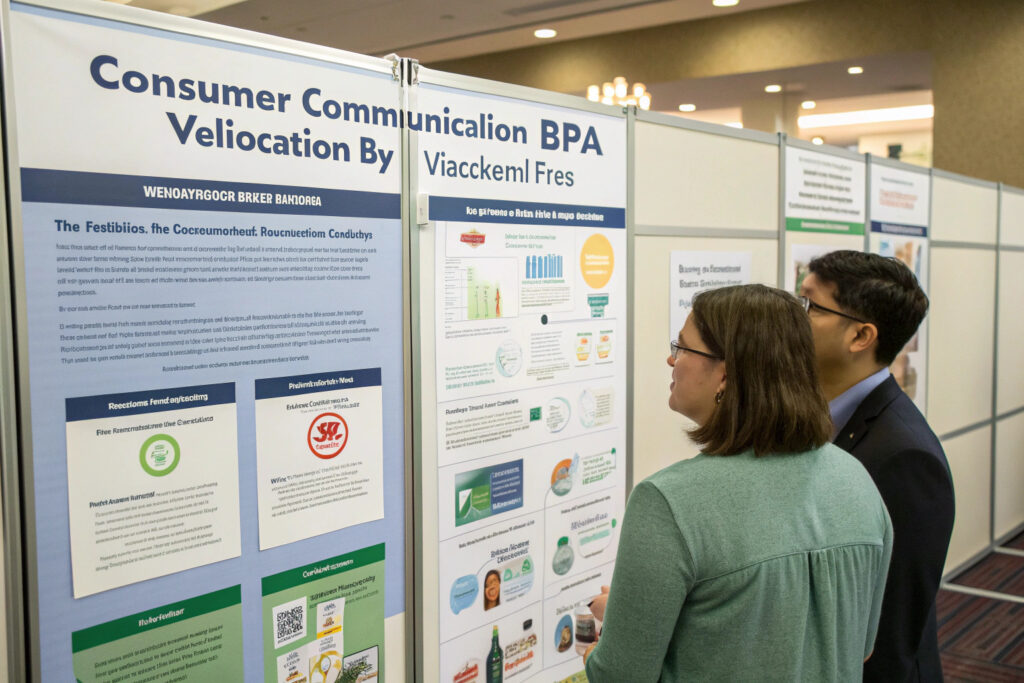
How should BPA-free status be communicated on packaging?
Clear, specific labeling that goes beyond vague "BPA-free" claims builds greater consumer trust. The most effective approaches reference the testing standards used and may include QR codes linking to test certificates. Our recommended labeling states: "Nose wire tested BPA-free per [standard method] with results available at [URL]."
What educational content supports these claims?
Transparent documentation access through websites or QR codes allows concerned consumers to verify claims independently. Explaining why BPA-free matters and how verification is conducted demonstrates commitment beyond basic compliance. Our client resources include template educational content that explains nose wire safety in consumer-friendly language.
Conclusion
Sourcing genuinely BPA-free nose wires for cloth face masks requires a comprehensive approach combining material selection, supplier qualification, documentation verification, and ongoing testing. The most reliable strategy involves partnering with specialized manufacturers who understand regulatory requirements and can provide transparent supply chain information, backed by third-party testing from accredited laboratories.
While BPA-free nose wires typically carry a modest cost premium, the investment is easily justified by the enhanced safety profile and marketing advantages. In today's health-conscious market, verified safety components can differentiate products and build consumer trust that translates to brand loyalty and premium positioning.
Ready to source verified BPA-free nose wires for your fabric masks? Contact our Business Director, Elaine, at elaine@fumaoclothing.com to discuss our certified nose wire options and verification processes. We'll provide samples and documentation demonstrating compliance with the highest safety standards for your mask products.