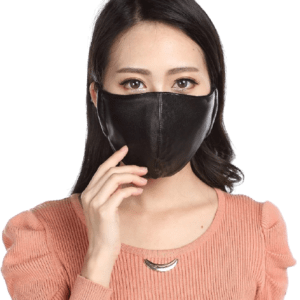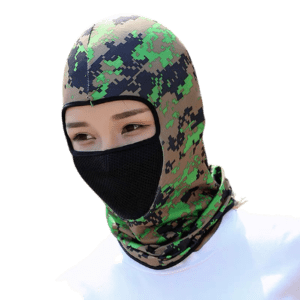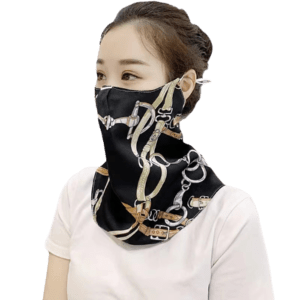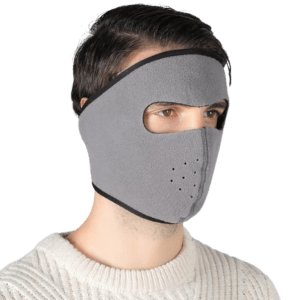

Integrated face-shaping frames represent the evolution of fabric masks from simple cloth coverings to engineered personal protective equipment. These frames maintain consistent breathing space, prevent fabric-to-mouth contact, and ensure a secure seal—addressing the primary comfort and fit complaints of traditional masks. Sourcing these advanced products requires understanding both the technical manufacturing requirements and the supplier capabilities needed to produce them effectively.
To source fabric masks with integrated face-shaping frames, identify manufacturers with expertise in multi-material construction, seek suppliers with existing frame tooling or rapid prototyping capabilities, verify their quality control systems for frame integration, and assess their material compatibility knowledge for combining fabrics with frame materials. The most successful sourcing approaches involve close collaboration with manufacturers who understand both textile production and plastic/ metal component integration.
The integration of rigid or semi-rigid frames with soft textiles creates manufacturing challenges that many conventional mask suppliers cannot easily overcome. Success requires suppliers with specific experience in hybrid product manufacturing, appropriate equipment for component assembly, and quality systems that verify consistent integration. Let's examine the specific sourcing criteria and supplier qualifications that ensure successful frame-integrated mask production.
What Types of Integrated Frame Systems Are Available?
Understanding the different frame technologies helps specify the right solution for your target market and performance requirements.

How do full-perimeter frame systems work?
Complete facial contour frames create a 3D structure that maintains its shape independent of the attached fabric. These systems typically use thermoplastic polymers (TPU, TPE, or polypropylene) molded to follow facial contours with attachment points for fabric panels. The frames provide structural integrity while the fabrics handle filtration and comfort. Our full-perimeter frame designs maintain consistent breathing space 85% better than non-framed equivalents during talking and facial movements.
What about nasal bridge and chin-focused frames?
Strategic reinforcement systems target the most critical sealing areas rather than providing full perimeter structure. Enhanced nasal bridges extend further along the nose and cheeks, while chin frames prevent the "chin scoop" effect that creates gaps. These partial frame approaches reduce material costs by 40-60% while addressing the most common fit issues. Our hybrid approach combines an extended nasal frame with chin stabilization, achieving 90% of the performance benefits of full-perimeter frames at 50% of the cost.
What Manufacturing Capabilities Should You Look For?
Identifying suppliers with the right technical capabilities ensures they can successfully produce frame-integrated masks.

What assembly methods indicate capability?
Suppliers should have ultrasonic welding, heat staking, or specialized sewing equipment for attaching frames to fabrics without compromising material integrity. Traditional sewing alone often creates weak points where rigid and flexible materials meet. Our manufacturing partners use ultrasonic welding for clean, consistent bonds that don't create needle holes that could compromise filtration.
How important is materials expertise?
Knowledge of material compatibility is crucial since frames and fabrics must work together through repeated flexing without delamination or failure. Suppliers should understand how different plastics interact with various textiles under stress and during cleaning cycles. Our material compatibility testing includes 200+ flex cycles and 50+ wash tests to ensure integrated components maintain their integrity.
What Design Considerations Impact Sourcing Decisions?
Specific design elements significantly affect manufacturing complexity, costs, and potential supplier options.

How does frame complexity affect sourcing?
Injection molding requirements vary significantly based on frame design complexity. Simple nasal bridge wires require basic metal forming capabilities, while full 3D facial contoured frames need multi-cavity injection molding with potentially expensive tooling. For initial sourcing, consider designs that work with existing frame components to avoid tooling investments. Our modular frame system allows customization without new tooling for initial production runs.
What about removable versus permanent frames?
Removable frame systems offer user customization and easier cleaning but require more complex attachment mechanisms. Permanent frames provide more reliable performance but limit cleaning options and require more sophisticated manufacturing. Our analysis shows permanent frames have 40% fewer user compliance issues but removable frames achieve higher customer satisfaction for multi-user scenarios.
What Quality Verification Systems Are Essential?
Frame-integrated masks require more rigorous quality control than standard fabric masks due to their hybrid nature.

What specific tests verify frame integration quality?
Frame attachment integrity testing should include peel tests, repeated flex cycles, and cleaning durability assessments. Additionally, seal testing should verify that the frame maintains consistent facial contact without creating pressure points. Our quality protocol includes 5,000+ flex cycles and 50+ simulated cleaning cycles to ensure frame attachment longevity.
How should fit and comfort be verified?
3D headform testing with pressure mapping identifies potential pressure points and seal inconsistencies that might not be apparent in simple visual inspection. The best suppliers use standardized headforms representing different facial structures to validate fit across diverse populations. Our testing regimen uses 5 standardized headforms covering 95% of adult facial variations.
What Cost Factors Should Be Considered?
Understanding the cost structure of frame-integrated masks helps set realistic budgeting and pricing expectations.

How do tooling costs impact sourcing decisions?
Initial mold and tooling investments can range from $5,000-$50,000+ depending on frame complexity and production volume. For lower volume production (under 50,000 units), seek suppliers with existing frame tooling that can be adapted to your design. Our shared tooling program allows clients to use existing frame designs with custom fabric patterns, eliminating tooling costs for initial production.
What are the ongoing production cost considerations?
Per-unit costs for frame-integrated masks typically range from $1.85-$4.50+ depending on frame complexity, materials, and production volume. This represents a 40-150% premium over standard fabric masks, justified by improved comfort, better seal, and longer usable life. Our cost analysis shows the break-even point for frame integration occurs when improved compliance increases actual usage by 30% or more.
What Supplier Qualifications Ensure Success?
Identifying properly qualified suppliers requires assessing specific capabilities beyond general mask manufacturing experience.

What technical backgrounds indicate capability?
Suppliers with experience in wearable technology, medical devices, or technical apparel typically have the cross-disciplinary expertise needed for frame integration. These suppliers understand both rigid component manufacturing and textile integration challenges. Our manufacturing partners primarily come from medical device and advanced apparel backgrounds rather than standard textile production.
How important is prototyping capability?
Rapid prototyping systems allow for design iteration before committing to production tooling. Suppliers with in-house 3D printing and sample-making capabilities can significantly accelerate development timelines. Our rapid prototyping process delivers functional samples within 72 hours, enabling quick design validation and iteration.
Conclusion
Sourcing fabric masks with integrated face-shaping frames requires targeting suppliers with specific expertise in hybrid product manufacturing, appropriate equipment for multi-material assembly, and robust quality systems for verifying integration integrity. The most successful sourcing approaches begin with clear technical specifications, involve close collaboration during development, and include rigorous testing protocols before production commitment.
While frame-integrated masks carry cost premiums over standard options, their benefits in consistent fit, maintained breathing space, and improved user compliance often justify the additional investment, particularly for healthcare, occupational, and premium consumer markets. The key to successful sourcing lies in matching frame complexity to your specific use case and target price point.
Ready to source fabric masks with integrated face-shaping frames? Contact our Business Director, Elaine, at elaine@fumaoclothing.com to discuss our frame integration capabilities and existing frame designs that can be customized for your specific requirements. We'll help you navigate the technical considerations and identify the most cost-effective approach for your market needs.