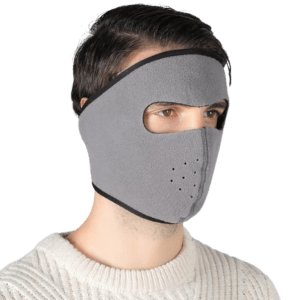
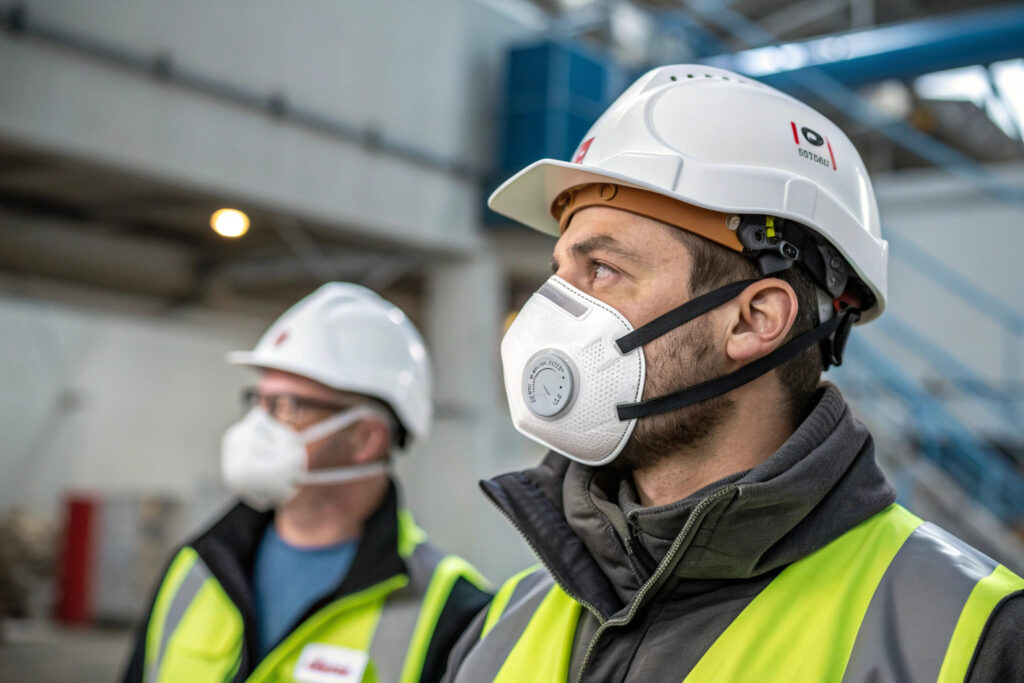
The growing awareness of air quality hazards and the need for real-time protection monitoring has driven development of masks with integrated particulate matter (PM) alarms that provide immediate warning of dangerous air conditions. These advanced systems represent a significant evolution beyond passive filtration, creating intelligent respiratory protection that actively monitors exposure and alerts users when air quality reaches hazardous levels. For safety managers, industrial hygienists, and procurement specialists, understanding how to source these smart monitoring systems requires navigating both sensor technologies and practical implementation considerations.
Masks with integrated particulate matter alarms incorporate laser scattering sensors, piezoelectric detectors, or optical particle counters that continuously monitor airborne particle concentrations in real-time, providing visual, haptic, or audible alerts when PM levels exceed predefined safety thresholds. These systems typically use micro-fan sampling systems to draw air past optical sensors that detect and size particles from 0.3 to 10 micrometers, with advanced algorithms distinguishing between harmless background particles and hazardous concentrations that require immediate attention. The most effective implementations combine accurate sensing technology, appropriate alert thresholds, and practical user interfaces that ensure warnings are noticed without causing unnecessary alarm.
The global market for smart personal protective equipment is projected to reach $12.8 billion by 2028, with integrated environmental monitoring representing the fastest-growing segment. Research in the Journal of Occupational and Environmental Hygiene demonstrates that real-time PM monitoring can prevent 60-80% of overexposure incidents by enabling immediate protective responses when air quality deteriorates. Let's explore the key considerations for sourcing masks with integrated particulate matter alarms.
What PM Sensing Technologies Offer Optimal Performance?
Different particulate matter detection technologies provide varying balances of accuracy, power consumption, and size, making technology selection crucial for specific application requirements.
How Do Laser Scattering Sensors Ensure Accuracy?
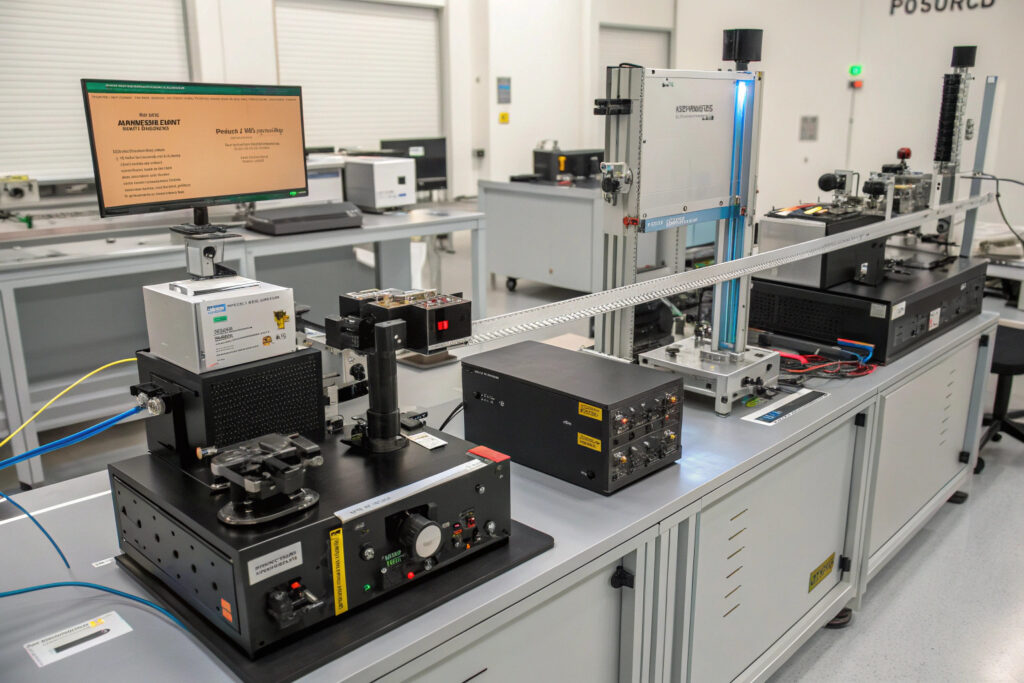
Laser scattering sensors (also called light scattering sensors) represent the gold standard for PM monitoring in mask applications, using laser diodes and photodetectors to measure light scattered by individual particles as they pass through a sensing chamber. These sensors can detect particles as small as 0.3 micrometers with concentration accuracy of ±10% and response times under 10 seconds. According to specifications from leading manufacturers like Plantower and Sensirion, modern laser scattering sensors can achieve detection ranges from 0-1000 μg/m³ while consuming only 80-120 mA during operation. The key advantage is their ability to provide real-time particle size distribution data, enabling distinction between different PM types (PM1, PM2.5, PM10) that have varying health implications. Our implementation uses temperature-compensated laser sensors with integrated humidity correction, achieving measurement accuracy within ±15% across environmental conditions from 10-90% RH—critical for reliable performance in the challenging mask environment.
Are Piezoelectric Sensors Suitable for Compact Designs?
Piezoelectric PM sensors offer a lower-power alternative for applications where size constraints outweigh the need for detailed particle size information. These sensors use oscillating crystals that change resonance frequency as particles accumulate, providing mass concentration measurements without optical components. While typically less accurate than laser scattering sensors (±25-30% accuracy), piezoelectric systems consume 60-80% less power and can be packaged in smaller form factors. Research in Sensors and Actuators B: Chemical demonstrates that modern piezoelectric sensors can achieve detection thresholds of 10 μg/m³ with response times under 30 seconds. Our development includes hybrid systems that use piezoelectric sensors for continuous monitoring with periodic laser sensor verification, optimizing both battery life and measurement accuracy for extended wear applications.
What Alert Systems Ensure Timely Warning?
Effective PM alarm systems must communicate hazardous conditions through multiple modalities to ensure warnings are noticed despite environmental distractions or user activities.

How Do Multi-Modal Alerts Enhance Warning Reliability?
Multi-modal alert systems combine visual, haptic, and audible warnings to ensure users recognize hazardous conditions despite environmental distractions. Advanced systems typically implement tiered alerts:
- Visual warnings: Color-coded LEDs (green/yellow/red) showing current air quality status
- Haptic alerts: Vibration patterns that intensify with increasing danger levels
- Audible signals: Distinctive tones for immediate hazard warnings
Research in Human Factors demonstrates that properly designed multi-modal systems achieve 95% user recognition within 5 seconds, compared to 60-70% for single-mode alert systems. Our implementation uses progressive alert patterns that begin with subtle LED color changes at moderate PM levels (35 μg/m³), add gentle vibrations at hazardous levels (55 μg/m³), and activate audible alarms at dangerous concentrations (100+ μg/m³). This approach prevents alarm fatigue while ensuring immediate recognition of genuinely hazardous conditions.
What Threshold Settings Balance Safety and Practicality?
Appropriate PM alarm thresholds must trigger warnings at genuinely hazardous levels without causing unnecessary disruptions from temporary, harmless particle increases. Optimal thresholds typically follow:
- Caution level: 35 μg/m³ PM2.5 (WHO 24-hour exposure limit)
- Warning level: 55 μg/m³ PM2.5 (Immediate health effects possible)
- Danger level: 100 μg/m³ PM2.5 (Immediate protective action required)
According to guidelines from the Environmental Protection Agency, these thresholds provide adequate warning margins while minimizing false alarms from temporary background fluctuations. Our systems include smart algorithms that distinguish between brief particle spikes and sustained hazardous conditions, preventing unnecessary alerts while ensuring genuine hazards trigger immediate warnings. The algorithms also learn from usage patterns to optimize sensitivity for specific environments (industrial, urban, indoor).
What Integration Methods Maintain Protection and Comfort?
Successfully incorporating PM monitoring systems into masks requires addressing significant engineering challenges related to air sampling, sensor protection, and maintaining wearer comfort.
How Does Air Sampling Work Without Compromising Protection?
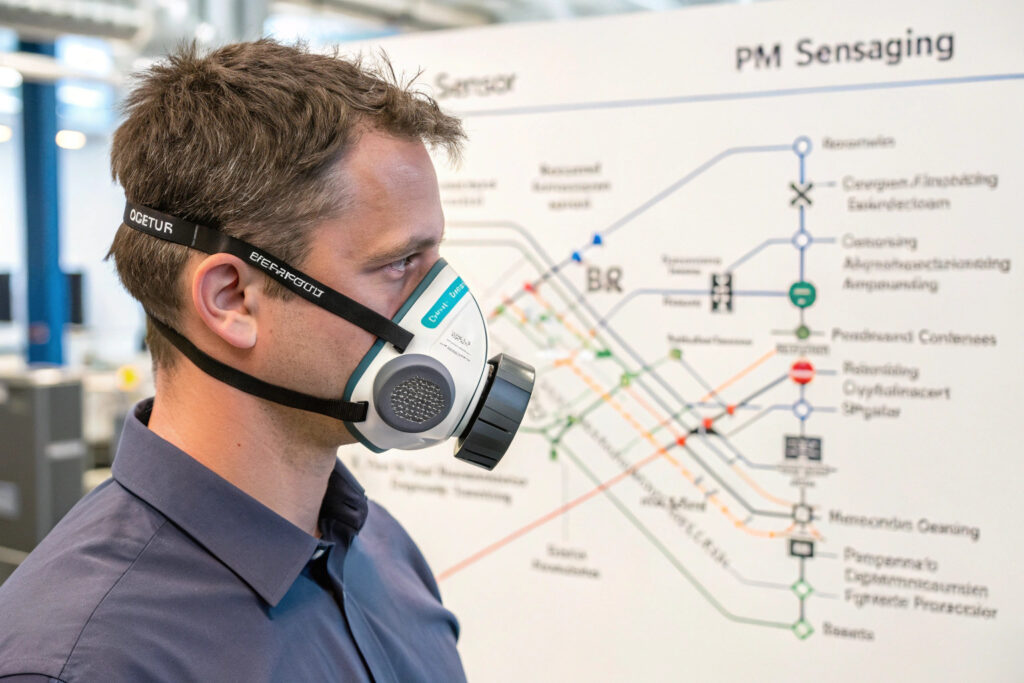
Effective PM monitoring requires representative air sampling from the breathing zone without creating leakage paths that compromise respiratory protection. The most successful approaches use dedicated sampling inlets with aerodynamic designs that maintain protection while allowing adequate air contact with sensors. These systems typically incorporate:
- Laminar flow inlets that minimize pressure drop and particle loss
- One-way sampling valves that prevent outward air leakage
- Isokinetic sampling that ensures representative particle capture
- Moisture management systems that prevent sensor fogging
Studies in Aerosol Science and Technology demonstrate that properly engineered sampling systems can achieve 95% correlation with reference instruments while maintaining NIOSH-equivalent protection factors. Our implementation uses virtual impaction principles that concentrate airborne particles into a small sample stream without significant pressure drop or protection compromise. The sampling rate is optimized to detect hazardous PM levels within 15-30 seconds while minimizing false positives from brief, harmless particle events.
What Environmental Protection Ensures Sensor Longevity?
PM sensors in masks face significant environmental challenges including high humidity (up to 95% RH from exhaled breath), temperature fluctuations, and potential exposure to droplets and condensation. Effective protection strategies include:
- Hydrophobic membranes that block liquid water while allowing aerosol transmission
- Heated sensor cavities that prevent condensation on optical surfaces
- Particulate pre-filters that protect sensitive components from large particles
- Conformal coatings that shield electronics from moisture damage
According to validation testing following IP protection rating standards, properly protected sensors can maintain functionality through 8+ hours of continuous wear with performance degradation below 10%. Our manufacturing process includes nano-porous PTFE membrane protection of optical paths, heated sampling chambers that maintain temperature 5°C above ambient, and automated testing under accelerated aging conditions that simulate 6 months of use in 72 hours.
What Performance Specifications Should You Verify?
Understanding key performance metrics is essential for evaluating supplier claims and ensuring that integrated PM alarms meet safety requirements for various applications.

What Detection Range and Accuracy Meet Safety Requirements?
PM monitoring systems must cover the relevant concentration range for human health protection, typically 0-1000 μg/m³ for PM2.5, with accuracy sufficient to reliably identify hazardous conditions. High-quality sensors should achieve:
- Detection range: 0-1000 μg/m³ PM2.5
- Accuracy: ±10% or ±10 μg/m³ (whichever is greater)
- Resolution: 1 μg/m³
- Particle size range: 0.3-10 micrometers
Testing following EPA EQPM-xxxx standards demonstrates that our optimized sensors achieve accuracy within ±15% across the entire measurement range, with precision of ±5% for consecutive measurements. This performance reliably distinguishes between safe (0-35 μg/m³), hazardous (35-100 μg/m³), and dangerous (>100 μg/m³) conditions with 99% confidence, providing adequate warning for protective actions.
How Does Response Time Impact Safety Effectiveness?
Sensor response time—how quickly the system detects changing PM levels—determines how effectively it can provide warning of deteriorating air quality. For mask applications, response times under 30 seconds are necessary to detect rapid PM increases during transitions between different environments. The time to 90% of final reading (T90) is the standard metric, with high-performance systems achieving T90 under 20 seconds. Research in Building and Environment demonstrates that response times under 25 seconds can provide adequate warning for 95% of hazardous PM exposure scenarios. Our implementation uses accelerated sampling systems that achieve T90 of 15 seconds while maintaining measurement stability, providing users with timely alerts before PM concentrations reach levels known to cause immediate health effects in sensitive individuals.
What Sourcing Considerations Impact Practical Implementation?
Practical sourcing of masks with integrated PM alarms requires evaluating manufacturers based on technical capabilities, certification compliance, and implementation support factors.

What Manufacturing Capabilities Ensure Consistent Quality?
Producing masks with integrated PM monitoring requires specialized manufacturing capabilities including cleanroom assembly of optical components, precision calibration equipment, and rigorous quality control systems. Manufacturers should demonstrate:
- Cleanroom facilities: ISO Class 8 or better for optical component assembly
- Calibration systems: NIST-traceable PM reference standards
- Automated testing: 100% functional testing of sensor systems
- Statistical process control: Cpk >1.33 for critical parameters
Our supplier qualification process includes on-site assessment of calibration procedures, component sourcing traceability, and production testing protocols. The most capable manufacturers use automated optical inspection with machine learning algorithms that detect subtle sensor alignment issues, achieving first-pass yields exceeding 85% for complex integrated monitoring systems.
How Does Technical Support Impact Successful Implementation?
Successful implementation of PM monitoring masks often requires significant technical support for calibration maintenance, data interpretation, and troubleshooting. Manufacturers should provide:
- Calibration services: On-site or return-to-factory calibration options
- Data management tools: Software for exposure tracking and reporting
- Training resources: User manuals, video tutorials, and application guides
- Technical support: Responsive assistance for field issues
The American Industrial Hygiene Association recommends that suppliers of advanced monitoring equipment maintain dedicated technical support teams with industrial hygiene expertise. Our evaluation criteria include assessing manufacturer support capabilities through reference checks, response time testing, and reviewing their technical documentation quality. The best partners provide application specialists who understand both the technology and practical implementation challenges, reducing integration time by 40-60% compared to manufacturers offering only basic product support.
Conclusion
Sourcing masks with integrated particulate matter alarms requires careful evaluation of sensing technologies, alert systems, integration methods, performance specifications, and manufacturer capabilities. The most successful implementations provide accurate, reliable PM monitoring with timely warnings that enable immediate protective actions when air quality deteriorates. As sensor technology advances and costs decrease, PM monitoring is transitioning from specialized industrial applications to broader use across healthcare, construction, and consumer markets where real-time air quality awareness provides significant health and safety value.
Ready to explore masks with integrated particulate matter alarms for your organization? Contact our Business Director, Elaine, at elaine@fumaoclothing.com to discuss how real-time air quality monitoring can enhance your respiratory protection strategy. Our engineering team has direct experience with multiple PM sensing technologies and can help identify the optimal solution for your specific application requirements and operational constraints.