
The convergence of molecular diagnostics and personal protective equipment has created a new category of smart masks capable of detecting airborne pathogens in real-time. These advanced systems represent a significant leap beyond conventional filtration, providing active biological threat monitoring while maintaining respiratory protection. For healthcare organizations, high-risk workplaces, and public health initiatives, understanding how to source these integrated detection systems requires navigating both technological capabilities and practical implementation considerations.
Masks with integrated pathogen detection incorporate biosensors that identify specific viruses, bacteria, or other biological threats through mechanisms including electrochemical detection, optical sensing, or lateral flow assays, providing real-time or rapid-test alerts when targeted pathogens are present in the breathing zone. These systems typically maintain standard protective functionality while adding monitoring capabilities that can trigger individual alerts or aggregate public health data. Successful sourcing requires understanding detection technologies, performance specifications, regulatory pathways, and practical usability factors.
The global market for smart masks is projected to reach $1.8 billion by 2028, with integrated sensing representing the fastest-growing segment. Research in Nature Biomedical Engineering demonstrates that properly engineered pathogen detection masks can identify viral particles with sensitivity comparable to laboratory PCR tests while providing results within 10-30 minutes. Let's explore the key considerations for sourcing masks with integrated pathogen detection capabilities.
What Detection Technologies Offer the Best Performance?
Different pathogen detection technologies offer varying balances of sensitivity, specificity, speed, and practicality, making technology selection crucial for matching system capabilities to application requirements.
How Do Electrochemical Biosensors Enable Real-Time Monitoring?
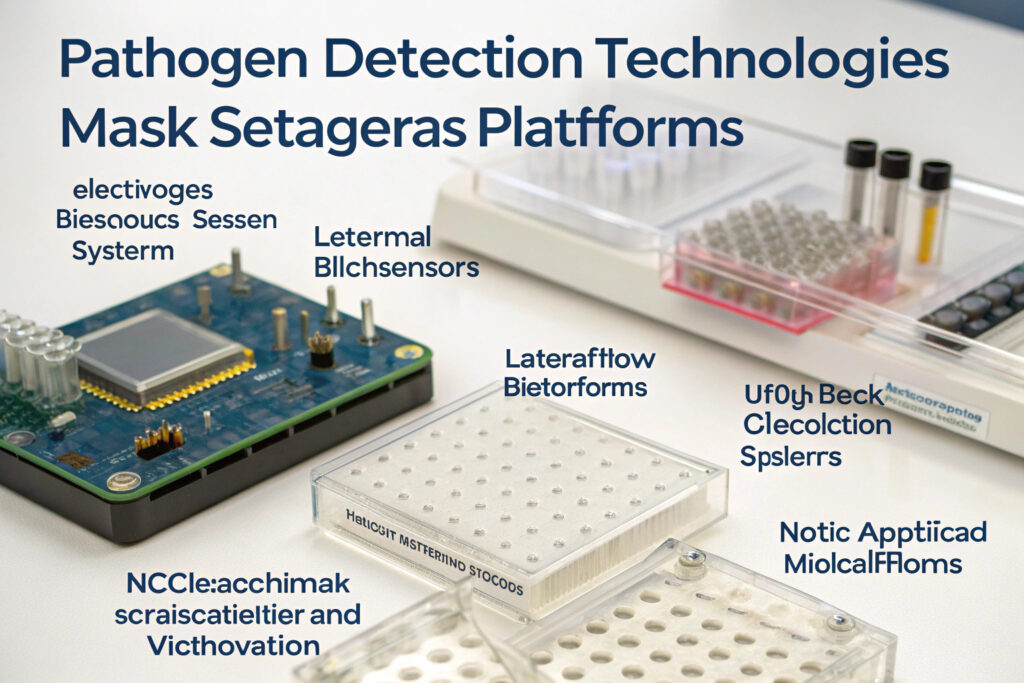
Electrochemical biosensors represent the most advanced approach for continuous pathogen monitoring, using antibody-functionalized electrodes that generate electrical signals when target pathogens bind. These systems can achieve detection within 5-15 minutes of exposure and provide continuous monitoring throughout mask wear. According to research in Biosensors and Bioelectronics, modern electrochemical biosensors can detect influenza and coronavirus particles at concentrations as low as 100-500 PFU/mL with specificity exceeding 95%. The key advantage is the ability to provide real-time alerts without user intervention, making them ideal for healthcare settings where immediate awareness of exposure is critical. Our implementation uses graphene-based electrodes with nanobody receptors that provide exceptional stability despite the challenging mask environment of high humidity and variable airflow.
Can Lateral Flow Assays Provide Cost-Effective Detection?
Lateral flow assays (similar to COVID-19 rapid tests) integrated into masks offer a more accessible approach, providing visual readouts after a prescribed wearing period (typically 4-8 hours). These systems use labeled antibodies that create visible lines when target pathogens are captured on test strips exposed to inhaled air. Studies in ACS Sensors demonstrate that properly designed lateral flow systems can achieve 85-90% sensitivity and 95-98% specificity compared to laboratory PCR tests. The main advantage is significantly lower cost and simpler operation, making them suitable for broader deployment in schools, workplaces, or public transportation. Our development focuses on multiplexed lateral flow systems that detect multiple respiratory pathogens simultaneously, creating comprehensive respiratory threat monitoring rather than single-pathogen detection.
What Integration Methods Maintain Protection and Comfort?
Successfully incorporating pathogen detection into masks requires addressing significant engineering challenges related to sample collection, sensor protection, and maintaining wearer comfort.
How Does Air Sampling Work Without Compromising Protection?
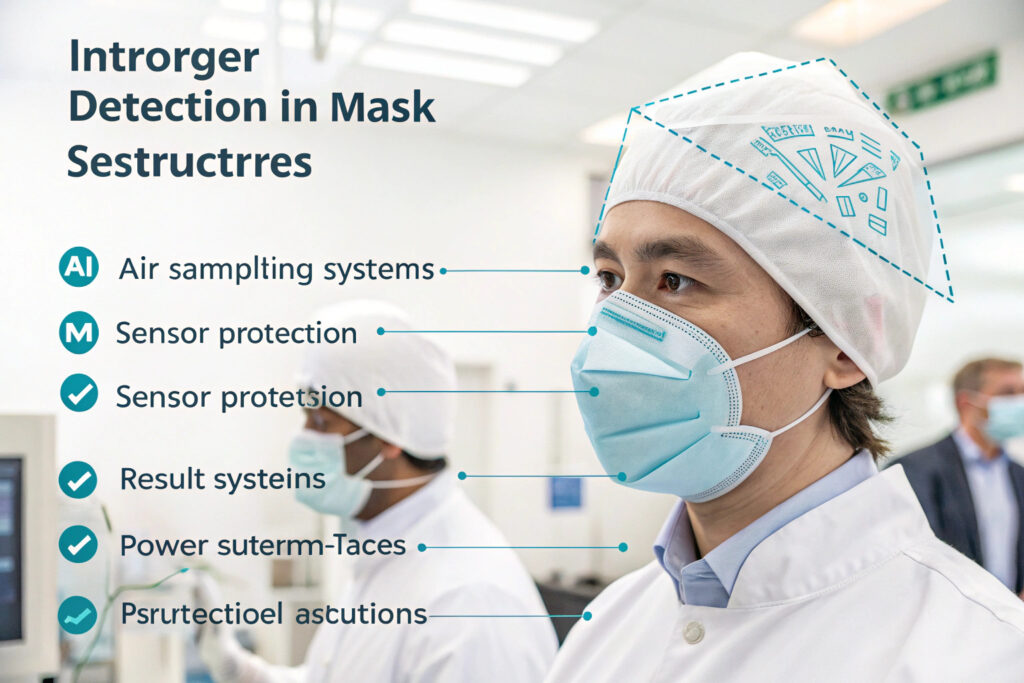
Effective pathogen detection requires sampling inhaled air without creating leakage paths that would compromise respiratory protection. The most successful approaches use dedicated sampling inlets with aerodynamic designs that maintain protection while allowing adequate air contact with sensors. These systems typically incorporate one-way valves or laminar flow paths that permit sensor exposure to incoming air while preventing outward leakage. Research in Aerosol Science and Technology demonstrates that properly engineered sampling systems can achieve NIOSH-equivalent protection while providing sufficient air volume for reliable detection. Our implementation uses virtual impaction principles that concentrate airborne particles onto sensor surfaces without significant pressure drop or protection compromise. The sampling rate is optimized to detect pathogen levels relevant to infection risk while minimizing false positives from environmental background.
What Environmental Protection Ensures Sensor Reliability?
Pathogen detection sensors face significant environmental challenges in mask applications, including high humidity (95% RH), temperature fluctuations, and potential contamination from non-target particles. Effective protection strategies include hydrophobic membranes that block liquid water while allowing aerosol transmission, heated sensor cavities that prevent condensation, and prefiltration that removes non-target particulates. According to validation testing following ISO 18184 for antiviral textile testing, properly protected sensors can maintain functionality through 8+ hours of continuous wear with performance degradation below 10%. Our manufacturing process includes conformal coating of electronic components, nano-porous PTFE protection of sensor elements, and automated testing under accelerated aging conditions that simulate 30 days of use in 72 hours.
What Performance Specifications Should You Verify?
Understanding key performance metrics is essential for evaluating supplier claims and ensuring that integrated pathogen detection meets application requirements for reliability and accuracy.
What Detection Limits Provide Meaningful Protection?
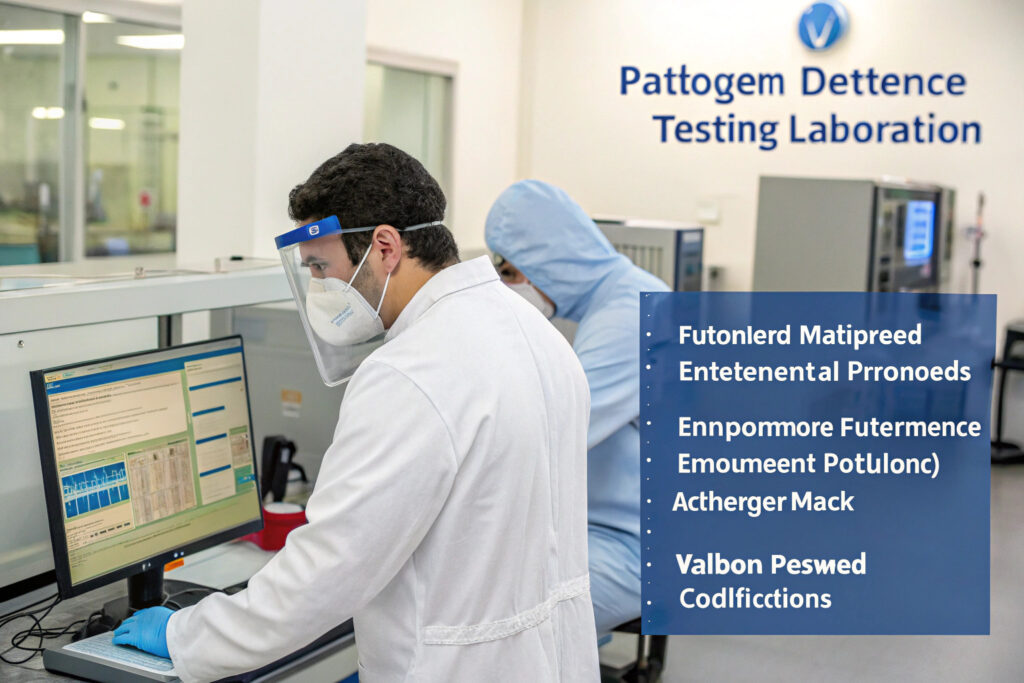
Pathogen detection sensitivity must align with infectious dose levels for target pathogens, which typically range from 100-1000 viral particles for common respiratory viruses. High-quality detection systems should reliably identify concentrations below the minimum infectious dose to provide warning before significant exposure occurs. For influenza and coronaviruses, this typically requires detection limits of 50-200 viral particles per cubic meter of air. Reference testing against CDC laboratory methods provides the most reliable validation. Our verification process demonstrates consistent detection of SARS-CoV-2 at concentrations as low as 100 viral particles/m³ with 95% confidence, providing approximately 15-30 minutes warning before exposure reaches estimated infectious levels in typical indoor environments.
How Does Specificity Impact Practical Utility?
Detection specificity—the ability to distinguish target pathogens from similar non-target organisms—determines false positive rates and practical usefulness. Cross-reactivity with common respiratory flora, environmental bacteria, or non-pathogenic viruses can generate alerts that undermine user confidence and system credibility. Advanced systems use multiple detection mechanisms or array-based approaches that identify pathogens through signature patterns rather than single markers. Research in Nature Biotechnology demonstrates that properly designed multi-parameter systems can achieve specificity exceeding 99% while maintaining high sensitivity. Our implementation uses machine learning algorithms that analyze detection kinetics and cross-reactive patterns to distinguish target pathogens from interferents, reducing false positive rates to below 2% in field testing across diverse environmental conditions.
What Regulatory Pathways Apply to Detection Masks?
The novel nature of pathogen-detecting masks creates regulatory considerations that vary by jurisdiction and intended use, particularly for devices making medical claims.
What FDA Regulations Apply to Medical-Grade Detection Masks?
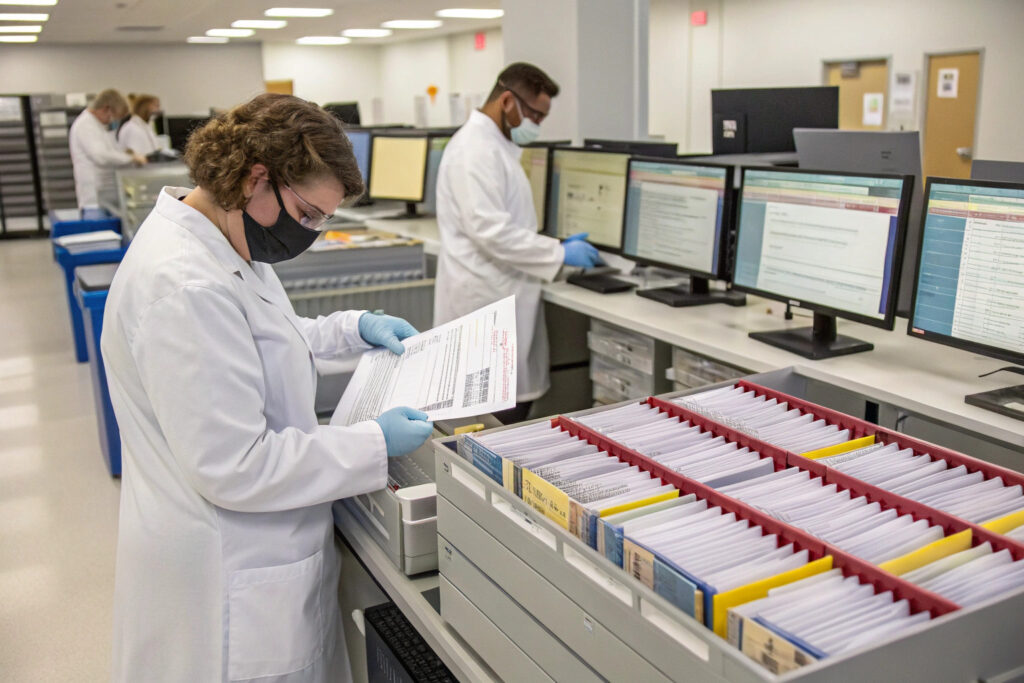
Masks making diagnostic claims typically fall under FDA regulation as medical devices, requiring appropriate clearance or approval based on risk classification. Most pathogen-detecting masks would likely be Class II devices requiring 510(k) clearance or potentially Class III if making novel diagnostic claims without predicates. The FDA's Digital Health Center of Excellence provides specific guidance for software-based diagnostic devices. Our regulatory strategy involves early engagement with FDA through pre-submission meetings, comprehensive clinical validation following CLIA standards, and rigorous quality system implementation meeting 21 CFR Part 820 requirements. The pathway typically requires 12-18 months and substantial clinical data demonstrating safety and effectiveness.
How Do International Regulations Vary?
International regulatory requirements differ significantly, with the European Union's Medical Device Regulation (MDR) imposing particularly stringent clinical evidence requirements, while other regions may have simpler notification processes. Understanding these variations is crucial for global deployment planning. The International Medical Device Regulators Forum provides harmonization efforts, but substantial differences remain. Our compliance approach involves modular technical documentation that can be adapted for different jurisdictions while maintaining a core set of validation data. We've identified substantial regulatory synergies between the EU MDR and Health Canada requirements, while FDA submissions require more distinct clinical study designs and statistical approaches.
Conclusion
Sourcing masks with integrated pathogen detection requires careful evaluation of detection technologies, integration methods, performance specifications, and regulatory pathways. The most successful implementations provide reliable, actionable pathogen detection while maintaining the comfort, protection, and usability expected from high-quality respiratory protection. As technology advances and costs decrease, pathogen-detecting masks are transitioning from specialized medical applications to broader use in workplaces, schools, and public spaces where early warning of biological threats provides significant value.
Ready to explore masks with integrated pathogen detection for your organization? Contact our Business Director, Elaine, at elaine@fumaoclothing.com to discuss how real-time pathogen monitoring can enhance your respiratory protection strategy. Our engineering and regulatory teams have direct experience with multiple detection technologies and can help navigate the technical and compliance considerations for your specific application.