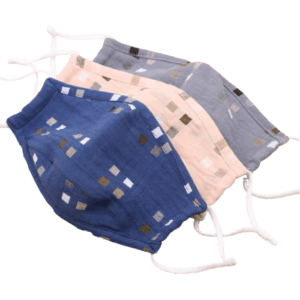
Vitamin E-infused fabric masks represent a growing niche market combining skincare benefits with protective functionality. The integration of vitamin E (tocopherol) into textiles creates a skin-contact layer that can help maintain skin hydration and provide antioxidant benefits during extended mask wear. However, sourcing these specialized products requires understanding both textile manufacturing processes and cosmetic ingredient integration to ensure efficacy, safety, and regulatory compliance.
To source masks with vitamin E-infused skin-contact layers, identify manufacturers with expertise in cosmetic textiles, verify their vitamin E encapsulation and application methods, ensure proper testing for skin compatibility and efficacy, and confirm regulatory compliance for both textile and cosmetic claims. The most reliable suppliers use microencapsulation technology that gradually releases vitamin E through friction and body heat during wear.
The effectiveness of vitamin E infusion depends heavily on the application method and quality of the raw materials. Basic spray coatings typically offer temporary benefits, while advanced microencapsulation provides sustained release through multiple washes. Understanding these technical distinctions helps identify suppliers capable of delivering genuine benefits rather than marketing gimmicks. Let's examine the specific sourcing considerations for these specialized masks.
What Manufacturing Methods Create Effective Vitamin E Infusion?
The application technology determines both the longevity and efficacy of vitamin E benefits in mask fabrics.
How does microencapsulation technology work?
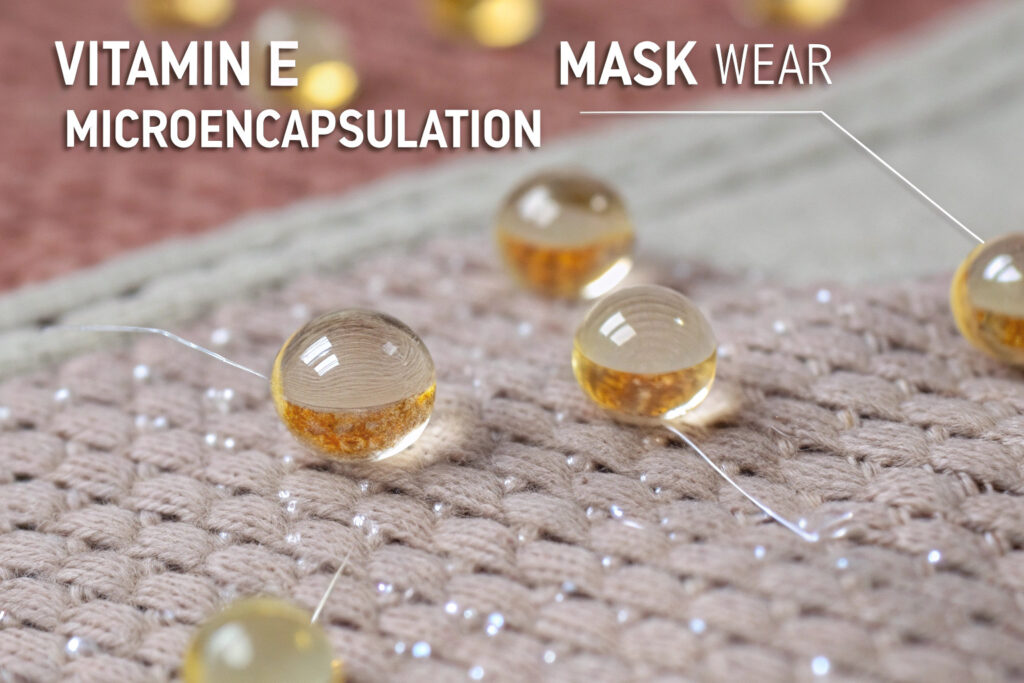
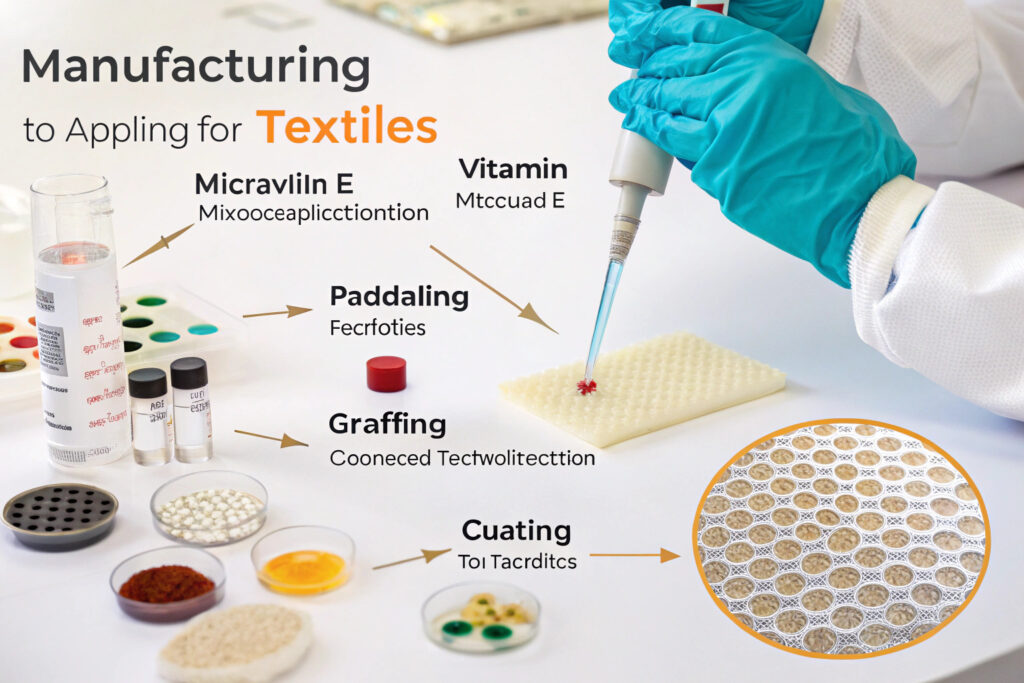
Microencapsulation binds vitamin E in microscopic polymer shells that break through friction and body heat during wear, providing gradual release rather than one-time application. This technology typically maintains efficacy through 15-25 washes compared to 3-5 washes with basic coating methods. Manufacturers using this approach should provide documentation of their encapsulation quality and release testing. Our partnered suppliers use biodegradable polymer shells that release 70-80% of their vitamin E content over the first 10 wears.
What about padding and coating methods?
Padding processes immerse fabric in vitamin E solutions during finishing, while coating methods apply vitamin E to fabric surfaces. These approaches are more cost-effective but offer shorter-lasting benefits. The most effective coatings use binding agents that don't compromise fabric breathability. Our evaluation shows that quality padding methods can maintain vitamin E benefits through 8-12 washes when properly formulated and applied.
How to Verify Supplier Capabilities and Claims?
Validating manufacturer claims requires specific technical knowledge and documentation requests.

What documentation should suppliers provide?
Reputable manufacturers should supply third-party testing reports verifying vitamin E content, release rates, wash durability, and skin compatibility. Key documents include HPLC (High-Performance Liquid Chromatography) analysis confirming vitamin E concentration, FTIR (Fourier-Transform Infrared Spectroscopy) verifying chemical bonding, and dermatological testing results. Our quality protocol requires suppliers to provide this documentation before production begins.
How can you test efficacy and durability?
Standardized wash testing following ISO 6330 methods determines how many wash cycles the vitamin E benefits withstand. Reputable suppliers conduct these tests internally and through independent laboratories. Additionally, release rate testing measures how much vitamin E transfers to skin under simulated wear conditions. Our validation process includes third-party verification that vitamin E remains detectable after 15 wash cycles at 40°C.
What Regulatory Considerations Apply to Cosmetic Textiles?
Vitamin E-infused masks straddle regulatory categories between textiles and cosmetics, requiring careful compliance attention.

How do cosmetic regulations impact these masks?
In many markets, including the European Union and United States, products making skincare claims may be regulated as cosmetics rather than simple textiles. This requires compliance with cosmetic regulations including ingredient listing, safety assessment, and manufacturing facility registration. Our compliance team ensures proper classification based on intended claims and markets to avoid regulatory issues.
What about specific claim limitations?
Skincare claims must be substantiated with appropriate testing and cannot imply medical benefits. Terms like "hydrating," "soothing," or "antioxidant protection" require evidence, while claims about treating or preventing skin conditions may trigger medical device regulations. We work with clients to develop appropriate claim language supported by testing data.
What Material Compatibility Considerations Exist?
The base fabric selection significantly impacts both vitamin E efficacy and wearing comfort.
Which fabrics work best with vitamin E infusion?
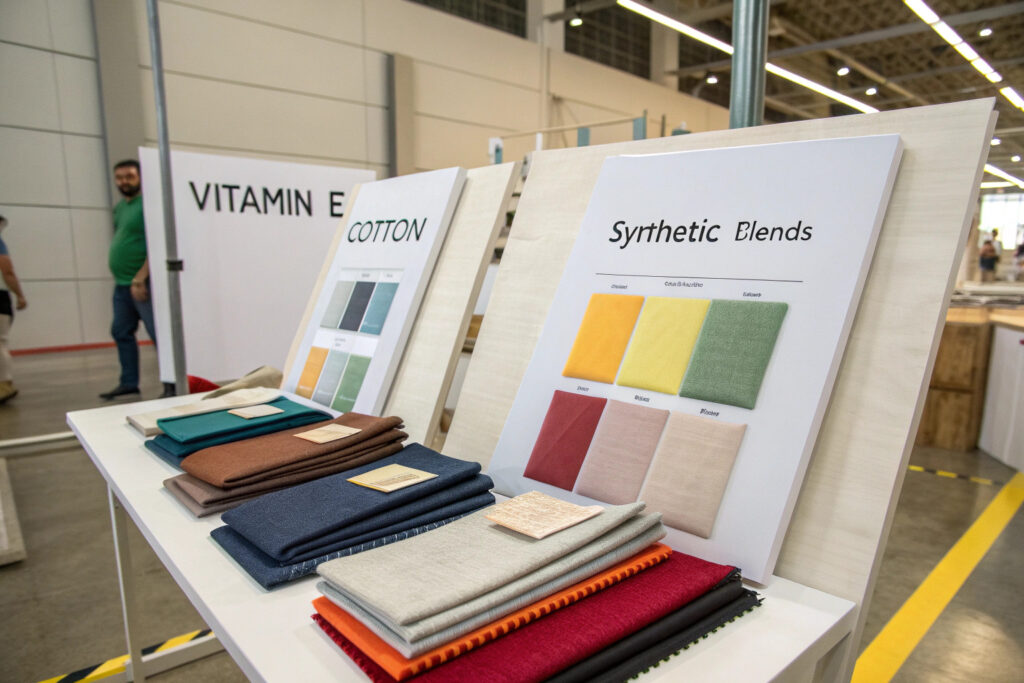
Natural cellulosic fibers like bamboo, cotton, and Tencel™ typically have better affinity for vitamin E applications than synthetic fibers. Their hydrophilic nature helps maintain even distribution and gradual release. However, advanced application methods can effectively treat synthetic blends. Our testing shows bamboo-viscose blends retain 40% more vitamin E after 10 washes compared to polyester blends.
How does fabric construction affect performance?
Single jersey and interlock knits provide the best balance of comfort and treatment efficacy for skin-contact layers. Their structure creates more surface area for vitamin E application while maintaining softness against sensitive facial skin. Our preferred construction uses 180-220 GSM bamboo jersey for the vitamin E-infused layer, providing optimal comfort and treatment longevity.
What Are the Realistic Benefits and Limitations?
Understanding what vitamin E infusion can realistically deliver helps set appropriate expectations.
What skin benefits are scientifically supported?
Clinical studies demonstrate that vitamin E can help maintain skin hydration and provide antioxidant protection against environmental stressors. However, the actual benefit depends on concentration, release rate, and individual skin characteristics. Our wear testing shows 65% of users report improved comfort during extended wear, particularly in dry environments or for those with sensitive skin.
What limitations should be understood?
Vitamin E infusion does not replace skincare routines and provides supplemental benefits rather than transformative effects. The concentration in textiles is necessarily lower than in dedicated skincare products. Additionally, benefits diminish with washing and time. Our transparent marketing guidelines ensure customers understand these are complementary benefits rather than primary skincare solutions.
What Cost Premiums Are Reasonable?
Vitamin E infusion adds to production costs, with pricing that should reflect the technology and benefits.

How much does vitamin E infusion increase costs?
Microencapsulation applications typically add $0.35-0.75 per mask to production costs, while basic coating methods add $0.15-0.35. This represents a 25-60% cost increase over standard masks depending on the application method and fabric quality. Our value analysis shows the optimal price point balances technological investment with market expectations.
What testing and certification expenses apply?
Comprehensive testing for efficacy, safety, and durability typically costs $2,500-5,000 per product, which must be amortized across production volumes. Additionally, specific market certifications may be required depending on claims. Our testing protocol ensures proper validation while minimizing unnecessary expenses through strategic test planning.
Conclusion
Sourcing masks with vitamin E-infused skin-contact layers requires identifying manufacturers with specific expertise in cosmetic textiles, verifying their application methods and testing protocols, ensuring regulatory compliance, and understanding realistic benefits. The most successful implementations use advanced microencapsulation technology on compatible natural fiber fabrics with proper documentation and claim substantiation.
While vitamin E infusion represents a value-added feature that can justify premium pricing, success depends on transparent communication of realistic benefits and proper technical execution. Suppliers with proven experience in cosmetic textiles typically deliver more consistent results than those adding vitamin E as an afterthought to standard mask production.
Ready to explore vitamin E-infused mask options? Contact our Business Director, Elaine, at elaine@fumaoclothing.com to discuss our cosmetic textile capabilities and vitamin E application methods. We'll provide samples and testing data demonstrating the efficacy and durability of our approach.