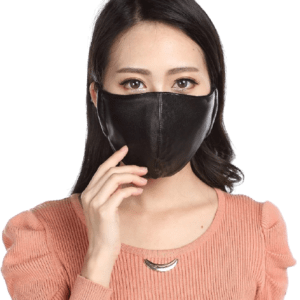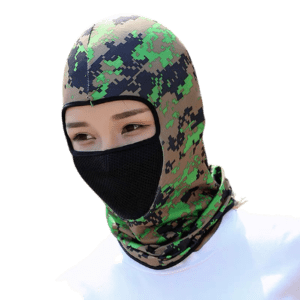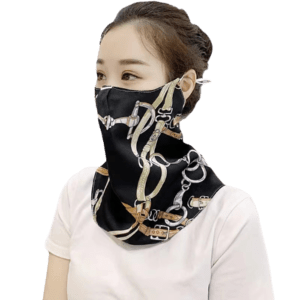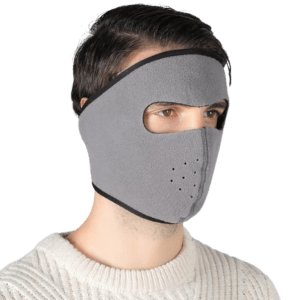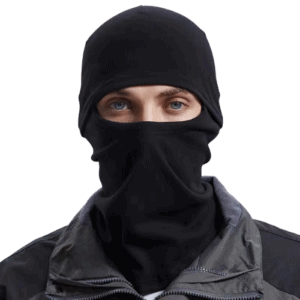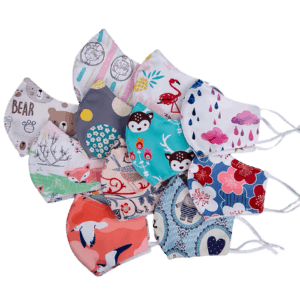
When choosing fabric for everyday cloth face coverings, comfort is everything. Your customers won’t wear a mask that feels hot, itchy, or suffocating. And as a supplier, recommending the right breathable fabrics can mean the difference between repeat orders and product returns.
The best breathable fabrics for daily face masks balance airflow, softness, structure, and safety. Cotton, bamboo viscose, modal, and polyester-spandex blends stand out for their comfort, durability, and cost-efficiency. These fabrics can be customized for filtration without sacrificing breathability.
In this article, I’ll walk you through the top breathable fabrics we’ve tested and shipped globally—and explain how each fits into functional and fashion-oriented mask lines.
Why Is Breathability So Important in Cloth Face Masks?
Can Poor Breathability Affect Daily Wear?
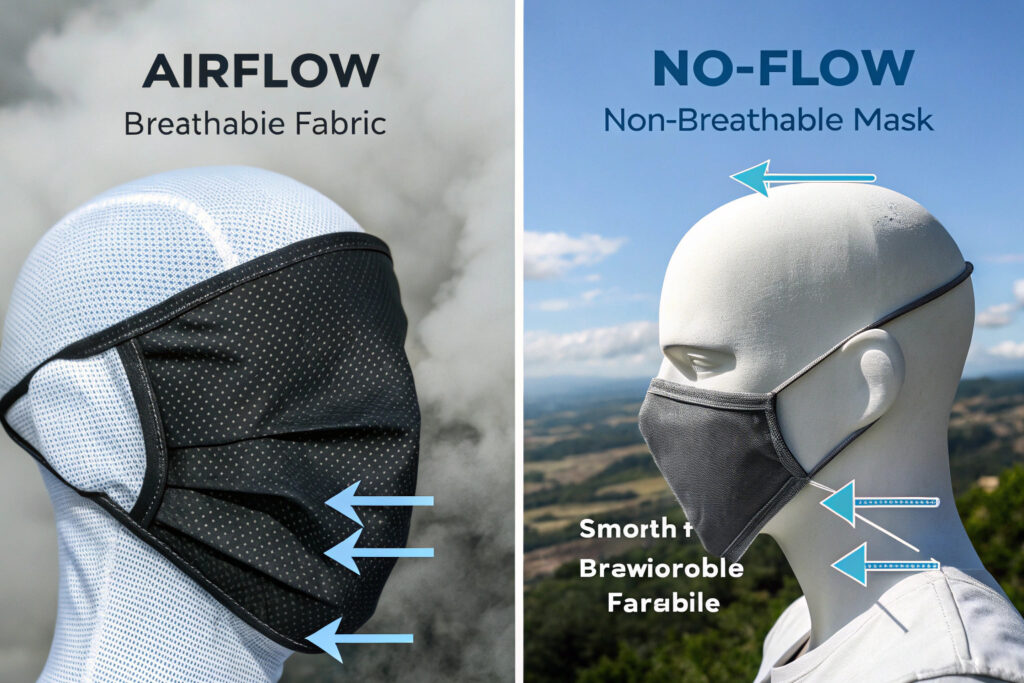
Absolutely. A mask that traps heat or limits airflow makes it harder to breathe and causes skin irritation. Many customers will simply stop wearing it—or worse, wear it incorrectly.
At Global-Caps, we’ve tested breathability using industry benchmarks like ASTM D737 (Air Permeability Test). For daily wear, fabrics should pass at least 60 CFM (cubic feet per minute) at 0.5-inch pressure drop.
That’s why buyers across the U.S. and Europe increasingly demand soft, breathable cloth masks—especially in warmer seasons or for retail environments.
You can learn more about ASTM mask standards to guide your sourcing decisions.
What Factors Affect a Fabric's Breathability?
Several key factors play a role:
| Factor | Impact on Breathability |
|---|---|
| Fiber Content | Natural > Synthetic generally |
| Weave/Knit Structure | Looser = More airflow |
| GSM (Fabric Weight) | Lower GSM = More breathable |
| Finish Treatments | Coatings can block air |
Choosing the right balance is key. For example, a 2-ply cotton jersey is breathable but may need additional structure. A cotton-silk blend might feel luxurious but cost more.
Textile School offers a detailed guide on fabric weights and air permeability.
Which Fabrics Offer the Best Natural Breathability?

Is Cotton Still the Best All-Around Option?
Yes, especially for basic everyday use. Cotton is:
- Naturally breathable
- Soft and skin-friendly
- Cost-effective for bulk orders
- Easy to dye and print
We recommend using combed or ring-spun cotton for better yarn structure and less lint. A 100-120 GSM single jersey knit offers an ideal balance for comfort and air passage.
Brands like Hanes and Unite Medical base their mask lines on cotton for this very reason.
How Do Bamboo and Modal Compare?
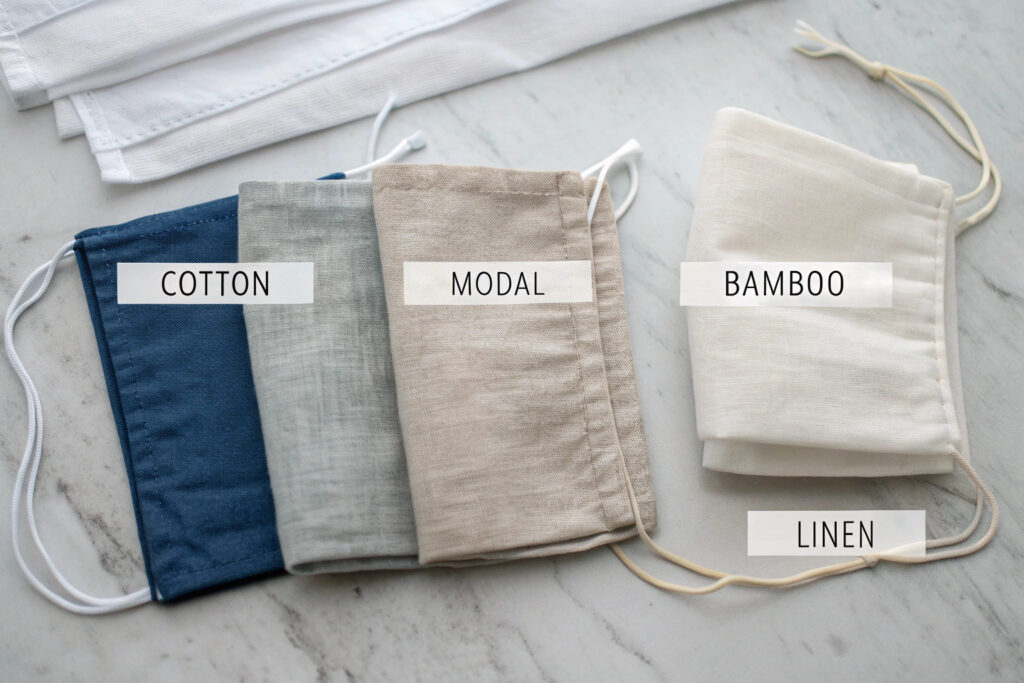
Bamboo viscose and modal (a semi-synthetic derived from beech trees) outperform cotton in moisture-wicking and softness. They're ideal for sensitive skin or long-wear applications.
- Bamboo Viscose: Anti-bacterial, soft, breathable
- Modal: Durable, smooth, excellent drape
However, sourcing must be certified. Ask for OEKO-TEX or FSC documentation when importing bamboo blends.
We ship modal-blend masks to clients in Japan and California boutiques focused on skin-conscious customers.
What Are the Best Synthetic Blends for Breathable Masks?

Can Polyester Be Breathable?
When blended correctly—yes. Pure polyester is tight and not skin-friendly, but blended versions can perform well.
Polyester-Spandex or Polyester-Rayon blends are:
- Stretchy
- Lightweight
- Quick-drying
- Low cost for high volume runs
For performance masks, we often recommend poly-tricot knits or athletic mesh with anti-microbial finish. They pass high airflow tests and retain shape better than cotton after washing.
Visit Polartec to explore performance knit blends commonly used in sportswear and face coverings.
What About Double-Layer Mesh or Spacer Fabrics?
These offer a cushiony, breathable effect while maintaining structure. Some high-end fashion brands use 3D spacer fabric to combine airflow with visual depth.
However, MOQ and sourcing cost may be higher. We suggest these for premium SKUs or rebranded versions targeting gym wear and influencers.
How Can You Customize Breathable Fabrics Without Losing Airflow?

Is It Possible to Add Filtration Without Blocking Air?
Yes. Many of our clients combine breathable outer and inner layers with a hidden filtration layer—such as:
- Meltblown polypropylene
- Nanofiber sheets
- Cotton voile or nonwoven interfacing
These are placed in the center or added via a filter pocket, giving structure without overstuffing.
One trick is to use bias-cut inner liners, which stretch with movement and breathe better.
Sites like Smart Air Filters offer test data comparing fabric breathability + filtration rates.
Can You Add Features Like Antimicrobial or UV Without Sealing the Fabric?
Yes, if the treatment is water-based or gas-infused. We use Silvadur™ or zinc oxide finishes, which don’t clog fibers.
Avoid vinyl prints or heavy coatings—these block airflow. Also avoid resin-based wrinkle treatments unless OEKO-TEX certified.
Customizing for comfort and performance is about pairing soft touch with smart construction—not just piling layers.
Conclusion
When it comes to everyday cloth face coverings, breathable fabric makes or breaks product success. Customers want masks they can wear all day—without sweat, itching, or gasping for air.
Natural fibers like cotton, bamboo, and modal lead the pack in softness and airflow. Meanwhile, modern blends like poly-spandex and tricot knits offer stretch and shape for sportier needs.
At Global-Caps, we offer a full lineup of breathable fabrics—with testing, samples, and sourcing all handled in-house. Whether you're building a fashion-forward collection or a practical everyday range, we help you breathe easier—literally and strategically.