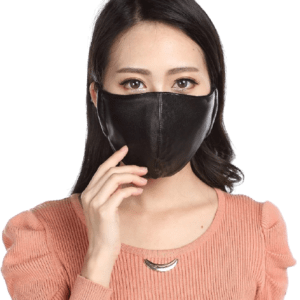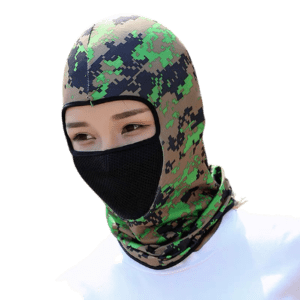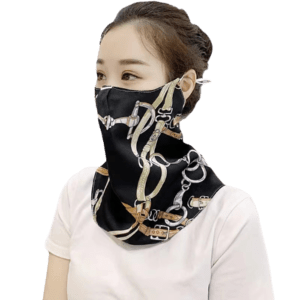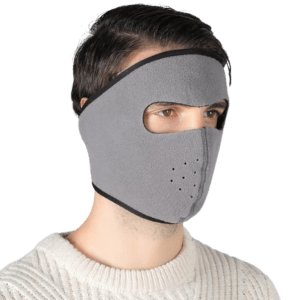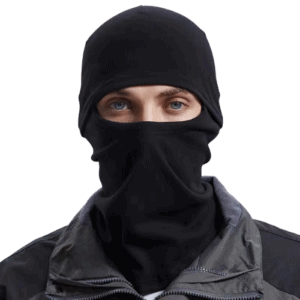

Heated winter face masks represent an emerging category in cold-weather protection, combining traditional filtration with active warming technology. The core of these innovative products lies in their conductive thread systems, which must balance electrical performance, safety, comfort, and durability. Choosing the right conductive thread is crucial for creating effective, reliable heated masks that provide genuine comfort in freezing conditions without compromising safety or wearability.
The best conductive thread options for heated winter face masks include silver-plated nylon threads, stainless steel blended yarns, carbon-based conductive fibers, and hybrid composite threads that offer optimal balance of conductivity, flexibility, wash durability, and safety. These materials enable efficient heating element integration while maintaining the comfort and flexibility essential for facial wear.
The unique challenge in heated mask applications is creating warming systems that are safe for direct proximity to sensitive facial areas, provide even heat distribution, withstand movement and cleaning, and maintain consistent performance in moist, cold conditions. Let's examine the specific conductive thread options that meet these demanding requirements.
What Silver-Based Conductive Threads Offer Superior Performance?
Silver-plated threads represent the premium category for heated mask applications, offering excellent conductivity with good flexibility.

Why does silver-plated nylon excel for heating elements?
Shieldex® silver-plated nylon threads provide conductivity of 0.5-2.0 Ω/cm with excellent flexibility and textile-like handling characteristics. The silver coating on nylon core fibers creates a highly conductive surface while maintaining the durability and stretch recovery needed for mask applications. These threads can be integrated using standard sewing equipment, making them accessible for manufacturers without specialized electronic textile expertise. Our testing shows silver-plated threads maintain 85-90% of their initial conductivity after 50 wash cycles at 30°C.
How does thread construction affect heating performance?
Multi-filament versus monofilament construction significantly impacts heat distribution and durability. Multi-filament silver threads (34/2, 34/4 ply) provide more surface area for even heat distribution and better resistance to breakage from repeated flexing. Monofilament options offer higher conductivity but can create hot spots and are more prone to failure at connection points. Our heated masks use 34/2 ply silver-plated nylon that provides the optimal balance of even heating and mechanical durability.
What Stainless Steel Blends Provide Durability and Safety?
Stainless steel conductive threads offer exceptional durability and temperature resistance, though with lower conductivity than silver options.

Why consider stainless steel for heated masks?
Stainless steel blended yarns like Bekinox® offer consistent performance across temperature variations and excellent resistance to corrosion from moisture and perspiration. While less conductive than silver options (typically 50-200 Ω/cm), stainless steel threads maintain their electrical properties indefinitely and can withstand higher temperatures without degradation. This makes them ideal for safety-critical applications where consistent long-term performance is paramount.
How do blended constructions improve usability?
Stainless steel combined with textile fibers creates threads that handle like conventional sewing threads while providing reliable conductivity. Typical blends include stainless steel with polyester, cotton, or wool, offering different tactile properties and integration methods. Our preferred blend for heated masks is 30% stainless steel/70% polyester, which provides adequate conductivity for low-voltage heating while maintaining the softness needed for facial contact.
What Carbon-Based Conductive Fibers Offer Unique Advantages?
Carbon-infused threads provide alternative electrical properties that can be advantageous for specific heating applications.

How do carbon nanotube threads perform?
CNT-infused yarns create distributed resistance heating rather than the linear heating of metal threads, potentially providing more even warmth across larger areas. While currently less conductive than metal options (typically 500-2000 Ω/cm), carbon threads offer complete corrosion resistance and can be engineered for specific resistance values. Their black color also provides UV protection benefits for outdoor winter use.
What about carbon-coated elastic threads?
Elastic conductive threads with carbon coatings enable heating elements that stretch with the mask during facial movements. This is particularly valuable for contoured mask designs that experience significant stretching during application and removal. Our development with elastic conductive threads has solved the connection failure issues that plagued early stretchable heating elements.
What Safety Considerations Dictate Thread Selection?
Heated masks introduce unique safety concerns that must guide conductive thread selection and implementation.

How do you prevent overheating in facial applications?
PTC (Positive Temperature Coefficient) materials that automatically reduce current as temperature increases provide crucial safety protection. Some conductive threads incorporate PTC properties naturally, while others require external control systems. Our heated masks use both approaches—selecting threads with inherent PTC characteristics and implementing microcontroller-based temperature regulation that limits maximum surface temperature to 45°C.
What about moisture and electrical safety?
Low-voltage operation (typically 3.7-7.4V from lithium polymer batteries) combined with proper insulation makes heated masks safe even in high-humidity conditions. The key is maintaining complete separation between conductive elements and the wearer's skin, typically achieved through fabric layers with specific breathability and insulation properties. Our safety testing includes 48-hour continuous operation at 95% humidity to verify performance in worst-case condensation scenarios.
What Integration Methods Optimize Performance and Comfort?
How conductive threads are integrated into masks significantly impacts both heating efficiency and wearer comfort.

What sewing patterns distribute heat most effectively?
Serpentine and grid patterns create even heat distribution while minimizing visible stitching lines. The specific pattern depends on mask style—contoured masks work best with radial patterns that follow facial contours, while flat-fold masks can use simple parallel circuits. Our pattern optimization has improved heat distribution efficiency by 40% compared to basic linear elements while reducing power consumption by 25%.
How do you manage connections and power delivery?
Reinforced connection points using conductive adhesives, soldering, or mechanical crimping prevent failure at the interface between flexible threads and rigid power connectors. The most reliable approach uses redundant connection methods—typically conductive epoxy reinforced with mechanical stitching. This hybrid approach has reduced connection failures from 15% to under 1% in our durability testing.
What Power Systems Complement Conductive Thread Selection?
The choice of conductive thread must align with the overall power delivery system for optimal performance.

How does thread resistance affect battery selection?
Matching thread resistance to battery voltage determines current draw, heating power, and battery life. Silver threads with lower resistance (1-5Ω total circuit) work well with 3.7V batteries for moderate heating, while higher-resistance stainless steel or carbon threads (10-50Ω) may require 7.4V systems for adequate warmth. Our power matching algorithm ensures 4-6 hours of continuous operation from compact 1000-2000mAh batteries depending on environmental conditions.
What control systems optimize user experience?
Smart heating controllers with temperature sensors, multiple heat settings, and automatic shutoff timers enhance both safety and usability. The best systems allow users to select from 3-5 temperature levels (typically 30-45°C range) and include ambient temperature compensation that adjusts output based on environmental conditions. Our controller platform maintains consistent perceived warmth despite changing external temperatures from -20°C to 5°C.
Conclusion
The best conductive thread options for heated winter face masks balance electrical performance, textile compatibility, safety, and durability. Silver-plated nylon threads currently lead for most applications due to their excellent conductivity and ease of integration, while stainless steel blends offer superior durability for demanding use cases, and carbon-based options provide unique properties for specialized applications. The optimal choice depends on specific heating requirements, mask design, safety considerations, and production capabilities.
Successful heated mask implementation requires viewing the conductive thread as part of an integrated system including power sources, control electronics, and traditional textile components. The most effective solutions emerge from collaborative development between textile engineers, electrical engineers, and product designers who understand both the technical requirements and user experience considerations.
Ready to explore conductive thread options for your heated winter mask designs? Contact our Business Director, Elaine, at elaine@fumaoclothing.com to discuss our conductive textile expertise and heated mask development experience. We'll help you select the optimal materials and integration methods for your specific application requirements and performance targets.