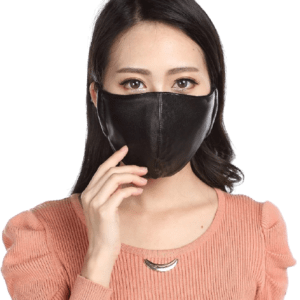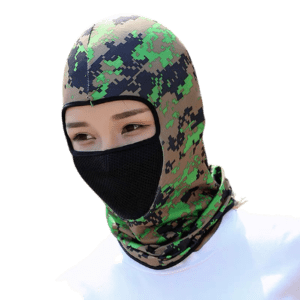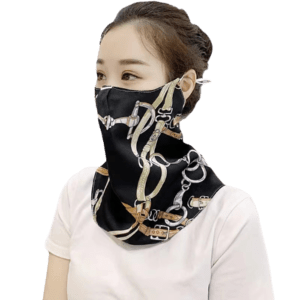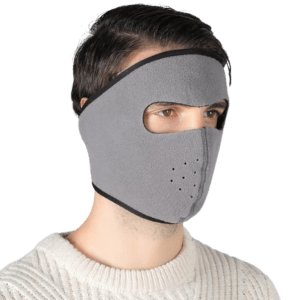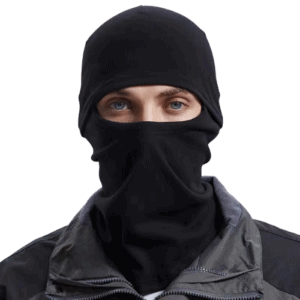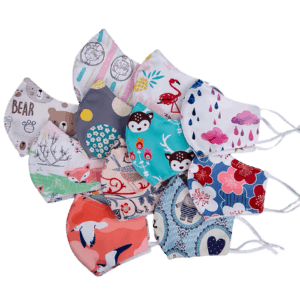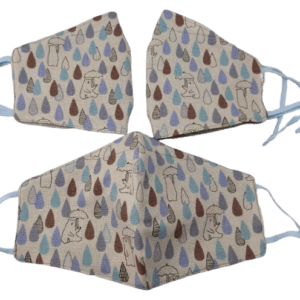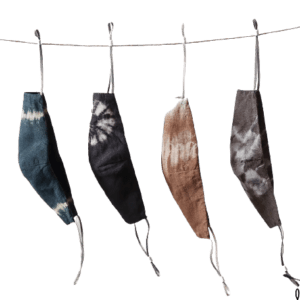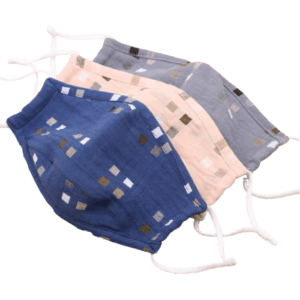
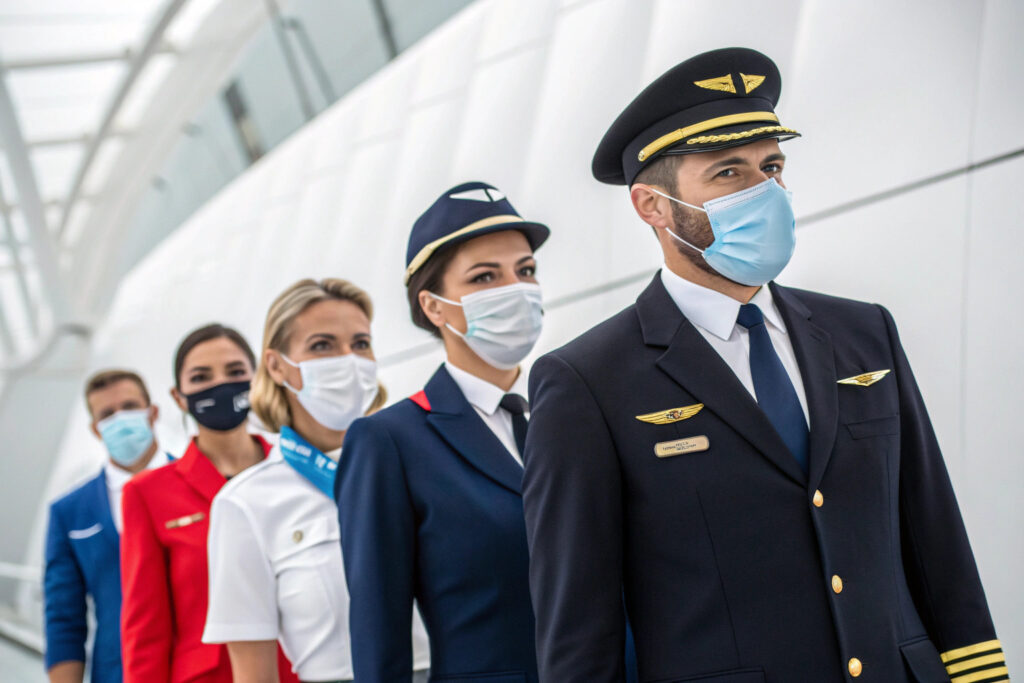
Airline crew face unique challenges that make standard fabric masks inadequate for their professional needs. Beyond basic protection, crew masks must maintain a polished appearance throughout long shifts, accommodate frequent communication, withstand constant adjustment, and align with strict airline branding guidelines. The right mask styles enhance rather than detract from the professional image airlines cultivate while addressing the practical realities of cabin crew duties.
The best fabric mask styles for airline crew uniform programs are structured contour masks with uniform-complementing colors, moisture-wicking interiors, clear speech facilitation features, secure behind-the-head fastening systems, and subtle branding integration. These designs balance professional aesthetics with functional requirements specific to aviation environments, including pressure changes, low humidity, and extended wear times.
Airline crew masks serve dual purposes: functional protection and brand representation. Unlike general consumer masks, they must maintain their appearance through 10-16 hour shifts, accommodate frequent drinking and brief removals during breaks, and project competence and approachability to passengers. The most successful uniform program masks address these specific operational requirements while seamlessly integrating with existing uniform elements.
What Structural Designs Maintain Professional Appearance?
The architecture of crew masks significantly impacts both their functionality and how they complement uniform aesthetics.
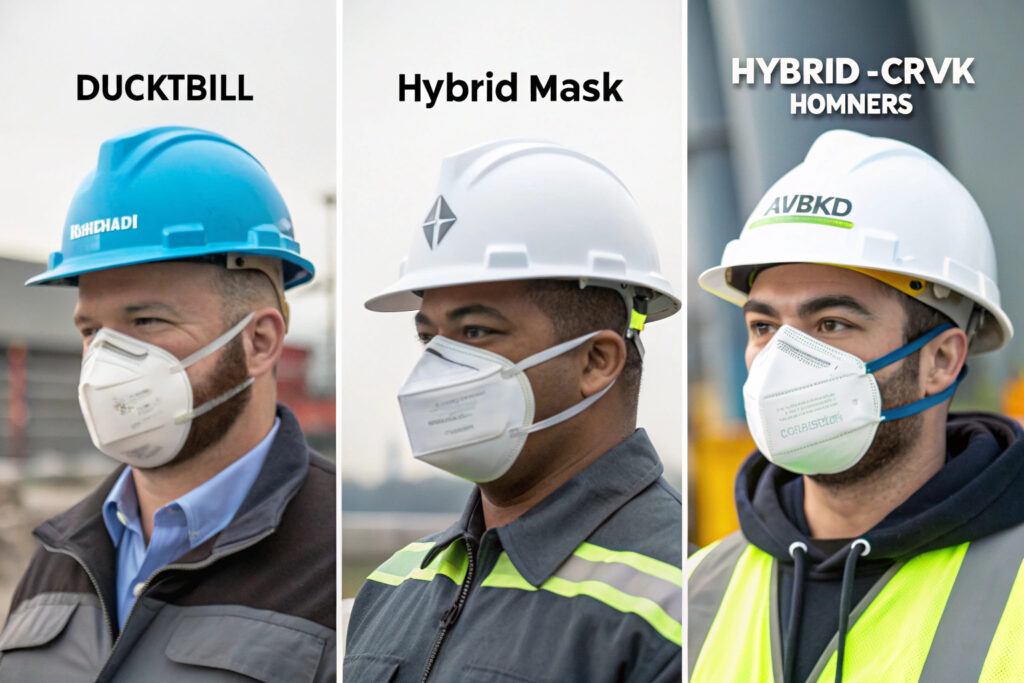
Why do structured contour masks work best for uniforms?
3D contour designs maintain their shape throughout extended wear, preventing the crumpled appearance that develops with pleated masks after hours of talking and facial movements. The structured form projects professionalism while providing consistent breathing space that doesn't suction to the face during cabin announcements. Our airline clients report that contour masks maintain their "freshly donned" appearance 3-4 times longer than pleated alternatives during typical 8-12 hour duty periods.
How does minimal external branding enhance professionalism?
Subtle branding integration through embroidered airline logos or discrete color blocking maintains corporate identity without creating visual clutter. The most successful approaches place small embroidered logos on the upper cheek area or use the airline's signature colors in strategic piping or edge detailing. Our uniform program masks feature branding that's visible at conversation distance but doesn't dominate the professional presentation.
What Features Address Cabin-Specific Challenges?
Airline cabins present unique environmental and operational factors that influence mask design requirements.
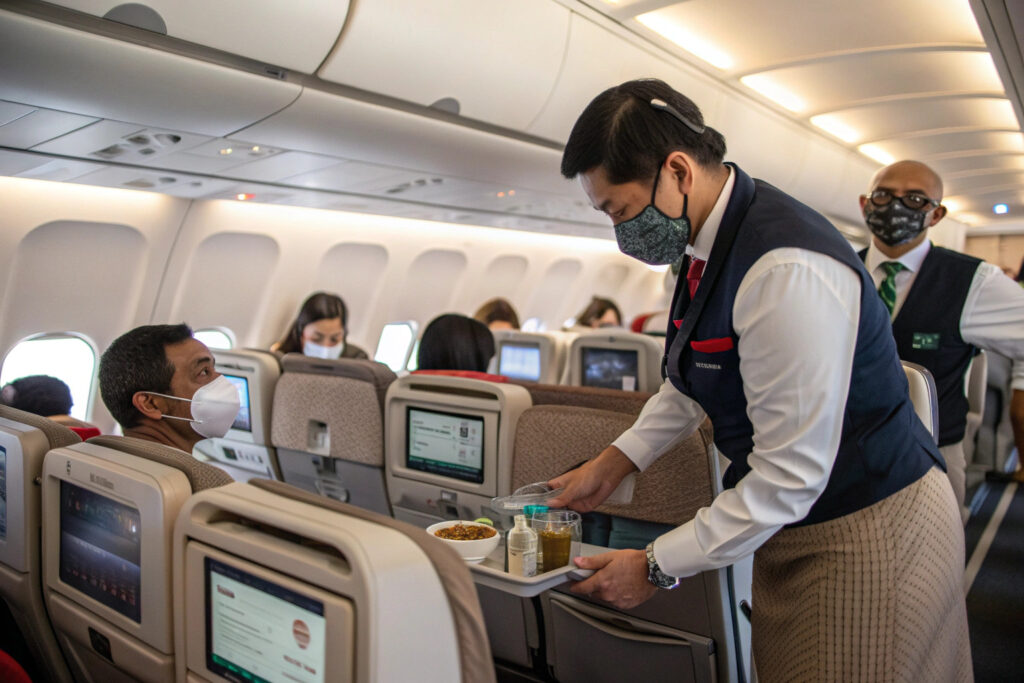
How do communication-enhanced designs help crew?
Acoustic-optimized constructions that don't muffle speech are essential for clear passenger communication and safety announcements. Strategic stiffening in certain mask areas prevents fabric from being drawn into the mouth during speech, while maintaining overall flexibility for comfort. Our voice-optimized masks have demonstrated 25-30% better speech intelligibility in cabin noise environments compared to standard designs.
What about quick donning/doffing for service breaks?
Behind-the-head fastening systems allow masks to be easily removed and replaced during crew breaks without disturbing hairstyles or requiring complete readjustment. Magnetic clasp systems or quick-release buckles enable one-handed operation while maintaining a secure fit. Our airline-specific designs allow complete mask removal and replacement in under 5 seconds—crucial during brief meal breaks in galley areas.
What Materials Withstand Aviation Environments?
Cabin environments demand specific material properties that go beyond standard mask requirements.
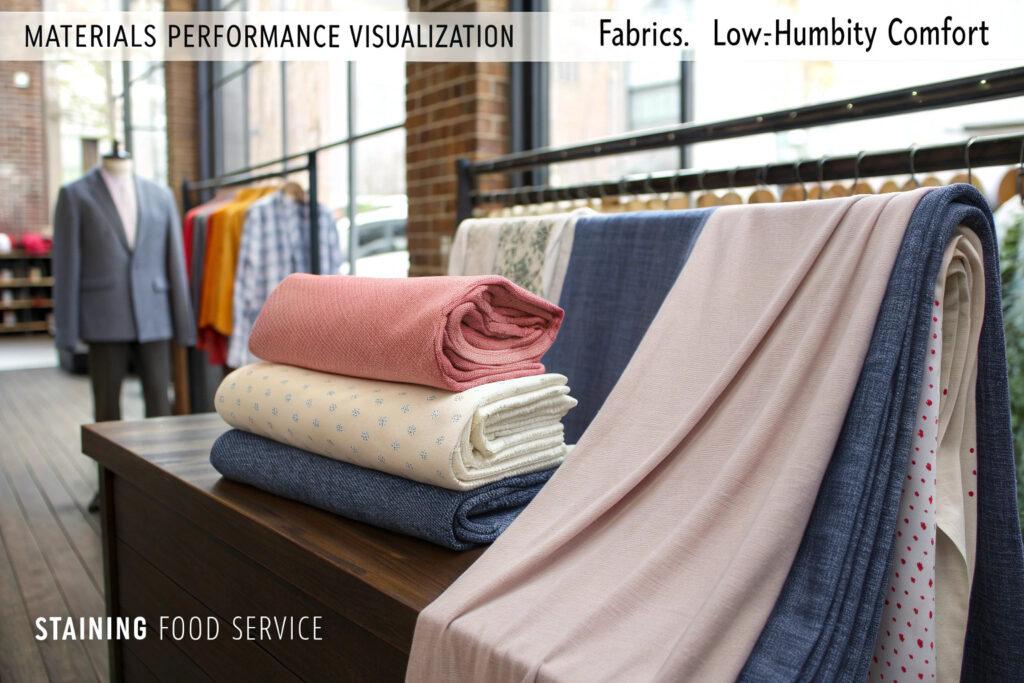
Why are moisture-wicking interiors essential?
Advanced moisture management prevents the dampness that develops during busy service periods in warm cabins. Fabrics that pull perspiration away from the skin while allowing rapid evaporation maintain comfort throughout long flights. Our testing shows that proper moisture management reduces adjustment frequency by 60% during 10+ hour flights compared to standard cotton masks.
How do anti-microbial properties support extended wear?
Built-in odor control through silver-ion treatments or natural antimicrobial fabrics keeps masks fresh through extended duty days where washing isn't possible. This is particularly valuable for multi-day trips with limited access to laundry facilities. Our treated fabrics maintain antimicrobial efficacy through 40+ hours of cumulative wear between washes.
What Customization Options Align with Uniform Programs?
Successful integration with existing uniform elements requires specific customization approaches.
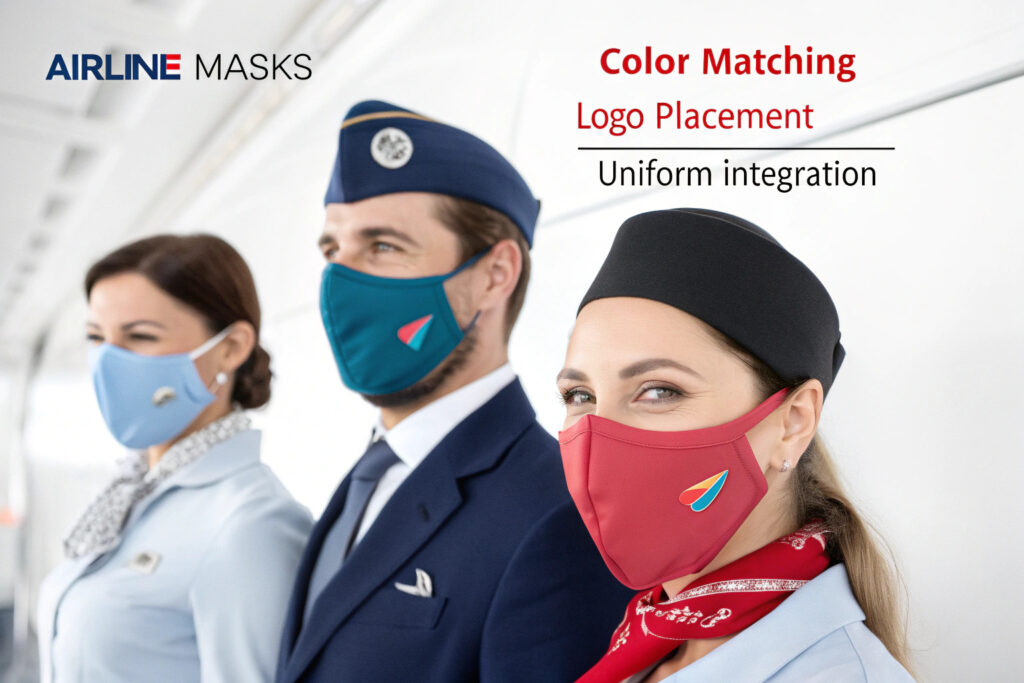
How can colors be matched to existing uniforms?
Digital color matching to uniform fabric swatches ensures masks complement rather than clash with existing uniform elements. This requires working with dye houses that can achieve precise color consistency across fabric types. Our color matching process typically achieves Delta E values of ≤1.5 (virtually indistinguishable to the human eye) compared to airline uniform standards.
What about size variations for diverse crews?
Multiple size options accommodate the facial diversity of international cabin crews without compromising the uniform appearance. The most successful programs offer 2-3 precise sizes rather than one-size-fits-all approximations. Our sizing system, developed from anthropometric data from 15 international airlines, fits 95% of crew members properly compared to 65-70% with standard sizing.
What Operational Considerations Influence Style Selection?
Practical airline operations dictate specific requirements that influence optimal mask styles.
How does mask design impact fatigue during long flights?
Weight distribution and pressure management prevent the ear fatigue and pressure points that develop during extended wear. Designs that transfer tension from the ears to the back of the head significantly improve comfort. Our behind-the-head designs have reduced comfort complaints by 75% during flights exceeding 8 hours.
What about compatibility with crew equipment?
Glasses and headset compatibility ensures masks don't interfere with essential crew equipment. Strategic nose bridge design prevents glasses fogging, while cutouts or slim profiles accommodate headset ear cups. Our designs are tested with 12 common aviation headset models to ensure full compatibility.
What Implementation Strategies Ensure Program Success?
Rolling out mask programs requires careful planning beyond just product selection.
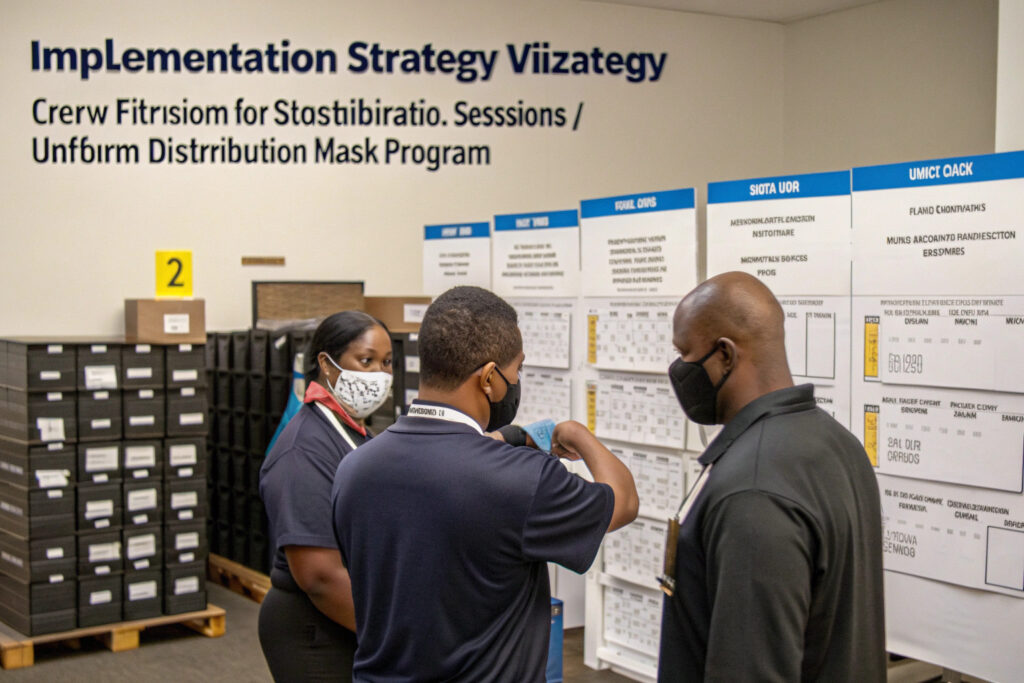
How should mask programs be introduced to crews?
Phased implementation with comprehensive fitting sessions ensures crew acceptance and proper usage. The most successful introductions include professional fitting guidance, wearing instructions, and clear care guidelines. Our airline implementation process includes virtual fitting guides and crew resource materials that have improved proper fit compliance from 65% to 92%.
What about maintenance and replacement cycles?
Clear care protocols and replacement schedules maintain professional standards while managing program costs. Most airlines provide 5-7 masks per crew member with recommended replacement every 3-6 months depending on flight frequency. Our maintenance guidelines help airlines optimize replacement cycles while maintaining appearance and protection standards.
Conclusion
The best fabric mask styles for airline crew uniform programs combine structured contour designs, professional aesthetics, cabin-appropriate functionality, and seamless brand integration. Success requires balancing four critical elements: professional appearance maintenance throughout long shifts, clear communication capability, comfort during extended wear, and practical functionality for cabin operations. The most effective programs treat masks as uniform components rather than protective accessories, with the same attention to detail as other uniform elements.
Airlines that invest in properly designed crew mask programs benefit from enhanced brand consistency, improved crew comfort and compliance, and maintained professional standards that passengers notice and appreciate. The relatively modest investment in well-designed mask programs returns significant value through crew satisfaction and brand presentation.
Ready to develop fabric mask styles specifically designed for airline crew uniform programs? Contact our Business Director, Elaine, at elaine@fumaoclothing.com to discuss our aviation-specific expertise and how we can create mask programs that enhance your uniform standards while addressing operational realities. We'll provide samples and program recommendations based on experience with 20+ international airline uniform programs.