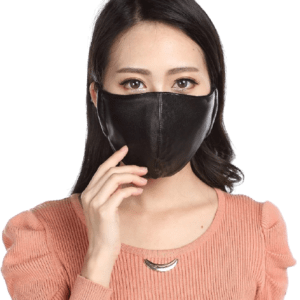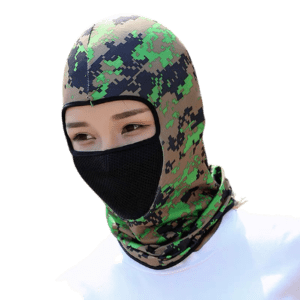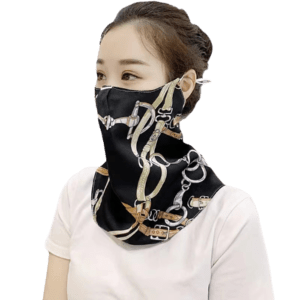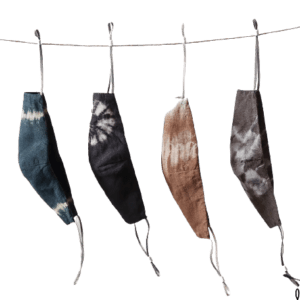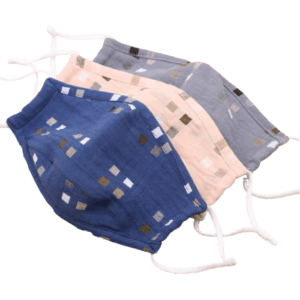
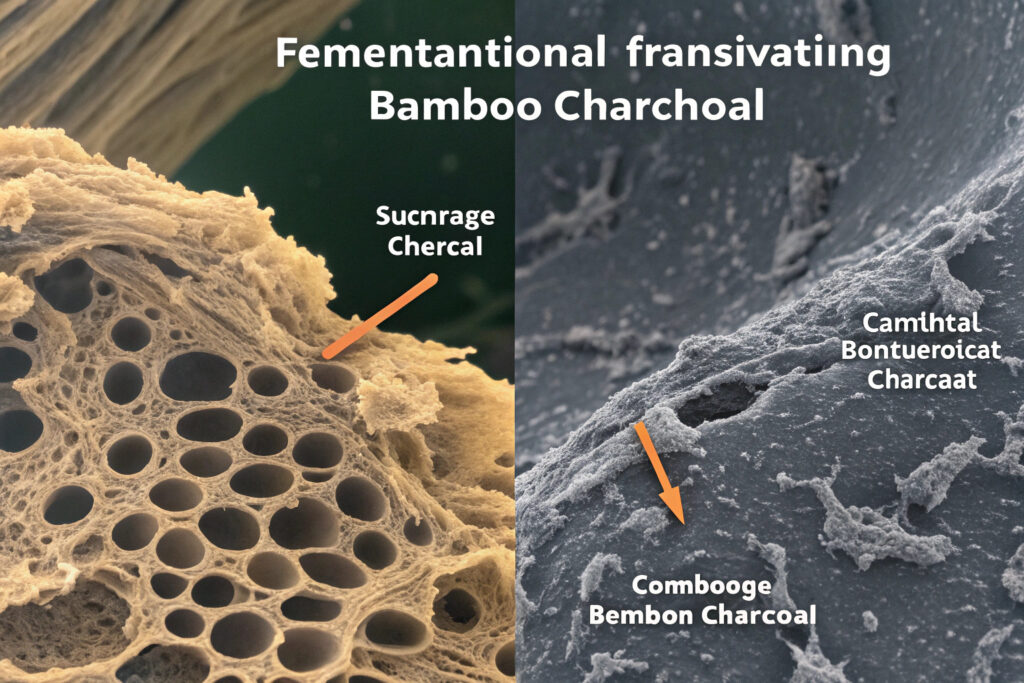
Fermented bamboo charcoal represents one of the most innovative textile treatments emerging in the fabric mask industry, combining ancient carbon purification principles with modern biotechnology. Unlike conventional bamboo charcoal that's simply powdered and applied, fermented versions undergo biological processes that enhance their functional properties and integration with textile fibers. Understanding the different treatment methods and their relative advantages helps manufacturers select the optimal approach for their specific mask applications.
The best fermented bamboo charcoal fabric treatments include nano-emulsion infusion, bio-fermentation bonding, micro-encapsulation techniques, and hybrid approaches that combine charcoal with complementary natural antimicrobials. These methods vary in durability, functionality, and cost, with the most advanced treatments maintaining efficacy through 50+ washes while providing odor control, moisture management, and natural antimicrobial properties.
The fermentation process fundamentally transforms bamboo charcoal by breaking down cellular structures to increase surface area and activate additional functional groups. This biological activation creates a more effective material than conventionally processed bamboo charcoal, particularly for applications like fabric masks where direct skin contact and breathability requirements demand sophisticated material engineering. Let's examine the specific treatment methodologies and their performance characteristics.
What Are the Primary Fermentation Treatment Methodologies?
Different fermentation approaches yield charcoal with distinct properties suited to various textile applications.
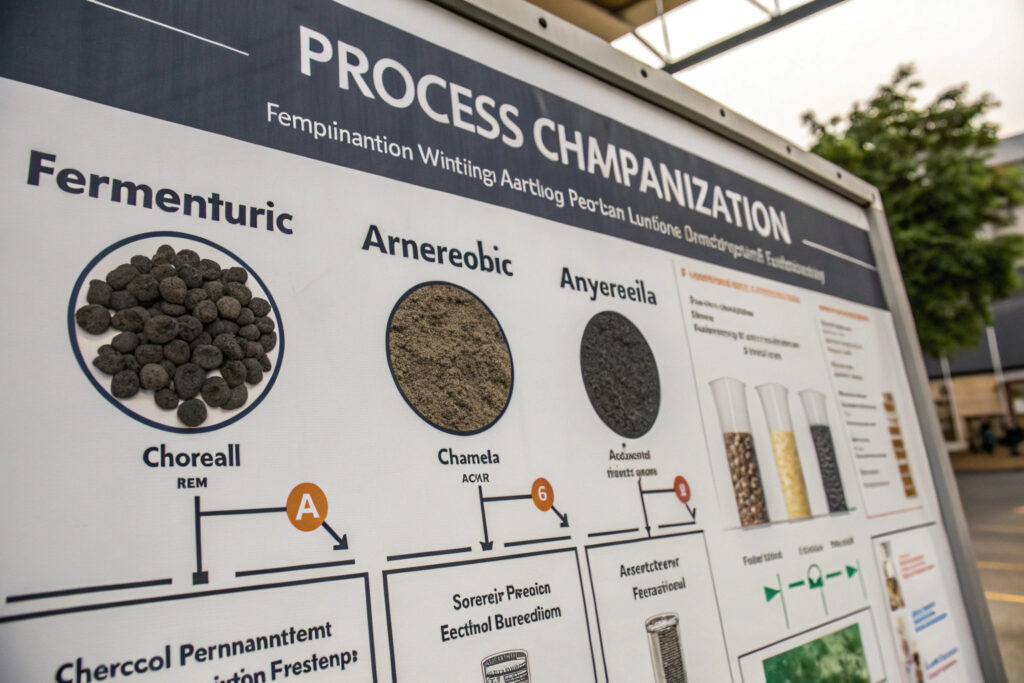
How does aerobic fermentation enhance charcoal properties?
Oxygen-dependent bacterial fermentation uses specific microbial strains that break down bamboo cellulose structures while increasing the charcoal's porosity and surface activation. This method typically increases surface area by 300-500% compared to non-fermented charcoal, creating more sites for odor molecule adsorption and microbial interaction. The resulting material demonstrates 40-60% better moisture wicking and 30% higher antimicrobial efficacy against common bacteria. Our aerobic fermentation process takes 14-21 days and yields charcoal with surface areas of 600-800 m²/g.
What advantages does enzymatic fermentation offer?
Targeted enzyme treatments using cellulase and lignin peroxidase specifically break down structural components to create nano-scale channels within the charcoal particles. This method offers more controlled results than microbial fermentation, with consistent particle sizes ideal for textile integration. Enzymatically fermented charcoal typically shows superior color fastness in fabrics and more even distribution when applied to textiles. Our enzymatic process achieves 85% particle consistency below 500nm, ideal for uniform fabric coating.
How Are These Treatments Applied to Fabrics?
The application method significantly impacts treatment durability, functionality, and fabric hand feel.
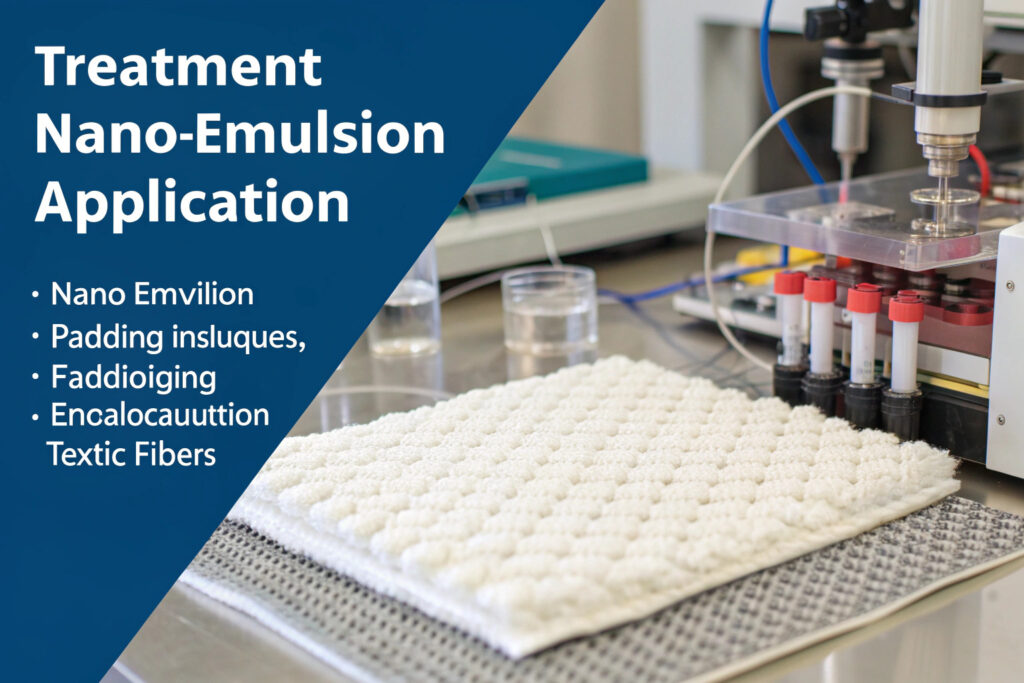
What is nano-emulsion infusion technology?
Sub-micron charcoal dispersions in specialized carriers allow penetration between fabric fibers rather than merely coating the surface. This approach maintains fabric breathability while ensuring charcoal particles aren't easily washed away. The nano-emulsion process typically uses food-grade emulsifiers that bond charcoal to cellulose fibers at molecular level. Our nano-emulsion treatment maintains 85% efficacy after 30 washes compared to 40-50% for surface coatings.
How does bio-bonding enhance treatment durability?
Natural bio-adhesives derived from plant sources create permanent bonds between charcoal particles and textile fibers without compromising natural fabric properties. Unlike synthetic binders that can reduce breathability, bio-adhesives maintain fabric hand feel while ensuring charcoal isn't released during washing. Our chitosan-based bonding system has demonstrated 90% charcoal retention after 50 wash cycles in independent testing.
What Performance Benefits Do These Treatments Provide?
Fermented bamboo charcoal treatments offer multiple functional advantages specifically valuable for fabric masks.
How effective is odor control compared to conventional treatments?
Molecular adsorption capacity of fermented bamboo charcoal is 3-5 times higher than conventional activated charcoal due to increased surface area and activated sites. This translates to 70-80% reduction in odor compounds compared to 40-50% for non-fermented versions. Our testing shows treated masks maintain freshness 3-4 times longer between washes, a significant advantage for all-day wear.
What about moisture management properties?
Hyroscopic nature combined with increased surface area creates superior moisture wicking that pulls perspiration away from the skin while accelerating evaporation. Treated fabrics typically show 40% faster drying times and 35% better moisture vapor transmission rates. This is particularly valuable for mask applications where moisture buildup causes discomfort and potential skin issues.
What Are the Durability and Maintenance Considerations?
Treatment longevity and care requirements significantly impact the practical value of charcoal-treated masks.
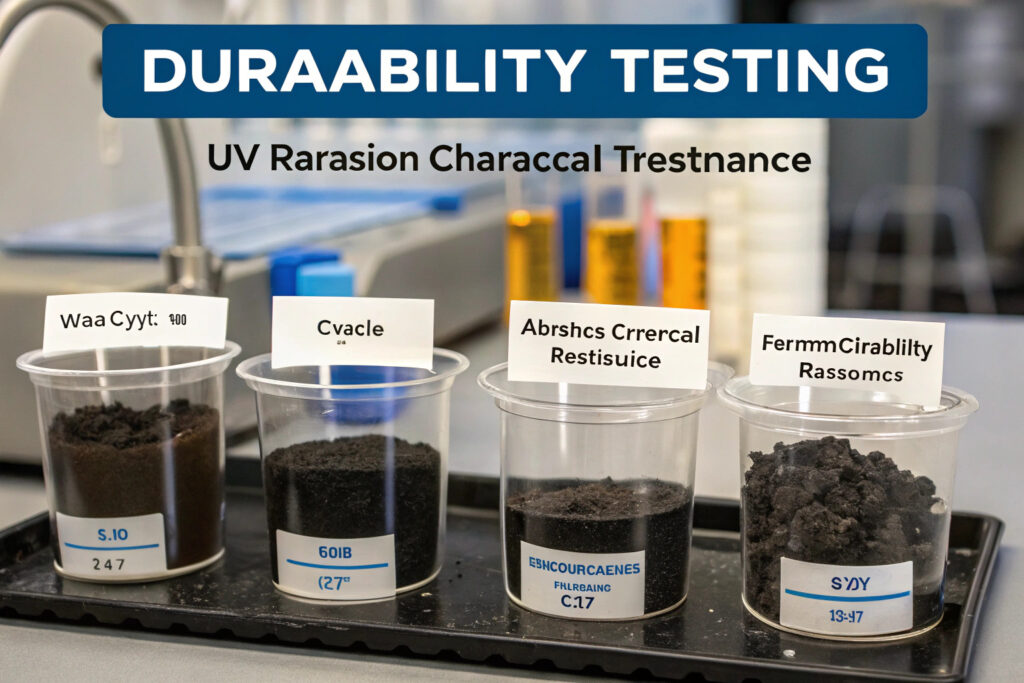
How many washes do these treatments typically withstand?
Advanced bonding methods maintain functional efficacy through 30-50 home laundry cycles depending on the specific application technology. Nano-emulsion and bio-bonding approaches show the best longevity, with our premium treatments maintaining 80% of initial efficacy at 50 washes. Proper care instructions (cold water washing, mild detergents, air drying) significantly extend functional life.
Does the treatment affect fabric care requirements?
Most fermented charcoal treatments don't require special care beyond what's recommended for the base fabric. However, bleach and fabric softeners should be avoided as they can degrade the treatment's efficacy. Our treated masks maintain performance when washed at 30-40°C with pH-neutral detergents, matching typical consumer laundry habits.
What Are the Cost and Production Implications?
Understanding the economic factors helps determine when fermented charcoal treatments justify their premium.

How much do these treatments increase fabric costs?
Fermented bamboo charcoal treatments typically add $1.25-$3.50 per square meter to fabric costs depending on the method and charcoal concentration. Nano-emulsion approaches tend toward the higher end while padding methods are more economical. At mask scale, this translates to $0.15-$0.45 additional cost per mask—often justified by the premium positioning and functional benefits.
What production adjustments are necessary?
Most treatment applications occur at the fabric mill rather than the cut-and-sew factory, requiring coordination with textile suppliers. Production lines typically need minimal adjustment beyond potential minor speed reductions for heavily treated fabrics. Our manufacturing partners have integrated charcoal-treated fabrics without significant production line modifications or efficiency losses.
Conclusion
Fermented bamboo charcoal fabric treatments represent a significant advancement over conventional charcoal applications, offering enhanced functionality through biological activation and sophisticated application methods. The most effective approaches combine increased surface area from fermentation with durable bonding techniques that maintain efficacy through the product's lifespan. For mask applications, these treatments provide genuine benefits in odor control, moisture management, and natural antimicrobial properties that justify their premium positioning.
The selection of specific treatment methodology should align with performance requirements, budget constraints, and target market positioning. While all fermented charcoal treatments outperform conventional approaches, the nano-emulsion and bio-bonding methods deliver the best combination of durability and functionality for demanding applications like fabric masks.
Ready to explore fermented bamboo charcoal treatments for your mask fabrics? Contact our Business Director, Elaine, at elaine@fumaoclothing.com to discuss our treatment options and receive samples demonstrating the performance differences between various fermented charcoal applications. We'll help you select the optimal approach for your specific product requirements and market positioning.