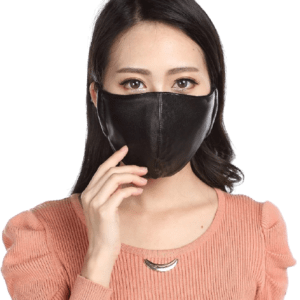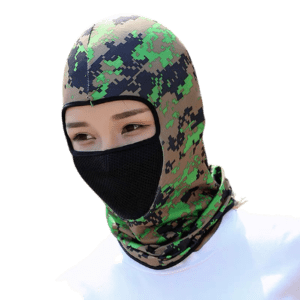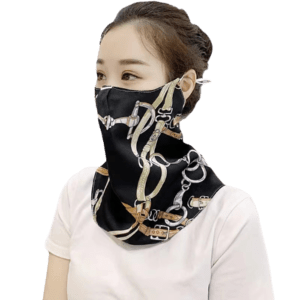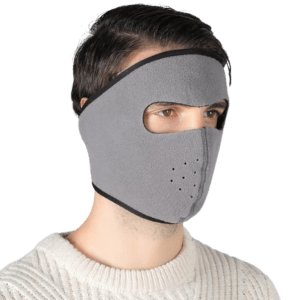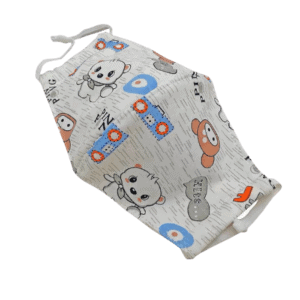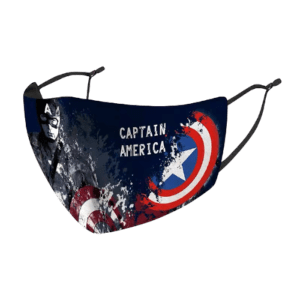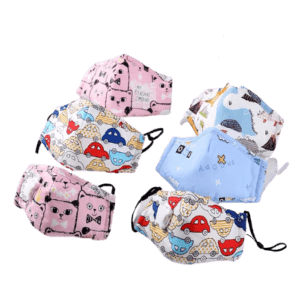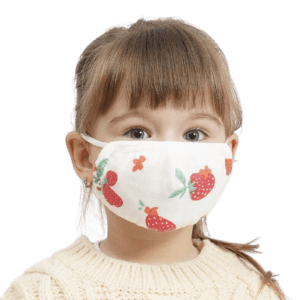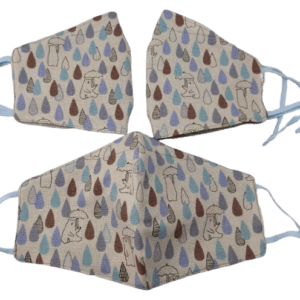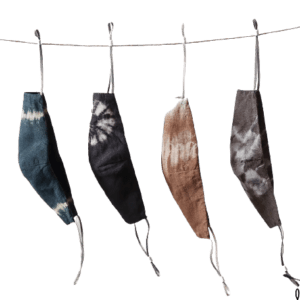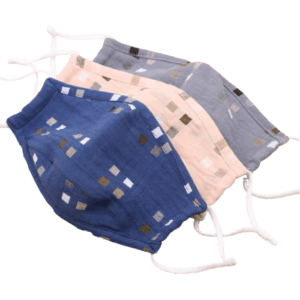
Many buyers fear the same problems when ordering bulk fabric masks. They worry about defects, late shipments, and inconsistent quality. These issues can damage trust, harm brand reputation, and waste money. Without quality control, production feels uncertain instead of reliable.
The best practices in bulk fabric mask production include strict fabric testing, step-by-step inspections, and digital traceability. A structured system ensures that products meet safety standards, perform well, and satisfy customers.
Strong quality control is not only about avoiding mistakes. It also builds trust with global buyers who expect reliable products. Let me explain the key practices that make large-scale mask production successful.
How to Ensure Material Quality From the Start?
High-quality fabric masks always begin with the right materials. If the fabric is weak, the final product cannot meet expectations.
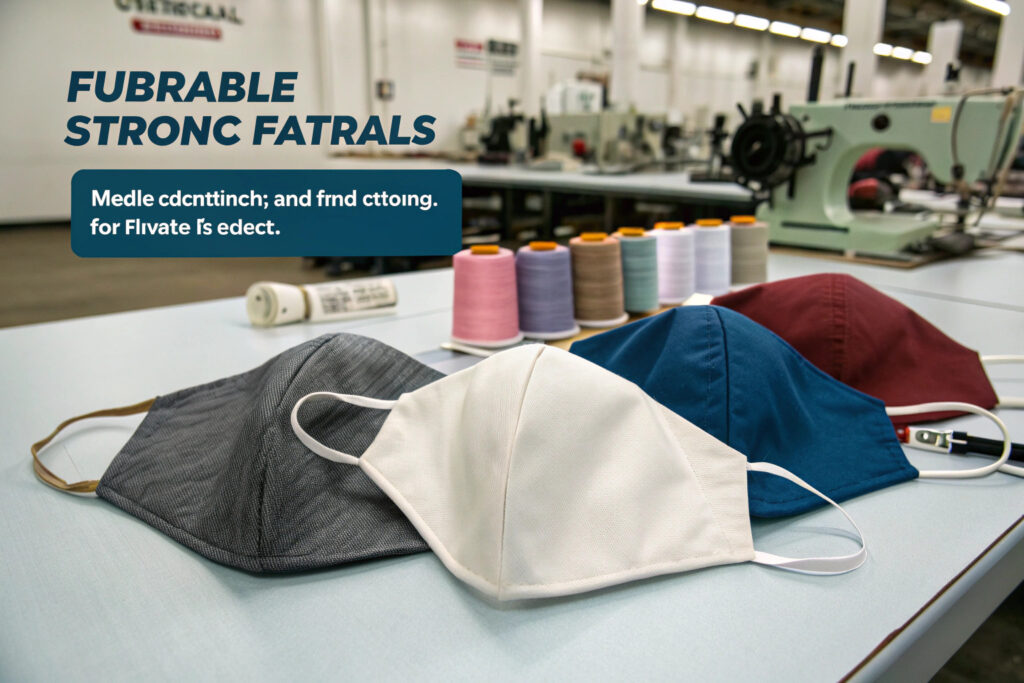
The best practice is to test every fabric batch before production starts. Reliable suppliers use lab dips, fiber analysis, and shrinkage tests to confirm quality.
Why Is Pre-Production Fabric Testing Important?
Fabric testing prevents costly mistakes. A color mismatch or high shrinkage can ruin thousands of masks. Buyers often ask for ISO 105 colorfastness tests or OEKO-TEX certification. These tests confirm that fabrics are safe and stable. Early testing helps avoid delays and protects the buyer’s reputation.
Which Fabric Standards Do Buyers Expect?
Global buyers usually want fabrics that pass ASTM F3502 and meet EU textile safety rules. These standards prove that masks are safe, breathable, and durable. Manufacturers that follow them earn more trust from international clients.
What Inspection Checkpoints Should Be in Place?
Strong fabric alone does not guarantee good masks. The production process also needs control.
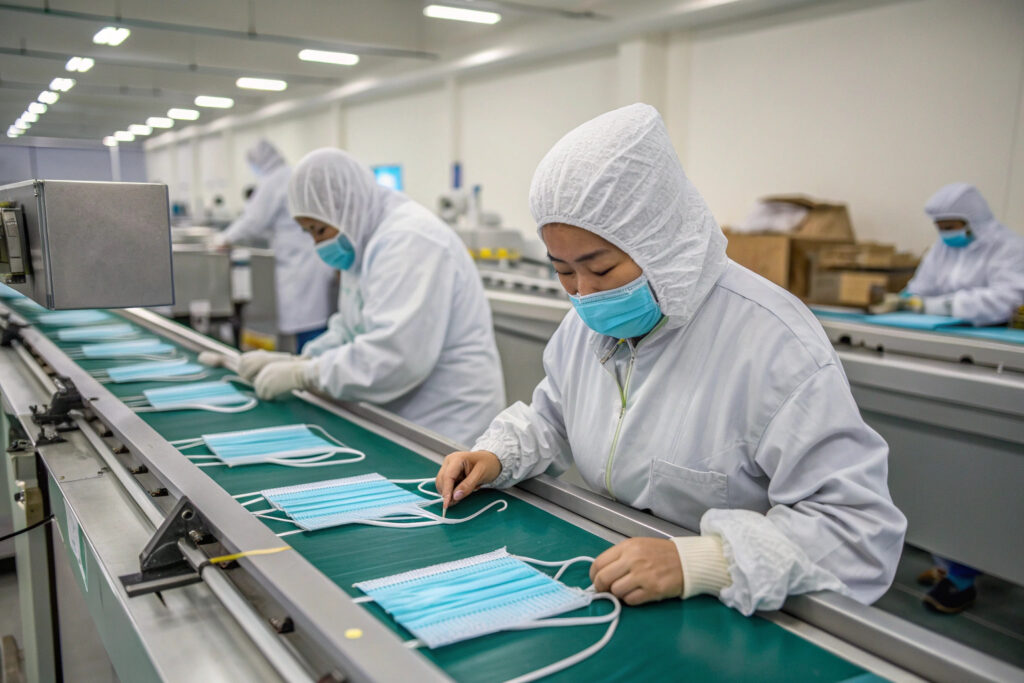
The best practice is to check masks at every stage—cutting, sewing, finishing, and packing. Quality control teams use AQL (Acceptable Quality Limit) sampling to spot problems before they spread.
How Do Inline Inspections Reduce Risk?
Inline inspections stop small mistakes from becoming large ones. A stitching error caught early can prevent thousands of defects. Many suppliers use AQL inspection methods and follow checklists for stitching, ear loops, and sizing. This keeps production steady and consistent.
What Should Final Random Inspections Cover?
Final inspections confirm the overall quality. They check packaging, labeling, breathability, and nose wire fit. Buyers often request SGS inspection services before shipment. Random checks ensure that only masks meeting all standards leave the factory.
How to Use Technology for Traceability?
Buyers now expect more than simple quality checks. They also want transparency.
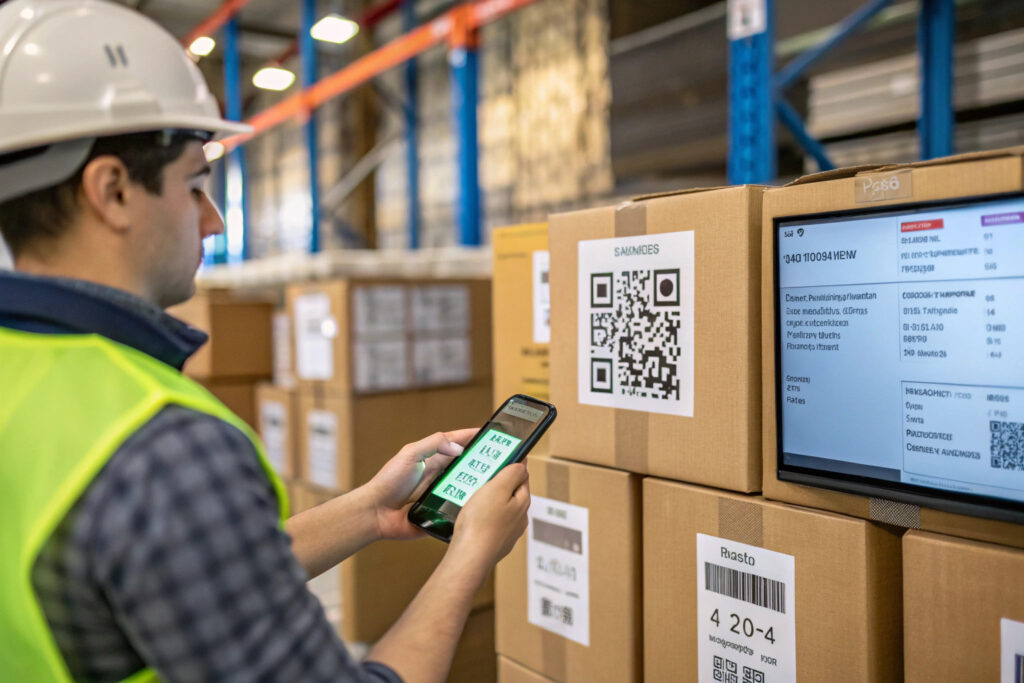
The best practice is to use QR codes and digital reports for full traceability. These tools link each shipment to fabric sources, test data, and inspection history.
Why Do Buyers Trust Digital QC Reports?
Digital reports provide clear proof of quality. If a buyer has concerns, the supplier can show Intertek test reports or shrinkage results instantly. This process reduces disputes and builds long-term trust.
How Does QR Code Tracking Improve Logistics?
QR code tracking connects each box to its test record. Buyers can scan a code and check reports directly. Platforms such as Alibaba’s Verified Supplier system already use this method. Traceability reassures global buyers and strengthens confidence in the supply chain.
Why Is Third-Party Testing Essential?
Internal inspections are important, but international clients often want independent proof.
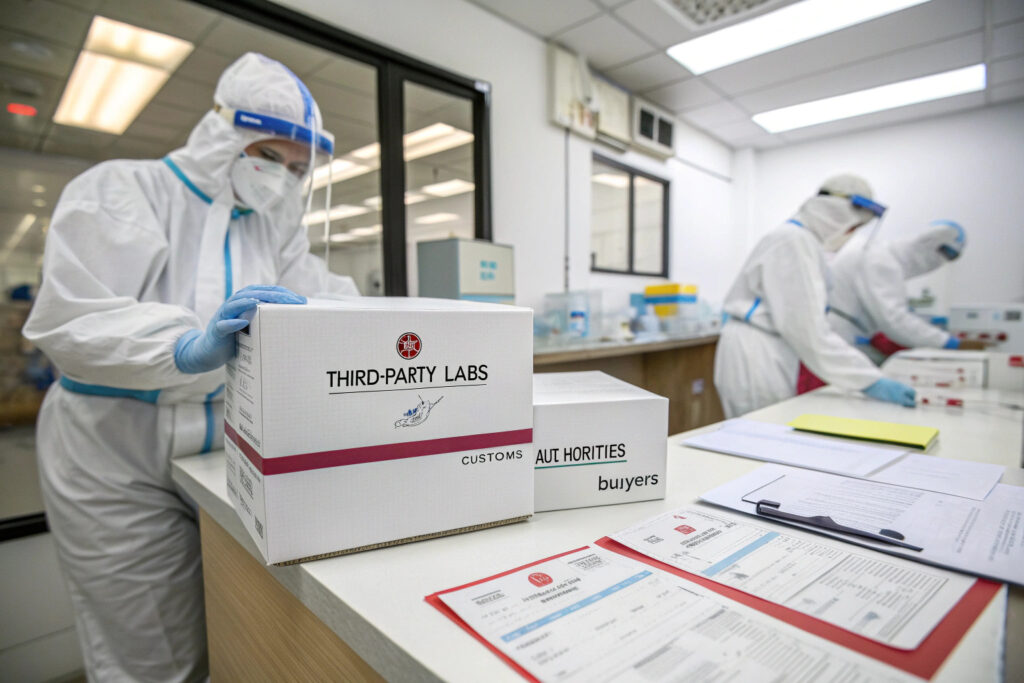
The best practice is to send masks to third-party labs. These labs provide certificates that customs authorities and buyers trust.
What Certifications Do Buyers Require?
Most buyers ask for CE approval in Europe and FDA registration in the U.S.. Independent testing ensures that masks comply with local rules. This prevents customs delays and financial losses.
How Does Independent Testing Protect Buyers?
Third-party labs add credibility. Organizations like Bureau Veritas and TÜV SÜD offer global testing services. Their reports give buyers peace of mind. Neutral verification protects both the supplier and the buyer from risk.
Conclusion
Quality control defines the success of bulk fabric mask production. Testing fabrics, monitoring production, using digital tracking, and working with third-party labs create reliable systems. Buyers value not only competitive prices but also safety and trust.
If you want to produce fabric masks with strict quality assurance, our team at Shanghai Fumao is here to help. You can reach our Business Director Elaine at elaine@fumaoclothing.com. We are ready to deliver safe, compliant, and high-quality fabric masks for your market.