
The global emphasis on hygiene and infection control has accelerated the adoption of antimicrobial materials in public and private spaces. Among these, copper and its alloys stand out for their proven, intrinsic ability to continuously kill bacteria, viruses, and fungi on contact without the need for chemicals, light, or electricity. For facilities managers, product designers, and manufacturers of high-touch equipment, identifying the best self-sterilizing copper-alloy touchpoints is key to designing inherently safer environments.
Self-sterilizing copper-alloy touchpoints are surfaces made from copper or alloys like brass and bronze that leverage the oligodynamic effect—where metal ions (primarily Cu⁺ and Cu²⁺) disrupt cellular processes of microorganisms, leading to rapid cell death upon contact. These materials provide 24/7 antimicrobial action, reducing microbial bioburden on critical touch surfaces between cleanings. The "best" touchpoints combine effective alloy composition, optimal surface design, durable fabrication, and evidence-based placement to maximize infection control impact in a cost-effective manner.
The global antimicrobial coatings and surfaces market is projected to exceed $11 billion by 2030, with copper alloys representing a significant and growing segment. Numerous studies, including clinical trials published in journals like mBio and the Journal of Hospital Infection, demonstrate that copper-alloy surfaces in hospital rooms can reduce microbial contamination by over 80% compared to standard materials. Let's examine the key factors that define the best self-sterilizing copper-alloy touchpoints for practical implementation.
What Copper Alloy Compositions Offer Optimal Antimicrobial Performance?
Not all copper alloys are created equal. The antimicrobial efficacy, corrosion resistance, mechanical properties, and cost vary significantly with composition.
How Does Copper Content Influence Kill Rates?
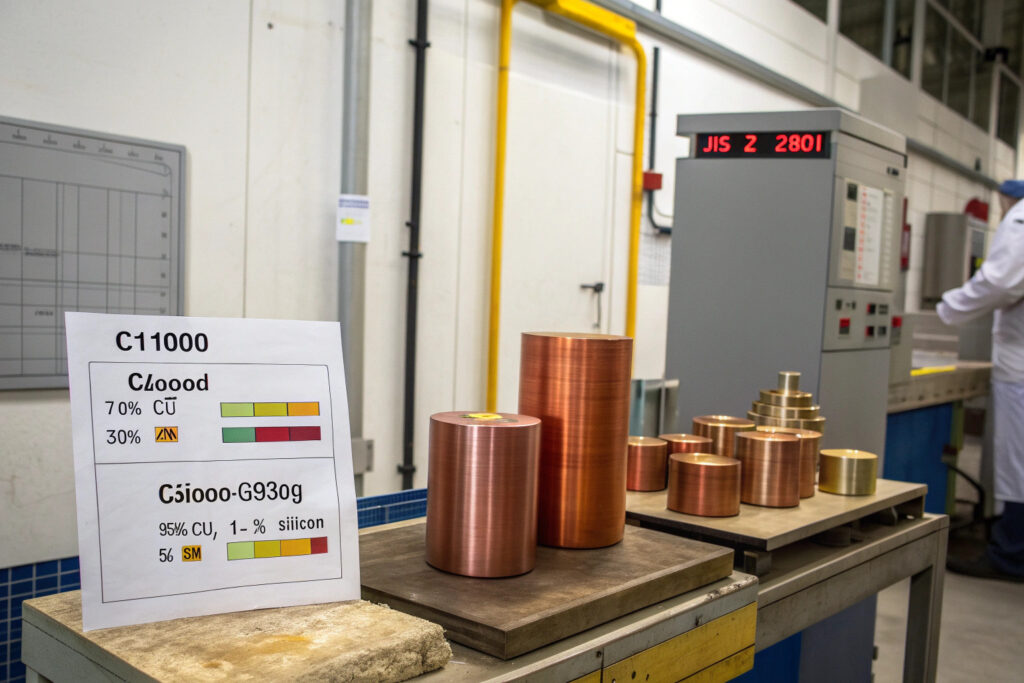
The antimicrobial activity is primarily driven by the release of copper ions. Generally, higher copper content leads to faster and more reliable kill rates.
- Pure Copper (C11000, >99.9% Cu): Offers the fastest antimicrobial action. Studies show it can achieve a >99.9% reduction of pathogens like MRSA and influenza A within 1-2 hours of contact. However, pure copper is softer, more prone to tarnishing, and more expensive.
- High-Copper Alloys (e.g., C21000 - 95% Cu, 5% Zn): Provide an excellent balance of high efficacy (close to pure copper) with improved strength and slightly lower cost. They are a premium choice for critical medical touchpoints.
- Standard Brass & Bronze (60-90% Cu): These are effective but may have slower kill rates. For example, common yellow brass (C26000, 70% Cu) is highly effective but requires careful selection for environments with high chloride exposure to avoid dezincification corrosion.
What Role Do Alloying Elements Play?
Alloying elements are added for manufacturability, strength, and corrosion resistance, but some can enhance antimicrobial properties.
- Zinc (in Brass): Zinc itself has antimicrobial properties. In brass, the combined release of Cu⁺ and Zn²⁺ ions can create a synergistic effect against some organisms.
- Tin (in Bronze): Improves corrosion resistance and wear properties, making phosphor bronze (e.g., C51000) excellent for high-wear touchpoints like door push plates.
- Nickel-Silver (Cu-Ni-Zn): While antimicrobial, nickel is a common skin allergen. Its use in touchpoints intended for frequent skin contact should be carefully considered.
The U.S. Environmental Protection Agency (EPA) has registered over 500 copper alloy compositions with public health claims. When sourcing, verify that the specific alloy is EPA-registered for antimicrobial claims.
What Are the Highest-Impact Touchpoint Applications?
Strategic placement is crucial. The greatest reduction in transmission risk comes from replacing the most frequently touched surfaces in a shared environment.
Which Healthcare Touchpoints Deliver the Best Clinical ROI?
Hospitals have been the pioneering adopters. The most impactful installations include:
- Bedside Hardware: Bed rails, overbed tables, IV pole adjustment handles, nurse call buttons. These are touched incessantly by patients, staff, and visitors.
- Entry and Exit Points: Door handles to patient rooms, bathrooms, and medication rooms. A 2015 study in the American Journal of Infection Control found that replacing just five key touchpoints in an ICU room with copper alloys reduced the risk of hospital-acquired infection by 58%.
- Mobile Equipment: Laptop and tablet casings used on carts, handles of portable diagnostic devices.
The key is creating a "copper island" around the patient, breaking the chain of transmission via fomites.
What are Effective Applications in Public and Commercial Spaces?
Beyond healthcare, high-traffic public spaces benefit immensely:
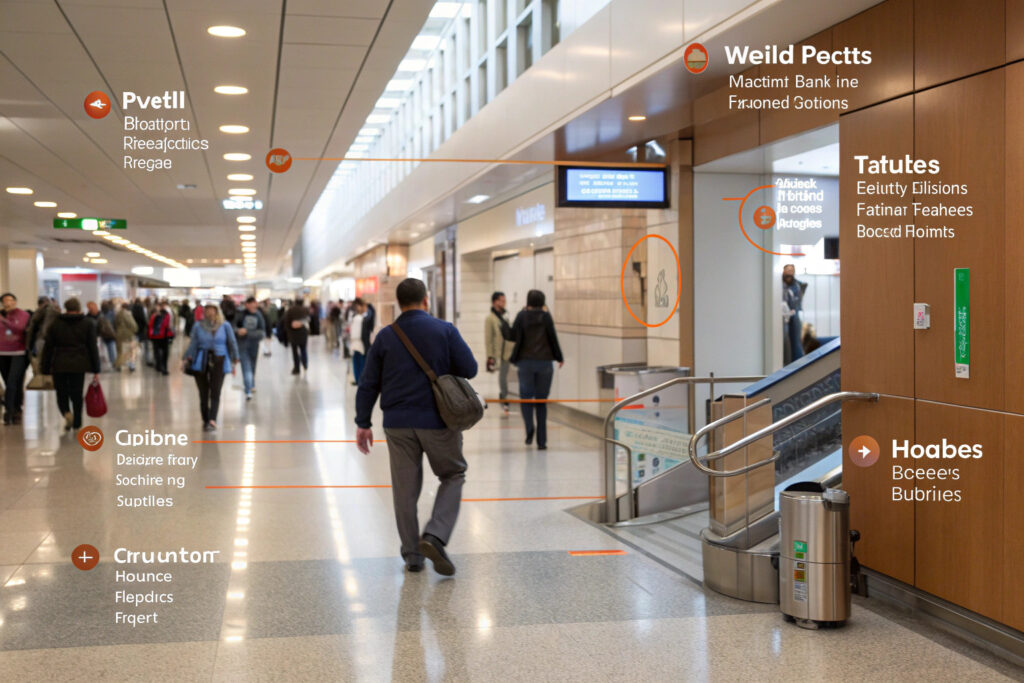
- Mass Transit: Grab rails and stanchions on buses and subways, ticket machine interfaces.
- Offices and Schools: Shared kitchen appliance handles, faucets, door hardware, pencil sharpeners, and shared computer peripherals (mouse, keyboard frames).
- Hospitality: Restaurant menu covers, salt/pepper shakers, buffet tong handles, gym equipment handles.
For these applications, durability and aesthetic integration (e.g., using architectural brasses and bronzes) are as important as antimicrobial performance.
What Design and Fabrication Considerations Ensure Durability and Efficacy?
A copper-alloy touchpoint must maintain its antimicrobial surface and structural integrity over years of use and cleaning.
How Does Surface Wear and Patina Affect Performance?
Copper alloys naturally tarnish, forming a patina. While the patina itself has antimicrobial properties, a heavily oxidized or corroded surface may have reduced ion release rates. Furthermore, physical wear can remove the active surface layer.
- Design for Wear: Touchpoints should be designed with sufficient material thickness in high-contact areas. Avoid thin platings over other metals, as wear will expose the non-antimicrobial substrate.
- Managing Patina: For applications where a bright, "new" look is desired, clear protective coatings (like advanced lacquers or PVD coatings) can be applied. It is critical that these coatings are micro-porous to allow copper ion migration, or they will completely block the antimicrobial effect. Suppliers like the Copper Development Association provide guidelines on compatible coatings.
What Cleaning Protocols Are Compatible?
A major advantage of copper alloys is compatibility with standard hospital-grade disinfectants. However, certain practices must be avoided:
- Do: Use quaternary ammonium compounds ("quats"), alcohol-based cleaners, and diluted bleach solutions. Abrasive scrubbing is generally fine due to the alloy's inherent durability.
- Avoid: Frequent use of highly acidic or alkaline cleaners (pH <3 or >11) which can accelerate corrosion and damage protective coatings. Never use cleaners containing hydrogen peroxide on copper, as it causes rapid oxidation.
Establishing the correct cleaning protocol is part of the implementation process to ensure long-term efficacy.
What Are the Verification Standards and Cost-Benefit Metrics?
Investing in copper-alloy touchpoints requires understanding the evidence behind the claims and the financial justification.
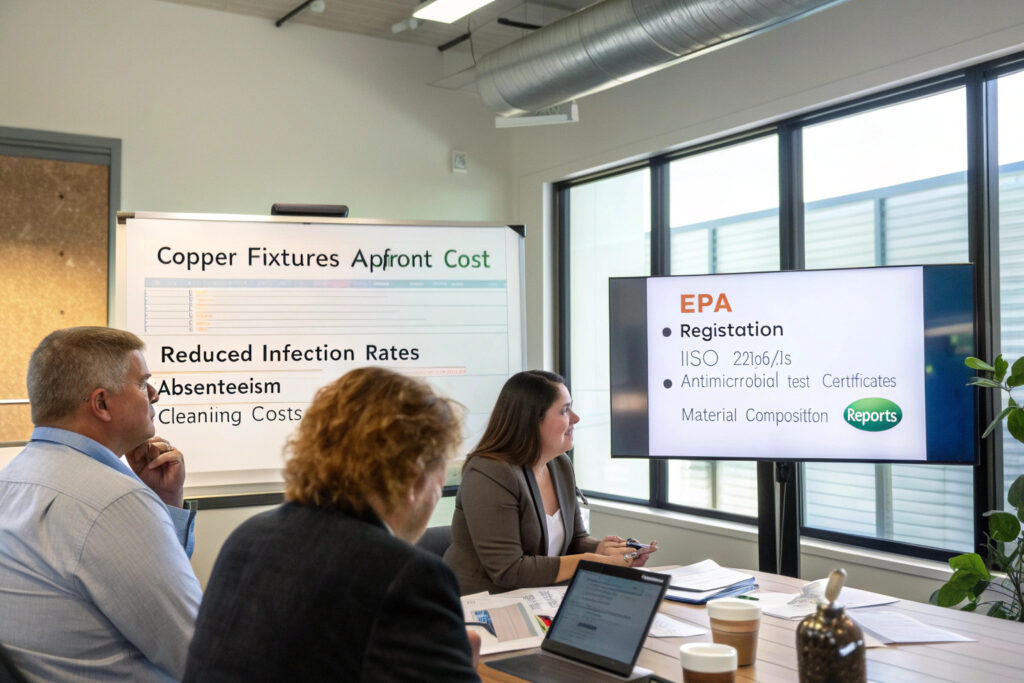
What Standards Verify Antimicrobial Efficacy?
Legitimate products should be backed by third-party testing:
- EPA Registration: In the U.S., the EPA regulates public health claims. An alloy must pass rigorous testing to be registered. Look for the EPA Establishment Number on supplier documentation.
- ISO 22196 / JIS Z 2801: These are the standard quantitative tests for measuring antibacterial activity on non-porous surfaces. Reputable suppliers provide test reports showing log reduction against specific bacteria (e.g., E. coli, S. aureus) at time intervals (e.g., 2 hours, 24 hours).
- Viral Testing (e.g., ISO 21702): For claims against viruses (like coronavirus, norovirus), specific viral efficacy testing should be requested. Many copper alloys have demonstrated >99.9% reduction of human coronavirus within hours in peer-reviewed studies.
How is the Return on Investment Calculated?
While upfront costs are higher than stainless steel or aluminum, the ROI comes from:
- Reduced Healthcare Costs: In hospitals, the primary driver is avoided costs of treating healthcare-associated infections (HAIs), which can run tens of thousands of dollars per case.
- Reduced Absenteeism: In offices and schools, fewer sick days translate to direct productivity savings.
- Lower Long-Term Costs: Reduced bioburden may allow for less frequent or intensive cleaning regimens.
- Brand Value & Safety Signaling: For public facilities, promoting the use of antimicrobial touchpoints can enhance perceived safety and brand trust.
A comprehensive business case looks at total cost of ownership over a 10-20 year lifespan, where the durability of copper alloys often outlasts coated or plastic alternatives.
Conclusion
The best self-sterilizing copper-alloy touchpoints are those made from EPA-registered, high-copper-content alloys (like C21000 or C51000) that are strategically deployed on the most frequently touched surfaces in a given environment. Their design must account for real-world wear and compatible maintenance, and their selection must be validated by independent antimicrobial efficacy testing. While the initial investment is significant, the continuous, passive protection they offer—reducing microbial transmission 24/7—makes them a powerful engineering control for infection prevention. As manufacturing techniques improve and more cost-effective alloy formulations are developed, copper touchpoints are moving from niche hospital applications into mainstream public health infrastructure.
Ready to explore integrating self-sterilizing copper-alloy touchpoints into your facility or product designs? Contact our Business Director, Elaine, at elaine@fumaoclothing.com. While our core expertise is in advanced textiles, our network includes specialists in antimicrobial metals who can guide you on material selection, sourcing, and implementation for your specific project.