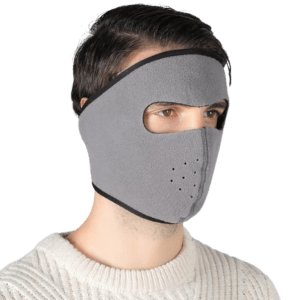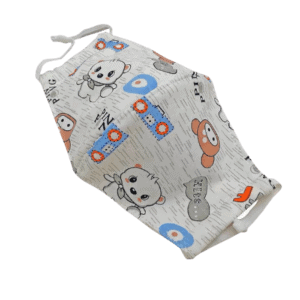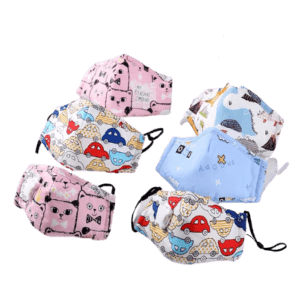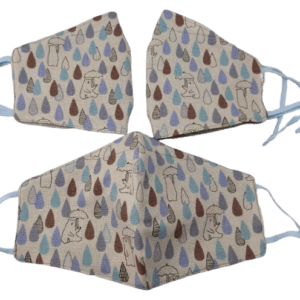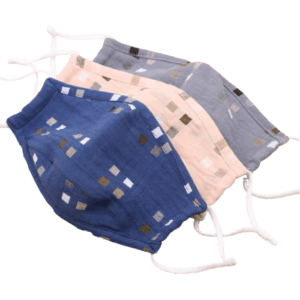

The decision to add filter pockets to basic fabric masks involves more than just material and labor costs—it impacts your entire product economics, from manufacturing efficiency to consumer perceived value. While filter pockets undoubtedly increase production costs, they also create opportunities for premium positioning and enhanced functionality that can justify higher price points when properly executed and marketed.
Adding filter pockets to basic masks typically increases manufacturing costs by 15-30% through additional materials, more complex construction, reduced production speed, and potential design modifications. However, these costs can be partially offset by operational efficiencies at scale and the ability to command higher retail prices for this enhanced functionality.
The true cost impact depends on multiple factors including production volume, pocket design complexity, and whether you're modifying existing mask designs or creating new patterns specifically for filter integration. Let's examine the specific cost components and how they affect your overall product economics.
What Are the Direct Material and Labor Cost Increases?
The most immediate cost impacts come from additional materials and the more complex assembly process required for filter pockets.

How much do additional materials contribute to cost?
The extra fabric and components for filter pockets typically add $0.08-$0.15 to the cost per mask, depending on materials and pocket design. This includes the additional fabric layer (typically 15-25% more fabric usage), potential stabilizers or interfacing to maintain pocket shape, and sometimes additional closure mechanisms like snaps, magnets, or hook-and-loop fasteners. For basic cotton masks retailing at $5-8, this represents a 10-20% increase in material costs alone.
What is the labor time impact?
Increased assembly time typically adds $0.05-$0.12 per mask in labor costs, as filter pockets require additional sewing operations and more careful alignment. A basic 2-layer mask might require 2-3 minutes of sewing time, while adding a filter pocket typically increases this to 3.5-4.5 minutes—a 40-60% time increase. At typical sewing labor rates of $3-5 per hour, this translates to significant per-unit cost increases, particularly at lower production volumes.
How Does Production Scale Affect Cost Efficiency?
The cost impact of adding filter pockets varies significantly based on production volume and manufacturing methodology.

What efficiencies emerge at higher volumes?
At production volumes above 10,000 units, specialized equipment and optimized workflows can reduce the filter pocket premium to 12-20% compared to basic masks. Dedicated pocket-setting jigs, automated folding equipment, and streamlined component handling all contribute to efficiency gains. Our production data shows that the per-unit cost premium decreases by approximately 3-5% for every doubling of production volume up to 50,000 units.
How does design standardization help?
Creating standardized pocket designs across multiple mask styles allows for dedicated production lines and operator specialization that significantly reduces the cost impact. When operators repeatedly create the same pocket configuration, their speed increases by 25-40% compared to frequently changing between different pocket designs. Our most cost-effective filter pocket implementation uses just two standardized pocket designs across our entire product line.
What Hidden Costs Should Be Considered?
Beyond direct manufacturing costs, several less obvious expenses impact the total cost of adding filter pockets.

How does design development add to costs?
Pattern modification and prototyping for filter pockets typically requires 8-15 hours of technical design time, costing $400-$900 depending on complexity. This includes creating new cutting patterns, developing assembly sequences, and producing multiple sample iterations to ensure proper fit and function. For existing mask designs, this represents a one-time development cost that should be amortized across your production run.
What about quality control implications?
Filter pockets introduce additional failure points that require more rigorous quality control. This includes checking pocket dimensions, verifying closure security, and ensuring the pocket doesn't compromise the mask's overall fit. Our quality control time increases by 30-40% for masks with filter pockets, adding approximately $0.03-$0.05 per mask to quality assurance costs.
How Can Value Engineering Optimize Costs?
Strategic design and material choices can significantly reduce the cost impact while maintaining functionality.

What design simplifications reduce costs?
Integrated pocket designs that use the mask's existing layers rather than adding separate pocket components can reduce material costs by 15-25%. For example, creating a pocket between the inner and outer layers with a simple top opening eliminates the need for a separate pocket piece while maintaining functionality. This approach has reduced our filter pocket premium from 25% to 16% while maintaining all functional benefits.
How does material selection impact costs?
Using lighter-weight fabrics for pocket components that don't contact the face directly can reduce material costs without compromising comfort or protection. For instance, using a basic poly-cotton blend for the pocket interior instead of the premium cotton used for the face-contacting layers can save $0.03-$0.06 per mask while maintaining performance. This strategic material grading is a key element of cost-effective filter pocket implementation.
What Market Factors Justify the Additional Costs?
The business case for adding filter pockets depends on market positioning, consumer preferences, and competitive landscape.

Market research indicates consumers are typically willing to pay $1.50-$3.00 more for masks with filter pockets compared to basic equivalents—significantly exceeding the $0.20-$0.40 actual cost increase at scale. This price elasticity means filter pockets can actually improve gross margin percentages while delivering enhanced functionality. Our retail partners typically achieve 25-40% higher margins on filter pocket masks despite their higher cost.
How does this feature impact brand positioning?
Filter pockets position masks in the "enhanced performance" category rather than basic accessories, allowing brands to access more premium market segments. This positioning often supports broader price increases beyond just covering the filter pocket costs, as consumers perceive the entire product as more technical and valuable. Our clients using filter pockets have successfully transitioned from the $5-8 price range to the $12-18 premium segment by combining filter pockets with other enhanced features.
Conclusion
Adding filter pockets to basic masks typically increases manufacturing costs by 15-30% through additional materials, more complex construction, and reduced production efficiency. However, strategic implementation through value engineering, production scale optimization, and smart material selection can reduce this premium to 12-20% while maintaining all functional benefits. More importantly, the market typically rewards this enhancement with price increases that significantly exceed the cost impact, potentially improving both absolute margins and margin percentages.
The decision should consider your specific market positioning, production volume, and customer expectations. For brands targeting health-conscious consumers, premium segments, or markets with higher pollution concerns, filter pockets represent a valuable feature that justifies both the cost and complexity. For basic commodity positioning, the investment may be harder to justify without complementary enhancements.
Ready to explore the cost implications of adding filter pockets to your mask designs? Contact our Business Director, Elaine, at elaine@fumaoclothing.com to discuss specific cost analyses for your product and volume requirements. We'll provide detailed breakdowns and help you determine whether filter pockets make economic sense for your business model and market positioning.