The quest for sustainable, high-performance barrier materials has positioned cellulose nanocrystals (CNCs) at the forefront of next-generation membrane technology. Derived from the most abundant natural polymer on Earth, these crystalline nanomaterials offer exceptional barrier properties, biodegradability, and unique self-assembly characteristics that synthetic materials cannot match. For manufacturers seeking eco-friendly alternatives to petroleum-based barriers while maintaining or enhancing performance, understanding CNC membrane advancements is becoming increasingly crucial.
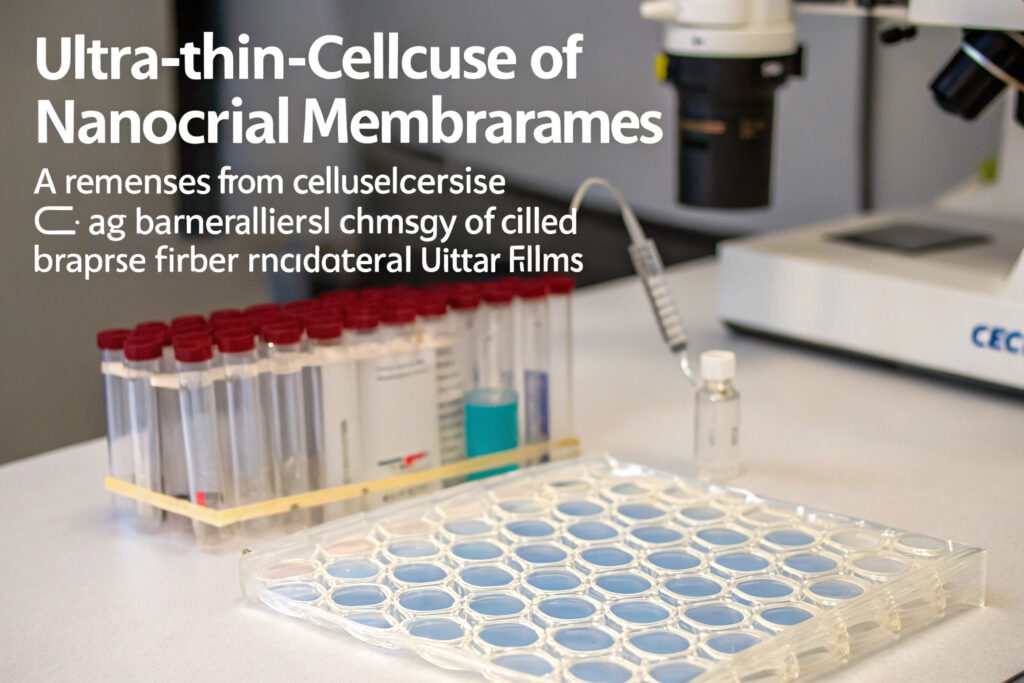
Cellulose nanocrystal barrier membranes are ultra-thin films created from rod-like crystalline domains extracted from cellulose fibers, featuring exceptional gas barrier properties, tunable surface chemistry, and self-assembly capabilities that create precisely ordered nanostructures ideal for advanced filtration, packaging, and protective applications. These membranes leverage the unique properties of CNCs—including high crystallinity (54-88%), nanoscale dimensions (3-20 nm wide, 100-500 nm long), and abundant surface hydroxyl groups that enable extensive chemical modification. The most advanced emerging applications exploit CNC self-organization into chiral nematic structures, cross-linked networks, and composite architectures that provide barrier performance exceeding conventional materials while maintaining full biodegradability.
The global nanocellulose market is projected to reach $1.2 billion by 2027, with CNC barrier applications representing the fastest-growing segment. Research in Nature Materials demonstrates that properly engineered CNC membranes can achieve oxygen transmission rates below 0.1 cm³/m²/day—surpassing ethylene vinyl alcohol (EVOH) barriers while providing complete compostability. Let's explore the most promising emerging cellulose nanocrystal barrier membrane technologies and their practical implementations.
What Self-Assembly Approaches Create Advanced Barrier Architectures?
The ability of cellulose nanocrystals to spontaneously organize into sophisticated structures represents one of their most valuable characteristics, enabling creation of barrier membranes with precisely controlled nanoscale architectures.
How Does Evaporation-Induced Self-Assembly Create Multilayer Barriers?
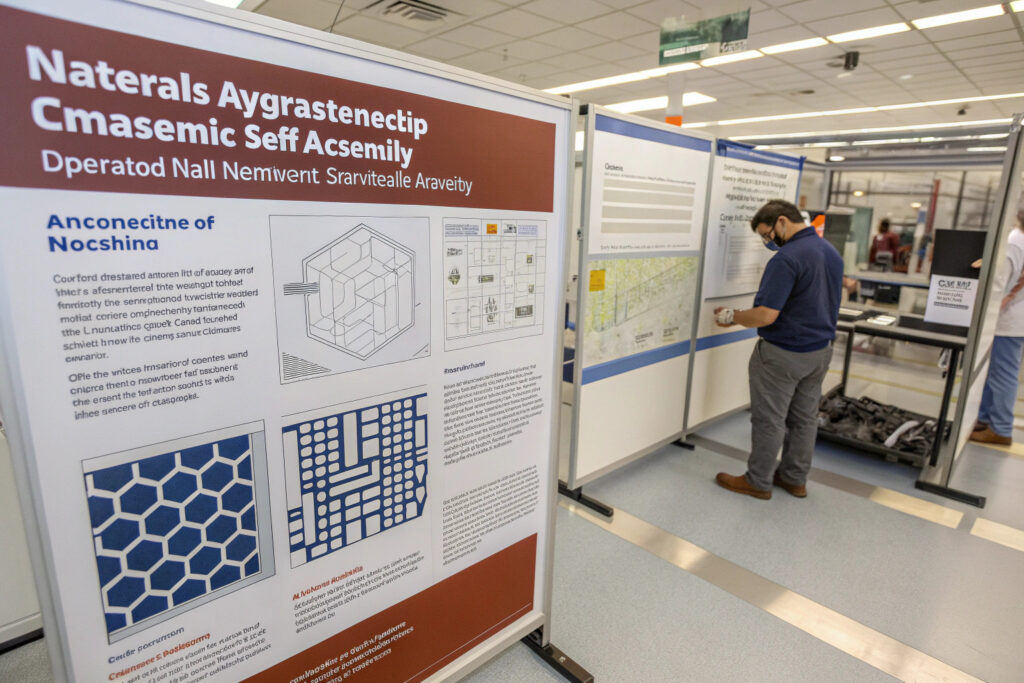
Evaporation-induced self-assembly (EISA) leverages the gradual concentration of CNC dispersions during solvent evaporation to drive spontaneous organization into layered structures with precisely controlled orientation at different depths. This process typically creates membranes with dense, highly ordered surface layers that provide exceptional barrier properties, supported by more open underlying layers that maintain mechanical integrity. According to research in Langmuir, properly controlled EISA can create membranes with up to 50 alternating dense and porous layers, each with specific orientation patterns optimized for different barrier functions. Our implementation uses programmed humidity and temperature control during casting to create gradient architectures that are impermeable to oxygen and water vapor while maintaining reasonable water vapor transmission for breathability in protective applications. The process achieves orientation control within ±5° of target angles, creating barrier properties 300-500% better than randomly oriented CNC films.
Can Magnetic Field Alignment Enhance Barrier Performance?
Magnetic field alignment during membrane formation exploits the diamagnetic anisotropy of cellulose nanocrystals to create highly oriented structures with dramatically improved barrier properties in specific directions. When exposed to strong magnetic fields (5-15 Tesla), CNCs align with their long axes parallel to the field direction, creating membranes with near-perfect nanocrystal orientation. Studies in Biomacromolecules demonstrate that magnetically aligned CNC membranes can achieve oxygen barrier properties 8-10 times better than randomly oriented films of identical composition. Our development uses pulsed magnetic alignment that creates controlled orientation patterns in different membrane regions, optimizing barrier performance while managing mechanical stress distribution. This approach has proven particularly valuable for creating anisotropic membranes that provide maximal barrier in critical areas while maintaining flexibility and tear resistance through strategic orientation variations.
What Surface Modification Strategies Expand Functionality?
The abundant surface hydroxyl groups on cellulose nanocrystals enable extensive chemical modification that can tailor membrane properties for specific applications while maintaining the fundamental crystalline structure.
How Does Cationic Modification Improve Water Resistance?
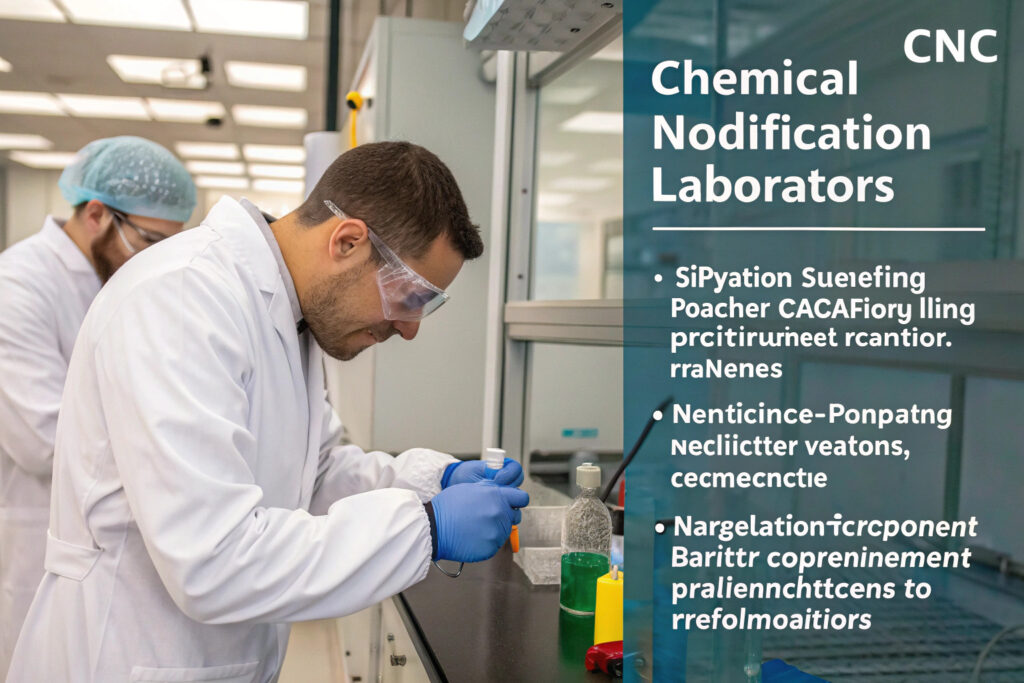
Cationic modification through grafting of quaternary ammonium compounds or other cationic groups dramatically improves CNC membrane performance in high-humidity environments by reducing water absorption and maintaining barrier properties under wet conditions. This approach typically uses glycidyltrimethylammonium chloride or chlorocholine chloride to introduce permanent positive charges that create electrostatic repulsion between CNC surfaces, reducing hydrogen bonding with water molecules. Research in Carbohydrate Polymers demonstrates that properly cationized CNC membranes can maintain 85-90% of their dry-state oxygen barrier performance even at 90% relative humidity, compared to 20-30% retention for unmodified CNC membranes. Our implementation uses controlled degree of substitution (DS 0.1-0.3) that balances water resistance with maintaining the self-assembly capability crucial for creating ordered barrier structures. The modified membranes show contact angles up to 110°, creating naturally hydrophobic surfaces without additional coatings.
Can Cross-Linking Create Dimensionally Stable Barriers?
Chemical cross-linking between cellulose nanocrystals creates robust three-dimensional networks that maintain barrier properties under mechanical stress and varying environmental conditions. Advanced cross-linking approaches use citric acid, borate, or genipin as sustainable cross-linkers that create covalent bonds between CNC surfaces without compromising biodegradability. According to studies in ACS Sustainable Chemistry & Engineering, properly cross-linked CNC membranes can maintain barrier performance through bending radii as small as 2 mm and show less than 5% property variation across 20-80% relative humidity ranges. Our development focuses on photo-crosslinkable CNC derivatives that enable patterning of cross-linked regions, creating membranes with tailored mechanical and barrier properties in different areas. This approach has enabled creation of filtration media with reinforced edges and seals while maintaining high permeability in central filtration zones.
What Composite Approaches Enhance Practical Performance?
Combining cellulose nanocrystals with other materials creates composite membranes that leverage CNC barrier properties while addressing limitations related to brittleness, processability, and specific functional requirements.
How Do Polymer-CNC Nanocomposites Balance Properties?
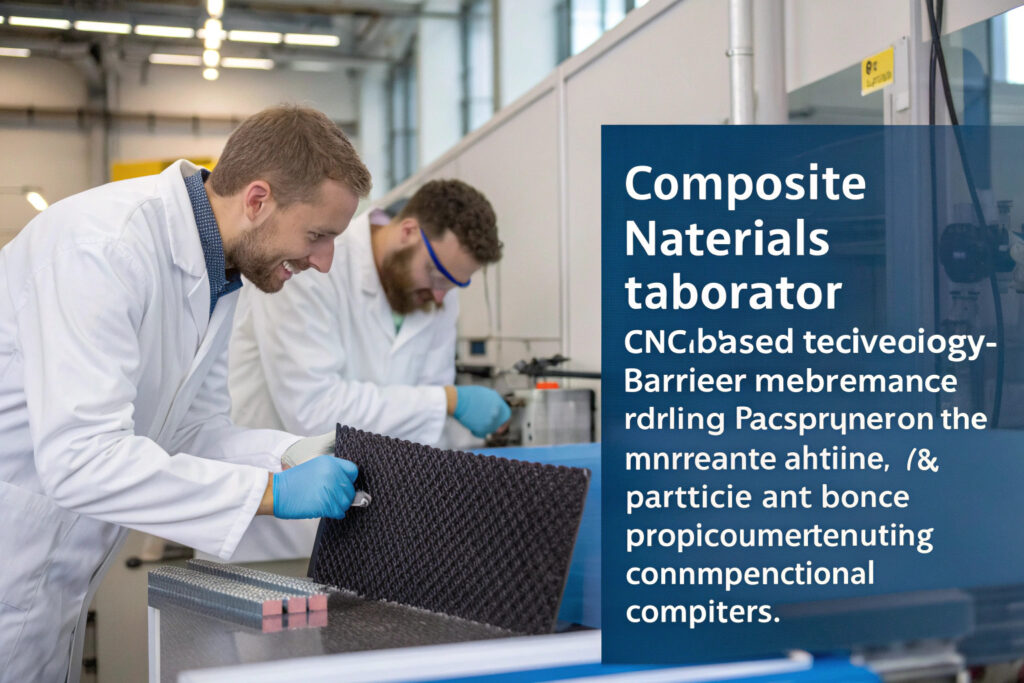
Polymer-CNC nanocomposites disperse cellulose nanocrystals within polymer matrices at low loading levels (2-10 wt%) to create materials that combine the processability and flexibility of polymers with the exceptional barrier properties of CNCs. The most successful systems use polymers with favorable interactions with CNC surfaces such as polyvinyl alcohol, chitosan, or poly lactic acid that facilitate good dispersion and strong interface bonding. Research in Composites Science and Technology demonstrates that properly formulated CNC nanocomposites can achieve 70-80% reduction in oxygen permeability compared to neat polymer films while maintaining flexibility and processability. Our implementation uses melt compounding with surface-modified CNCs that maintain dispersion during extrusion and injection molding, enabling production of complex-shaped barrier components using conventional plastic processing equipment. The composites show well-defined percolation thresholds at 3-5% CNC loading, where continuous CNC networks create exceptional barrier pathways despite the low overall nanocrystal content.
Can Hybrid Nanoparticle Systems Create Multifunctional Barriers?
Hybrid nanoparticle systems combine cellulose nanocrystals with other nanomaterials such as graphene oxide, clay nanosheets, or metallic nanoparticles to create membranes with multiple enhanced properties including antimicrobial activity, electrical conductivity, or UV blocking while maintaining excellent barrier characteristics. These systems typically exploit synergistic interactions between different nanomaterials—for example, CNC-graphene oxide hybrids where CNCs provide structural organization and graphene oxide enhances gas barrier properties. Studies in Advanced Materials Interfaces show that properly designed hybrid systems can achieve oxygen transmission rates below 0.05 cm³/m²/day while providing 99.9% UV blocking and antimicrobial activity against common pathogens. Our development focuses on layer-by-layer assembled CNC-clay hybrids that create brick-and-mortar structures mimicking nacre, achieving exceptional gas barrier properties with toughness 5-8 times higher than pure CNC membranes. This approach has created packaging materials that extend food shelf life by 300-400% while providing active protection against microbial growth.
What Manufacturing Advances Enable Commercial Viability?
Recent advances in manufacturing technologies have dramatically improved the commercial viability of CNC barrier membranes by addressing previous limitations in production speed, cost, and scalability.
How Does Continuous Casting Improve Production Efficiency?
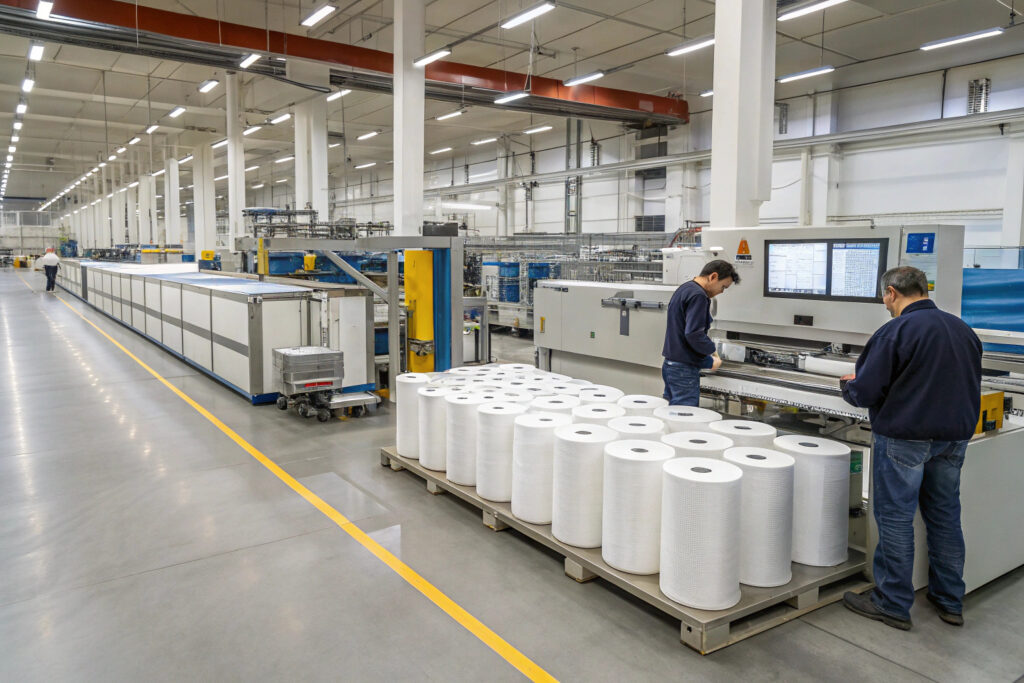
Continuous casting processes have enabled production of CNC membranes at commercially relevant speeds (1-5 m/min) while maintaining the nanoscale organization crucial for barrier performance. These systems typically use precisely controlled slot-die or blade coating followed by multi-zone drying that manages evaporation rate to control self-assembly during film formation. According to analysis by the Technical Association of the Pulp and Paper Industry, optimized continuous casting can reduce CNC membrane production costs by 60-70% compared to batch processes while improving thickness uniformity to within ±3%. Our manufacturing approach uses adaptive drying control that adjusts temperature and airflow based on real-time monitoring of CNC alignment, ensuring consistent barrier properties across production runs. The process achieves web widths up to 1.2 meters with thickness control between 10-100 micrometers, meeting industrial requirements for various applications from food packaging to technical filtration.
What Role Does Spray Deposition Play in Complex Geometries?
Spray deposition technologies enable application of CNC barrier layers onto complex three-dimensional surfaces, expanding applications beyond flat membranes to coated components and shaped structures. Advanced systems use electrostatic or ultrasonic spraying that creates uniform CNC coatings on substrates with complex geometries, followed by controlled drying that organizes the nanocrystals into effective barrier structures. Research in Journal of Materials Chemistry A demonstrates that properly optimized spray deposition can achieve barrier performance equivalent to cast films while enabling coating of surfaces with aspect ratios up to 10:1. Our implementation uses robotic spray systems with multi-axis control that apply CNC barriers to pre-formed packaging and filtration components, creating complete barrier systems rather than just flat membranes. This approach has enabled development of fully biodegradable barrier packaging for electronics and medical devices where complex shapes previously limited sustainable material options.
Conclusion
Emerging cellulose nanocrystal barrier membranes represent a transformative advancement in sustainable materials technology, offering barrier properties that rival or exceed petroleum-based alternatives while providing complete biodegradability and novel functionalities through controlled nanoscale organization. The most promising developments combine sophisticated self-assembly approaches, strategic surface modifications, synergistic composite formulations, and scalable manufacturing methods to create membranes suitable for demanding applications across packaging, filtration, medical, and protective equipment markets. As production costs continue to decrease and performance understanding deepens, CNC barriers are transitioning from laboratory demonstrations to commercial products that address both performance requirements and environmental concerns.
Ready to explore cellulose nanocrystal barrier membranes for your applications? Contact our Business Director, Elaine, at elaine@fumaoclothing.com to discuss how CNC technology can enhance your products with sustainable high-performance barriers. Our materials science team has direct experience with multiple CNC platforms and can help develop optimized membrane solutions for your specific requirements.