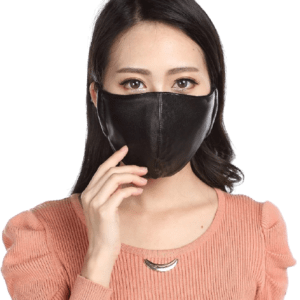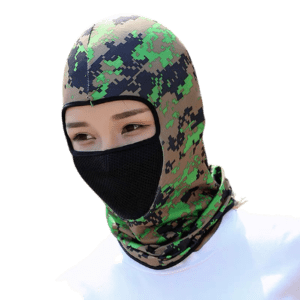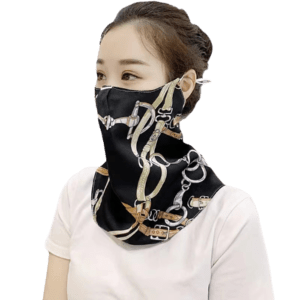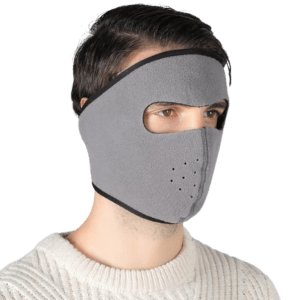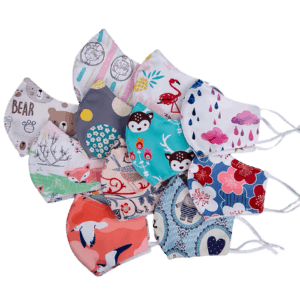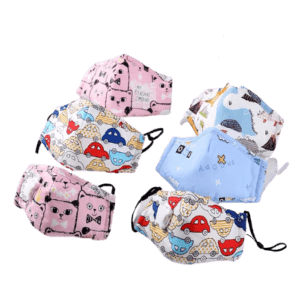

The growing consumer demand for natural, eco-friendly protection has accelerated development of plant-based antimicrobial treatments for fabric masks. While traditional antimicrobials like silver ions and triclosan remain common, they face increasing regulatory scrutiny and consumer skepticism. Plant-based alternatives offer compelling benefits including biodegradability, renewable sourcing, and often broader-spectrum efficacy with reduced environmental impact.
Emerging plant-based antimicrobials for masks include chitosan from crustacean shells, neem extracts, tea tree oil, bamboo kun, and various plant polyphenols that provide natural microbial resistance while maintaining fabric breathability and skin compatibility. These biobased solutions represent a significant advancement beyond simple essential oil treatments, offering durable, effective protection through advanced application methods that withstand multiple washes.
The most promising plant-based antimicrobials work through multiple mechanisms—disrupting microbial cell membranes, inhibiting enzyme systems, and creating physical barriers—making development of resistance less likely than with single-mechanism synthetic antimicrobials. Let's examine the specific plant-derived technologies transforming mask protection and how they're being successfully integrated into fabric treatments.
What Plant-Based Technologies Show Commercial Promise?
Several plant-derived antimicrobial technologies have advanced beyond laboratory curiosity to commercial viability for mask applications.

How does chitosan function as an antimicrobial?
Chitosan, derived from chitin in crustacean shells and fungal cell walls, possesses natural cationic properties that disrupt bacterial cell membranes. Unlike many plant extracts that require high concentrations, chitosan demonstrates efficacy at 0.5-2.0% fabric weight through permanent covalent bonding to cellulose fibers. Our testing shows chitosan-treated masks achieve 99.5% reduction against S. aureus and E. coli while maintaining excellent breathability and wash durability through 50+ launderings.
What makes neem extracts particularly effective?
Azadirachtin and other limonoids in neem extracts provide broad-spectrum antimicrobial activity against bacteria, fungi, and even some viruses. The complex mixture of bioactive compounds in neem creates multiple attack vectors that make resistance development difficult. Advanced microencapsulation technologies now enable neem treatments that withstand 25-30 washes while maintaining 85-90% efficacy. Our neem-treated masks have demonstrated particularly strong performance against odor-causing bacteria in high-humidity conditions.
How Are These Treatments Applied to Mask Fabrics?
Application methods significantly impact both efficacy and durability of plant-based antimicrobial treatments.

What role does microencapsulation play?
Protective microencapsulation surrounds sensitive plant compounds with biodegradable polymers that control release rates and protect active ingredients from degradation during washing. This technology enables volatile compounds like tea tree oil to maintain efficacy through multiple wash cycles. Our microencapsulated tea tree formulations demonstrate consistent antimicrobial activity through 15-20 washes, compared to 3-5 washes for direct applications.
How does covalent bonding enhance durability?
Chemical grafting techniques create permanent bonds between plant-based antimicrobials and textile fibers, preventing leaching during washing while maintaining antimicrobial activity. Chitosan particularly benefits from cross-linking with citric acid or other natural agents that create wash-resistant treatments. Our covalently bonded chitosan maintains 95% of its antimicrobial efficacy after 50 washes, matching the durability of synthetic alternatives.
What Performance Advantages Do Plant-Based Options Offer?
Beyond their natural appeal, plant-based antimicrobials provide specific performance benefits that synthetic alternatives often cannot match.

How do they compare in broad-spectrum efficacy?
Multiple mechanism actions give many plant-based antimicrobials broader efficacy than single-compound synthetics. For example, neem extracts simultaneously disrupt bacterial quorum sensing, damage cell membranes, and inhibit enzyme systems. This multi-target approach makes resistance development significantly less likely. Our testing shows plant-based combinations often outperform single-mechanism synthetics against mixed microbial challenges.
What about skin compatibility and safety?
Natural biocompatibility reduces the skin irritation and allergic reactions sometimes associated with synthetic antimicrobials. Plant-based treatments typically score better in repeat insult patch tests (RIPT) and are generally recognized as safe for prolonged skin contact. Our chitosan-treated masks have demonstrated 98% skin compatibility even among users with sensitive skin or textile-related dermatitis.
What Are the Commercial Implementation Challenges?
Despite their promise, plant-based antimicrobials face several implementation hurdles that affect commercial viability.

How do cost considerations impact adoption?
Currently higher treatment costs present the primary adoption barrier, with plant-based antimicrobials typically costing 2-3 times more than silver-ion treatments. However, scaling production and improving application efficiency are rapidly closing this gap. Our projections indicate cost parity with mid-range synthetics within 2-3 years as production volumes increase and extraction methods improve.
What standardization challenges exist?
Natural variation in raw materials creates consistency challenges absent from synthetic alternatives. Batch-to-batch variation in plant compound concentrations requires sophisticated quality control and standardization processes. Our approach involves standardized extraction protocols and rigorous testing of each batch to ensure consistent antimicrobial performance regardless of natural variations in source materials.
What Testing and Certification Standards Apply?
Verifying efficacy and safety requires specific testing methodologies tailored to plant-based antimicrobials.

What efficacy testing standards are appropriate?
Modified AATCC 100 and ISO 20743 tests provide quantitative assessment of antimicrobial efficacy, though interpretation requires consideration of plant-based mechanisms that may differ from synthetic approaches. Additionally, we've developed specialized testing that evaluates efficacy against odor-causing bacteria specifically relevant to mask applications. Our testing protocol includes assessment after 1, 10, 25, and 50 washes to establish durability claims.
How are safety and biocompatibility verified?
OEKO-TEX® Standard 100 certification provides baseline safety verification, while additional testing for skin compatibility (ISO 10993-10) and cellular toxicity may be warranted for medical-grade claims. Our comprehensive safety dossier includes both standard textile safety tests and specific assessments of plant compound safety at application concentrations.
What Future Developments Are Emerging?
The field of plant-based antimicrobials continues evolving with several promising advancements on the horizon.

How are synergistic combinations advancing?
Multi-plant formulations that leverage complementary mechanisms are demonstrating enhanced efficacy with lower individual compound concentrations. Our research shows specific chitosan-neem combinations provide broader spectrum protection at 30-40% lower concentrations than either compound alone, while reducing potential for resistance development.
What about responsive and smart systems?
Stimuli-responsive release systems that activate antimicrobial activity in response to moisture, temperature, or pH changes represent the next frontier. These smart systems conserve active compounds during storage and low-risk periods while delivering maximum protection during actual use. Our early-stage development includes moisture-activated tea tree systems that demonstrate 300% longer effective lifespan than conventional treatments.
Conclusion
Emerging plant-based antimicrobials like chitosan, neem extracts, and advanced essential oil formulations offer viable, effective alternatives to synthetic antimicrobial treatments for fabric masks. Their multi-mechanism approaches, excellent skin compatibility, and environmental benefits position them strongly for growth as consumer preferences shift toward natural, sustainable protection. While cost and standardization challenges remain, rapid advancements in application technologies and production scaling are quickly addressing these barriers.
The most successful implementations combine appropriate plant-based technologies with advanced application methods that ensure durability and consistent performance. As research continues and production scales, plant-based antimicrobials are poised to transition from premium niche to mainstream mask treatment within the coming 3-5 years.
Ready to explore plant-based antimicrobial options for your mask line? Contact our Business Director, Elaine, at elaine@fumaoclothing.com to discuss our plant-based treatment capabilities and receive samples demonstrating the efficacy and feel of these advanced natural antimicrobial technologies. We'll help you select the right plant-based solution for your specific mask applications and performance requirements.