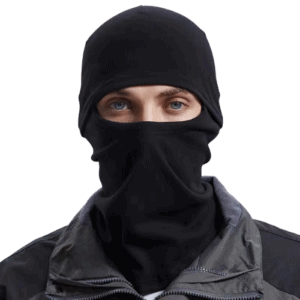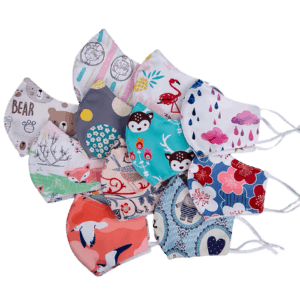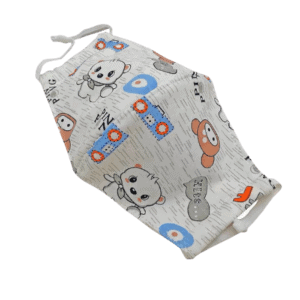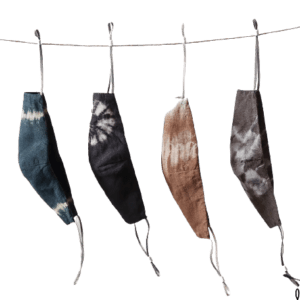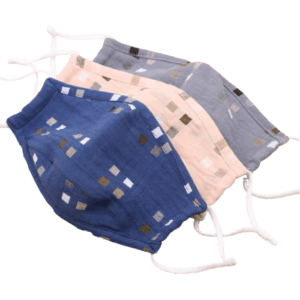

The environmental impact of disposable masks has become increasingly concerning, with billions ending up in landfills annually. As sustainability becomes a priority for consumers and businesses alike, the race to develop truly biodegradable mask materials has intensified. The good news? Significant breakthroughs are making eco-friendly protection more accessible and effective than ever before.
The latest innovations in biodegradable fabric mask materials include plant-based polymers, advanced natural fiber blends, and bio-engineered textiles that offer comparable performance to conventional materials while completely breaking down in appropriate conditions. These developments address both environmental concerns and functional requirements, creating viable alternatives for conscious consumers and brands.
The evolution of biodegradable materials has moved beyond basic cotton to include sophisticated options that maintain protection while minimizing environmental impact. Let's explore the most promising developments transforming sustainable mask production.
What Plant-Based Materials Are Leading the Innovation?
Plant-derived fabrics have evolved significantly beyond basic organic cotton, with new processing techniques enhancing their functionality for mask production while maintaining biodegradability.

How is bamboo technology advancing?
Modern bamboo processing creates remarkably soft, breathable fabrics with natural antibacterial properties that make them ideal for mask applications. Unlike earlier bamboo textiles that relied heavily on chemical processing, new mechanical methods crush the woody parts before natural enzymes break them down into a pulp that can be spun into fiber. This closed-loop process maintains the material's biodegradability while producing fabrics that are 40% more breathable than cotton. Our development team has successfully integrated these advanced bamboo fabrics into our performance athletic fabric masks, achieving both comfort and environmental goals.
What makes hemp blends revolutionary?
Hemp requires minimal water and no pesticides to grow, making it inherently sustainable, but recent innovations have enhanced its comfort for mask production. New blending techniques combine hemp with organic cotton or PLA (polylactic acid) from corn starch creating fabrics that offer superior durability while maintaining complete biodegradability. These blends provide excellent moisture-wicking properties crucial for extended mask wear, and their natural UV resistance adds another layer of protection for outdoor use. The resulting materials meet both performance requirements and environmental standards without compromise.
How Are Bio-Engineered Textiles Changing the Game?
Scientific advancements in bio-engineering have produced entirely new categories of biodegradable materials with properties tailored specifically for protective applications like masks.

What are spider silk-inspired materials?
Researchers have developed biodegradable polymers that mimic the properties of spider silk - incredibly strong yet lightweight and completely biodegradable. These proteins are produced through fermentation processes using yeast or bacteria, then spun into fibers that offer exceptional filtration efficiency while being compostable at end-of-life. Though currently in earlier adoption phases, these materials represent the future of high-performance sustainable textiles. Our R&D team is actively testing these innovations for integration into our KN95-style fabric masks where both filtration and sustainability are priorities.
How do algae-based fabrics work?
Algae-based textiles represent a double environmental benefit by capturing carbon during growth while creating biodegradable end products. These materials are produced by transforming algae oil into polymers that can be spun into fibers or used as coatings. The resulting fabrics offer natural antiviral properties and break down completely in soil or marine environments. This innovation is particularly promising for single-use mask applications where conventional plastics have created significant waste problems. Early adoption in medical settings shows promise for reducing environmental impact without compromising protection.
What Natural Fiber Blends Offer Practical Solutions?
While futuristic materials capture attention, practical innovations in natural fiber blends are already commercially available and making immediate environmental impacts.

Why are cotton-hemp blends gaining popularity?
Combining cotton's softness with hemp's durability creates an ideal balance for mask fabrics that feel comfortable against sensitive skin while maintaining shape through multiple washes. Advanced blending techniques now create fabrics with consistent moisture wicking fabric properties throughout, addressing the common complaint of moisture buildup in masks. These blends typically biodegrade within 90 days in commercial composting facilities, compared to centuries for synthetic alternatives. Our everyday basic fabric masks now feature these optimized blends, providing sustainable options for daily use without sacrificing comfort or protection.
How effective are wool-cotton combinations?
Merino wool blended with organic cotton creates temperature-regulating fabrics ideal for mask applications. The wool's natural crimp creates tiny air pockets that provide both insulation and breathability, while its natural odor-resistant properties extend wear time between washes. New processing techniques have made wool blends much finer and softer, eliminating the itchiness that previously limited their use against sensitive facial skin. These advanced blends are particularly valuable for our active performance masks where wearers need adaptability to changing activity levels and temperatures.
What Certification Standards Verify Biodegradability?
With growing interest in sustainable options, reliable certification has become crucial for verifying environmental claims and preventing greenwashing.

How do composting certifications work?
Certifications like OK compost INDUSTRIAL and OK compost HOME verify that materials will completely break down in specific environments within defined timeframes. These standards test for complete biodegradation into water, carbon dioxide, and biomass without leaving microplastic residues. Manufacturers must submit materials for rigorous testing that simulates real-world composting conditions. Our biodegradable mask lines carry these certifications, providing customers with independent verification that our environmental claims are scientifically valid and meaningful.
What do marine degradation standards verify?
With plastic pollution in oceans becoming a critical concern, certifications like TÜV Austria's OK biodegradable MARINE confirm materials will break down in seawater without harming marine ecosystems. These standards are particularly important for coastal community products or masks that might accidentally enter waterways. The testing involves suspending materials in controlled seawater environments and measuring degradation rates and byproducts. While few mask materials currently meet this stringent standard, it represents an important direction for future innovation in truly environmentally neutral products.
Conclusion
The latest innovations in biodegradable fabric mask materials span from advanced plant-based fibers to bio-engineered textiles, offering viable alternatives to conventional materials without compromising performance. These developments represent significant progress toward solving the environmental challenges of mask waste while meeting consumer demand for sustainable products. As technology continues advancing, truly circular solutions for protective equipment are becoming increasingly accessible and effective.
Ready to integrate the latest biodegradable materials into your fabric mask line? Contact our Business Director, Elaine, at elaine@fumaoclothing.com to discuss our sustainable mask options and how we can help you meet both environmental goals and performance requirements.