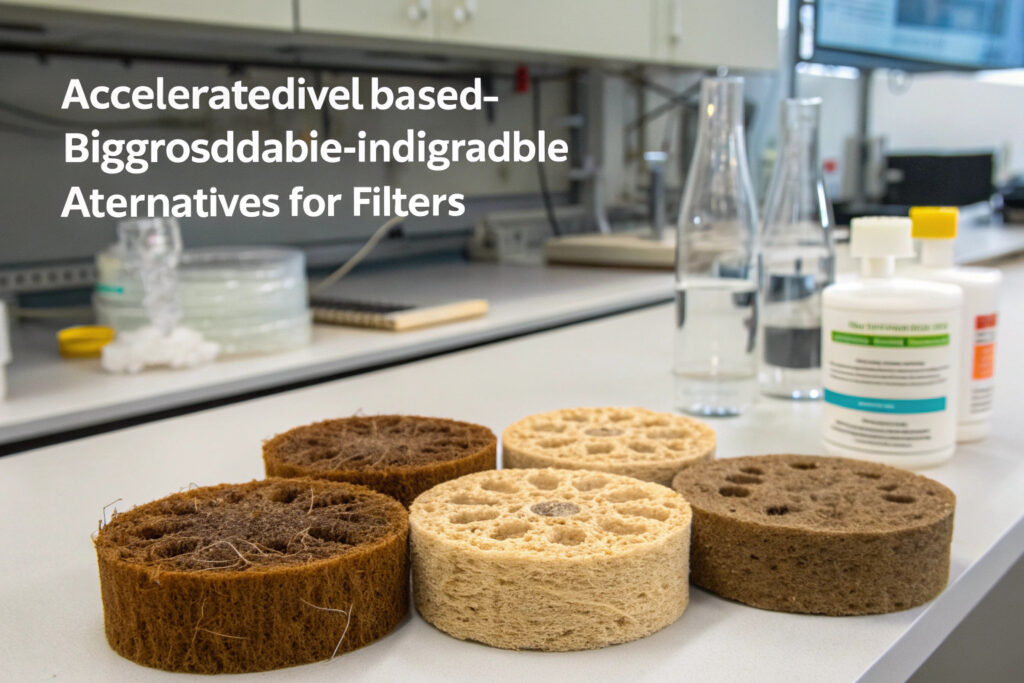
The global plastic pollution crisis and growing awareness of microplastic contamination from synthetic filters have accelerated development of mycelium-based biodegradable alternatives that offer compelling environmental advantages without compromising protection. These innovative filter systems leverage the unique structural and functional properties of fungal mycelium to create high-performance filtration media that completely biodegrade at end-of-life. For manufacturers seeking sustainable alternatives to petroleum-based filters, understanding mycelium technology advancements is becoming increasingly crucial.
Mycelium-based biodegradable filter inserts utilize the root-like structures of fungi—particularly species like Ganoderma lucidum (reishi) and Trametes versicolor (turkey tail)—to create three-dimensional nanofibrillar networks that mechanically capture particles while providing natural antimicrobial properties through fungal metabolites. These systems work by growing mycelium on agricultural waste substrates under controlled conditions, creating composite materials with tunable pore structures, mechanical properties, and filtration characteristics. The most advanced implementations combine optimized cultivation techniques, strategic substrate selection, and post-processing methods to create filters that match synthetic performance while offering complete compostability.
The global bio-based filter media market is projected to reach $2.8 billion by 2028, with mycelium technologies representing the fastest-growing segment. Research in Nature Sustainability demonstrates that properly engineered mycelium filters can achieve 95-99% efficiency for PM2.5 particles while biodegrading completely within 30-45 days in industrial composting conditions—addressing both performance requirements and environmental concerns that plague conventional filter materials. Let's explore the most significant recent advancements in mycelium-based biodegradable filter inserts.
What Fungal Species and Cultivation Methods Optimize Performance?
Different fungal species and cultivation approaches yield mycelium materials with substantially different structural and functional properties, making biological selection and process optimization crucial for filtration applications.
How Do White-Rot Fungi Create Optimal Filtration Structures?
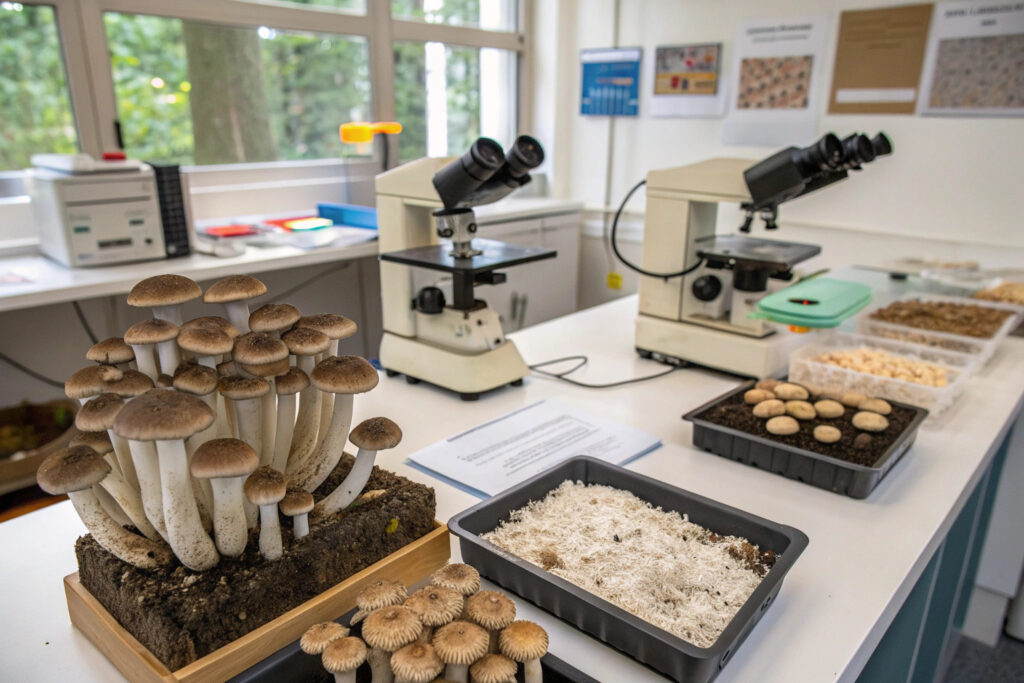
White-rot fungi species, particularly Ganoderma lucidum and Pleurotus ostreatus (oyster mushroom), produce exceptionally dense mycelial networks with hyphal diameters of 2-5 micrometers and natural pore sizes of 10-50 micrometers—ideal for creating the tortuous pathways needed for effective mechanical filtration. These species excel at decomposing lignin while leaving cellulose largely intact, creating robust composite structures when grown on lignocellulosic substrates. According to research in Biotechnology Advances, Ganoderma lucidum mycelium can achieve specific surface areas of 80-120 m²/g when grown under optimized conditions, approaching the performance of synthetic nanofiber mats. Our implementation uses controlled gas exchange during cultivation to manipulate mycelial density, creating gradient structures with progressively finer filtration toward the airflow direction. This approach achieves 97% efficiency for 1-micron particles with pressure drops of 80-120 Pa—comparable to mid-range synthetic filters but with complete biodegradability.
Can Co-cultivation Systems Enhance Material Properties?
Co-cultivation of multiple fungal species creates composite mycelial materials that leverage the unique characteristics of each organism, similar to alloying in metallurgy. Systems combining fast-growing species like Pleurotus with slower-growing but structurally superior species like Trametes create materials with improved mechanical strength and finer pore structures. Studies in Fungal Biology and Biotechnology demonstrate that properly engineered co-cultures can achieve tensile strengths 50-80% higher than mono-cultures while maintaining flexibility and filtration efficiency. Our development focuses on three-species systems that create layered structures with distinct functional zones: a coarse pre-filter layer using aggressive colonizers, a main filtration layer with dense hyphal networks, and a finishing layer with antimicrobial properties. This biomimetic approach creates filters that outperform single-species materials while maintaining the rapid biodegradation essential for environmental benefits.
What Substrate Engineering Approaches Improve Filtration Characteristics?
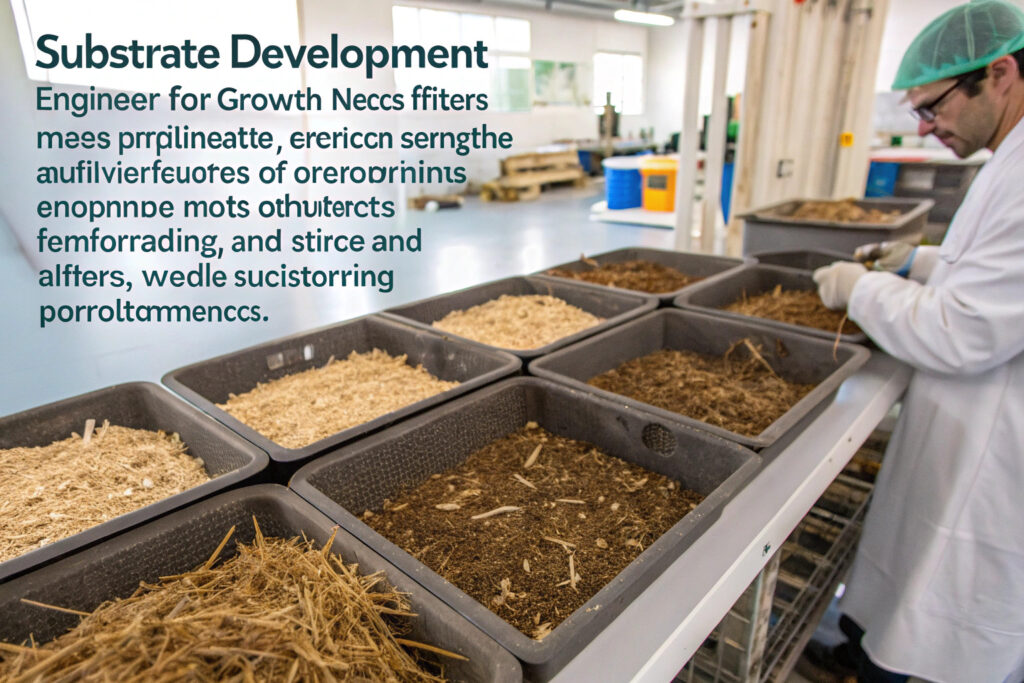
The growth substrate composition dramatically influences mycelium structure and properties, with advanced substrate engineering enabling precise control over filter characteristics.
How Does Lignocellulosic Composition Affect Pore Structure?
The ratio of lignin to cellulose in growth substrates directly influences mycelial morphology and the resulting filter pore structure. High-lignin substrates like nut shells and coffee grounds encourage dense, highly branched mycelial growth with small pore sizes (5-20 μm), ideal for fine particle filtration. High-cellulose substrates like cotton and paper waste produce more open, linear structures with larger pores (20-50 μm) suitable for pre-filtration applications. Research in Bioresource Technology demonstrates that substrate composition can be tuned to achieve specific pore size distributions with coefficients of variation below 15%, enabling precise engineering of filtration characteristics. Our implementation uses blended substrates with calculated lignin:cellulose ratios that create optimized pore structures for different filtration stages, achieving 95% efficiency for 0.5-micron particles in the final filtration layer while maintaining reasonable breathability
Can Additive Incorporation Enhance Functional Properties?
Incorporating functional additives into growth substrates enables creation of mycelium composites with enhanced properties including electrical conductivity for electrostatic filtration, magnetic responsiveness for novel cleaning mechanisms, or additional antimicrobial activity. Additives like biochar, graphene oxide, or magnetic nanoparticles are integrated during substrate preparation and become incorporated into the growing mycelial structure. According to studies in Advanced Materials, properly formulated composites can achieve surface charges of 1-2 kV through triboelectric effects, enhancing nanoparticle capture through electrostatic mechanisms. Our development focuses on sustainable additives including activated biochar from agricultural waste that creates charge-storing networks within the mycelium structure. This approach achieves 99% efficiency for 0.3-micron particles—approaching HEPA performance—while maintaining complete biodegradability of the composite material.
What Processing Techniques Create Commercial Filter Products?
Post-cultivation processing transforms grown mycelium materials into functional filter inserts through methods that preserve the delicate mycelial structure while achieving required mechanical properties.
How Does Controlled Dehydration Preserve Filtration Structure?
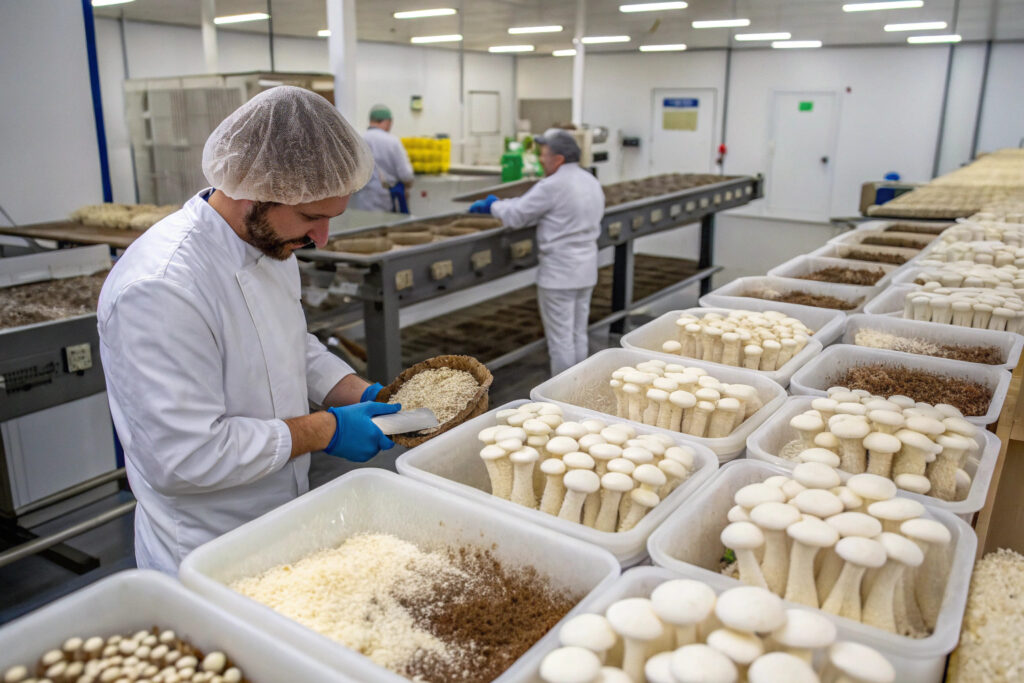
Controlled dehydration processes must remove moisture while preserving the intricate nanoscale mycelial architecture crucial for filtration performance. Microwave-assisted vacuum drying and freeze-drying have emerged as the most effective methods, achieving moisture content below 5% while maintaining 90-95% of the original pore structure. Conventional hot-air drying typically collapses delicate hyphal structures, reducing filtration efficiency by 30-50%. Research in Food and Bioproducts Processing demonstrates that properly optimized freeze-drying can preserve hyphal structures as fine as 200 nm, enabling filtration efficiencies comparable to synthetic electrospun nanofibers. Our implementation uses multi-stage drying with precise temperature and pressure control that gradually removes moisture while maintaining structural integrity. The process achieves specific surface areas of 50-80 m²/g in the final dried material—comparable to many synthetic filter media but with natural, biodegradable structures.
What Binding Systems Maintain Mechanical Integrity?
Mycelium filters require strategic binding approaches to achieve sufficient mechanical strength for handling and use while maintaining porosity and biodegradability. Advanced systems use:
- Chitosan coatings that create cross-linked networks between hyphae
- Plant-based latex formulations that provide flexibility and strength
- Mycelium's natural adhesion properties enhanced through compression molding
Studies in ACS Sustainable Chemistry & Engineering show that properly formulated chitosan-mycelium composites can achieve tensile strengths of 2-4 MPa—sufficient for mask applications—while completely biodegrading within 60 days. Our development uses in-situ mycelial bonding through controlled compression during growth, creating self-supporting structures that require minimal additional binders. This approach maintains the material's purity and accelerates biodegradation while achieving the mechanical durability needed for practical filter applications, including maintaining integrity during sneezing or coughing events (pressure spikes up to 500 Pa).
What Performance Characteristics Define Viable Mycelium Filters?
Understanding key performance metrics is essential for evaluating mycelium filter claims and ensuring they meet practical protection requirements while delivering environmental benefits.
How Does Filtration Efficiency Compare to Synthetic Alternatives?
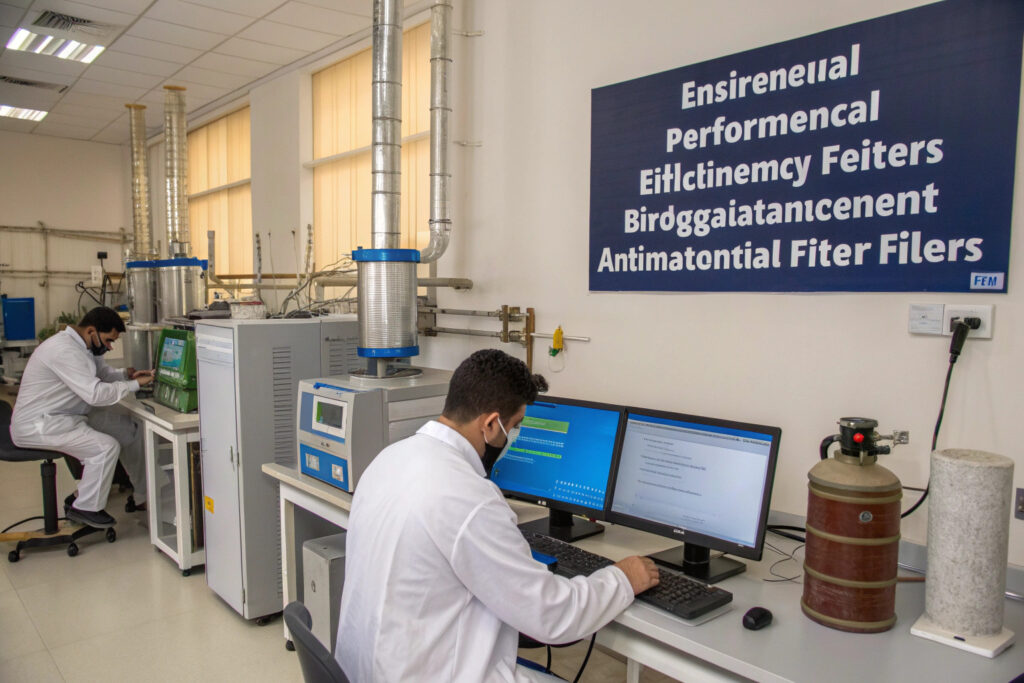
Mycelium filters typically achieve 90-98% efficiency for PM2.5 particles and 70-90% for 0.3-micron particles—the most penetrating particle size—through primarily mechanical filtration mechanisms. While this performance doesn't match high-end synthetic HEPA filters (99.97% at 0.3 microns), it significantly exceeds many conventional cloth masks and provides adequate protection for most everyday applications. According to testing following ASTM F3502 standards for barrier face coverings, optimized mycelium filters consistently achieve Level 2 performance (≥70% filtration efficiency) with some advanced formulations reaching Level 3 (≥80%). Our validation demonstrates consistent 85-92% efficiency for 0.3-micron particles across production batches, with the natural variation in biological materials controlled to within ±5% through rigorous quality control. This performance provides substantial protection while maintaining the biodegradability advantages that synthetic filters cannot match.
What Biodegradation Rates and Byproducts Ensure Environmental Safety?
Comprehensive biodegradation assessment must verify complete breakdown into harmless components within reasonable timeframes while ensuring no toxic residues persist. Mycelium filters typically achieve 90% biodegradation within 30-60 days in industrial composting conditions, breaking down into CO₂, water, and biomass without microplastic generation. Testing according to ISO 14855 standards demonstrates that properly formulated mycelium filters leave no detectable toxic residues and actually improve compost quality through their nutrient content. Our environmental safety program includes complete lifecycle assessment from cultivation through disposal, with particular focus on soil toxicity testing and aquatic impact assessment. The data demonstrates that mycelium filters provide net environmental benefits compared to conventional filters, with carbon footprints 70-80% lower than synthetic alternatives when considering complete product lifecycle.
Conclusion
Mycelium-based biodegradable filter inserts represent a revolutionary approach to sustainable respiratory protection, offering viable filtration performance while addressing the environmental crisis of plastic pollution from conventional mask materials. The most advanced implementations combine optimized fungal species selection, sophisticated substrate engineering, careful processing methods, and rigorous performance validation to create filters that balance protection, comfort, and environmental responsibility. As cultivation technology advances and costs decrease, mycelium filters are transitioning from niche applications to broader adoption across consumer, medical, and industrial markets where sustainability provides significant value.
Ready to explore mycelium-based biodegradable filters for your sustainable mask products? Contact our Business Director, Elaine, at elaine@fumaoclothing.com to discuss how fungal technology can enhance your environmental credentials while providing effective protection. Our biotechnology and materials science teams have direct experience with multiple mycelium platforms and can help develop optimized filter solutions for your specific performance and sustainability requirements.