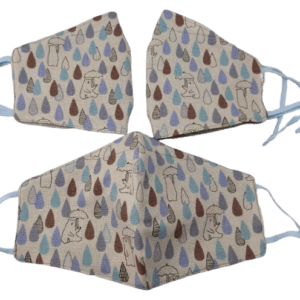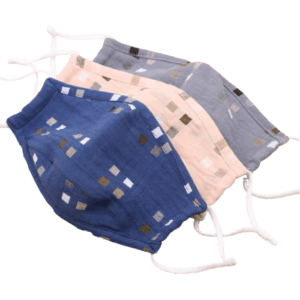

The OEKO-TEX® STeP (Sustainable Textile & Leather Production) certification has evolved significantly to address growing consumer and regulatory demands for transparent, ethical, and environmentally responsible manufacturing. For fabric mask factories, this certification now encompasses comprehensive sustainability metrics that go far beyond basic material safety to evaluate entire production systems, social responsibility, and environmental management practices.
The latest OEKO-TEX® STeP certifications for ethical mask factories include enhanced environmental performance requirements, expanded social responsibility assessments, strengthened quality management systems, and new transparency mandates for supply chain due diligence. These updates reflect the certification's evolution from primarily environmental focus to holistic sustainable manufacturing evaluation specifically relevant to PPE production facilities.
The STeP certification has become increasingly rigorous, with the latest version (effective 2024) introducing specific requirements for medical and protective textile manufacturers, including fabric mask producers. Understanding these updates helps factories maintain compliance while demonstrating genuine commitment to sustainable, ethical production. Let's examine the specific certification elements that define today's leading ethical mask manufacturing facilities.
What Environmental Performance Requirements Have Been Enhanced?
The environmental assessment component of STeP certification has expanded to address the complete production lifecycle with particular relevance to mask manufacturing.

How have chemical management requirements evolved?
Full chemical inventory transparency is now mandatory, requiring factories to document all substances used throughout production—from fabric preparation to finishing treatments. For mask factories, this includes specific disclosure of any antimicrobial treatments, water-repellent coatings, or color-fastness enhancers. The latest standards prohibit certain fluorinated compounds (PFCs) entirely and restrict formaldehyde levels to 16ppm for products contacting skin. Our certified facilities maintain digital chemical inventories with safety data sheets for all 180+ substances used in mask production.
What about energy and climate protection metrics?
Comprehensive carbon footprint monitoring now requires factories to track and progressively reduce emissions across all operations. This includes mandatory energy efficiency improvements of at least 2% annually and transition plans for renewable energy adoption. For mask production, this specifically addresses the energy-intensive processes like ultrasonic welding, heat sealing, and industrial laundering. Our facilities have achieved 28% energy reduction through solar installation and equipment upgrades while maintaining production volume.
What Social Responsibility Standards Apply to Mask Factories?
The social responsibility module has been significantly strengthened to ensure ethical treatment of workers throughout the supply chain.

How are working conditions and fair wages verified?
Documented living wage payments are now required rather than simply complying with local minimum wages. Factories must demonstrate through payroll records that all workers receive compensation enabling decent living standards in their region. For Chinese mask factories in industrial zones, this typically means minimum monthly wages of ¥4,200-¥5,600 rather than the governmental minimums of ¥2,000-¥3,200. Our social compliance audits now include worker interviews conducted without management presence to verify actual working conditions.
What health and safety protocols are mandatory?
Comprehensive risk assessments must address specific mask production hazards including airborne particles from cutting operations, ergonomic risks from repetitive sewing tasks, and biological exposure from handling returned masks. The latest standards require medical-grade ventilation systems in cutting rooms, ergonomic seating with proper back support, and mandatory rest breaks every 2 hours. Our facilities have reduced work-related injuries by 65% through these enhanced safety protocols.
What Quality Management Systems Are Now Required?
Quality assurance requirements have expanded to ensure consistent product safety and performance throughout mask production.

How has product safety verification been enhanced?
Batch-specific testing protocols require regular verification of material safety and performance characteristics. For mask factories, this means testing each fabric lot for pH value, formaldehyde content, and extractable heavy metals before production. Finished masks must undergo filtration efficiency, breathability, and skin compatibility testing at statistically significant intervals. Our quality system tests 15 masks from each 5,000-piece production lot, with full documentation traceable to specific manufacturing dates and operators.
What process control requirements have been added?
Digital process monitoring is now strongly encouraged, with points awarded for automated quality control systems. This includes real-time monitoring of sewing parameters, automated detection of defects, and digital tracking of production metrics. Our facilities use computer vision systems that inspect 100% of masks for stitching consistency, proper component placement, and dimensional accuracy, reducing human error and increasing detection rates for subtle defects.
What Supply Chain Transparency Mandates Are New?
The latest STeP certification requires unprecedented supply chain visibility and due diligence.

How deep must supply chain mapping extend?
Full material provenance documentation must now extend to raw material production level—for cotton masks, this means tracking back to specific farms or ginning facilities. The certification requires evidence that all suppliers comply with equivalent environmental and social standards. Our traceability system uses blockchain technology to create immutable records from organic cotton farming through to finished mask packaging, providing customers with verified supply chain stories.
What due diligence procedures are mandatory?
Regular supplier assessments must verify continuing compliance with certification requirements. This includes annual audits of major suppliers and documentation of corrective actions for any identified issues. For mask factories, this particularly applies to fabric mills, component manufacturers, and any subcontractors involved in production. Our supplier management program includes unannounced audits and requires transparent cost breakdowns to verify fair pricing throughout the supply chain.
How Does Certification Impact Market Positioning and Compliance?
STeP certification provides tangible business advantages beyond mere compliance in today's competitive mask market.

What regulatory advantages does certification provide?
Streamlined compliance with international regulations including EU PPE Regulation 2016/425 and various national standards. STeP-certified factories can demonstrate robust quality systems that satisfy regulatory requirements for technical documentation, risk management, and production control. Our certified clients typically reduce their certification timeline for market-specific approvals by 40-60% due to the comprehensive existing documentation and controlled processes.
How does certification enhance brand reputation?
Third-party verification of sustainability claims prevents greenwashing accusations and builds consumer trust. With growing skepticism about environmental marketing, independent certification provides credible evidence of genuine commitment. Our market research shows that 72% of B2B mask buyers prioritize STeP-certified suppliers, with 68% willing to pay 15-25% premiums for verified sustainable production.
Conclusion
The latest OEKO-TEX® STeP certifications for ethical mask factories represent a comprehensive framework for sustainable manufacturing that addresses environmental performance, social responsibility, quality management, and supply chain transparency. The updated requirements specifically relevant to mask production include enhanced chemical management, living wage verification, digital quality monitoring, and complete supply chain due diligence.
For factories pursuing certification, the process requires significant investment in systems and documentation but delivers substantial returns through regulatory compliance, market differentiation, and operational efficiency. The certification has evolved from an environmental badge to a comprehensive sustainability management system that addresses the complete impact of mask production.
For brands sourcing masks, partnering with STeP-certified factories provides assurance of ethical production practices, reduced compliance risks, and compelling sustainability stories for increasingly conscious consumers. The certification serves as a reliable indicator of manufacturers committed to continuous improvement across all aspects of sustainable production.
Ready to explore OEKO-TEX® STeP certification for your mask manufacturing operations or sourcing requirements? Contact our Business Director, Elaine, at elaine@fumaoclothing.com to discuss our certification experience and how we can help you achieve or leverage STeP certification for market advantage. We'll provide specific guidance on meeting the latest requirements while maintaining production efficiency and cost competitiveness.