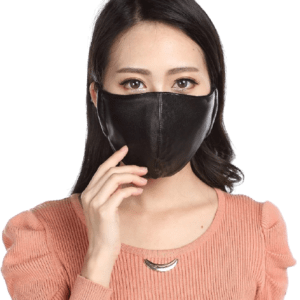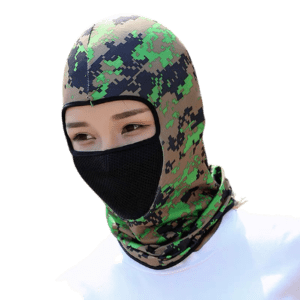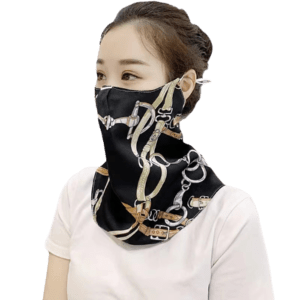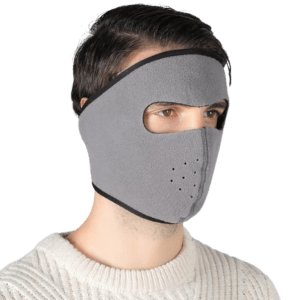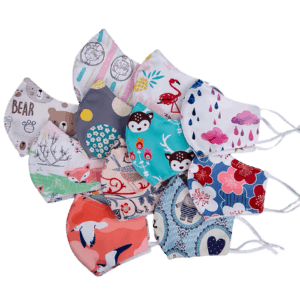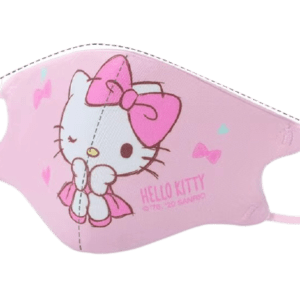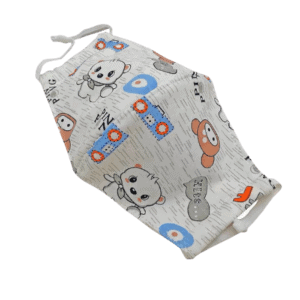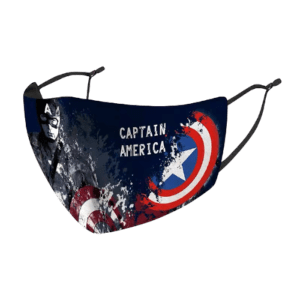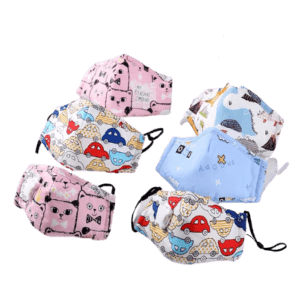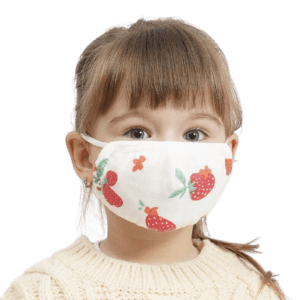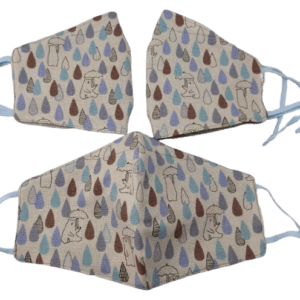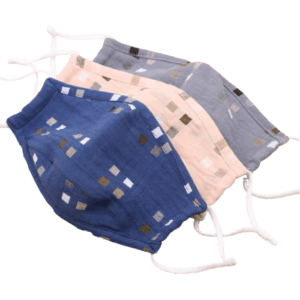
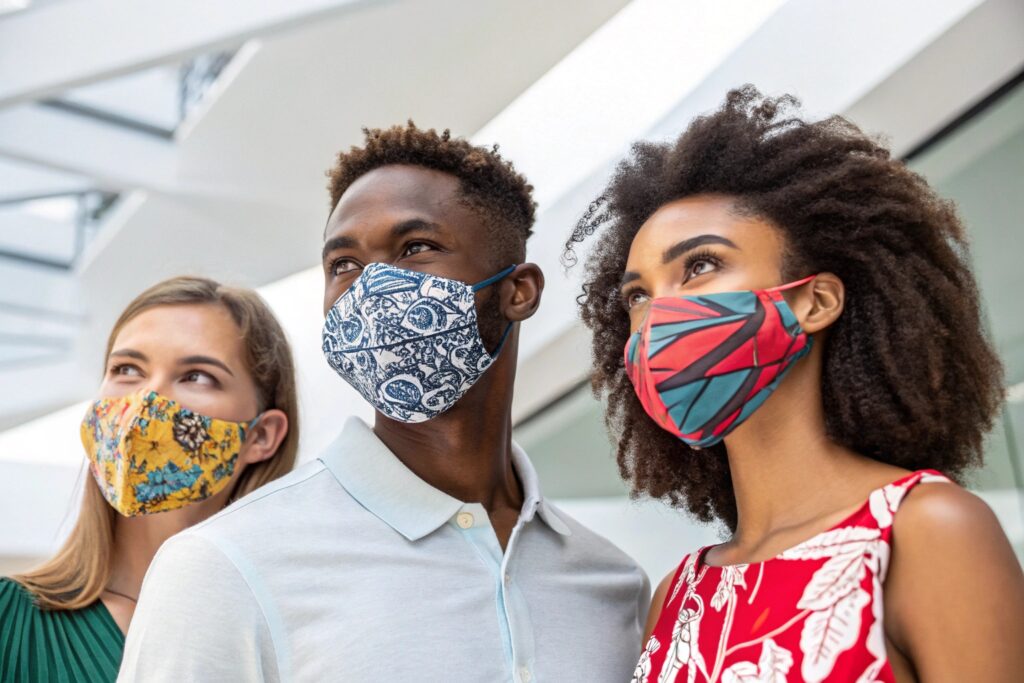
As the global demand for reusable face coverings continues into 2025, KN95-style fabric masks with filter pockets have gained serious attention from both consumers and wholesale buyers. These masks promise the shape and security of traditional KN95s with the reusability and customization of fabric masks.
But do they really offer the best of both worlds—or are they a compromise in disguise?
In this article, I’ll take you through the key benefits and potential drawbacks of these popular hybrid masks based on our manufacturing experience at ChinaClothMask.
What Makes KN95-Style Fabric Masks Unique?
KN95-style fabric masks aren’t just another variation—they're designed to mimic the shape and function of certified KN95 respirators while being washable and customizable.
Yes—these masks offer better filtration potential and facial fit than basic cloth masks, while staying more sustainable than disposables.
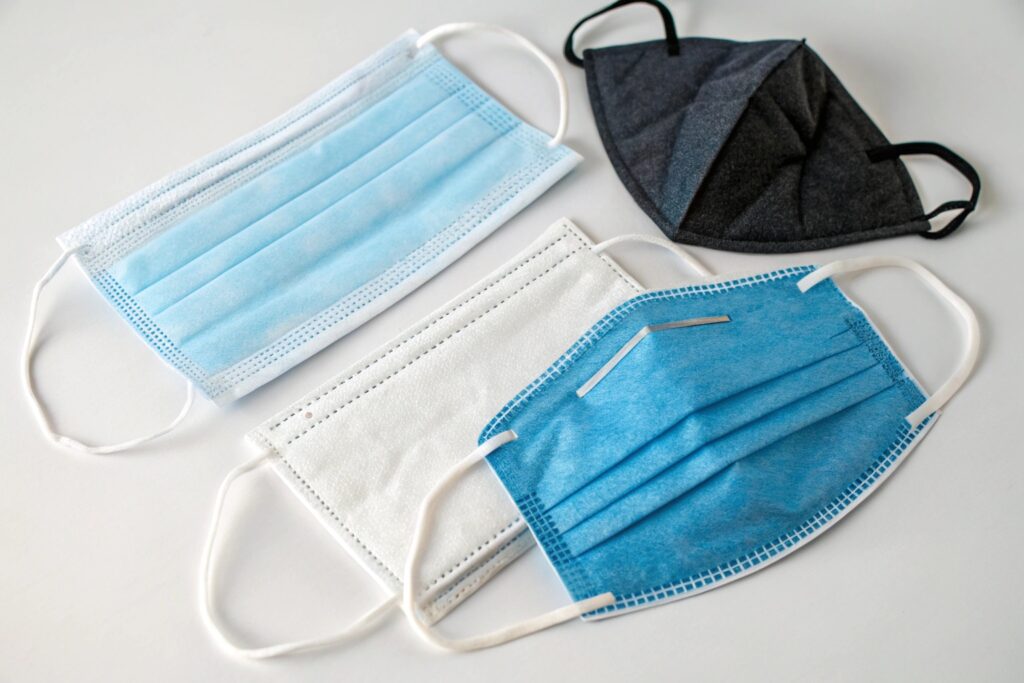
How Are These Masks Constructed?
A standard KN95-style fabric mask includes:
- 3D molded or duckbill contour structure
- Filter pocket for PM2.5 or activated carbon filters
- 3 to 5 fabric layers, including:
- Outer water-resistant layer
- Inner breathable cotton layer
- Optional meltblown or non-woven inserts
- Flexible nose bridge
- Adjustable ear loops
We use these configurations in our multilayer mask designs.
What Sets Them Apart?
These masks provide:
- More surface coverage than flat masks
- Improved breathability due to their structure
- Built-in pockets for customizable protection
- Reusable design that lowers long-term costs
This makes them ideal for urban commuters, air pollution zones, and clients requiring enhanced protection like PM2.5 areas.
What Are the Key Benefits for Buyers and Users?
KN95-style fabric masks offer multiple user benefits, especially when designed correctly with premium materials and ergonomic features.
Yes—they combine protection, reusability, and comfort in one adjustable design.

Why Do Buyers Prefer This Style?
Wholesale buyers like these masks because they:
- Appeal to clients needing mid-tier protection
- Are visually similar to certified KN95s
- Offer add-on value through filter sales
- Support eco-conscious branding with washable layers
For example, we worked with a U.S. sports brand that launched a “CleanFit Series” with contour masks and filters packed together. It boosted their average order value by 22%.
See how we create custom mask and filter bundles for retail packaging.
What About End-User Comfort?
Thanks to the 3D shape and nose bridge, these masks:
- Reduce glasses fog
- Stay off the lips (ideal for talking)
- Provide a closer seal on the sides
- Are easier to breathe in than flat cotton styles
Add-on ear savers and adjustable sliders make them suitable for long wear. Some buyers add anti-odor coatings to improve usability.
What Are the Disadvantages or Risks?
Like any hybrid product, KN95-style fabric masks with filter pockets come with trade-offs. Misunderstanding them can lead to poor user experience or even safety issues.
Yes—buyers should be cautious about certification claims, filter compatibility, and bulk quality consistency.

What Are the Common Concerns?
-
Filter Confusion
Many users don’t know which PM2.5 filter fits their mask. Some filters are too small, others are unverified or poorly sealed. -
Washing Trouble
These masks require removing the filter before washing. If forgotten, the filter’s integrity breaks down. Reusable masks don’t protect if not cleaned properly. Check CDC's mask washing guidelines. -
False Claims
Some suppliers misuse the term “KN95” while offering masks that have no test results or sealing performance. Be sure to ask for SGS or GB2626-2019 reports.
What Do We Recommend?
We include the following with our shipments:
- Filter sizing guides
- Reuse/washing instructions on hangtags
- Testing reports via QR code traceability (learn about our QC system)
This ensures buyers and users stay informed and confident.
When Should You Choose This Mask Style?
Not every client or use case requires KN95-style design. But for mid-to-high protection, especially in crowded or polluted environments, it strikes a smart balance.
Yes—this design is ideal for customers who value protection, fit, and reusability over convenience or disposability.

Best Use Cases:
| Use Case | Why It Works Well |
|---|---|
| City Commuters | Strong face seal blocks dust, pollution, droplets |
| Gym Users | Breathable structure stays in place during movement |
| Business Professionals | Sleek shape suits formal outfits |
| Allergy-Prone Users | Filter layer captures allergens effectively |
We see bulk reorders from corporate gifting campaigns and e-commerce stores that bundle filters into monthly subscription boxes.
When to Avoid It?
This design may not be ideal for:
- Children under 5
- People who need rapid washing cycles
- Buyers seeking ultralight or minimal styles
In these cases, consider our 2-layer breathable options or pleated styles instead.
Conclusion
KN95-style fabric masks with filter pockets sit at the intersection of protection, style, and reusability. They deliver enhanced value when sourced from verified suppliers and offered with proper filter support. If you're targeting a market that cares about safety and breathability—but doesn’t want single-use waste—this design offers a strong return for both customers and your bottom line.