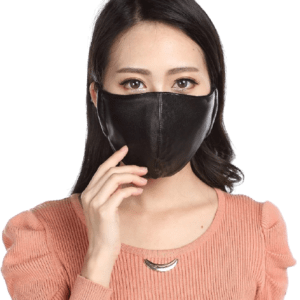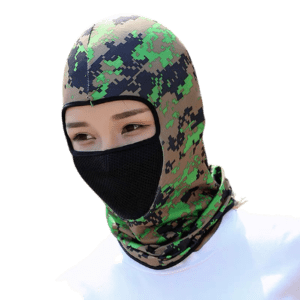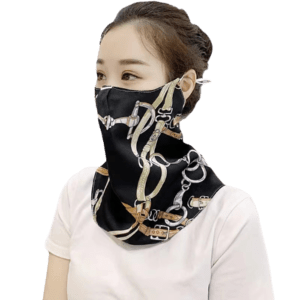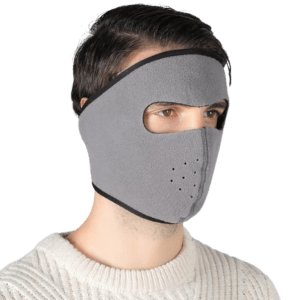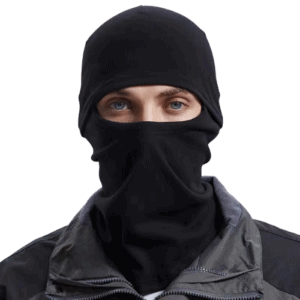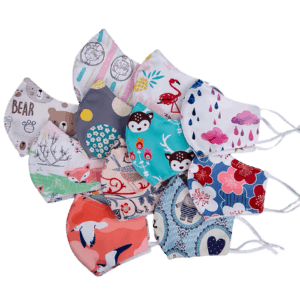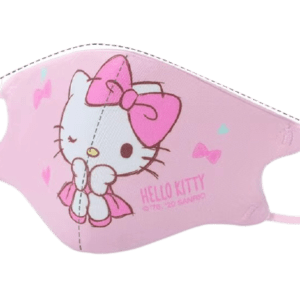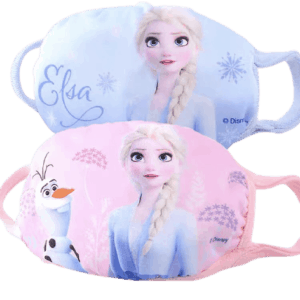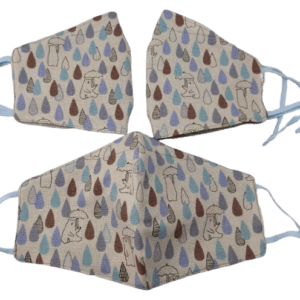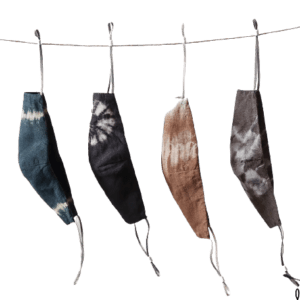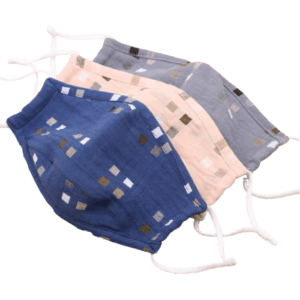
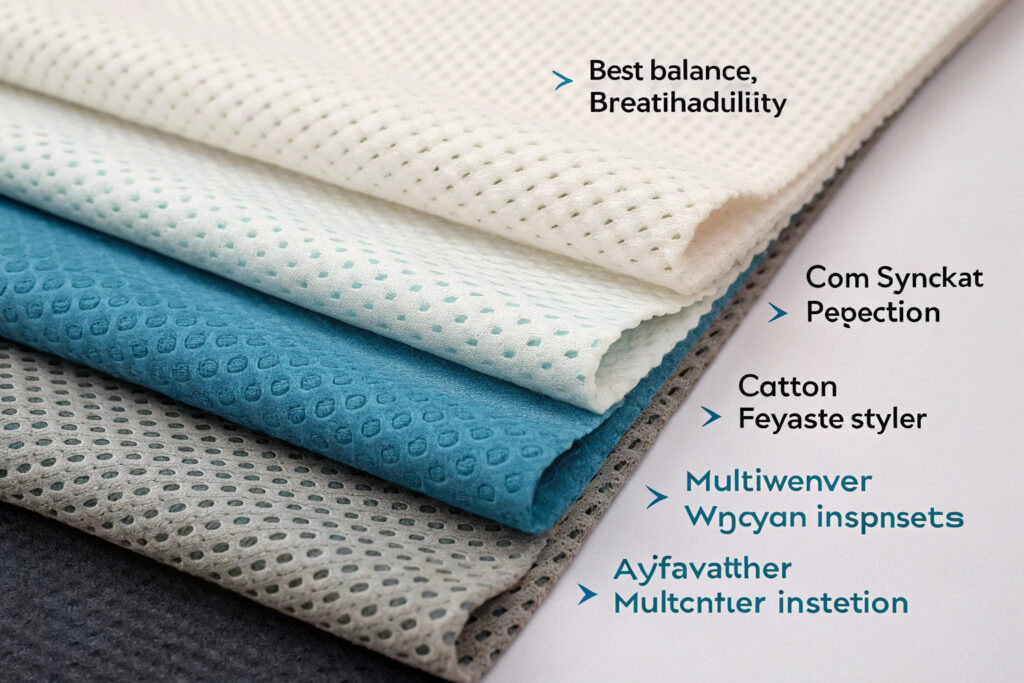
When choosing fabric masks, many buyers struggle with one critical trade-off: how to ensure adequate protection without sacrificing breathability. Masks that block particles effectively often feel stifling, while lightweight fabrics may lack the necessary filtration power. This balance is especially important for procurement managers, brand buyers, and online store owners who must guarantee customer satisfaction and compliance with international standards.
The best balance of breathability and protection usually comes from carefully engineered fabric blends such as cotton-polyester, cotton-spandex, and multilayered cotton with non-woven inserts. These combinations allow air to pass comfortably while ensuring filtration efficiency and long-term durability. By integrating both natural and synthetic fibers, suppliers can meet fashion, comfort, and safety demands at the same time.
That is why understanding how different blends behave is vital for decision-makers. In this article, I will explain the advantages of the most common fabric blends for masks, the science behind their performance, and how wholesale buyers can select the right composition for their markets.
Cotton and Polyester Blends: Are They the Gold Standard?
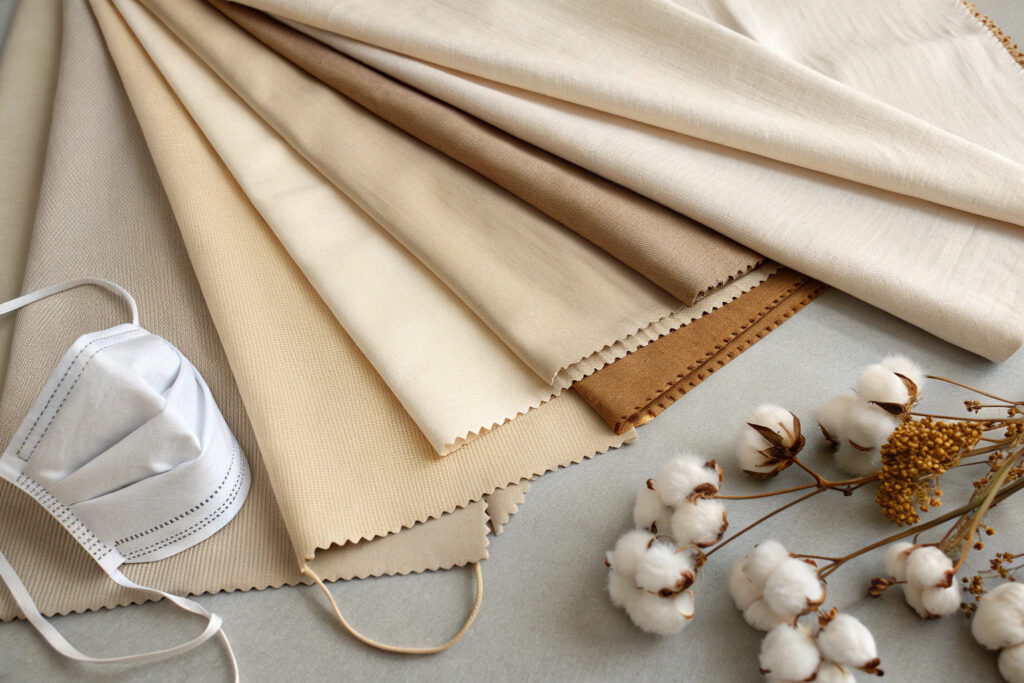
Cotton and polyester blends have long been favored in the textile industry for their balanced performance. Cotton brings softness and skin-friendliness, while polyester contributes strength, wrinkle resistance, and quick-drying properties.
Why do cotton-polyester masks stay popular?
Cotton-polyester masks remain popular because they combine comfort with resilience. Cotton fibers absorb moisture and keep the mask breathable, while polyester ensures the fabric retains its shape after repeated washes. Studies from CDC show that tightly woven cotton layered with synthetic fibers enhances filtration efficiency without suffocating the user. For buyers, this blend ensures fewer returns due to discomfort or early wear.
How do cotton-polyester blends perform in daily use?
In daily scenarios like commuting, workplace meetings, or casual outings, cotton-polyester masks maintain comfort over long hours. Polyester speeds up drying, reducing odor accumulation, while cotton ensures breathability. According to Textile World, blended fabrics also hold dyes better, making them ideal for fashion-oriented buyers seeking vibrant prints and designs.
Cotton and Spandex Blends: Do They Improve Fit?
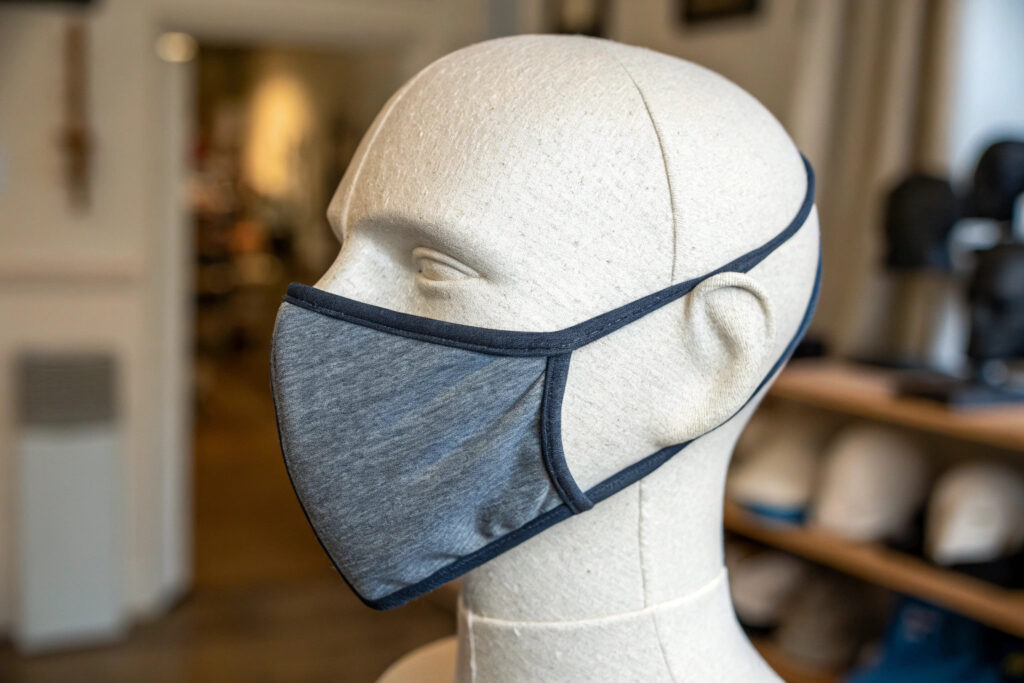
Cotton-spandex blends are another strong option for mask manufacturing, particularly when comfort and adaptability are a priority.
Why is spandex important in fabric masks?
Spandex provides stretch, allowing masks to contour closely to the wearer’s face. This reduces gaps and improves sealing, which increases protection levels. Cotton, on the other hand, maintains breathability and softness. As Healthline highlights, spandex can stretch up to five times its original length, ensuring a snug but comfortable fit for a wide range of face shapes.
Do cotton-spandex masks last longer?
Yes, cotton-spandex blends generally last longer under frequent use. The elasticity reduces fabric deformation after multiple washes, meaning the mask retains its shape better than pure cotton options. According to ScienceDirect, spandex’s resilience in blends also makes these masks ideal for active use, such as in sports or outdoor work environments.
Multi-Layered Cotton with Non-Woven Inserts: Are They Safer?
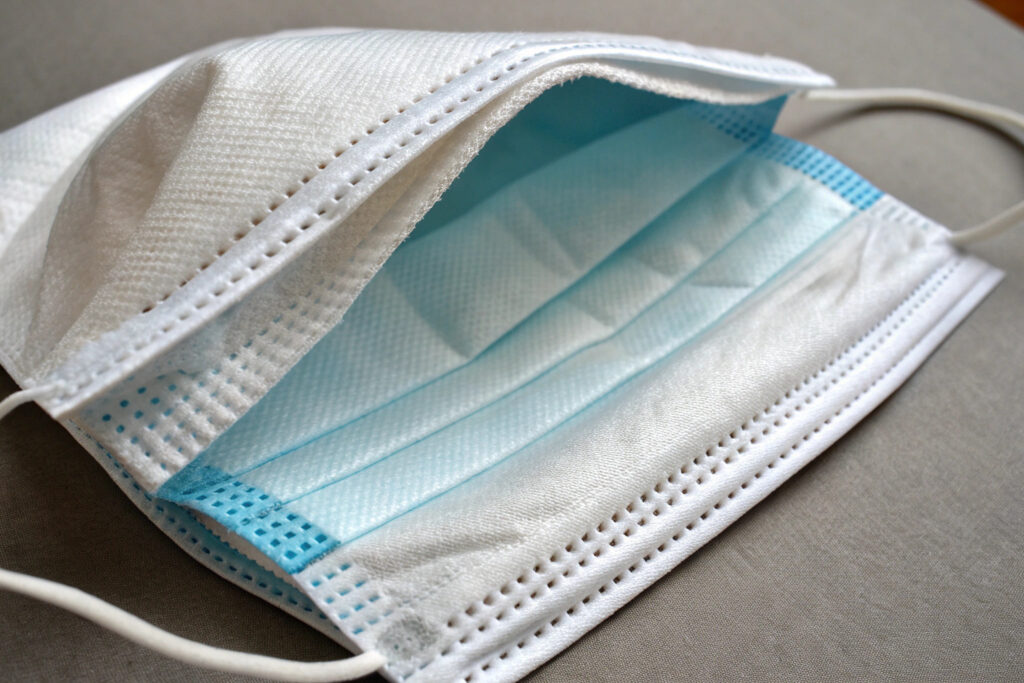
Many buyers now demand masks that offer superior protection without compromising breathability. Multi-layered cotton with non-woven polypropylene inserts has become a popular solution.
Why add non-woven layers to cotton masks?
Non-woven polypropylene is the same material used in surgical masks. When combined with cotton, it creates a hybrid structure that filters particles effectively while maintaining comfort. Research from Nature confirms that layering cotton with non-woven material improves filtration efficiency against aerosols and droplets.
Are these masks still comfortable to wear?
Yes, especially when designed with breathable cotton as the outer and inner layers. The cotton ensures skin comfort and moisture absorption, while the middle non-woven layer provides the extra barrier. This balance makes such masks highly suitable for buyers seeking to serve professional markets, such as schools, workplaces, and public institutions. According to WHO, multi-layer masks remain one of the safest consumer options.
Bamboo and Organic Cotton Blends: Do They Offer Sustainability?
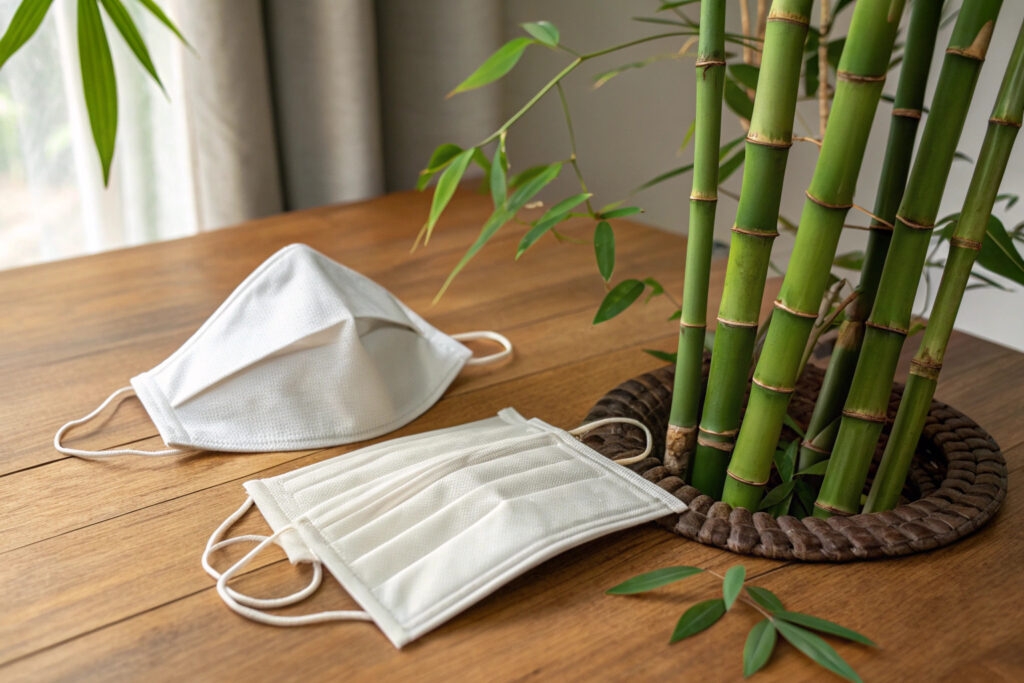
Sustainability has become a major decision-making factor for international buyers. Bamboo and organic cotton blends represent a growing trend in eco-friendly fabric masks.
Why are bamboo-cotton blends considered eco-friendly?
Bamboo grows rapidly and requires less water and pesticides compared to traditional cotton. When blended with organic cotton, it produces a breathable, soft, and antimicrobial fabric. According to Good On You, bamboo fibers also have natural odor resistance, which enhances user experience in hot and humid climates.
Do eco-friendly masks perform as well as synthetic blends?
Yes, bamboo-cotton blends perform surprisingly well. They are lightweight, breathable, and comfortable for sensitive skin, while still offering reasonable filtration when layered properly. According to EcoTextile, demand for sustainable blends has surged, particularly among European and American buyers who prioritize ethical sourcing in their supply chains.
Conclusion
The best fabric blends for masks depend on your market needs. Cotton-polyester offers durability and color retention. Cotton-spandex improves fit and long-term comfort. Multi-layer cotton with non-woven inserts maximizes protection, while bamboo-organic cotton blends cater to eco-conscious buyers.
If you are a brand, buyer, or entrepreneur seeking a reliable supplier of breathable yet protective fabric masks, we invite you to partner with Shanghai Fumao. For custom mask development, wholesale supply, or large-scale orders, please contact our Business Director Elaine at elaine@fumaoclothing.com.