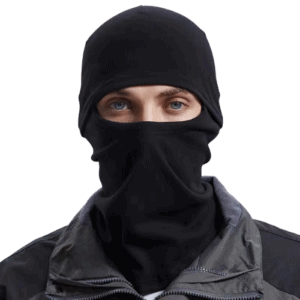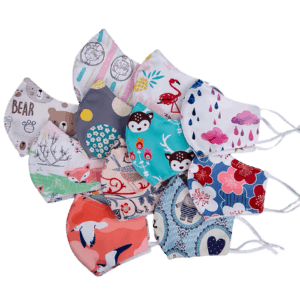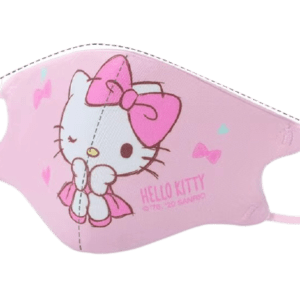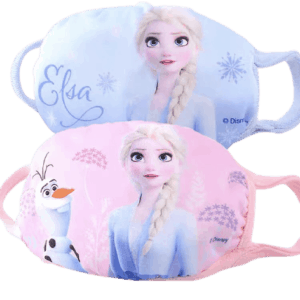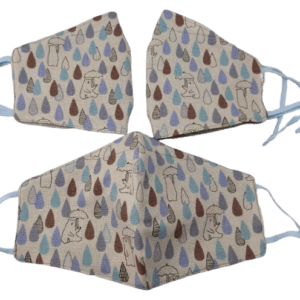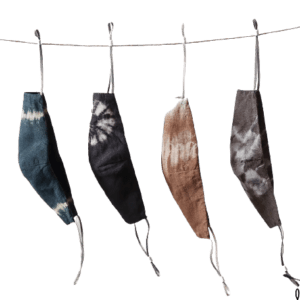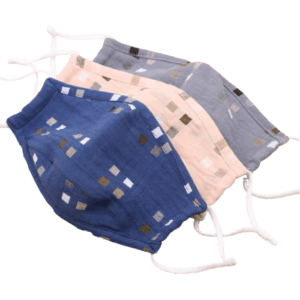

Sustainability isn't just a buzzword anymore—it's a non-negotiable priority for many global buyers. As brands across the U.S., Europe, and even Russia prioritize eco-conscious materials, choosing the right sustainable fabric becomes critical when developing your cloth mask line.
There are now a variety of innovative and certified sustainable fabric options for cloth masks, including organic cotton, bamboo, TENCEL™, and recycled polyester (rPET). Each comes with its own set of performance benefits and environmental impact profiles, ideal for different customer segments and end-use cases.
Let me walk you through the most practical, scalable, and in-demand eco-materials we use at ChinaClothMask. Our experience in working with over 50+ international mask and fashion buyers gives us a front-row seat to what works—and what truly sells.
Why Is Organic Cotton a Top Pick for Sustainable Masks?
Eco-conscious buyers often begin with organic cotton—and for good reason. It feels familiar, yet far more ethical than conventional cotton. For fabric mask applications, it balances softness, breathability, and production scalability.
Organic cotton is grown without synthetic pesticides and consumes up to 91% less water than conventional cotton, making it one of the most sustainable mask materials. It’s also GOTS or OEKO-TEX certified, giving buyers confidence in both safety and traceability.

What Certifications Should Organic Cotton Have?
When selecting organic cotton masks, ensure your supplier provides GOTS certification or OEKO-TEX Standard 100 labels. These confirm low chemical content, ethical sourcing, and safe skin contact. We regularly source certified fabrics from Zhejiang and Xinjiang mills that meet these global criteria.
Can Organic Cotton Be Used for Multi-Layer Masks?
Yes. Organic cotton can be layered with filter pockets or antimicrobial interlinings. For instance, we’ve developed 3-layer configurations using organic outer layers, melt-blown middle filters, and bamboo jersey linings—all within sustainable guidelines. Clients from Germany and California have praised this blend for comfort and responsibility.
Is Bamboo Fabric Truly Eco-Friendly for Face Coverings?
Bamboo is another rising star in the eco-textile scene. Known for its softness and antibacterial properties, it’s especially popular among health-conscious and premium skincare brands.
Bamboo viscose fabrics offer moisture-wicking, breathability, and a silky texture—ideal for long-duration wear in hot climates. While raw bamboo is fast-growing, buyers must check how it’s processed, since some viscose treatments involve chemicals.

What Should Buyers Watch Out for with Bamboo?
Make sure you work with suppliers offering closed-loop bamboo viscose or Lyocell alternatives. We source from mills using low-impact methods and ensure each roll meets REACH or OEKO-TEX standards. This guarantees both eco impact and skin safety for facial contact.
Is Bamboo Fabric Durable Enough for Reusable Masks?
Yes—when properly finished. Our bamboo masks undergo pre-shrinking and colorfastness testing under AATCC standards. These masks perform well after 25–30 wash cycles. That’s why one of our major e-commerce clients in Sweden switched all their kids’ masks to bamboo this year.
What Are the Benefits of Using Recycled Polyester (rPET)?
For performance-focused masks—especially sports, workplace, or promotional giveaways—rPET offers a balance between sustainability and functionality.
Recycled polyester (rPET) is made from post-consumer plastic bottles, reducing landfill waste and carbon emissions by over 30% compared to virgin polyester. It’s breathable, quick-drying, and more stretchable than most natural fibers.

Where Does Reliable rPET Fabric Come From?
Top rPET mills are based in Guangdong and Fujian. We partner with vendors offering GRS (Global Recycled Standard) certified fabrics, along with real-time QR traceability. Some also offer anti-UV and antimicrobial coatings without affecting recyclability.
Are There Trade-Offs in Comfort or Feel?
While rPET isn’t as soft as bamboo or cotton, it can be blended with organic fibers for hybrid comfort. For example, we manufacture rPET-poly-spandex masks for yoga brands that need moisture-wicking and stretch. Many brands now prioritize its story and carbon offset benefits over pure texture.
Should TENCEL™ Be Used in Premium Eco Mask Collections?
If you’re launching a luxury or wellness-focused mask collection, TENCEL™ is a superb option. It’s made from sustainably harvested eucalyptus and processed with closed-loop methods that reuse water and solvents.
TENCEL™ Lyocell and Modal fabrics are biodegradable, moisture-regulating, and extremely skin-friendly—ideal for boutique mask collections. They also drape well and support high-resolution printing for custom designs.

Is TENCEL™ More Expensive Than Other Fabrics?
Yes, but buyers are willing to pay a premium for the eco story and softness. Our fashion clients in France and Canada often use TENCEL™ in limited edition collections or influencer collaborations. For small batch runs, it offers high perceived value and brand alignment.
Can TENCEL™ Be Certified for Environmental Impact?
Absolutely. Lenzing’s supply chain includes EU Ecolabel and FSC certifications. Our sourcing agents verify every lot from authorized distributors, with digital verification shared through our real-time inventory app.
Conclusion
Choosing the right sustainable fabric for your cloth mask line isn’t just about environmental impact—it’s also about meeting your customers’ expectations and standing out in a crowded market. Organic cotton offers familiarity and certification strength. Bamboo delivers breathable comfort with a natural story. rPET supports performance and recycling, while TENCEL™ wins on luxury and skin feel. At ChinaClothMask, we help you develop eco-conscious mask products from the ground up—starting with certified fabrics, lab testing, and low-MOQ development, all the way to global delivery. Let’s co-create a mask line that’s sustainable, scalable, and successful.