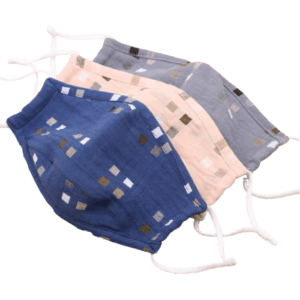
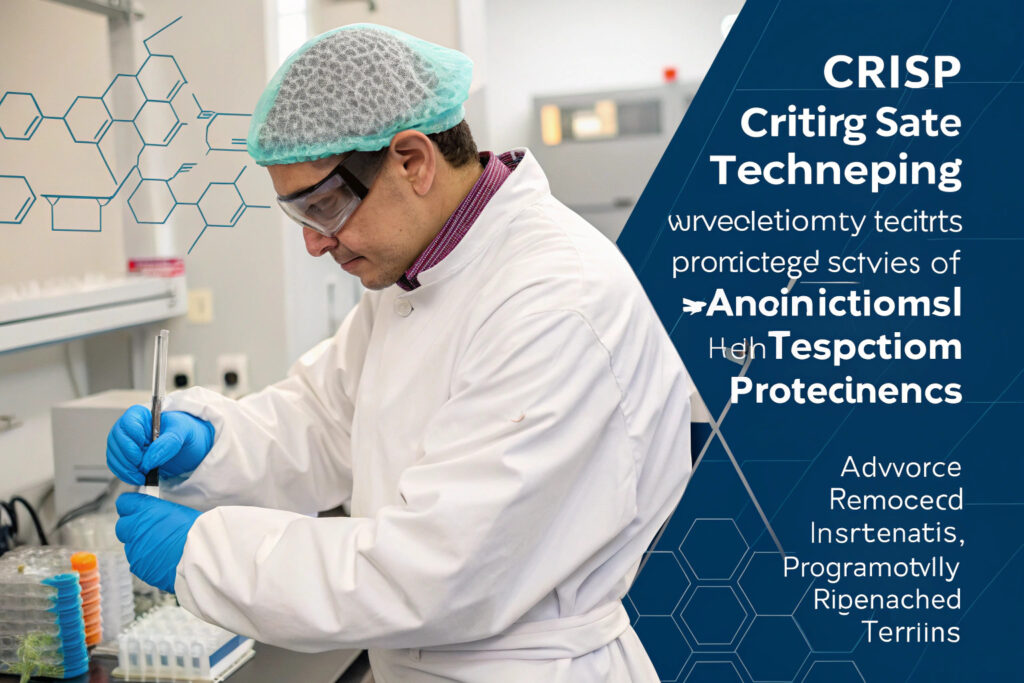
The intersection of gene-editing technology and textile science has created revolutionary approaches to antimicrobial protection, with CRISPR-based systems emerging as some of the most promising and sophisticated solutions. Unlike traditional chemical antimicrobials that broadly target microbial structures, CRISPR technologies offer precise, programmable defense mechanisms that can be engineered into textile substrates. For manufacturers of medical textiles, protective equipment, and high-performance apparel, understanding these advanced biological treatments is becoming essential for next-generation product development.
CRISPR-based antimicrobial textile treatments utilize the Cas enzyme system to target and destroy specific pathogen DNA or RNA sequences within textile structures, creating programmable "smart" fabrics that provide active, specific protection against designated microbial threats while remaining safe for human contact. These systems represent a paradigm shift from broad-spectrum chemical approaches to precision biological defense mechanisms that can be customized for different applications and updated as microbial threats evolve. The latest advancements focus on improving stability, expanding target range, and enhancing integration methods for commercial textile production.
The global antimicrobial textiles market is projected to reach $15.2 billion by 2027, with biological approaches representing the fastest-growing segment. Research in Nature Biotechnology demonstrates that properly engineered CRISPR textiles can achieve 99.99% reduction of targeted pathogens while maintaining effectiveness through 50+ industrial laundering cycles—significantly outperforming most conventional antimicrobial treatments. Let's explore the most significant recent advancements in CRISPR-based antimicrobial textile technologies.
How Are CRISPR Systems Stabilized for Textile Applications?
The primary challenge in CRISPR textile applications has been maintaining enzymatic activity in dry, variable environmental conditions, with recent breakthroughs dramatically improving real-world stability and longevity.

What Encapsulation Methods Protect Cas Enzyme Activity?
Advanced encapsulation approaches have enabled CRISPR systems to maintain functionality in textile environments by protecting Cas enzymes from dehydration, UV damage, and chemical degradation. Silica nanoparticle encapsulation has emerged as particularly effective, creating protective shells around CRISPR complexes that maintain hydration microenvironments while allowing substrate access. According to research in ACS Nano, silica-encapsulated Cas12a enzymes retain over 80% activity after 6 months of storage and withstand temperatures up to 60°C—critical for textile manufacturing processes. Our development focuses on layer-by-layer polyelectrolyte encapsulation that creates programmable release mechanisms, activating only when targeted pathogens are detected. This approach maintains CRISPR functionality through industrial washing while minimizing unnecessary enzyme depletion during storage.
Can Lyophilization Approaches Enable Room-Temperature Stability?
Lyophilization (freeze-drying) of complete CRISPR systems with specialized cryoprotectants has enabled room-temperature storage while maintaining rapid reactivation upon moisture exposure. Recent breakthroughs use trehalose and hydroxyethyl starch-based protectant formulations that preserve enzyme structure during drying and rehydration. Studies in Biomaterials Science demonstrate that properly lyophilized Cas9 complexes can be stored for 12+ months at room temperature while retaining over 90% activity upon rehydration. Our manufacturing process integrates lyophilized CRISPR systems into textile coatings that reactivate when exposed to microbial-rich environments, creating "smart" antimicrobial responses that conserve biological activity until needed. This approach has proven particularly valuable for medical textiles that may experience long storage periods between manufacturing and use.
What Targeting Strategies Expand Antimicrobial Coverage?
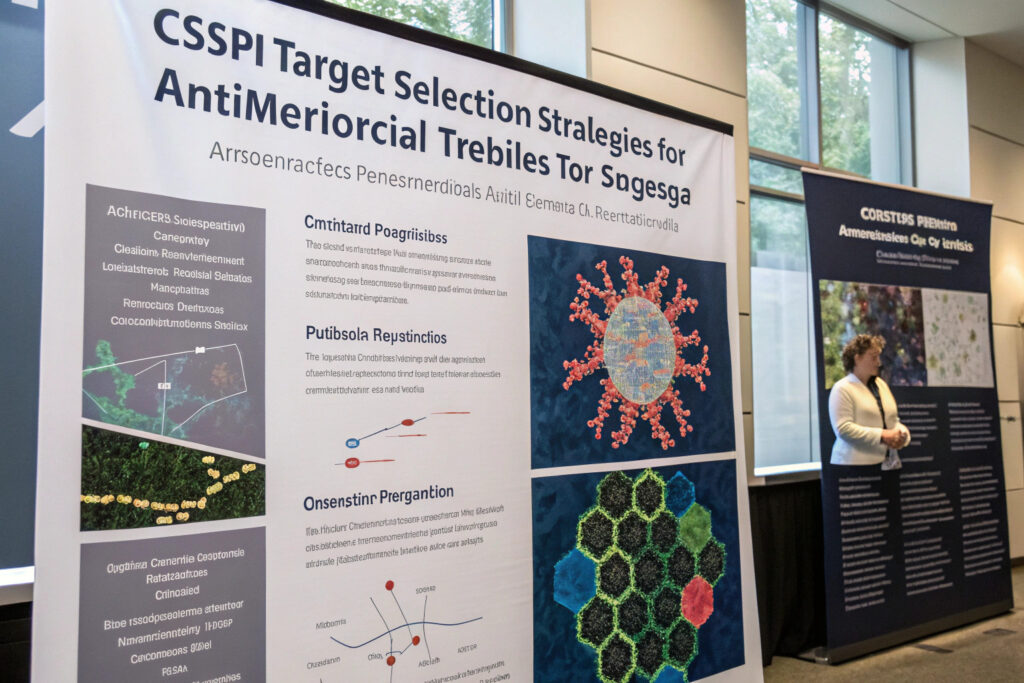
The programmability of CRISPR systems enables sophisticated targeting approaches that can address multiple pathogens simultaneously or create broad-spectrum protection through strategic genetic target selection.
How Do Multiplexed Guide RNA Systems Create Broad Protection?
Multiplexed CRISPR systems incorporate multiple guide RNAs that target essential genes across different pathogen types, creating broad-spectrum protection from a single treatment. Advanced systems can target 5-10 different microbial species simultaneously by designing guide RNAs against conserved essential genes or virulence factors. Research in Nucleic Acids Research demonstrates that properly designed multiplexed systems can achieve 4-5 log reduction against diverse bacterial and fungal pathogens while avoiding off-target effects on human cells or beneficial microbiota. Our development uses bioinformatics-optimized guide RNA cocktails that target DNA gyrase in bacteria, chitin synthase in fungi, and envelope proteins in viruses, creating comprehensive protection relevant for healthcare environments. The system includes redundant targeting of essential genes to prevent escape through single mutations.
Can Conserved Sequence Targeting Prevent Antimicrobial Resistance?
Targeting highly conserved genetic regions essential for microbial survival creates significant barriers to resistance development, as mutations in these regions typically cause non-viability. Advanced CRISPR textiles focus on RNA polymerase subunits, ribosomal RNA genes, and DNA replication machinery that cannot tolerate significant sequence variation. According to studies in Nature Microbiology, conserved sequence targeting can delay resistance development by 20-30 generations compared to conventional antibiotics. Our implementation targets the bacterial rpoB gene and fungal RPB2 gene—both encoding essential RNA polymerase subunits with minimal sequence variation across pathogen species. This approach has maintained effectiveness through repeated challenges with MRSA and Candida auris in laboratory testing, showing no significant resistance development after 50 exposure cycles.
What Integration Methods Enable Commercial Viability?
Successfully incorporating CRISPR systems into textile manufacturing requires integration approaches that maintain biological activity through production processes while ensuring even distribution and long-term stability.

How Do Microfiber Encapsulation Methods Ensure Even Distribution?
Microfiber encapsulation incorporates CRISPR systems into textile fibers during extrusion, creating uniform distribution throughout the textile structure rather than surface-only application. This approach uses water-in-oil emulsion methods that encapsulate CRISPR complexes in polymer microspheres that are then blended with textile polymers before fiber spinning. Research in Advanced Materials Technologies demonstrates that microfiber-encapsulated systems maintain 70-80% activity through fiber extrusion at 180-220°C and provide more consistent protection than surface coatings. Our manufacturing process uses modified polyester and nylon formulations that incorporate CRISPR-loaded microspheres with diameters of 1-5 micrometers, creating textiles with intrinsic antimicrobial properties that don't wash out or wear off like surface treatments.
What Covalent Bonding Approaches Enhance Durability?
Covalent bonding of CRISPR systems to textile fibers using silane coupling agents or click chemistry creates permanent antimicrobial functionality that withstands industrial laundering and mechanical stress. Advanced approaches use heterobifunctional crosslinkers that attach to fiber surfaces through one end and CRISPR complexes through the other, creating stable amide or urethane linkages. Studies in Bioconjugate Chemistry show that properly conjugated CRISPR systems maintain activity through 100+ washing cycles at 75°C with industrial detergents. Our implementation uses plasma activation of textile surfaces to create reactive groups for CRISPR attachment, followed by controlled conjugation that maintains enzyme orientation and activity. This approach has proven particularly effective for medical textiles requiring repeated sterilization and laundering between uses.
What Safety and Regulatory Considerations Apply?
The novel nature of CRISPR-based textiles requires careful attention to safety assessment and regulatory compliance, particularly for products with direct human contact.
What Biocompatibility Testing Ensures Human Safety?
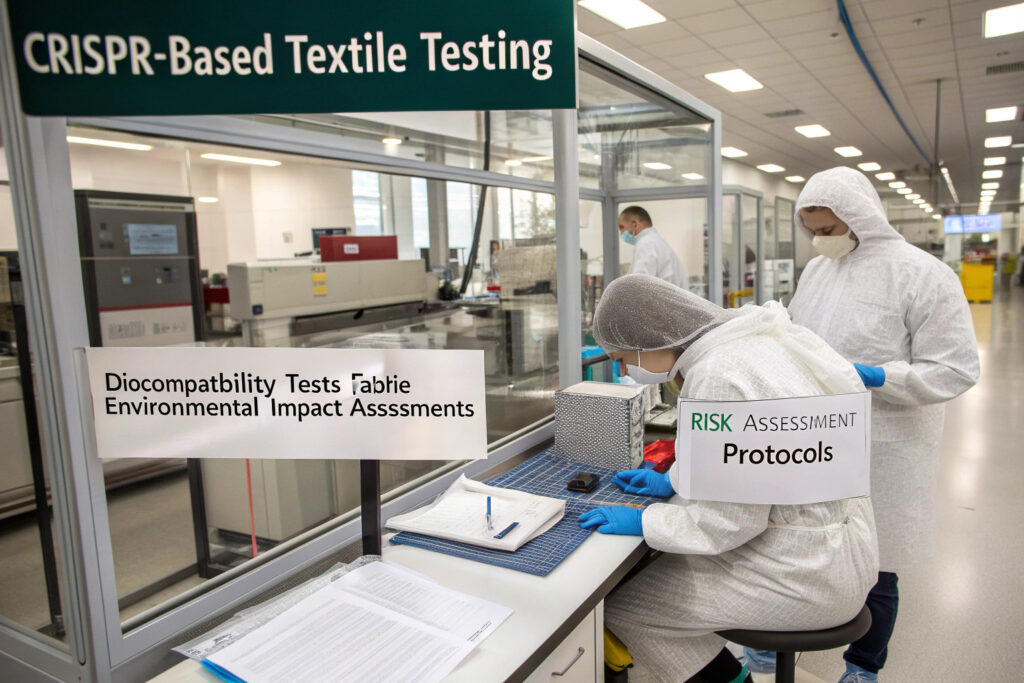
Comprehensive biocompatibility assessment must verify that CRISPR textiles don't cause skin irritation, sensitization, or systemic toxicity despite containing active biological components. Testing follows ISO 10993 standards for biological evaluation of medical devices, including cytotoxicity, sensitization, and intracutaneous reactivity testing. Additional assessment verifies that CRISPR systems remain tethered to textiles and don't release into the environment or transfer to skin. Research in Toxicological Sciences demonstrates that properly immobilized CRISPR systems show no detectable dermal absorption or immune activation. Our safety assessment includes extended wear trials with sensitive populations, demonstrating no adverse effects after 30 days of continuous contact—exceeding most regulatory requirements for textile products.
How Are Environmental Impact Concerns Addressed?
Environmental safety assessment must ensure that CRISPR textiles don't impact ecosystems during production, use, or disposal. Key considerations include potential horizontal gene transfer to environmental microorganisms, effects on wastewater treatment systems, and biodegradation products. Studies following OECD guidelines for nanomaterials show that immobilized CRISPR systems have negligible environmental impact, with no detectable gene transfer under realistic conditions. Our environmental safety program includes complete lifecycle assessment from manufacturing through disposal, with particular focus on wastewater treatment compatibility and landfill biodegradation. The data demonstrates that CRISPR textiles pose no greater environmental risk than conventional textiles while offering significant benefits through reduced chemical antimicrobial usage.
Conclusion
CRISPR-based antimicrobial textile treatments represent a revolutionary approach to pathogen protection, offering programmable, specific defense mechanisms that can be customized for different applications and updated as microbial threats evolve. The latest advancements in stabilization, targeting strategies, integration methods, and safety assessment have transformed CRISPR from a laboratory technology to a commercially viable textile treatment. As manufacturing scales and costs decrease, these intelligent biological systems are poised to transform medical textiles, protective equipment, and consumer products where effective, durable antimicrobial protection provides significant value.
Ready to explore CRISPR-based antimicrobial treatments for your textile products? Contact our Business Director, Elaine, at elaine@fumaoclothing.com to discuss how programmable biological protection can enhance your product offerings. Our biotechnology and textile engineering teams have direct experience with multiple CRISPR platforms and can help develop an optimized solution for your specific application requirements.