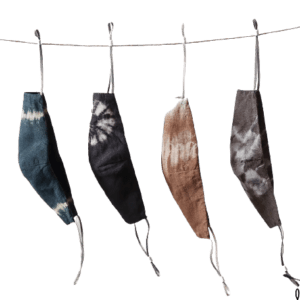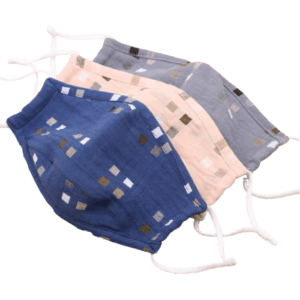

The fashion accessories industry moves at lightning speed. New seasons demand new styles, and by the time you spot a trend, it might already be too late. Especially in categories like fabric masks—where fashion meets functionality—timing is everything.
AI trend analysis helps suppliers and buyers quickly identify, validate, and develop new mask products that align with global demand patterns.
In this article, I’ll show how we’ve integrated AI-driven insights into our R&D pipeline to help clients stay ahead of the curve with faster sampling, higher accuracy, and better sales results.
Why Do Fashion Mask Brands Need Faster Trend Detection?
Staying relevant in the fast-paced world of fashion accessories is no small feat. What worked three months ago may be outdated now.
Yes—AI empowers fabric mask developers to spot rising preferences faster and reduce guesswork.
What Are the Limitations of Traditional Trend Analysis?
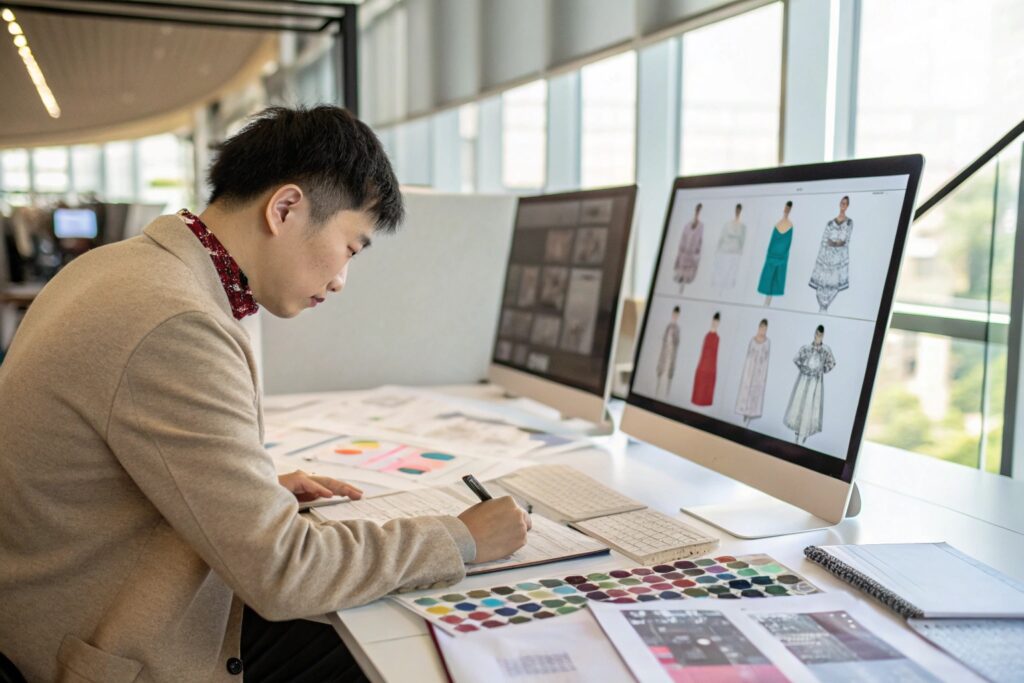
Old-school trend prediction relied on:
- Designer intuition
- Seasonal runway shows
- Limited buyer feedback
- Retail sell-through cycles
This meant waiting 2–4 months before you could validate if a concept was working. That lag could result in missed opportunities and excess inventory.
What Can AI Do Differently?
AI tools now process millions of data points in real-time from:
- Social media hashtags (e.g., #minimalmask, #sportsmask)
- Google search spikes
- Marketplaces like Amazon & Etsy
- Color usage frequency on Instagram or Pinterest
Platforms like WGSN Insight and Edited provide predictive data tailored to mask silhouettes, color palettes, and materials—saving weeks of manual research.
How Do AI Tools Integrate with Fabric Mask Development?
Trend detection is only the start. What matters is how fast a supplier can turn insights into real products.
Yes—by integrating AI tools into our design and sampling workflow, we help clients bring trend-driven masks to market 3x faster.
Our Workflow: From Data to Development
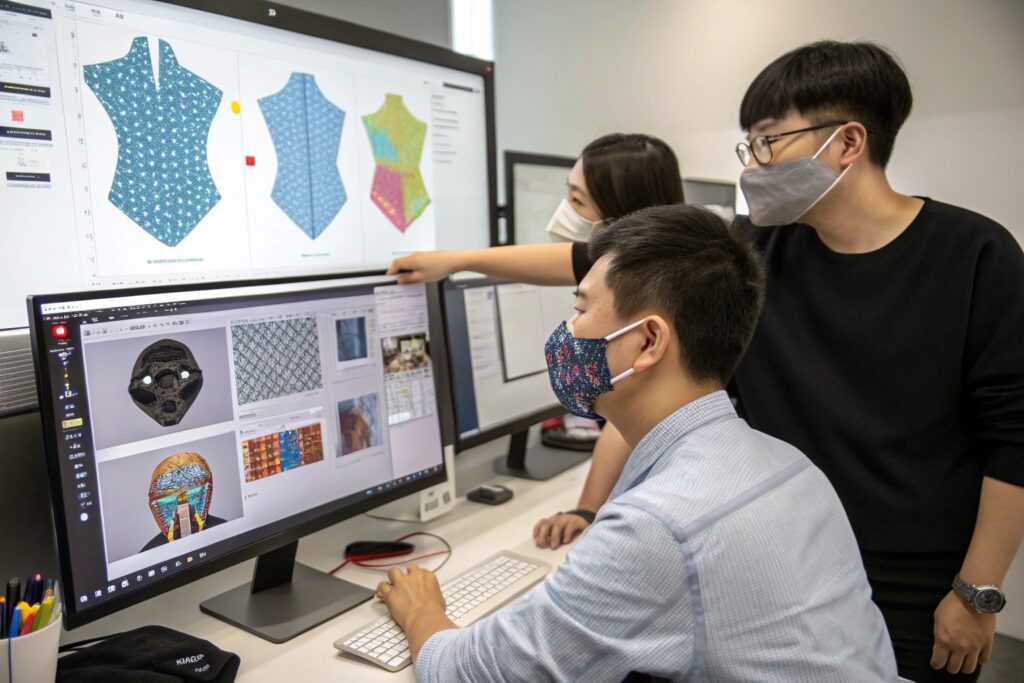
We’ve connected AI dashboards with our internal R&D team using the following flow:
- Trend Signal Intake: Weekly alerts from Google Trends, Tmall hot searches, Amazon keyword growth
- Digital Moodboarding: Our designers use AI to match trending keywords with shape & fabric templates
- Prototype Generation: 3D mask visualizations created using AI-based fit models
- Fabric Pairing: Swatch recommendations from AI-linked supplier databases (e.g., elastic mesh + ombre dye)
- Sampling Order: Sent directly to our pattern cutting room with AI-generated tech packs
This results in new concepts reaching clients within 7–10 days, with clear data justification.
Does This Replace Designers?
No—but it amplifies their creativity by giving them real-time consumer context. Human touch and AI logic together allow for high-speed, high-accuracy decisions.
Explore how we generate trend-driven concepts through our AI-powered design lab.
What Kind of Data Does AI Use to Predict Mask Trends?
Behind every design is data—and AI thrives on patterns.
Yes—AI engines combine structured and unstructured data to forecast what's next in consumer mask preferences.
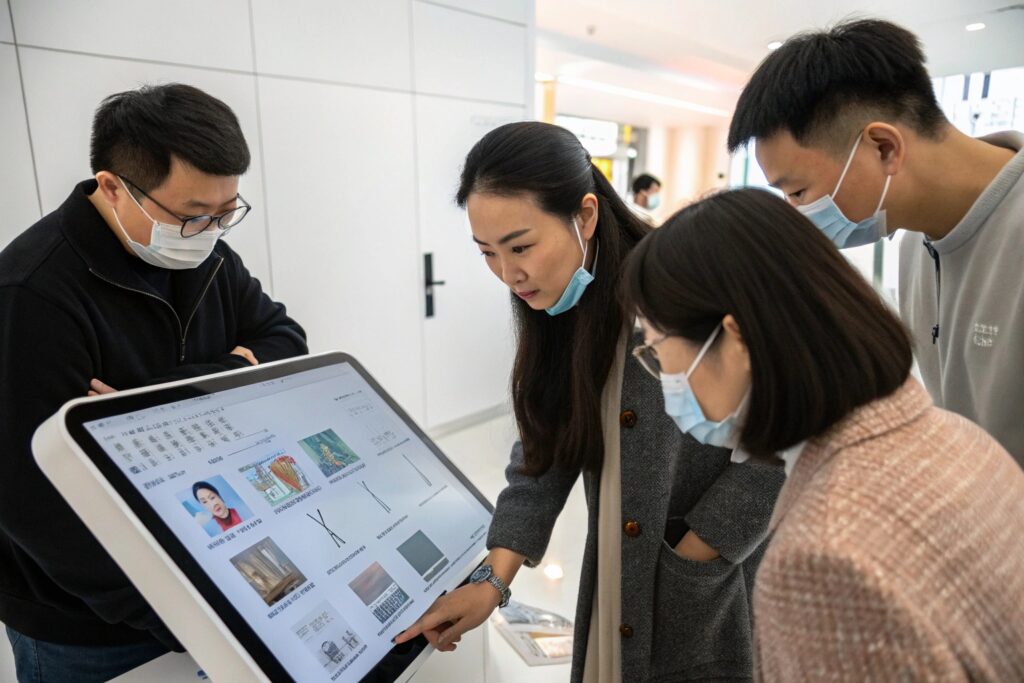
Top 5 Data Inputs AI Uses:
| Source | What It Tracks |
|---|---|
| Google Trends | Keyword spikes on “cooling mask”, etc. |
| Pinterest & TikTok | Trending visuals & influencers’ posts |
| Amazon/Etsy | Reviews, keyword density, bestsellers |
| Runway Analysis | Silhouettes, color ratio, accessories |
| Weather Forecasts | Demand for breathable/warm masks |
These insights are particularly useful when forecasting:
- Summer demand for mesh or UV-resistant fabric masks
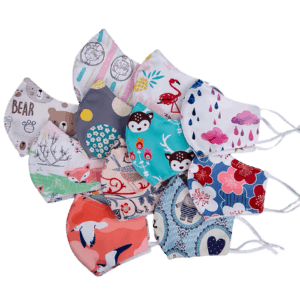
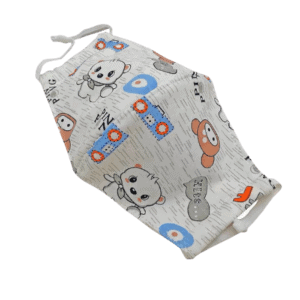
- Back-to-school patterns for kids’ pleated styles
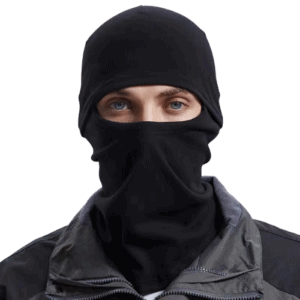
- Winter interest in buffs and fleece gaiters
We’ve trained custom datasets using our clients’ seasonal reports to make trend maps even more specific for fabric masks. Learn more about Amazon product trend mining tools here.
What’s the Accuracy?
While not perfect, AI accuracy improves each season. For example:
- 82% of our Spring 2024 forecasted designs matched client reorders
- Sampling rejection rates dropped 38% with AI-informed planning
How Do Brands Benefit from AI-Backed Mask Development?
From small DTC labels to corporate uniform buyers, AI trend analysis boosts speed and decision-making clarity.
Yes—mask brands that adopt AI workflows reduce waste, lower risk, and dominate fast-moving trends.
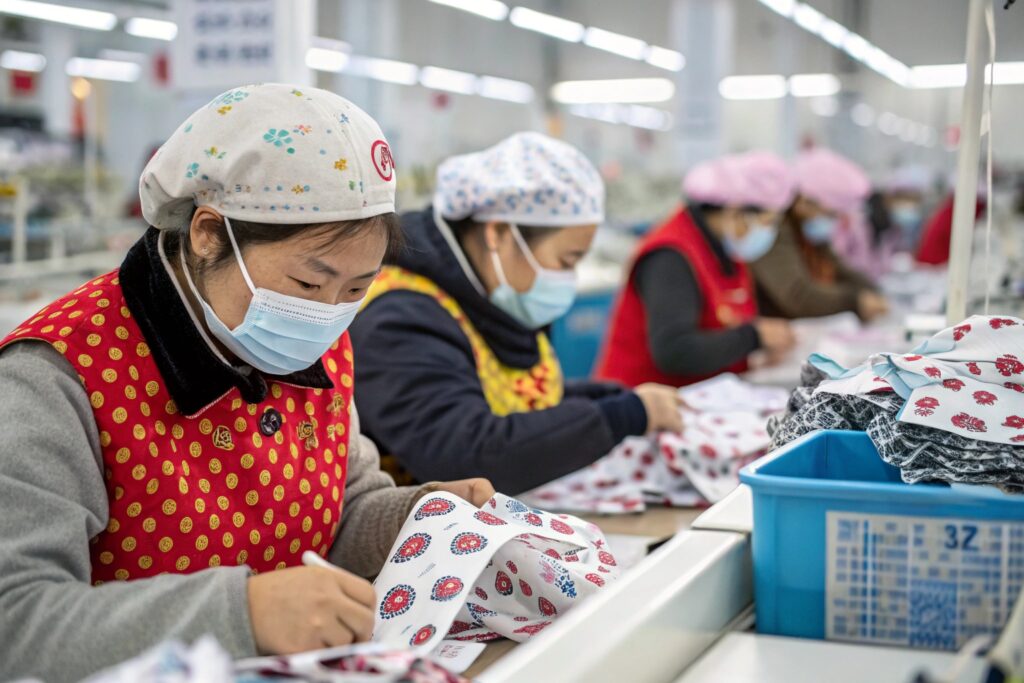
Key Benefits for Buyers:
- Faster Time-to-Market: Launch trending styles in 2 weeks instead of 6
- Smarter Inventory Planning: Match production with actual search demand
- Fewer Rounds of Rework: Better design-to-sample accuracy
- Higher Sell-Through Rates: Align with buyer psychology in real-time
We supported a U.S. gym wear brand in predicting rising demand for low-profile, odor-resistant contour masks, which led to a 2x reorder within 90 days. See Google’s AI trend use case for a related fashion example.
What Tools Are Recommended?
For smaller buyers: tools like TrendHunter or Google Trends are free and easy to use.
For suppliers: investing in cloud-based design management like CLO-3D, AI-powered tech pack generators, and Shopify trend dashboards can boost accuracy.
Conclusion
AI trend analysis is not a luxury anymore—it’s a necessity for mask developers who want to stay competitive. From trend signals to fast sampling, the integration of artificial intelligence into product development unlocks speed, accuracy, and higher ROI. If your supplier isn’t leveraging AI yet, you might already be behind.