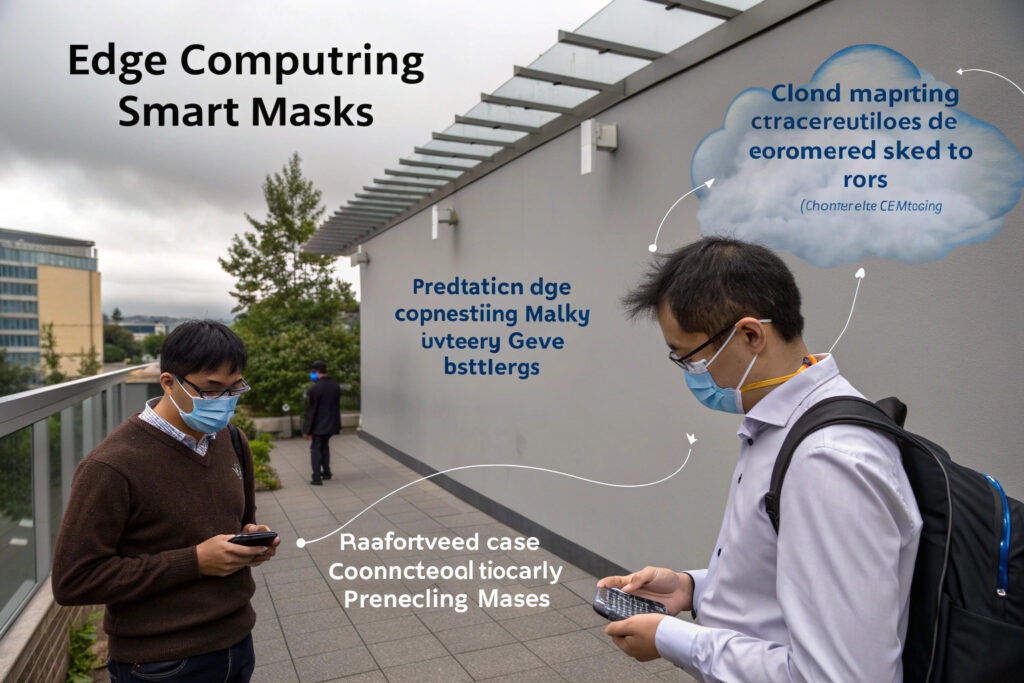
Traditional connected masks stream raw sensor data to the cloud for analysis, creating latency, draining batteries, and raising privacy concerns. Edge computing revolutionizes this paradigm by moving data processing directly onto the mask itself or a paired local device, enabling instantaneous diagnostics, longer battery life, and enhanced data security. For manufacturers developing next-generation smart masks, implementing edge computing is no longer a luxury but a necessity for delivering reliable, real-time health and safety insights.
Implementing edge computing for real-time mask diagnostics involves integrating microcontrollers or specialized neural processors capable of running inference models directly on the device, processing sensor data streams—like breathing patterns, particulate counts, and seal integrity metrics—locally to generate immediate alerts, adaptive responses, and summarized insights without relying on constant cloud connectivity. This shift transforms masks from passive data collectors into intelligent diagnostic hubs that provide immediate value to the wearer while optimizing bandwidth and power.
The global edge computing market in healthcare is projected to exceed $50 billion by 2028, driven by the need for low-latency analysis in remote monitoring and diagnostics. A mask analyzing breath for early signs of respiratory distress cannot afford the 500-millisecond round-trip to the cloud; it needs to process and react within 50 milliseconds. Successfully implementing this requires careful hardware selection, algorithm optimization, and system architecture design. Let's explore the practical steps.
What Hardware Platforms Enable On-Device Diagnostics?
The foundation is choosing a processing unit that balances computational power, energy efficiency, and the ability to interface with multiple sensors, all within the size and thermal constraints of a wearable.
Are Ultra-Low-Power Microcontrollers (MCUs) Sufficient?
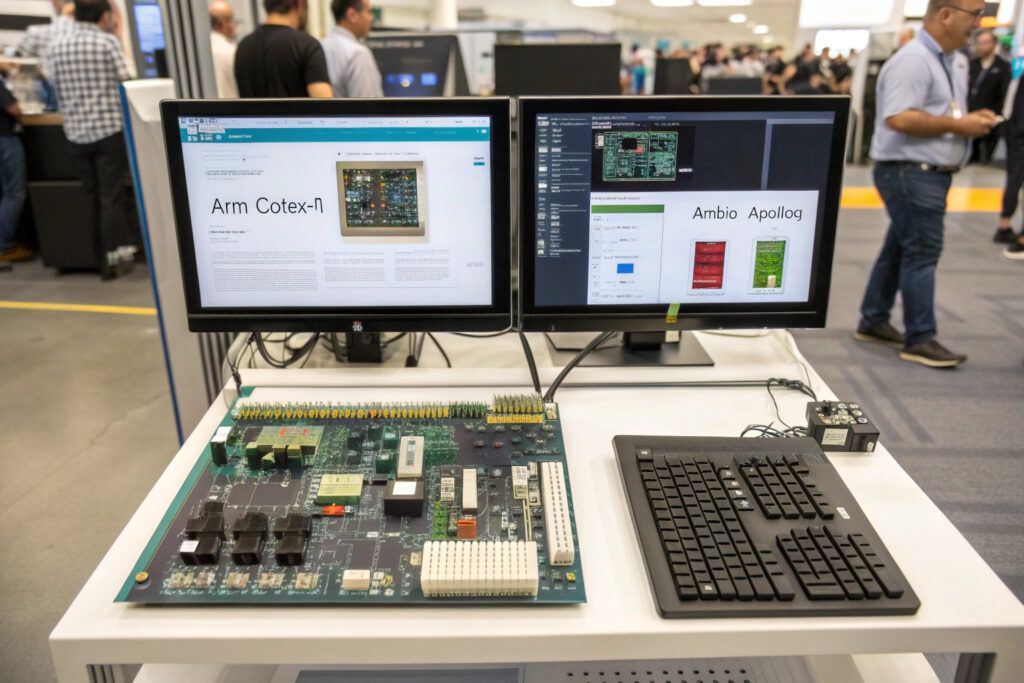
For basic real-time diagnostics—such as calculating respiratory rate, detecting coughs, or monitoring filter pressure drop—advanced ultra-low-power MCUs are perfectly adequate. Platforms like the STM32L5 series from STMicroelectronics (based on Arm® Cortex®-M33) or the EFM32 series from Silicon Labs offer sufficient compute (up to 110 MHz) with power consumption as low as 27 µA/MHz. They include peripherals for direct sensor interfacing and can run lightweight algorithms (e.g., Fast Fourier Transform for breath sound analysis) continuously for days on a small coin cell battery. The key is selecting an MCU with a floating-point unit (FPU) and sufficient SRAM (≥128 KB) to hold sensor data buffers and the inference model. Development is supported by mature ecosystems like STM32Cube with AI (X-CUBE-AI) extensions for deploying trained models.
When is a Neural Processing Unit (NPU) Required?
For more complex diagnostics involving pattern recognition—such as classifying different types of coughs (dry vs. productive), identifying speech through the mask, or performing real-time anomaly detection on multi-sensor data—a dedicated NPU is essential. Chips like the Ambiq Apollo4 Blue or Google's TensorFlow Lite for Microcontrollers optimized cores deliver 10-100x better energy efficiency for neural network inference compared to running on a standard MCU CPU. This allows for sophisticated diagnostics like early exacerbation detection in COPD patients by analyzing subtle changes in the breathing waveform, without compromising battery life. Sourcing involves evaluating the NPU's supported model formats (TFLite, ONNX) and its TOPS/W (Tera Operations Per Second per Watt) metric.
How to Develop and Deploy Edge-Optimized Diagnostic Algorithms?
The intelligence of the system resides in its algorithms. Moving from cloud-based machine learning to resource-constrained edge deployment requires significant model optimization and efficient data pipeline design.
What Model Optimization Techniques Are Critical?
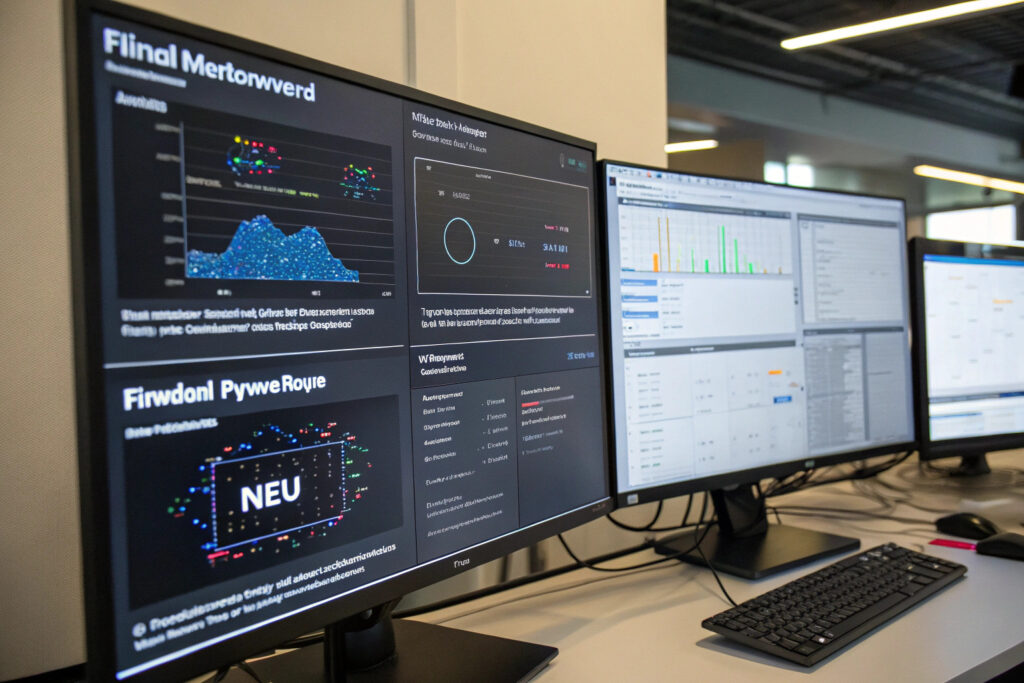
Cloud-trained models are typically too large and computationally heavy for edge devices. Two essential techniques are:
- Quantization: Converting model weights from 32-bit floating-point numbers to 8-bit integers. This reduces model size and compute requirements by ~75% with minimal accuracy loss. Post-training quantization (PTQ) is the most straightforward method.
- Pruning: Removing redundant neurons or connections from the neural network that contribute little to the output. This creates a sparse model that runs faster.
Tools like TensorFlow Lite for Microcontrollers and Edge Impulse automate much of this optimization and provide libraries for deploying models onto specific MCUs. The goal is to shrink a diagnostic model (e.g., for cough detection) to under 50 KB to fit within the MCU's limited flash memory.
How to Design Efficient Real-Time Sensor Data Pipelines?
The algorithm must process streaming data with minimal latency. This is achieved through a sliding window pipeline. For example, a 3-second audio buffer from the mask's internal microphone is continuously analyzed. Once the buffer is full, the diagnostic model (e.g., a cough classifier) runs inference on that window. While inference runs, new audio data fills the next buffer. This pipeline, managed by a real-time operating system (RTOS) like FreeRTOS or Zephyr on the MCU, ensures continuous analysis. The design must balance window size (longer windows may capture more context but increase latency) and inference speed. Profiling tools in the MCU's IDE are used to measure and optimize the pipeline's timing.
What Are the Key System Architecture Considerations?
The edge computing system doesn't exist in isolation. It must manage sensor data, execute diagnostics, handle user interaction, and communicate selectively with the cloud, all within a strict power budget.
How to Balance Local Processing with Cloud Synergy?
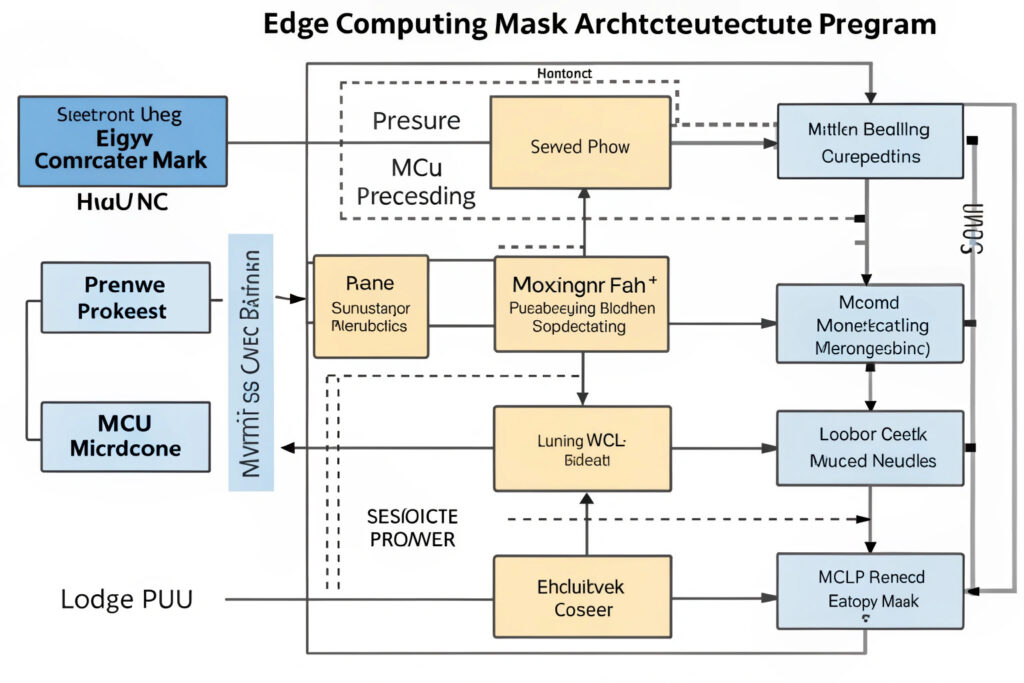
The optimal architecture follows a hybrid edge-cloud model. The edge device handles all time-critical, high-frequency diagnostics and immediate responses. The cloud is used for:
- Long-Term Trend Analysis: Aggregating daily summaries from the edge to track health trends over weeks or months.
- Model Retraining: Anonymized edge data (with user consent) can be sent to the cloud to retrain and improve the diagnostic models, which are then pushed back to devices via firmware updates.
- Reporting: Generating compliance or health reports for medical professionals.
This is implemented using a rules engine on the edge device. For example: IF respiratory rate > 30 breaths/min for 2 minutes AND breath sounds indicate wheezing, THEN trigger a local alert AND send a high-priority notification to the paired smartphone app. All other data remains local. Communication uses low-power protocols like Bluetooth Low Energy (BLE) in brief, scheduled connection intervals to conserve power.
What is the Role of a Real-Time Operating System (RTOS)?
An RTOS is crucial for managing multiple concurrent tasks reliably on the edge processor. It schedules time-sensitive tasks (sensor data sampling, inference execution) with higher priority than background tasks (data logging, BLE communication). An RTOS like Apache NuttX or Amazon FreeRTOS provides deterministic timing, essential for ensuring that a breath-by-breath analysis doesn't miss a cycle because the system was busy sending data. It also manages power states, putting the MCU into deep sleep between sensor sampling intervals to maximize battery life.
How to Validate Diagnostic Accuracy and System Reliability?
A diagnostic system is only as good as its accuracy and reliability. Rigorous testing must validate both the algorithmic performance and the system's behavior in real-world conditions.
How is Algorithm Performance Validated Against Medical Gold Standards?
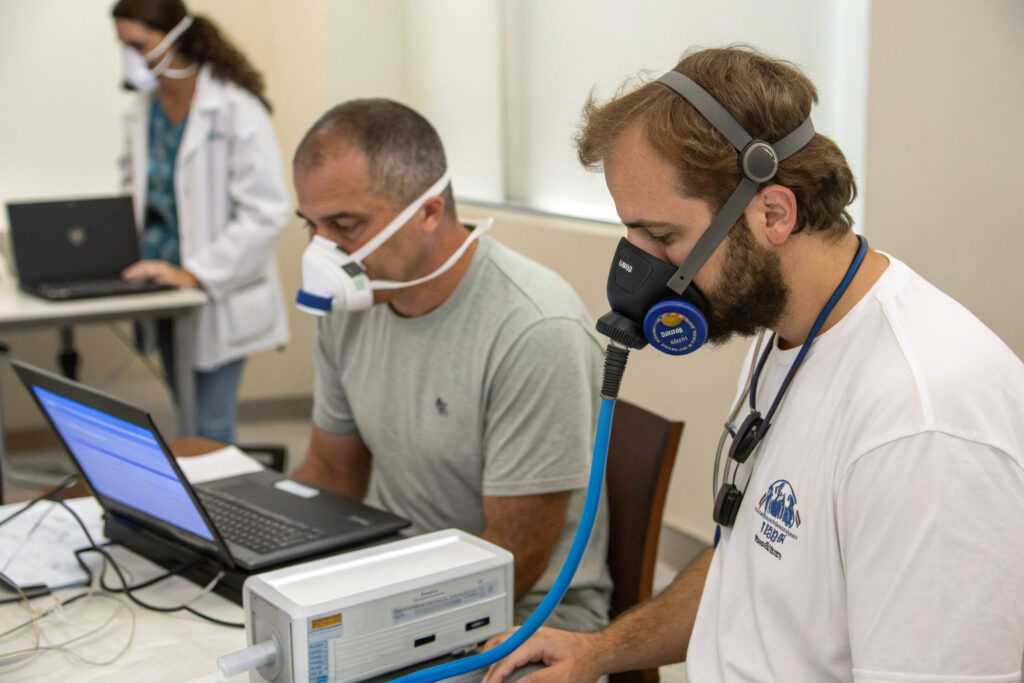
Before deployment, the edge diagnostic algorithms must be validated in controlled studies. For a respiratory rate algorithm, the mask's output would be compared against a clinical-grade respiratory inductance plethysmography (RIP) belt. For a cough detection algorithm, it would be compared against manual annotation of audio recordings by clinicians. Performance is measured using standard metrics: sensitivity, specificity, and latency. The validation must be conducted across a diverse population to ensure robustness. Suppliers of algorithm IP or complete modules should provide these validation reports. Frameworks like the ISO 13485 quality standard for medical devices guide this process if the mask is a regulated health product.
How is On-Device Reliability and Power Budget Verified?
Beyond algorithms, the entire embedded system must be tested for:
- Deterministic Timing: Using an oscilloscope and debug probes to ensure the worst-case execution time (WCET) for the diagnostic pipeline is always less than the required response time (e.g., <100ms).
- Power Profiling: Measuring current consumption with a precision source meter over 24-72 hour simulated use cycles to confirm the battery life meets specifications. This profiles active, sleep, and communication states.
- Environmental Robustness: Testing performance under temperature extremes, high humidity (simulating breath), and mechanical vibration to ensure diagnostics remain accurate. This may involve using environmental chambers and shake tables.
Conclusion
Implementing edge computing for real-time mask diagnostics is a multidisciplinary engineering challenge that converges embedded hardware design, algorithm optimization, and systems integration. The payoff is transformative: masks that provide immediate, actionable insights, protect user privacy, and operate for extended periods on small batteries. By starting with a clear definition of the required diagnostics, selecting the appropriate edge processing hardware, rigorously optimizing and validating the algorithms, and designing a robust hybrid edge-cloud architecture, manufacturers can create smart masks that are genuinely intelligent and reliable.
Ready to develop smart masks with real-time, on-device diagnostic intelligence? Contact our Business Director, Elaine, at elaine@fumaoclothing.com. Our engineering team has expertise in embedded systems, sensor fusion, and edge AI, and can partner with you to build a differentiated, high-performance product from concept to validated prototype.