In today’s high-cost shipping environment, I feel your frustration as an importer. You’re sourcing fabric masks from China and US shipping fees are squeezing your margins. Let me show you that ways exist to ease that pressure.
You can turn shipping into a cost-efficiency advantage by smart planning, consolidation, and leveraging trade zones.
Let’s explore how—so you can cut costs and stay competitive.
Consolidate Shipments Strategically
Why Consolidate Shipments?
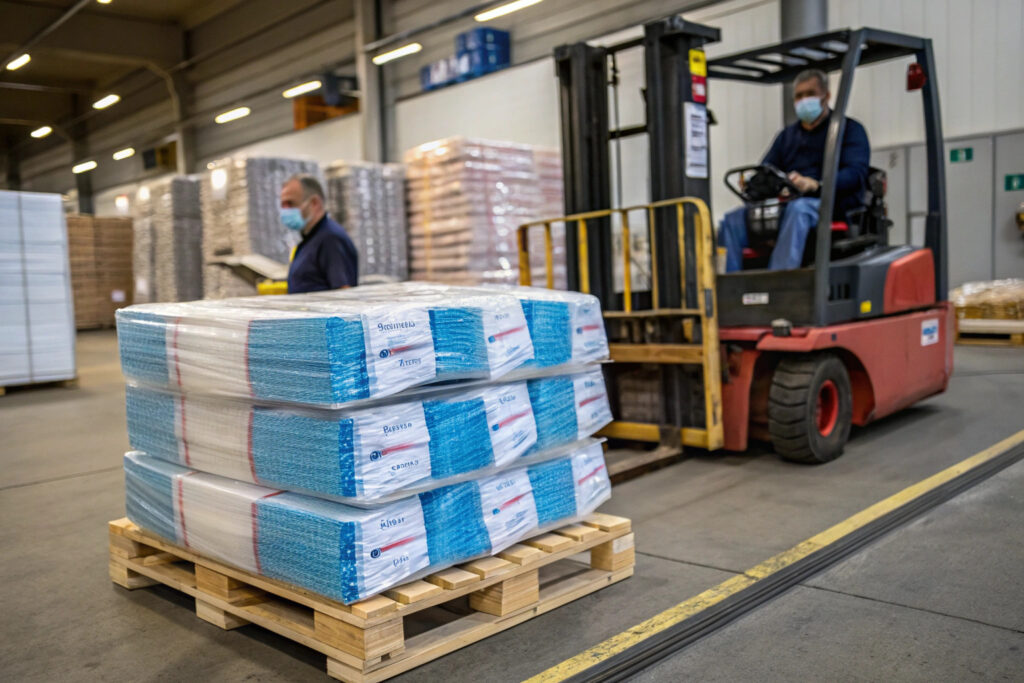
Consolidating smaller mask orders into larger shipments lowers per-unit freight costs. Grouping dozens or hundreds of packs into one full container load (FCL) saves on handling and documentation fees. It lets me quote a better landed cost to U.S. buyers. I also avoid repeated customs fees and reduce risk of delays.
How to Do It Effectively?
I team up with other customers or factories in Keqiao to share space. We batch produce similar styles and ship together. We also use less-than-container-load (LCL) consolidation when full containers aren’t viable. This approach triggers lower per kg rates and trims down port charges.
Choose the Right Shipping Mode
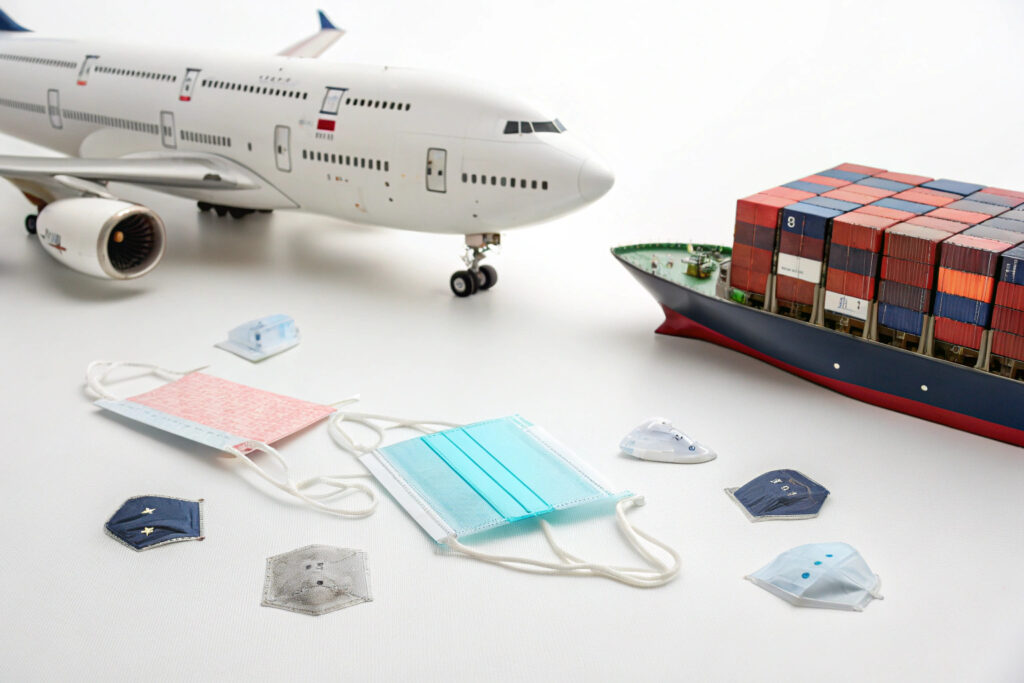
Air Freight vs Sea Freight?
Air shipping is fast but expensive. I use it only for urgent reorders or high-value samples. For bulk masks, sea freight is way more economical.
Smart Strategy Mix
I schedule larger sea shipments using full containers whenever possible. For smaller or urgent items, I blend in LCL air options strategically. This hybrid method balances cost and speed. I also check if rail freight via China–US rail routes offers a meshed option—sometimes it’s faster than sea and cheaper than air.
Optimize Packaging and Weight
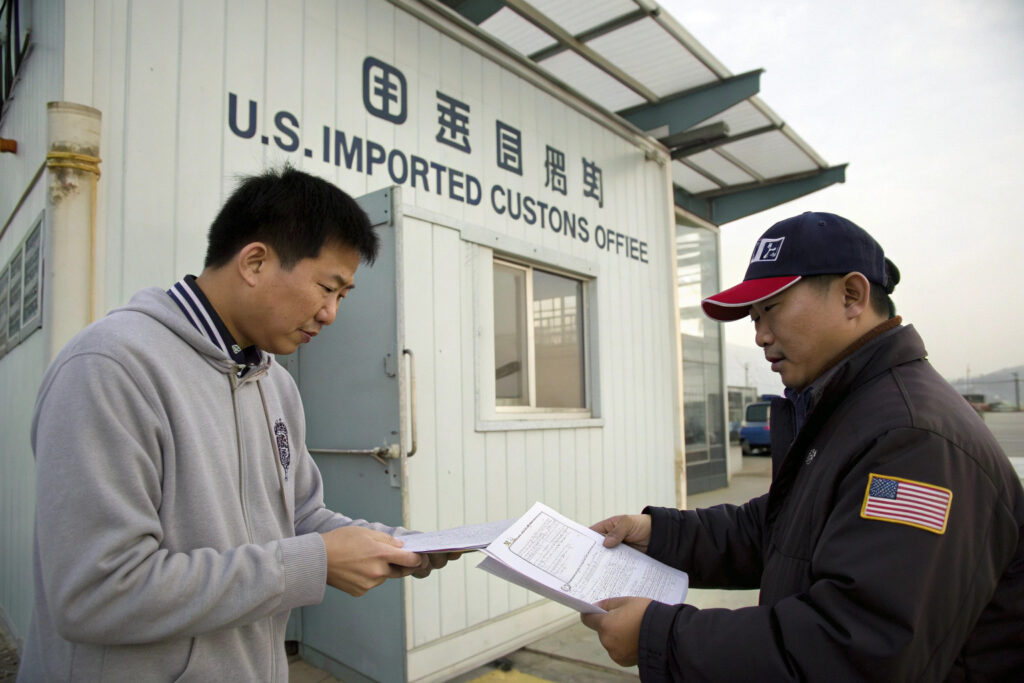
Trim Dimensions and Weight
Every kilogram and centimeter counts. I reduce air in packaging, use lightweight but protective materials, and compress masks with vacuum bags. That shrinks volume and avoids oversized-package surcharges.
Smart Material Choices
I choose robust yet thin corrugated cardboard and minimal filler. I also design compact carton sizes that align with standard shipping container dimensions. This saves per-CBM freight cost and avoids freight recalculation penalties.
Leverage Trade Incentives & Partnerships
Use Trade Zones & Bonded Warehouses
I take advantage of China’s bonded logistics parks near Keqiao. That lets me delay customs clearance and ship in bulk when US-bound demand peaks. I also tap into US Foreign-Trade Zones (FTZ)—if the masks land there, duties and handling can be deferred or reduced.
Partner Shipping Routes & Prepaid Rates
By partnering with reputable carriers (e.g., Maersk, COSCO, DHL Freight), I negotiate monthly contracted rates based on volume. Those are far lower than spot rates. I also collaborate with freight forwarders who offer aggregated client consolidation and duty-drawback programs.
Conclusion
Importing fabric masks from China to the U.S. needn’t eat into your margins. By consolidating shipments, choosing smart transport modes, minimizing packaging weight, and tapping trade incentives, I help you slash shipping costs while maintaining reliability and speed.
If you’re ready to co-create cost-effective mask solutions through expert supply chain planning, trust Shanghai Fumao to help you every step of the way. Feel free to connect with our Business Director, Elaine, at elaine@fumaoclothing.com. Let's optimize your imports together!