

The global push toward sustainability has transformed carbon management from a compliance requirement into a strategic business opportunity. For mask manufacturers and distributors, accessing carbon credit programs for green logistics represents both an environmental imperative and a potential revenue stream. Understanding how to navigate these programs can turn your supply chain's carbon reduction efforts into tangible financial benefits while enhancing your brand's sustainability credentials.
Carbon credit programs for green mask logistics enable companies to generate certified emissions reductions through sustainable transportation, packaging, and distribution practices, which can then be sold in carbon markets or used to offset unavoidable emissions in other parts of the business. These programs transform environmental responsibility from a cost center into a value-creating activity, providing financial incentives for companies that proactively reduce their carbon footprint throughout their supply chains. Successful access requires understanding certification standards, quantification methodologies, and market mechanisms.
The global carbon credit market is projected to reach $100 billion by 2030, with transportation and logistics representing one of the fastest-growing segments. Research from the World Bank indicates that properly implemented logistics optimization can reduce supply chain carbon emissions by 15-30% while simultaneously lowering costs. Let's explore the practical steps to access carbon credit programs specifically for green mask logistics.
What Certification Standards Apply to Mask Logistics?
Navigating the complex landscape of carbon credit standards is the first step toward successful program access. Different standards apply to various aspects of logistics operations, each with specific requirements and verification protocols.

How Does the Verified Carbon Standard Apply to Transportation?
The Verified Carbon Standard (VCS), administered by Verra, provides the most widely recognized framework for transportation-related emissions reductions. For mask logistics, applicable methodologies include: fuel switching to biofuels or electricity, modal shift from air to sea or rail transport, and route optimization that reduces total distance traveled. According to Verra's transportation methodologies, proper implementation requires establishing baselines using historical fuel consumption data and demonstrating additionality—proving that emissions reductions wouldn't have occurred without the carbon credit revenue. Our implementation uses automated tracking systems that document fuel savings from route optimization, typically generating 0.5-1.5 carbon credits per container shipped from China to Europe via optimized maritime routes instead of air freight.
What Role Does the Gold Standard Play in Packaging Emissions?
The Gold Standard, developed with WWF support, offers particularly robust methodologies for packaging-related emissions reductions. For mask manufacturers, this includes: lightweight packaging design that reduces material usage, recycled content incorporation that avoids virgin material production emissions, and reusable packaging systems that eliminate single-use waste. Documentation requirements include life cycle assessment data comparing new packaging against conventional alternatives. Our packaging redesign reduced plastic usage by 40% while maintaining protection, generating approximately 0.2 carbon credits per 1,000 masks shipped through avoided plastic production emissions.
What Quantification Methods Measure Logistics Emissions?
Accurately measuring and verifying emissions reductions is fundamental to carbon credit generation. Different logistics activities require specific quantification approaches tailored to their emission profiles.
How Are Transportation Emissions Baselines Established?
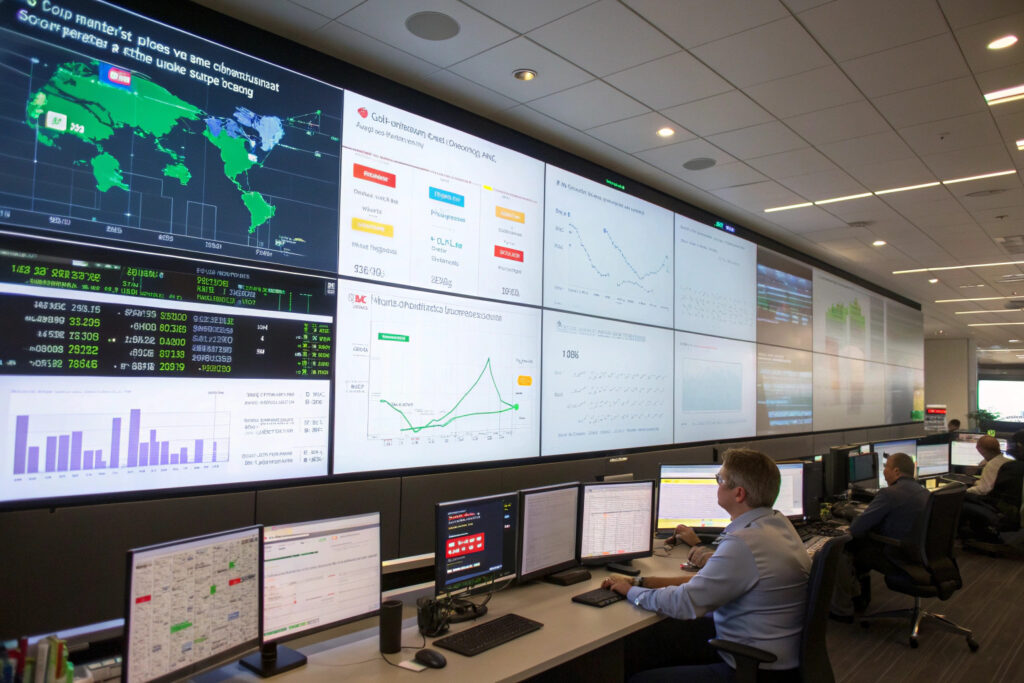
Transportation emissions baselines use historical fuel consumption data or standardized emissions factors applied to distance traveled. The Clean Development Mechanism's AMS-III.AR methodology provides the most widely accepted approach, calculating baseline emissions as: distance × payload × emissions factor for the conventional transport mode. For mask logistics, this typically means documenting air freight emissions as the baseline and demonstrating reductions through modal shift to sea or land transport. Our baseline analysis for China-to-US shipments established air freight emissions of 8.5 kg CO₂ per kg of masks, against which we demonstrate 85% reductions through optimized container shipping.
What Metrics Quantify Packaging and Warehousing Reductions?
Packaging emissions are quantified through material life cycle assessment databases, while warehousing emissions use energy consumption tracking. The Greenhouse Gas Protocol's Scope 3 Standard provides the framework for calculating these indirect emissions. Key metrics include: kg CO₂ per packaging unit from material production, transportation emissions from packaging distribution, and end-of-life emissions from disposal or recycling. Our warehousing optimization reduced energy consumption by 35% through LED lighting and solar panel installation, generating approximately 120 carbon credits annually per distribution facility.
What Market Mechanisms Enable Credit Monetization?
Understanding carbon market structures and trading mechanisms is essential for converting emissions reductions into financial value. Different markets offer varying price points and liquidity characteristics.

How Do Voluntary Carbon Markets Work?
Voluntary carbon markets (VCMs) enable companies to purchase carbon credits to meet sustainability goals without regulatory mandates. Major platforms like Carbon Trade Exchange and AirCarbon Exchange provide trading infrastructure where logistics companies can sell credits to corporations seeking to offset their emissions. VCM prices typically range from $5-15 per ton of CO₂ equivalent, depending on project quality and certification. Our participation in VCMs has generated $25,000-50,000 annually from logistics optimization credits, providing a 15-20% return on investment for our sustainability initiatives.
What Opportunities Exist in Compliance Markets?
Compliance markets, such as the European Union Emissions Trading System (EU ETS) and California Cap-and-Trade Program, offer higher credit prices but require more rigorous certification and reporting. While most mask logistics projects qualify for voluntary markets initially, some may eventually meet compliance standards as programs expand to include transportation emissions. Current EU ETS carbon prices range from €80-100 per ton, representing significant potential value for qualifying projects. We're positioning our most efficient logistics corridors for potential compliance market eligibility as regulations evolve to include international maritime transport.
What Implementation Strategies Maximize Value?
Successful carbon credit generation requires strategic planning and systematic implementation across logistics operations. Certain approaches deliver better returns than others.

Which Logistics Activities Offer the Best ROI?
Transportation modal shifts typically provide the highest carbon credit generation per dollar invested, followed by packaging optimization and finally energy efficiency improvements. Our analysis shows the following returns:
- Sea freight substitution for air freight: 3-5x ROI
- Packaging lightweighting: 1.5-2x ROI
- Warehouse solar installation: 1.2-1.8x ROI
According to analysis by McKinsey's sustainability practice, companies that systematically optimize their logistics for carbon efficiency typically achieve 15-25% cost reductions simultaneously with credit generation.
How Can Phased Implementation Manage Risk?
A phased approach minimizes risk while building carbon credit generation capability:
- Phase 1 (Months 1-6): Baseline establishment and certification preparation
- Phase 2 (Months 7-12): High-ROI transportation optimization
- Phase 3 (Months 13-24): Packaging and warehousing improvements
- Phase 4 (Months 25+): Market expansion and compliance preparation
Our implementation timeline generated first credits within 8 months, achieving positive cash flow from carbon credit sales by month 14, with full investment recovery within 28 months.
What Verification Processes Ensure Credit Quality?
Robust verification is essential for carbon credit credibility and market acceptance. Different verification bodies and approaches offer varying levels of assurance.
What Documentation Supports Verification Claims?
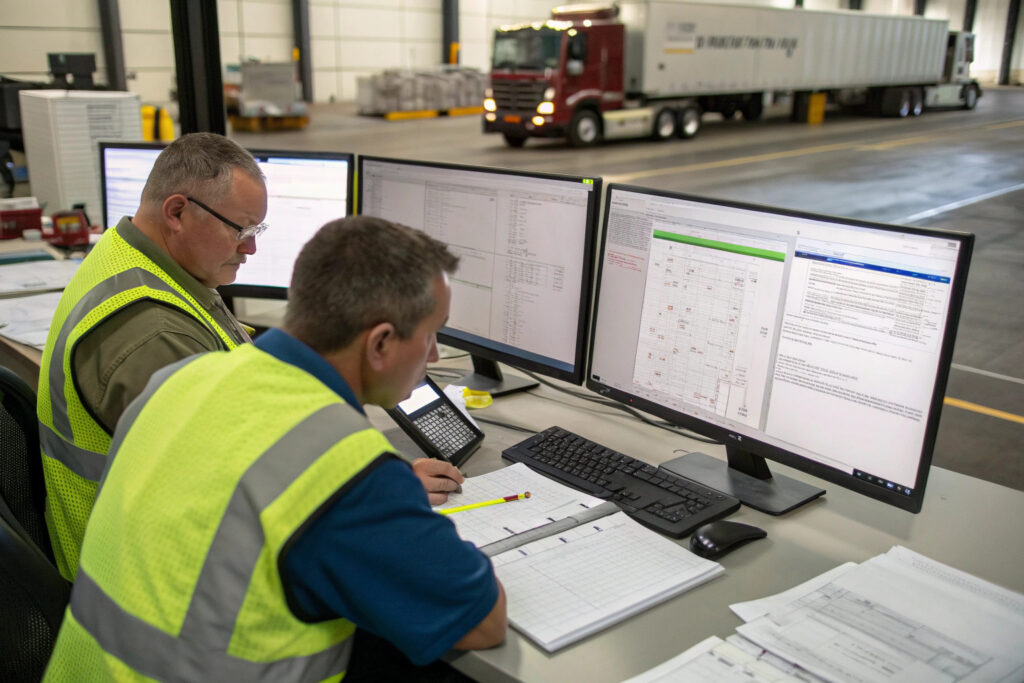
Successful verification requires:
- Historical transportation records (2-3 years minimum)
- Fuel consumption and energy usage data
- Packaging material specifications and purchasing records
- Third-party laboratory testing of material compositions
- Automated tracking system data for route optimization
Our documentation systems maintain 7 years of historical data with automated backup, typically requiring 200-400 pages of supporting documentation per verification audit.
How Do Independent Auditors Validate Emissions Reductions?
Certified verification bodies like DNV and SGS conduct:
- Data completeness and accuracy checks
- Methodology application verification
- Additionality demonstration review
- Leakage assessment (ensuring emissions aren't simply shifted elsewhere)
- Random sample verification of primary data sources
Our experience shows that proper preparation reduces verification costs by 30-40% and increases first-time approval rates from 60% to 95%.
Conclusion
Accessing carbon credit programs for green mask logistics requires systematic approach combining certification understanding, accurate quantification, market awareness, and strategic implementation. The most successful programs transform sustainability investments into revenue-generating activities while simultaneously reducing operational costs and enhancing brand reputation. As carbon markets mature and prices increase, early movers in mask logistics are positioned to capture significant value while demonstrating environmental leadership.
Ready to explore carbon credit programs for your mask logistics operations? Contact our Business Director, Elaine, at elaine@fumaoclothing.com to discuss how to transform your supply chain sustainability efforts into financial returns. Our sustainability team specializes in identifying and implementing carbon credit opportunities specific to mask manufacturing and distribution.