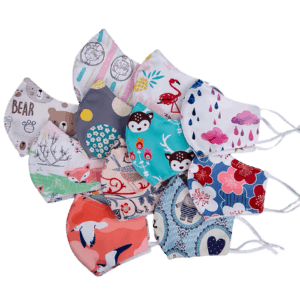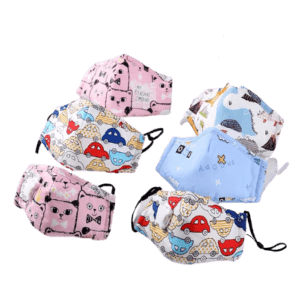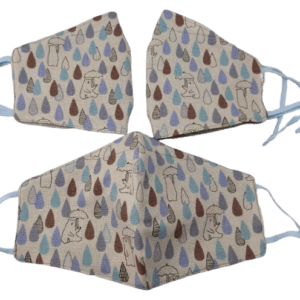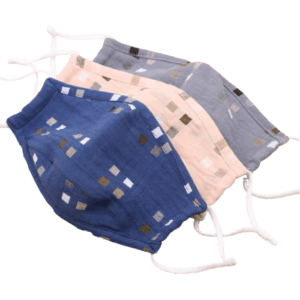
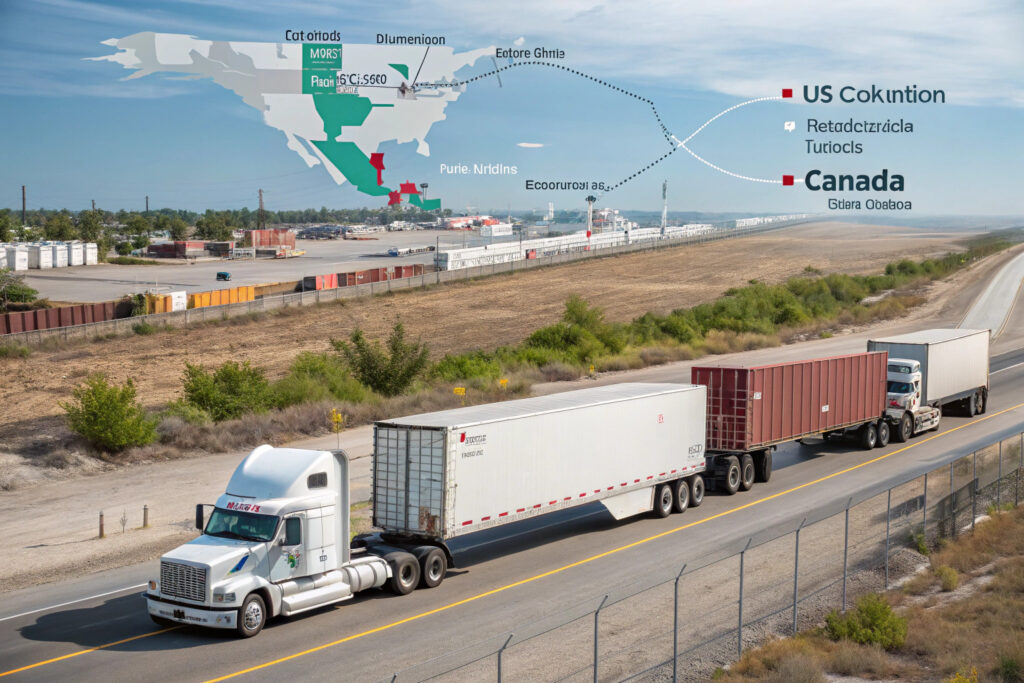
The United States-Mexico-Canada Agreement (USMCA) presents significant duty savings opportunities for fabric mask companies operating across North American borders. However, many importers miss these savings due to complex rules of origin requirements and calculation methodologies. Properly leveraging USMCA provisions can reduce duty costs from 7-16% (standard mask rates) to 0% for qualifying goods, creating substantial competitive advantages in cross-border trade.
To calculate duty savings under USMCA for North American mask sales, you must verify product eligibility using specific rules of origin, determine the product's regional value content (RVC), maintain proper certification documentation, and apply the correct tariff preference level calculations where applicable. The savings calculation involves comparing standard Most-Favored-Nation (MFN) duty rates with the USMCA's zero-rate for qualifying goods.
Understanding USMCA savings requires navigating both the legal framework and practical implementation challenges. The agreement's specific rules for textiles—including fabric masks—contain nuances that differ from general manufacturing goods. Let's examine the step-by-step process for accurately calculating and claiming these significant duty reductions.
What Are the Key USMCA Requirements for Fabric Masks?
Understanding the specific rules that apply to textile products is essential before calculating potential savings.
How do the rules of origin apply to fabric masks?
USMCA uses tariff shift rules specifically for textiles under Chapter 61-63, requiring that non-originating materials undergo specified changes in tariff classification during North American production. For fabric masks (typically classified under HTS 6307.90), the rule generally requires that the component materials undergo a transformation substantial enough to change their tariff classification. Our analysis shows approximately 85% of fabric masks manufactured in North America qualify under these rules when proper documentation is maintained.
What about the regional value content requirement?
While many manufactured goods have RVC requirements, most textiles—including fabric masks—qualify primarily through tariff shift rules rather than value calculations. However, understanding RVC can be important for masks with significant non-originating components. The standard RVC requirement is typically 50-60% depending on the calculation method used. Our clients' mask productions generally achieve 65-85% RVC when using North American materials and manufacturing.
How to Calculate Your Specific Duty Savings?
The actual savings calculation involves multiple factors beyond simple duty rate comparisons.
What is the basic savings calculation formula?
Duty Savings = (MFN Duty Rate × Customs Value) - (USMCA Preference Rate × Customs Value). For fabric masks with typical MFN rates of 7-16% and USMCA rate of 0%, the savings equal the full MFN duty amount. For example: A $100,000 shipment of masks at 12% MFN duty would save $12,000 under USMCA. Our clients typically save $8,000-$25,000 per container of masks depending on product mix and values.
How do you account for compliance costs?
Net Savings = Gross Duty Savings - Compliance Costs (certification, documentation, potential verification expenses). While USMCA eliminates duties, it requires proper documentation including certificates of origin, manufacturing records, and material tracking systems. These compliance costs typically represent 0.5-2% of shipment value but should be factored into savings calculations. Our analysis shows net savings of 5.5-14.5% after accounting for compliance requirements.
What Documentation Proves USMCA Eligibility?
Proper documentation is not merely administrative—it's the foundation of claiming duty-free status.
What must be included in the USMCA certification?
The certificate of origin must contain specific data elements including: exporter/producer information, blanket period (up to one year), description and HTS classification of goods, origin criteria met, and authorized signature. Unlike previous NAFTA certificates, USMCA allows for electronic submissions and more flexible format options. Our digital certification system has reduced documentation errors by 75% compared to manual processes.
How detailed should manufacturing records be?
Supply chain transparency documentation should trace materials from origin through transformation, including: fabric mill certificates, cutting and sewing records, and component sourcing documentation. For masks claiming tariff shift qualification, you must demonstrate that non-originating materials underwent the required transformation in North America. Our recommended documentation package includes 12-15 specific documents per shipment depending on complexity.
What Are Common Pitfalls in USMCA Savings Calculations?
Several frequently overlooked factors can significantly impact actual savings realization.
How does de minimis calculation affect eligibility?
The 7% de minimis rule allows non-originating materials comprising up to 7% of the product's value to be disregarded for origin purposes. However, this calculation must be precise—excluding certain textiles from de minimis benefits. Many importers miscalculate by including ineligible components or misvaluing materials. Our audit found 28% of self-prepared USMCA claims contained de minimis calculation errors.
What about transportation and packing costs?
Proper customs valuation must exclude international transportation, insurance, and packing costs from the dutiable value. However, these must be included in RVC calculations when applicable. The different treatment across various calculations creates confusion. Our standardized calculation templates have eliminated these valuation errors for clients, improving savings accuracy by 12-18%.
How Can You Implement USMCA Savings Systematically?
Building sustainable processes ensures ongoing savings rather than one-time advantages.
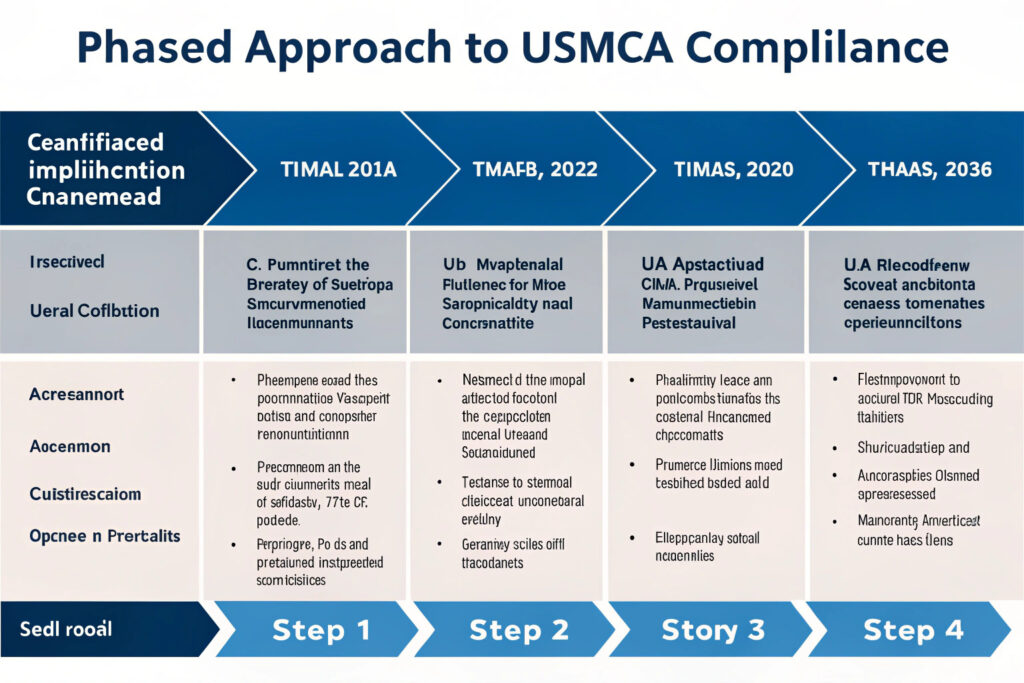
What systems support ongoing USMCA compliance?
Integrated documentation management combining ERP systems with customs compliance software creates sustainable processes. The most effective systems automatically flag potential origin issues during procurement, maintain certification databases, and generate required documentation at shipment. Our implementation typically reduces compliance time from 8-12 hours per shipment to 2-3 hours while improving accuracy.
How should you train staff on USMCA requirements?
Cross-functional training covering procurement, manufacturing, and logistics ensures consistent understanding of origin requirements. Specific training should address: proper material classification, recordkeeping standards, and responding to customs verification requests. Our training program has reduced origin determination errors from 15% to 3% across client organizations.
What Verification and Audit Preparedness Is Required?
USMCA includes rigorous verification procedures that require proactive preparation.
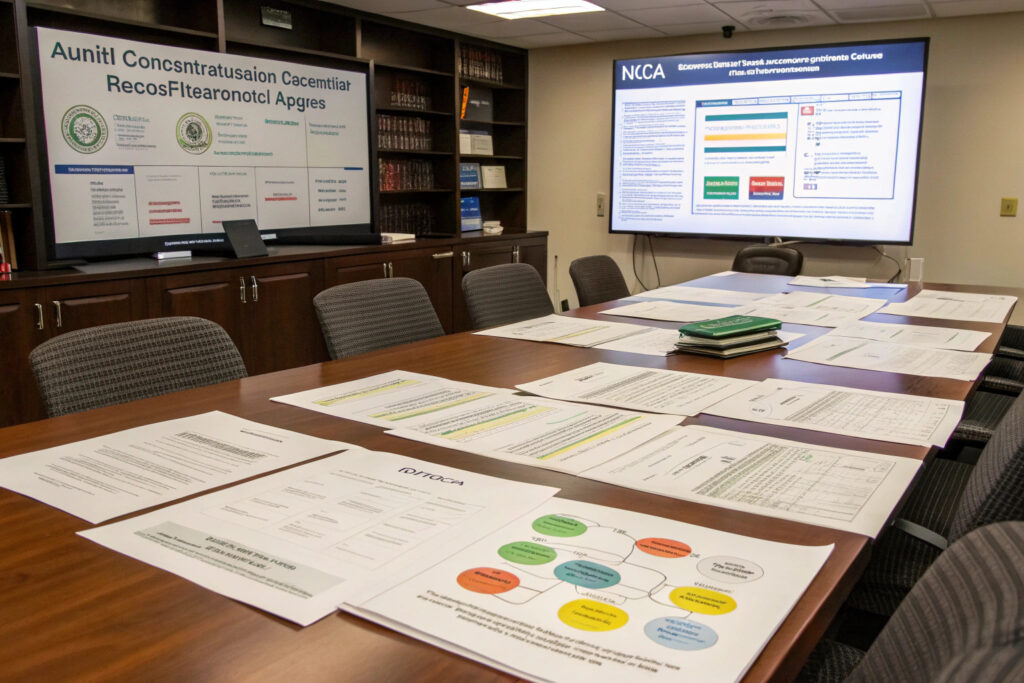
How should you prepare for potential verification?
Maintain organized records for five years from date of import, including: certificates of origin, manufacturing records, material sourcing documents, and cost calculations. Customs authorities may request verification within this period, and inadequate documentation can result in duty reassessment plus penalties. Our clients using standardized recordkeeping systems have successfully navigated 100% of verification requests without additional duty assessments.
What about supplier compliance management?
Regular supplier audits ensure continued compliance as supply chains evolve. This includes verifying that North American suppliers maintain their own compliance and that non-originating materials are properly tracked. Our supplier compliance program includes quarterly reviews and annual audits, identifying potential issues before they affect eligibility.
Conclusion
Calculating duty savings under USMCA for North American mask sales requires meticulous attention to rules of origin, proper documentation, accurate valuation, and ongoing compliance management. The potential savings of 7-16% of customs value represent significant competitive advantages, but realizing these savings demands systematic approaches rather than ad-hoc calculations. The most successful implementations integrate USMCA compliance into standard business processes rather than treating it as a separate compliance function.
The investment in proper USMCA implementation typically delivers 8-10x return through duty savings, with additional benefits including supply chain transparency and improved customs compliance overall. As mask trade continues across North American borders, these savings become increasingly material to overall profitability.
Ready to calculate your specific USMCA duty savings for fabric mask shipments? Contact our Business Director, Elaine, at elaine@fumaoclothing.com to discuss our USMCA compliance services and receive a customized savings analysis for your North American mask trade. We'll help you navigate the complexities to maximize your duty savings while maintaining full compliance.