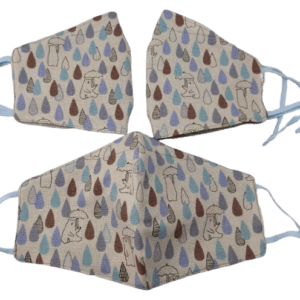

In the competitive fabric mask industry, proprietary designs represent significant R&D investments that require robust protection against infringement, counterfeiting, and unauthorized replication. Traditional intellectual property protection methods often prove inadequate for fast-moving fashion and functional accessories, where designs can be copied and brought to market before formal registration processes complete. Blockchain technology offers a transformative approach by creating immutable, timestamped records of design creation and development.
Implementing blockchain IP protection for proprietary mask designs involves creating timestamped digital fingerprints of design files, establishing an auditable development trail, registering ownership on distributed ledgers, and implementing smart contracts that automate licensing and infringement detection. This approach provides immediate, verifiable proof of creation that's significantly more difficult to challenge than traditional documentation.
Blockchain IP protection doesn't replace formal design patents or copyrights but creates a complementary system that provides immediate protection during the critical period between creation and formal registration. The technology's distributed nature eliminates single points of failure while creating transparent, tamper-proof evidence of ownership and development chronology. Let's examine the specific implementation steps and their practical applications for mask designers.
What Are the Fundamental Components of Blockchain IP Protection?
Understanding the core technological elements helps in designing an effective protection strategy.
How does cryptographic hashing establish proof of existence?
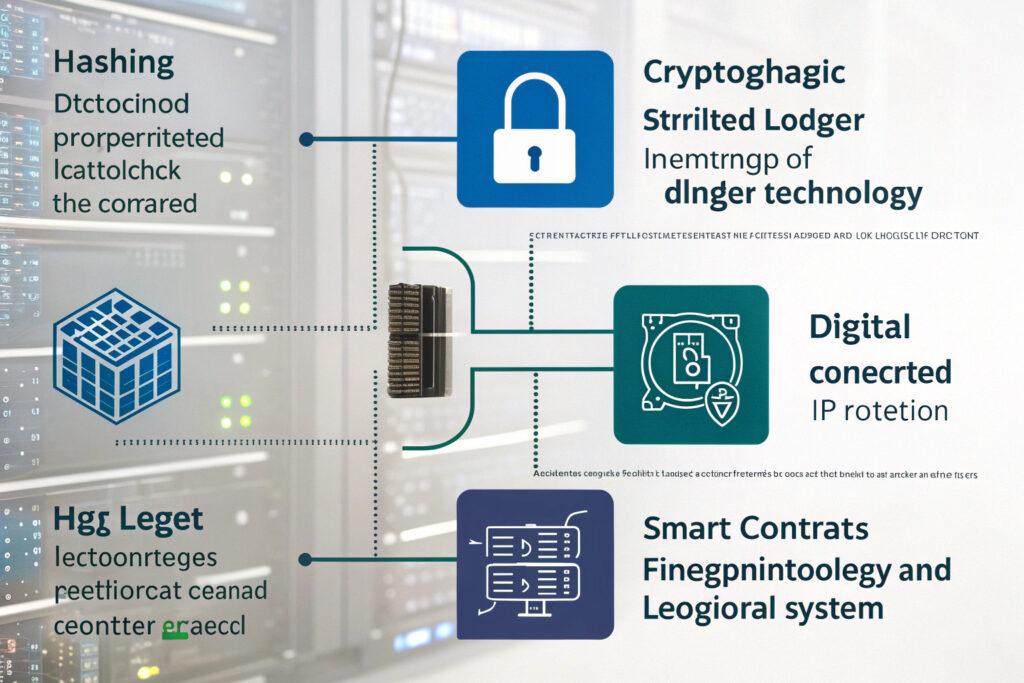
Unique digital fingerprints of design files are created using cryptographic hash functions (typically SHA-256) that generate a fixed-length string of characters unique to each file. Any alteration to the original file—no matter how minor—produces a completely different hash, making tampering immediately detectable. When this hash is recorded on a blockchain with a timestamp, it creates irrefutable evidence that the design existed at that specific moment. Our implementation hashes design files, technical drawings, material specifications, and even production documentation to create comprehensive protection.
What role do distributed ledgers play in IP protection?
Immutable, decentralized recording across multiple nodes prevents any single entity from altering historical records. Unlike traditional databases where administrators might modify records, blockchain entries become permanent parts of an ever-growing chain that's verified by consensus mechanisms. This creates evidence that would require compromising multiple independent systems to alter—a practical impossibility. We recommend using established blockchain platforms with proven security records rather than developing proprietary systems.
What Specific Design Elements Should Be Protected?
Identifying which aspects of mask designs warrant protection ensures comprehensive coverage without unnecessary complexity.
Which digital assets require blockchain registration?
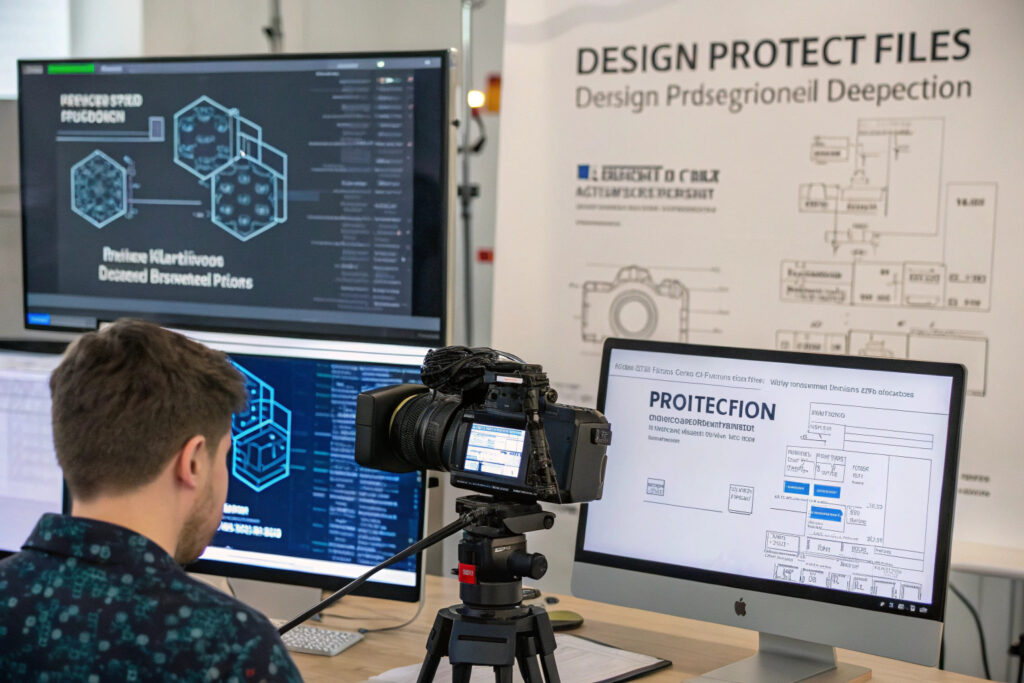
Comprehensive design documentation including CAD files, pattern specifications, technical drawings, material composition details, and unique construction methods should all receive individual blockchain timestamps. Additionally, photographs of physical prototypes, lab test results, and even marketing materials establishing first use in commerce can be protected. Our standard protection package includes 8-12 separate blockchain registrations covering all aspects of a new mask design.
How do you protect physical design elements?
3D scanning and digital representation of physical prototypes creates digital assets that can be protected even before formal documentation is complete. High-resolution scans capturing unique structural elements, seam techniques, and functional features provide evidence of physical manifestation. We use portable 3D scanning equipment to create digital twins of physical prototypes within hours of their creation.
What Implementation Process Ensures Comprehensive Protection?
A systematic approach to blockchain implementation creates reliable protection from initial concept through production.

What does the initial protection workflow involve?
Immediate registration upon creation prevents gaps in protection. The moment a design file is saved or a prototype is created, it should be hashed and recorded on a blockchain. This creates evidence of existence before sharing with manufacturers, investors, or potential partners. Our automated system monitors design folders and immediately creates blockchain timestamps when new files are detected, ensuring no protection gaps.
How is ongoing development tracked?
Version control integration creates an auditable trail of design evolution. Each significant modification or improvement generates a new hash and blockchain timestamp, establishing both the original creation and subsequent refinements. This is particularly valuable for defending against claims that minor modifications create new, unprotected designs. Our system integrates with popular version control platforms to automate this process.
What Legal Weight Does Blockchain Evidence Carry?
Understanding the legal standing of blockchain evidence helps determine its role in overall IP strategy.
How have courts treated blockchain evidence?
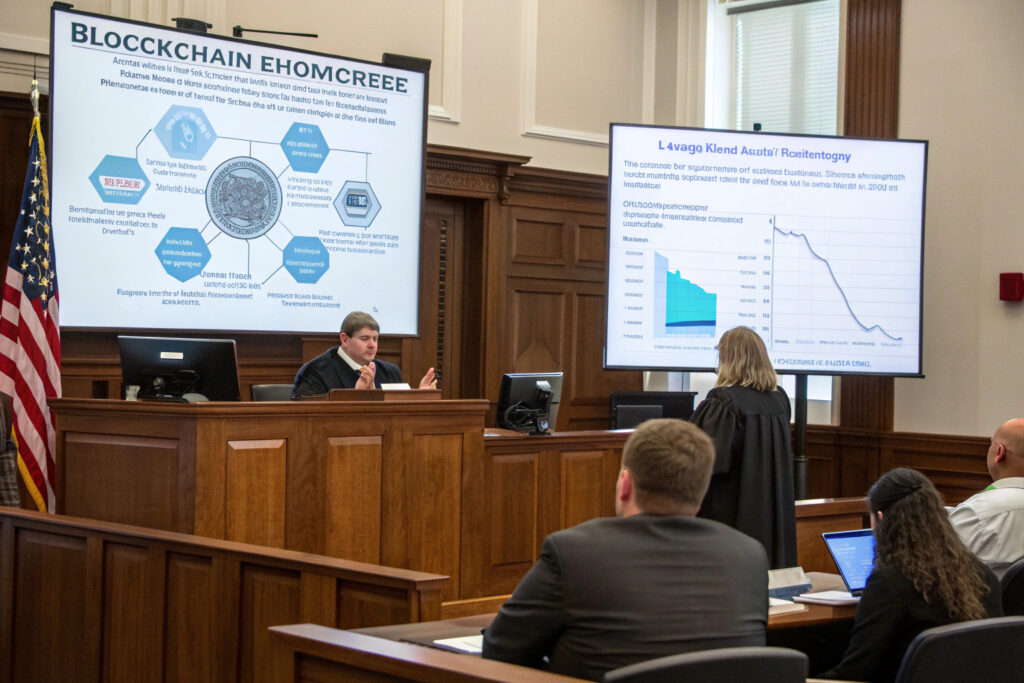
Growing judicial acceptance of blockchain timestamps as evidence of existence is emerging globally. While specific precedents vary by jurisdiction, the fundamental principle of timestamped, tamper-proof evidence is increasingly recognized. In several recent cases, blockchain evidence has been admitted to establish prior art and creation dates. We maintain current knowledge of jurisdictional differences to ensure our clients' protection strategies align with local legal frameworks.
How does blockchain complement traditional IP registration?
Accelerated preliminary protection bridges the gap between creation and formal registration. While design patents and copyrights provide stronger legal protection, they often require months or years to obtain. Blockchain protection provides immediate evidence that can deter infringement and support legal actions if necessary. Our clients typically file for formal IP protection while simultaneously implementing blockchain evidence systems.
What Are the Practical Business Applications?
Beyond legal protection, blockchain IP systems deliver tangible business benefits throughout the product lifecycle.

How can blockchain facilitate design licensing?
Smart contract automation enables transparent, self-executing licensing agreements that automatically track usage and distribute payments. Licensees access design files through permissioned systems that record each access and use, while smart contracts automatically execute royalty payments based on verified production numbers. Our licensing management system has reduced administrative overhead by 60% while improving compliance tracking.
What about supply chain verification?
Authenticated design implementation ensures manufacturers produce exactly what was designed without unauthorized modifications. By sharing specific design hashes with production partners and verifying output against these hashes, brands can ensure consistent quality and prevent unauthorized design variations. Our manufacturing partners participate in a verification system that confirms adherence to protected designs.
What Technical Infrastructure Is Required?
Implementing effective blockchain protection requires appropriate technical foundations without excessive complexity.

What blockchain platforms are most suitable?
Enterprise blockchain solutions like Hyperledger Fabric, Ethereum Enterprise, or specialized IP protection platforms provide the security and features needed for design protection. The choice depends on factors like transaction volume, integration requirements, and jurisdictional considerations. We typically recommend permissioned blockchain networks that provide control over access while maintaining distributed verification.
How does integration with existing systems work?
API-based connectivity allows design software, document management systems, and manufacturing platforms to interact seamlessly with blockchain protection systems. Middleware solutions can automate the hashing and registration process without disrupting existing workflows. Our implementation approach focuses on minimal disruption while maximizing protection coverage.
Conclusion
Implementing blockchain IP protection for proprietary mask designs creates a robust system that establishes verifiable proof of existence, creates auditable development trails, enables automated licensing, and deters infringement through transparent, tamper-proof evidence. While not replacing formal design patents or copyrights, blockchain protection provides immediate security during the vulnerable period between creation and formal registration while delivering ongoing business benefits throughout the product lifecycle.
The most successful implementations integrate blockchain protection seamlessly into existing design and development workflows, making comprehensive protection an automatic byproduct of normal operations rather than a separate, burdensome process. As blockchain evidence gains wider legal acceptance, this approach is transitioning from competitive advantage to industry standard for design-intensive products like fabric masks.
Ready to implement blockchain protection for your proprietary mask designs? Contact our Business Director, Elaine, at elaine@fumaoclothing.com to discuss our blockchain IP protection systems and how we can help secure your design investments while enabling new business opportunities through automated licensing and verification. We'll provide a comprehensive assessment of your specific protection needs and implementation options.