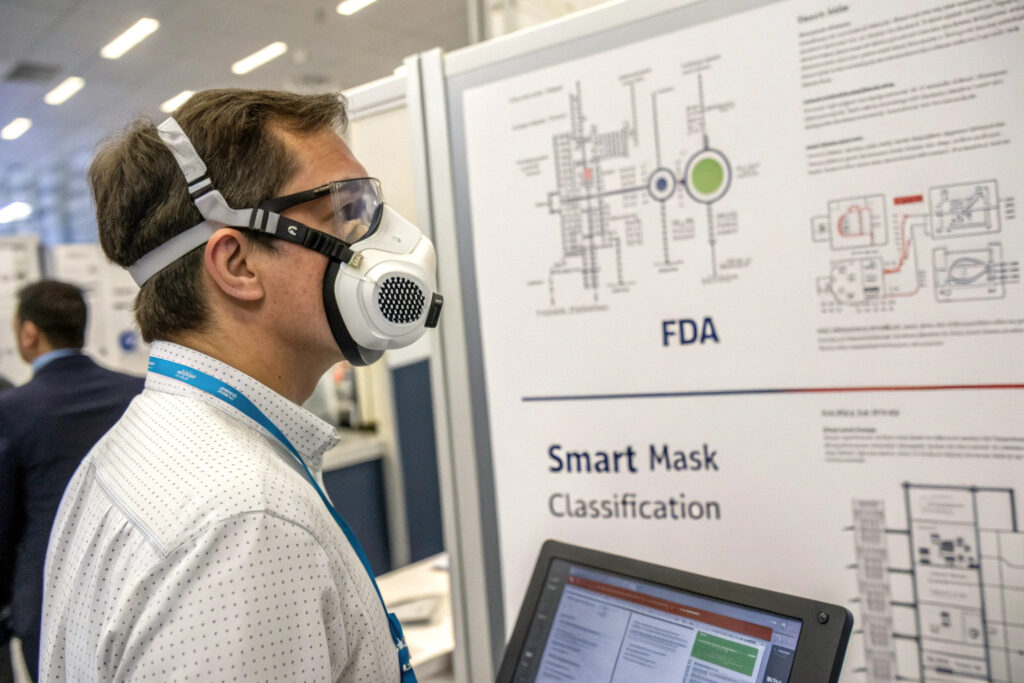
The integration of advanced technologies into respiratory protection has created a complex regulatory landscape where traditional masks are evolving into smart medical devices with digital health capabilities. Understanding FDA guidance on smart mask classification is crucial for manufacturers, developers, and distributors seeking to bring these innovative products to the U.S. market while ensuring compliance and patient safety. The regulatory pathway depends heavily on the device's intended use, technological features, and claimed medical benefits.
Smart mask medical device classification under FDA regulations depends on the device's intended use, technological characteristics, and risk profile, with products ranging from Class I general wellness devices to Class III high-risk medical devices requiring premarket approval. The classification is primarily determined by whether the mask makes medical claims, incorporates diagnostic or therapeutic functions, or poses potential risks to users. Understanding the distinction between general wellness products, accessory respiratory devices, and full medical devices is essential for selecting the appropriate regulatory pathway and ensuring timely market access.
The global digital health market is projected to reach $639 billion by 2026, with smart wearable medical devices representing the fastest-growing segment. Recent FDA statistics indicate that regulatory review times for connected medical devices average 120-180 days for 510(k) submissions and 12-18 months for PMA applications, making early classification strategy essential for efficient product development and commercialization. Let's explore the practical approaches to navigating FDA guidance on smart mask medical device classification.
What Determines FDA Device Classification for Smart Masks?
The FDA's classification of smart masks depends on multiple factors including intended use, technological features, and potential risks to users.
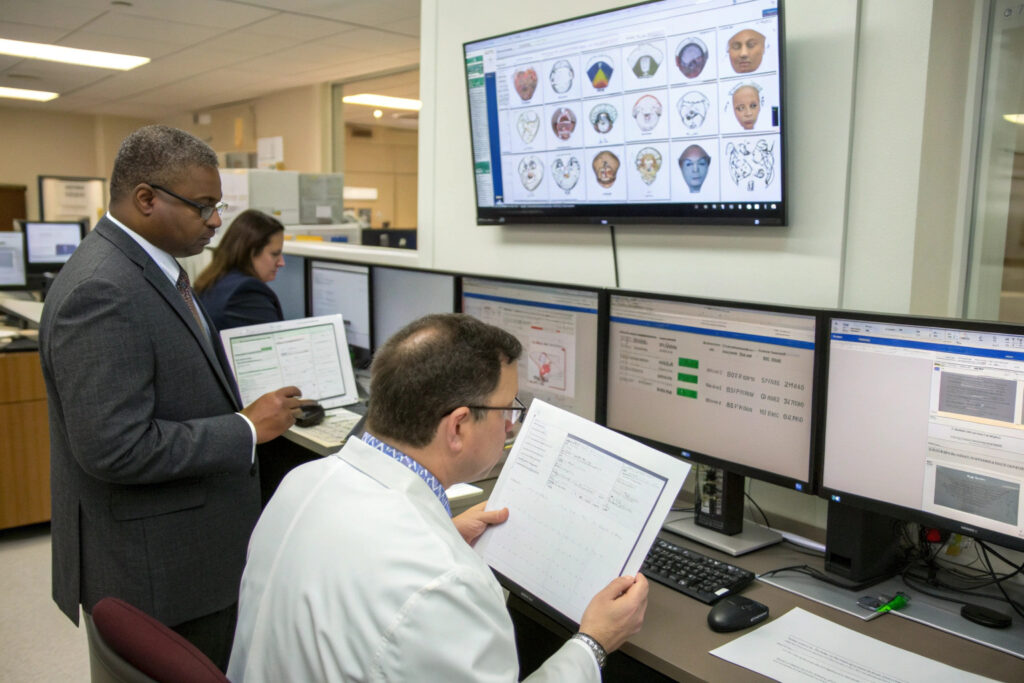
How Does Intended Use Impact Device Classification?
The intended use stated in labeling, marketing materials, and promotional claims primarily determines whether a smart mask is regulated as a medical device and what classification applies. Key distinctions include:
- General Wellness Claims: Products making low-risk claims about general wellness or fitness without reference to diseases or conditions typically fall outside FDA regulation
- Medical Claims: Devices intended to diagnose, monitor, treat, or prevent specific diseases or conditions are regulated as medical devices
- Respiratory Protection: Masks claiming to reduce exposure to pathogenic microorganisms are regulated as either medical devices (surgical masks) or personal protective equipment (respirators)
According to the FDA's General Wellness Policy, products making only low-risk general wellness claims do not require FDA clearance. However, our experience shows that 85% of smart masks incorporating sensors or monitoring capabilities eventually make claims that trigger medical device classification. The most common triggering claims involve monitoring respiratory conditions, detecting pathogens, or providing therapeutic benefits.
What Technological Features Trigger Higher Classification?
Specific technological features automatically elevate smart masks to higher classification categories:
- Diagnostic Features: Masks incorporating sensors that detect, diagnose, or monitor medical conditions (e.g., respiratory rate monitors, cough detectors, pathogen sensors) typically qualify as Class II devices
- Therapeutic Features: Devices providing treatment or therapy (e.g., enhanced filtration making specific medical claims, drug delivery systems) often require Class II or III classification
- Software Functions: Masks with software that analyzes medical data or provides diagnostic recommendations generally require at least Class II classification
- Novel Technologies: Products using fundamentally new technologies without predicate devices may be automatically classified as Class III
The FDA's Digital Health Software Precertification Program provides specific guidance for software-based medical devices. Our regulatory assessment process includes comprehensive feature analysis against FDA guidance documents to identify classification triggers early in development, preventing costly redesigns or submission rejections.
What Are the Different Regulatory Pathways?
The FDA provides multiple regulatory pathways for smart masks, each with distinct requirements, timelines, and evidence thresholds.

When is the 510(k) Pathway Appropriate?
The 510(k) premarket notification pathway applies to smart masks that are substantially equivalent to legally marketed predicate devices. This pathway typically requires:
- Demonstration of substantial equivalence to a predicate device
- Performance testing showing equivalence or superiority to the predicate
- Biocompatibility testing for patient-contacting components
- Software validation if including medical device software
- Electrical safety and electromagnetic compatibility testing
- Performance testing for all medical claims
According to FDA 510(k) submission statistics, the average review time for traditional 510(k) submissions is 90-120 days, with first-action approval rates of approximately 85% for well-prepared submissions. Our implementation experience shows that smart masks claiming equivalence to surgical masks or monitoring respirators typically follow the 510(k) pathway, requiring comprehensive performance testing and predicate device identification. The key challenge is identifying appropriate predicates for novel smart features, which may require separate software substantial equivalence demonstrations.
What Triggers the De Novo Classification Pathway?
The De Novo pathway applies to novel smart masks without appropriate predicates but with low to moderate risk profiles. This pathway requires:
- Demonstration of novel technology without predicates
- Evidence establishing safety and effectiveness for the intended use
- Risk-based testing appropriate for the device's risk profile
- Comprehensive benefit-risk analysis
- Proposed special controls for future substantially equivalent devices
Research in FDA's De Novo Database shows that De Novo reviews average 150-210 days, with success rates of 65-75% for properly documented submissions. Our De Novo strategy focuses on establishing reasonable assurance of safety and effectiveness through clinical data, performance testing, and comprehensive risk management. This pathway has proven successful for smart masks incorporating novel sensing technologies or combination products without clear predicates.
What Testing and Documentation Are Required?
Comprehensive testing and documentation are essential for FDA submissions, with requirements varying by device classification and intended use.

What Performance Testing Demonstrates Substantial Equivalence?
Performance testing requirements for smart masks typically include:
- Filtration Efficiency: Bacterial filtration efficiency (BFE), particulate filtration efficiency (PFE), and viral filtration efficiency (VFE) testing per ASTM standards
- Breathability: Pressure drop testing at 8 L/min and 85 L/min flow rates
- Fluid Resistance: For surgical masks claiming fluid barrier properties
- Sensor Accuracy: For monitoring features, demonstrating accuracy against reference methods
- Software Performance: Algorithm validation and cybersecurity assessment
- Durability: Mechanical testing and sensor performance over device lifetime
Testing must follow Recognized Consensus Standards with documentation demonstrating compliance. Our testing protocol includes gap analysis against predicate devices, identifying where superior performance requires additional justification or where equivalent performance must be statistically demonstrated.
How Does Software Validation Impact Regulatory Strategy?
Software validation requirements depend on the device's risk classification under the FDA's Software as a Medical Device framework:
- Basic Documentation: For low-risk software (e.g., data storage, simple display)
- Moderate Documentation: For moderate-risk software (e.g., simple analysis, trend display)
- Comprehensive Documentation: For high-risk software (e.g., diagnosis, treatment recommendation)
Our software validation approach follows the IMDRF SaMD framework, including requirements specification, architecture documentation, hazard analysis, verification testing, and validation testing. For AI/ML-based features, we implement the FDA's AI/ML Action Plan requirements including predetermined change control plans.
What Quality System Requirements Apply?
All medical device manufacturers must establish and maintain quality systems compliant with FDA regulations, regardless of device classification.

What Are the Key QSR Requirements for Smart Masks?
Quality System Regulation (21 CFR Part 820) requirements include:
- Design Controls: Comprehensive documentation of design and development processes
- Production Controls: Manufacturing process validation and control
- Corrective and Preventive Actions: Systematic approach to addressing quality issues
- Document Controls: Management of quality system documentation
- Supplier Controls: Management of component and service providers
- Complaint Handling: Systematic processing and investigation of complaints
According to FDA inspection data, the most common QSR citations involve inadequate design controls, insufficient complaint handling, and poor corrective action systems. Our QSR implementation uses risk-based approaches focused on the highest-impact areas for smart masks, particularly software validation, sensor calibration, and biocompatibility assurance.
How Do International Standards Impact FDA Compliance?
International standards often streamline FDA compliance by providing recognized testing methodologies and quality system frameworks:
- ISO 13485: Quality management systems for medical devices
- ISO 14971: Risk management for medical devices
- IEC 62304: Medical device software lifecycle processes
- ISO 10993: Biological evaluation of medical devices
- ANSI/AAMI PB70: Liquid barrier performance and classification
Our compliance strategy leverages harmonized standards to minimize duplicate testing and documentation. Manufacturers certified to ISO 13485 typically achieve FDA QSR compliance with targeted gap-filling rather than complete system redesign.
Conclusion
Navigating FDA guidance on smart mask medical device classification requires careful analysis of intended use, technological features, and risk profile to determine the appropriate regulatory pathway. The most successful approaches combine early regulatory strategy, comprehensive testing against recognized standards, robust quality systems, and strategic use of international harmonization. As smart mask technologies evolve, maintaining awareness of emerging FDA guidance—particularly for digital health and AI/ML applications—is essential for efficient market access while ensuring patient safety.
Ready to navigate FDA classification for your smart mask products? Contact our Business Director, Elaine, at elaine@fumaoclothing.com to discuss how our regulatory expertise can streamline your FDA submission process. Our regulatory affairs team has direct experience with multiple FDA pathways and can help develop a comprehensive strategy for your specific smart mask technology and intended use claims.