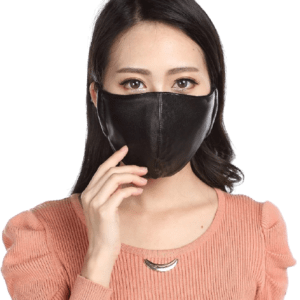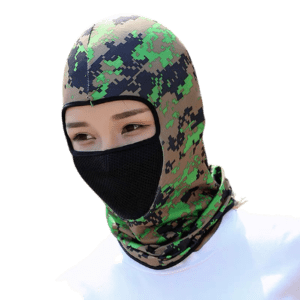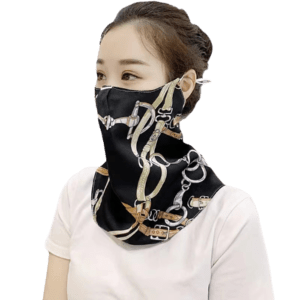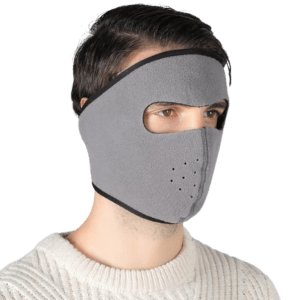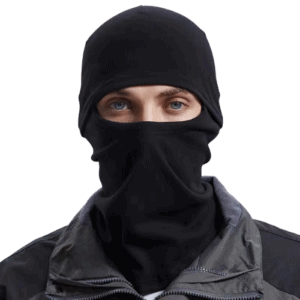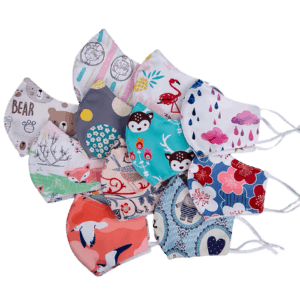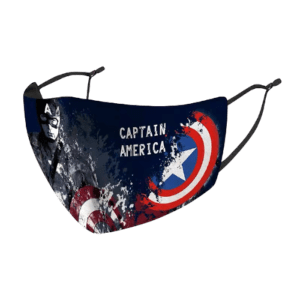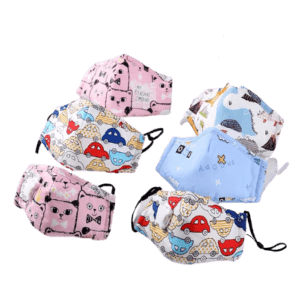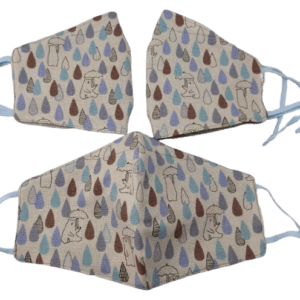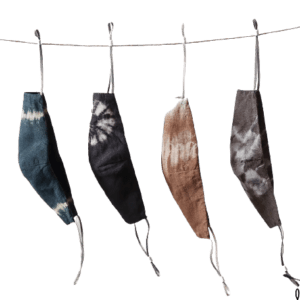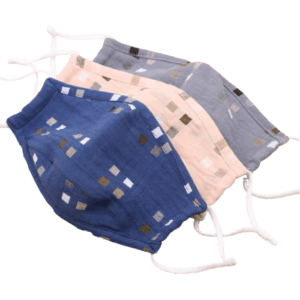
Navigating customs clearance for fabric face coverings from China can feel like decoding a foreign language. With different HS codes, COVID-related regulations, and country-specific compliance documentation, even experienced importers stumble. Failing to understand the basics can lead to delays, fines, or shipment rejections at the border.
Understanding customs clearance is essential to ensure timely and cost-efficient delivery of fabric masks from China to global destinations. When you’re dealing with high-volume buyers, e-commerce clients, or promotional product brands, there’s no room for delay or miscommunication.
In this post, I’ll walk you through the most important areas to focus on: documentation, HS codes, certifications, shipping methods, and risk mitigation. I’ll also explain how our in-house customs experts and international partners streamline the process for our clients across 50+ countries.
What Documents Are Needed to Clear Fabric Masks at Customs?
Understanding which documents are essential can be the difference between fast customs release or frustrating delays. Many buyers assume the freight forwarder handles everything—but that’s a risky mindset.
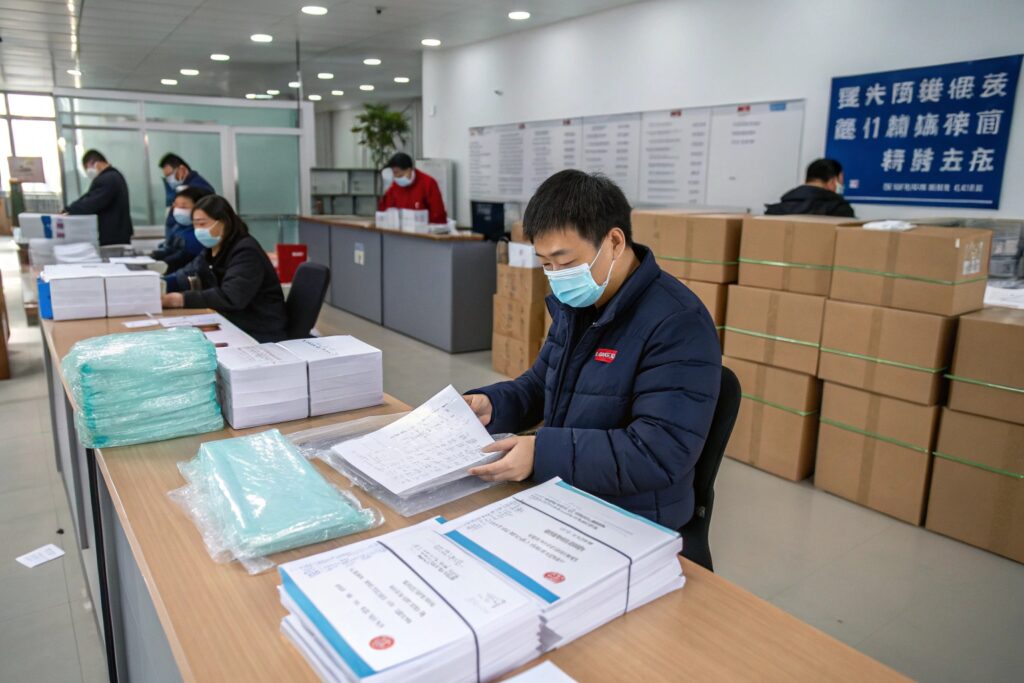
At minimum, your fabric face coverings shipment should include a commercial invoice, packing list, bill of lading or air waybill, and the correct HS code. You may also need certificates of origin, product testing reports, and declarations related to health standards.
Which Compliance Certificates Are Most Common?
Different countries require different documents. For example, in the U.S., FDA registration or general CDC guidelines may apply if your mask is considered a health product. For general-use fashion or daily masks, no special FDA approval is needed—but documentation proving safety, labeling, and material composition might be requested.
What Happens If HS Codes Are Misdeclared?
HS code misclassification is one of the top reasons for customs holds. For fabric face masks, use HS codes like 6307.90.99. If you wrongly classify them under medical supplies or apparel, you may face penalties. We work with a licensed customs broker to ensure the HS code aligns with both U.S. CBP and Chinese export policies.
How to Avoid Delays at Major Entry Ports?
U.S. customs ports are strict but fair. Still, even compliant shipments can face delays due to volume surges or document mismatches.
To avoid delays, always pre-clear shipments with customs brokers and make sure your paperwork is digitally submitted in advance. Many ports allow for remote customs entry, especially for high-volume repeat importers.
Which Ports Are More Efficient for Fabric Accessories?
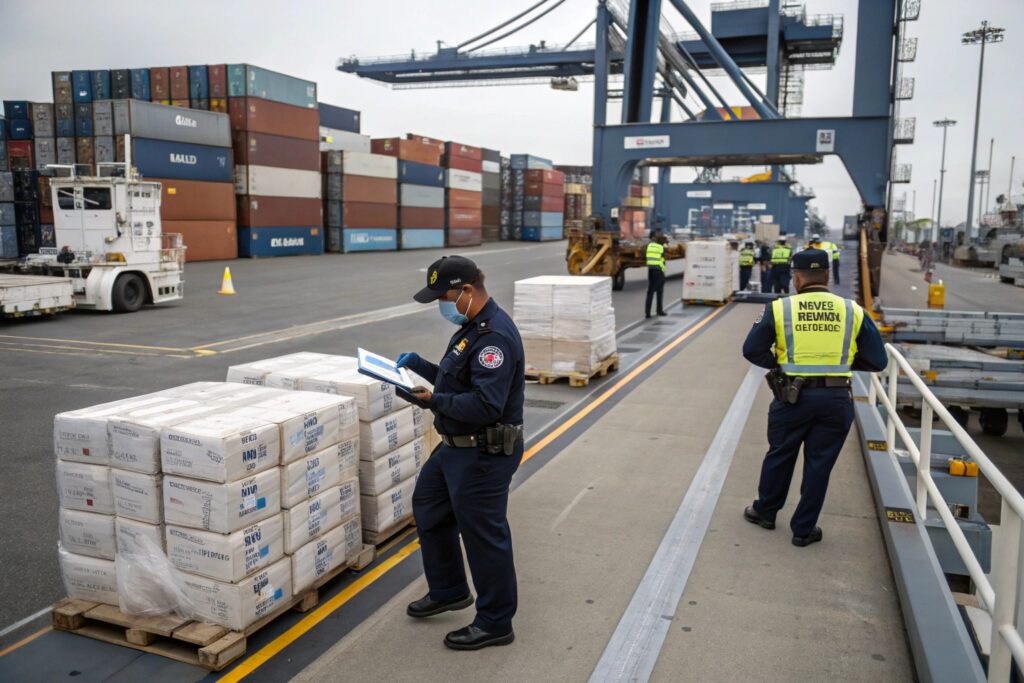
From our experience, Los Angeles and Long Beach offer better textile handling infrastructure, while Chicago is ideal for air freight clearance. East Coast ports like Newark are prone to congestion during peak seasons unless pre-arranged express clearance is done.
Does Using Air Freight or Sea Freight Change the Clearance Process?
Yes. Air freight typically clears faster but requires accurate pre-declaration and tight compliance with IATA standards. Ocean freight involves more paperwork but is cheaper. Many clients prefer our hybrid model—air for urgent SKUs and sea for bulk restocking.
What Are Common Mistakes Importers Should Avoid?
Even veteran importers make simple errors when it comes to fabric face coverings. From classification to timing, every step needs attention.
The most common mistakes are incorrect HS codes, missing test reports, undervaluing goods to save duties, and forgetting health declarations during transit. Customs authorities don’t tolerate shortcuts, especially in the post-COVID world.

How Can You Ensure Your Supplier Handles Documentation Properly?
Choose suppliers who provide pre-shipment document packs. For example, at Global-Caps, we provide complete digital sets that include lab test reports and material composition sheets. Clients receive these before the shipment leaves China.
What’s the Cost of Getting It Wrong?
Besides delays, you may face detainment, fines, or even blacklisting. Some of our clients previously paid $2,000+ in fines simply for undervaluing product cost by trying to lower duties. That’s why we offer customs consulting bundled in every shipment.
Can DDP Shipping Solve Customs Problems for Fabric Masks?
Delivered Duty Paid (DDP) has become a game-changer for accessory importers, especially for fabric face coverings and textiles with fluctuating tariffs.
With DDP shipping, we handle all documentation, duty payment, and customs communication, delivering goods to your door with zero involvement needed from your end. This eliminates customs risk entirely.

How Does DDP Compare to EXW or FOB for Fabric Masks?
EXW (Ex Works) puts all customs and logistics responsibilities on the buyer. FOB (Free on Board) shares some responsibility but still requires you to handle import clearance. DDP shifts the entire burden to us. Many of our U.S. clients now opt for DDP for smaller, frequent orders.
| Incoterm | Customs Handled By | Buyer Risk | Popularity for Fabric Masks |
|---|---|---|---|
| EXW | Buyer | High | Low |
| FOB | Buyer (import side) | Medium | Medium |
| DDP | Seller | Low | High |
What Are the Requirements to Use DDP from China to the USA?
Buyers must provide a valid EIN or importer number. The fabric masks must meet basic U.S. labeling and safety standards. For shipments under $800, de minimis rules apply—but recent legislation changes might impact this threshold.
Conclusion
Understanding customs clearance for fabric face coverings is more than just paperwork—it's a strategic decision. From HS code classification to the choice of DDP, every step affects your cost, delivery time, and risk. At Global-Caps, we help you turn complex regulations into streamlined processes. With real-time documentation, expert guidance, and 10+ years in textile exports, we make global shipping easy for American importers like Ron and others. Whether you're importing 1,000 or 1,000,000 masks, we’ve got your back—every step of the way.