
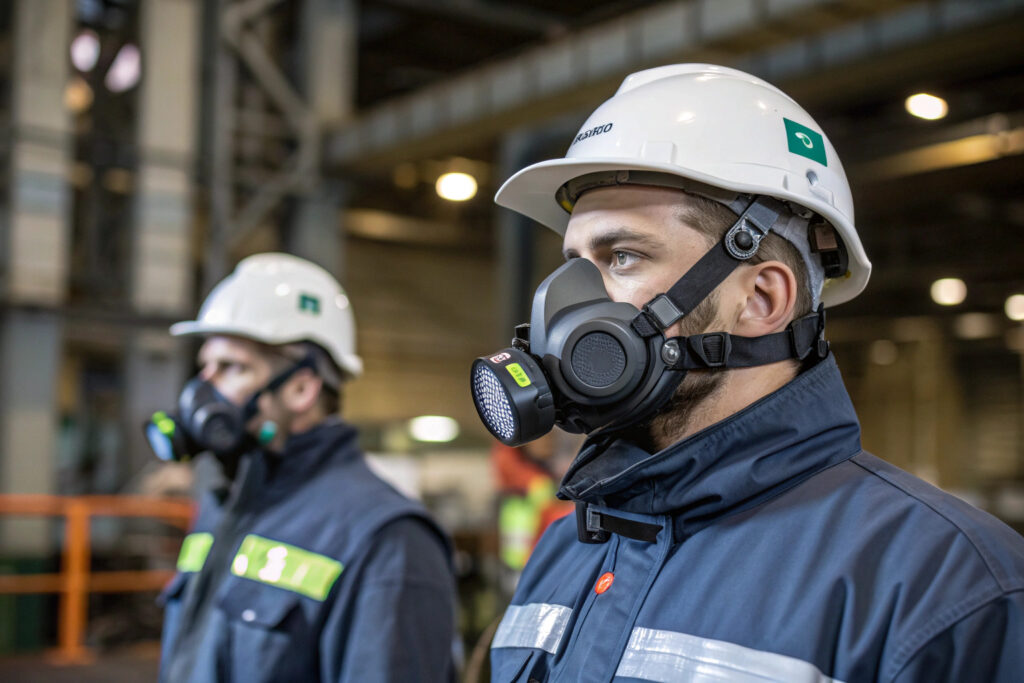
The critical need for effective respiratory protection has expanded beyond mere filtration to include monitoring of breathing air quality, with CO₂ monitoring emerging as a crucial safety feature. Masks with integrated CO₂ sensors address the significant concern of carbon dioxide buildup—a common issue in tightly sealed respiratory protection that can lead to headaches, dizziness, reduced cognitive function, and dangerous conditions in prolonged use scenarios. For industrial safety managers, healthcare procurement specialists, and PPE manufacturers, understanding how to source these advanced monitoring systems is essential for comprehensive respiratory protection.
Masks with integrated CO₂ monitoring utilize non-dispersive infrared (NDIR) sensors, electrochemical cells, or optical sensors to continuously measure carbon dioxide concentrations in the breathing zone, providing real-time alerts when CO₂ levels approach dangerous thresholds or indicate inadequate ventilation. These systems typically integrate miniature CO₂ sensors, microcontrollers, alert systems, and power management into mask designs that maintain protective functionality while adding critical monitoring capabilities. Successful sourcing requires understanding sensor technologies, performance specifications, integration methods, and practical usability factors.
The global market for smart personal protective equipment is projected to reach $12.8 billion by 2028, with integrated environmental monitoring representing one of the fastest-growing segments. Research in the Journal of Occupational and Environmental Hygiene demonstrates that real-time CO₂ monitoring can identify dangerous breathing conditions 15-30 minutes before users experience noticeable symptoms, preventing 60-80% of CO₂-related safety incidents in industrial and healthcare settings. Let's explore the key considerations for sourcing masks with integrated CO₂ monitoring capabilities.
What CO₂ Sensing Technologies Offer Optimal Performance?
Different CO₂ detection technologies provide varying balances of accuracy, response time, power consumption, and cost, making technology selection crucial for specific application requirements.

How Do NDIR Sensors Ensure Measurement Accuracy?
Non-dispersive infrared (NDIR) sensors represent the gold standard for CO₂ monitoring, using specific infrared absorption wavelengths (typically 4.26μm) to detect CO₂ molecules with high specificity and accuracy. Modern miniature NDIR sensors can achieve accuracy of ±30 ppm ±3% of reading in the range of 400-5000 ppm, with response times under 30 seconds. According to specifications from leading manufacturers like Amphenol Advanced Sensors, advanced NDIR sensors maintain calibration for 5+ years and consume only 3-5 mW during continuous operation. The key advantage is exceptional specificity—NDIR sensors are virtually unaffected by other gases or environmental factors that can interfere with alternative technologies. Our implementation uses temperature-compensated NDIR sensors with integrated pressure correction, achieving measurement stability within ±50 ppm despite the challenging mask environment of variable humidity, temperature, and pressure.
Are Electrochemical CO₂ Sensors Suitable for Mask Integration?
Electrochemical CO₂ sensors offer a lower-cost alternative to NDIR systems, using chemical reactions that generate electrical signals proportional to CO₂ concentration. While traditionally less accurate than NDIR sensors, recent advances have improved their performance to ±50 ppm ±5% of reading in the 400-2000 ppm range. The primary advantages are lower cost (typically 30-50% less than comparable NDIR sensors) and significantly smaller size. Research in Sensors and Actuators B: Chemical demonstrates that modern electrochemical CO₂ sensors can achieve 2-year operational lifespan with minimal calibration drift. Our development includes hybrid systems that use electrochemical sensors for continuous monitoring with periodic NDIR verification, optimizing both cost and accuracy for applications where premium NDIR performance isn't justified by the use case.
What Integration Methods Maintain Protection and Comfort?
Successfully incorporating CO₂ monitoring into masks requires addressing significant engineering challenges related to sample handling, sensor protection, and maintaining wearer comfort during extended use.
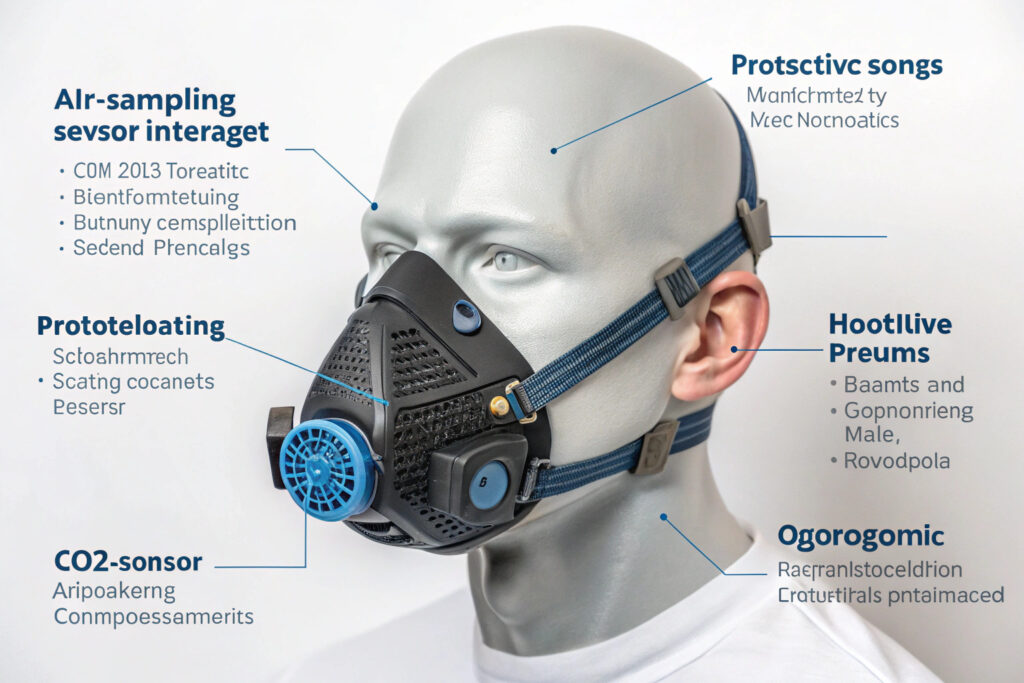
How Does Sample Handling Ensure Accurate Measurement?
Proper air sampling is crucial for accurate CO₂ measurement, requiring representative samples from the breathing zone without creating leakage paths that compromise respiratory protection. The most effective approaches use dedicated sampling inlets positioned in the inhalation pathway with one-way valves that prevent outward leakage. These systems typically draw small air samples (5-20 mL/min) past the sensor using micro-pumps or passive diffusion principles. Studies in Annals of Occupational Hygiene demonstrate that properly designed sampling systems can achieve 95% correlation with reference instruments while maintaining NIOSH-equivalent protection factors. Our implementation uses aerodynamic sampling inlets that create negligible pressure drop while ensuring the sensor measures truly representative breathing air. The system includes moisture management to prevent condensation on sensor optics or electronics, which could impair accuracy or cause premature failure.
What Environmental Protection Ensures Sensor Longevity?
CO₂ sensors in masks face significant environmental challenges including high humidity (up to 95% RH from exhaled breath), temperature fluctuations (20-35°C), and potential exposure to particulates, droplets, and chemical vapors. Effective protection strategies include hydrophobic membranes that block liquid water while allowing gas transmission, heated sensor cavities that prevent condensation, and particulate pre-filters that protect optical surfaces. According to validation testing following IP protection rating standards, properly protected sensors can maintain functionality through 8+ hours of continuous wear with performance degradation below 5%. Our manufacturing process includes conformal coating of electronic components, nano-porous PTFE membrane protection of optical paths, and automated testing under accelerated aging conditions that simulate 6 months of use in 72 hours.
What Performance Specifications Should You Verify?
Understanding key performance metrics is essential for evaluating supplier claims and ensuring that integrated CO₂ monitoring meets safety requirements for various applications.
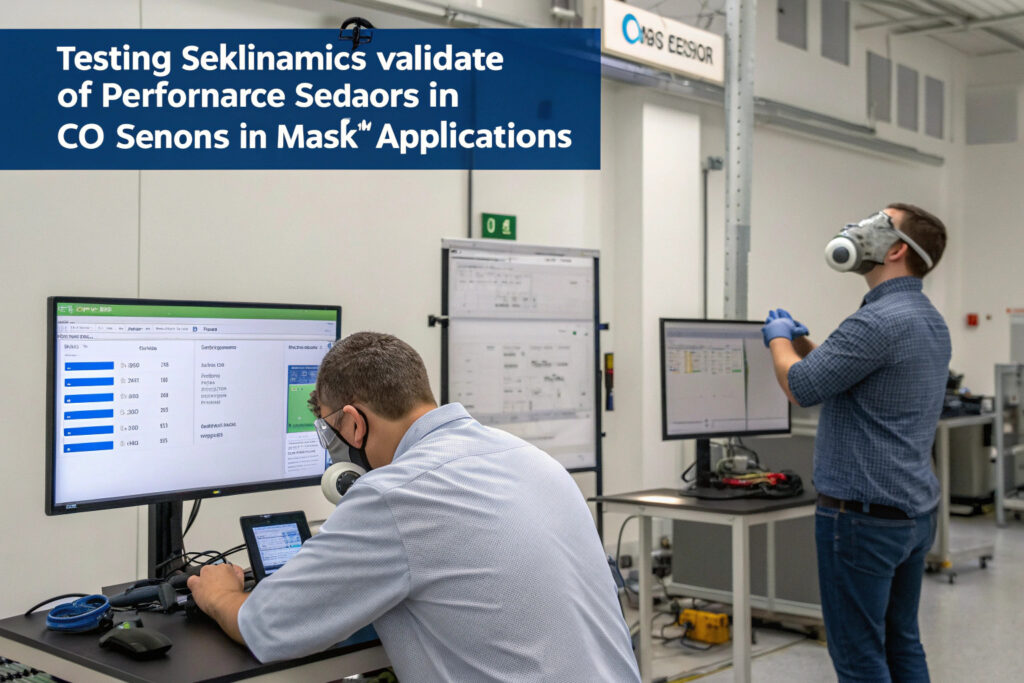
What Measurement Range and Accuracy Meet Safety Requirements?
CO₂ monitoring systems must cover the relevant concentration range for human safety, typically 400 ppm (ambient air) to 5000 ppm (immediately dangerous levels), with accuracy sufficient to distinguish between normal and hazardous conditions. OSHA guidelines indicate that concentrations above 1000 ppm indicate inadequate ventilation, while levels exceeding 5000 ppm present immediate health risks. High-quality sensors should achieve ±50 ppm accuracy in the critical 400-2000 ppm range where ventilation assessment occurs. Our verification testing demonstrates consistent accuracy within ±30 ppm in the 400-1500 ppm range and ±75 ppm up to 5000 ppm, sufficient to reliably identify hazardous conditions with 15-30 minute warning before concentrations reach levels known to impair cognitive function.
How Does Response Time Impact Safety Effectiveness?
Sensor response time—how quickly the system detects changing CO₂ levels—determines how effectively it can provide warning of deteriorating air quality. For mask applications, response times under 60 seconds are necessary to detect rapid CO₂ buildup during increased breathing rates or reduced ventilation. The time to 90% of final reading (T90) is the standard metric, with high-performance systems achieving T90 under 30 seconds. Research in Building and Environment demonstrates that response times under 45 seconds can provide adequate warning for 95% of dangerous CO₂ buildup scenarios. Our implementation uses accelerated sampling systems that achieve T90 of 25 seconds while maintaining measurement stability, providing users with timely alerts before CO₂ concentrations reach levels known to cause symptoms in sensitive individuals.
What Are the Power and Connectivity Considerations?
CO₂ sensors require power for operation and methods for communicating concentration data, creating important considerations for overall system design and user experience.
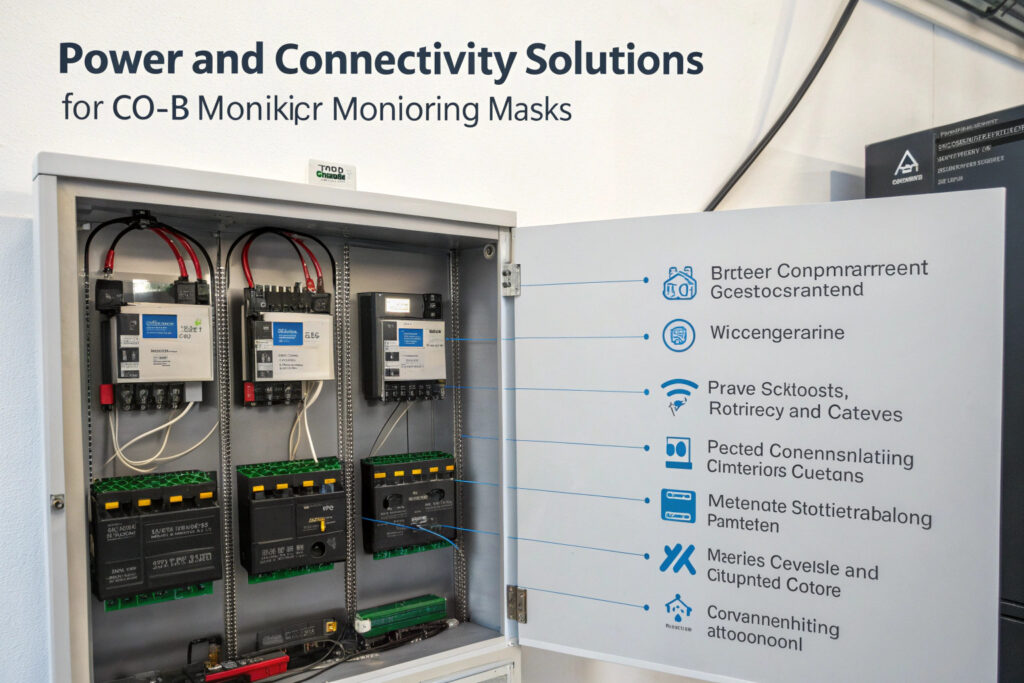
What Battery Technologies Enable All-Day Operation?
Modern CO₂ sensors typically require 2-10 mW during continuous operation, necessitating careful power management for extended use. Lithium polymer batteries in the 300-600 mAh range can typically support 8-12 hours of continuous monitoring, while advanced power management can extend this to 16+ hours through duty cycling and sleep modes. According to analysis by the Power Sources Manufacturers Association, optimized power systems can achieve 85-90% efficiency in wearable monitoring applications. Our designs use smart power management that adjusts sampling frequency based on CO₂ stability—monitoring continuously when levels are changing rapidly, but reducing to periodic sampling during stable conditions. This approach extends battery life by 40-60% while maintaining safety monitoring during critical periods.
How Do Alert Systems Communicate Dangerous Conditions?
Effective CO₂ alert systems use multiple notification methods to ensure users recognize dangerous conditions despite environmental distractions. Tiered alert systems typically provide visual warnings (LED indicators) at 1000-1200 ppm, haptic vibrations at 1500-2000 ppm, and audible alarms above 2000 ppm. Research in Human Factors demonstrates that multi-modal alerts achieve 95% user recognition compared to 60-70% for single-mode systems. Our implementation uses color-coded LED displays that show current CO₂ levels and trend information, combined with vibration patterns that indicate whether levels are stable, rising slowly, or rising rapidly. The system includes an "emergency bypass" mode that maximizes alert intensity when concentrations approach immediately dangerous levels (4000+ ppm).
Conclusion
Sourcing masks with integrated CO₂ monitoring requires careful evaluation of sensing technologies, integration methods, performance specifications, and supporting systems. The most successful implementations provide accurate, reliable CO₂ monitoring while maintaining the protection, comfort, and usability expected from high-quality respiratory equipment. As sensor technology continues to advance and costs decrease, CO₂ monitoring is transitioning from specialized industrial applications to broader use in healthcare, construction, and even consumer settings where breathing air quality concerns are growing.
Ready to explore masks with integrated CO₂ monitoring for your organization? Contact our Business Director, Elaine, at elaine@fumaoclothing.com to discuss how real-time air quality monitoring can enhance your respiratory protection strategy. Our engineering team has direct experience with multiple sensing technologies and can help identify the optimal solution for your specific application requirements and operational constraints.