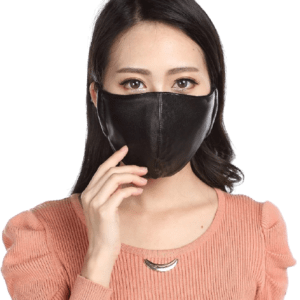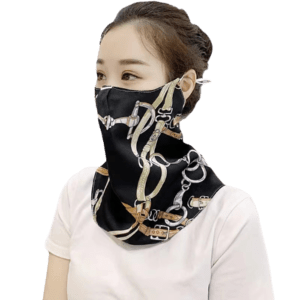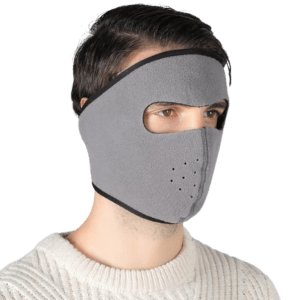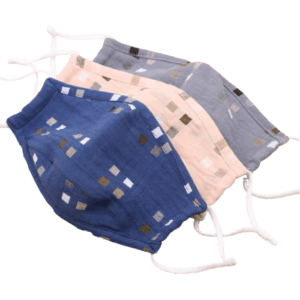
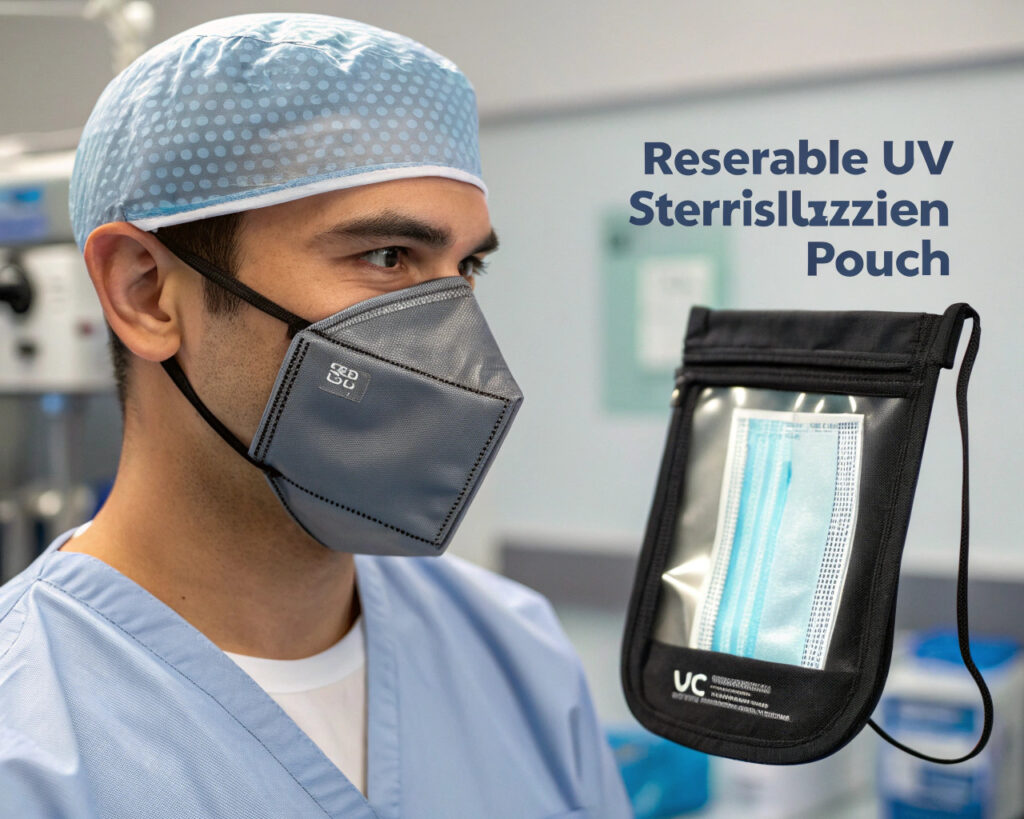
The demand for hygienic reusable masks has evolved beyond basic washability. Consumers and medical professionals now seek active sterilization capabilities that can be used throughout the day, especially when washing facilities aren't available. Integrated UV-C sterilization technology addresses this need by providing scientifically proven pathogen elimination between washes.
Masks with integrated UV-C sterilization pouches represent the next evolution in protective wear, combining traditional filtration with proven germicidal technology to maintain hygiene between uses. These innovative products require careful sourcing considerations to ensure both safety and effectiveness. Understanding the technical requirements and verification processes is essential for successful procurement.
Navigating this emerging product category requires knowledge of UV-C technology integration, safety standards, and practical design considerations. Let's explore the key factors in sourcing these advanced protective products.
What Technical Specifications Ensure Effective UV-C Sterilization?
Not all UV-C integration is created equal. Effective sterilization requires specific wavelengths, exposure times, and proper implementation to ensure both safety and performance. Understanding these technical parameters is crucial when evaluating potential suppliers and products.

What UV-C Wavelength Delivers Optimal Pathogen Elimination?
The most effective UV-C wavelength for germicidal applications is 265 nanometers, which is proven to disrupt DNA and RNA of microorganisms. However, most UV-C LEDs produce light at 275±5 nm due to manufacturing efficiency, which remains highly effective. When sourcing, verify the exact wavelength specifications and look for suppliers who provide third-party testing data. According to FDA guidelines for UV devices, proper wavelength control is essential for both effectiveness and safety. The integration must ensure the UV-C light is completely contained within the sterilization chamber during operation.
How Long Should the Sterilization Cycle Last?
Effective sterilization requires adequate exposure time and intensity. Most effective systems require 5-10 minutes of continuous UV-C exposure to achieve 99.9% pathogen reduction. When evaluating suppliers, ask for validation testing showing log reduction of specific pathogens like E. coli, Staphylococcus aureus, and influenza viruses. The CDC's disinfection guidelines emphasize that time and intensity are critical factors for effective UV sterilization. Look for products that automatically shut off after the complete cycle to ensure proper sterilization and conserve battery life.
How to Verify Safety and Regulatory Compliance?
UV-C technology introduces potential safety concerns that must be carefully addressed through design and manufacturing controls. Ensuring regulatory compliance protects both end-users and your business from liability issues.
What Safety Features Prevent User Exposure to UV-C?
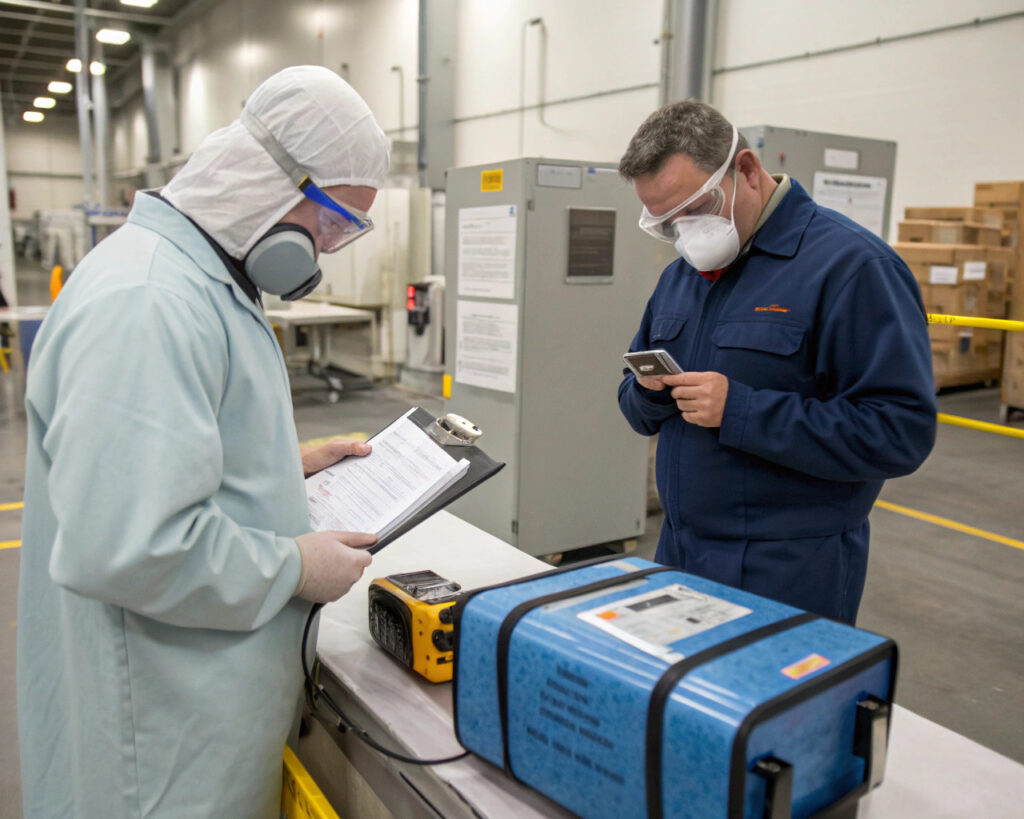
Proper shielding is the most critical safety feature. The sterilization chamber must completely contain UV-C radiation with light-blocking materials and interlock systems that automatically disable the UV source when opened. Look for products with multiple safety layers, including: physical barriers that block UV transmission, child-resistant locks, and automatic shut-off mechanisms. These features should be verified through independent testing according to IEC 62471 standards for photobiological safety. Our factory implements triple safety verification during production to ensure zero light leakage in all units.
Which Certifications Validate UV-C Device Safety?
Reputable manufacturers will have third-party certifications specifically for UV-C devices. Key certifications include: IEC 62471 for photobiological safety, RoHS compliance for hazardous substances, and relevant electrical safety standards like UL or CE marking. For medical applications, FDA clearance may be required. The International Ultraviolet Association provides additional guidelines for safe implementation. Always request copies of certification documents and verify their authenticity with the issuing bodies. We maintain comprehensive testing documentation for all our UV-C integrated products, available for client review.
What Design Considerations Maximize User Experience?
Successful integration of UV-C technology must balance technical requirements with practical usability. The best products combine effective sterilization with comfortable, intuitive design that encourages regular use.
How to Balance Battery Life and Sterilization Power?
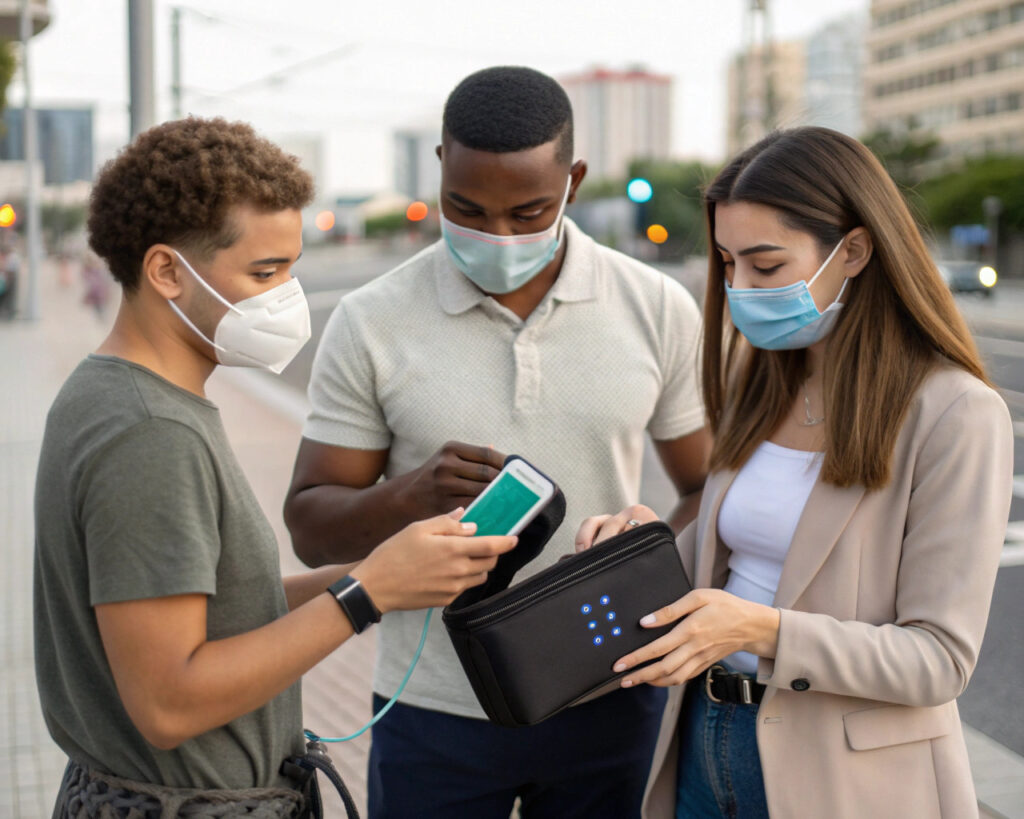
Power management significantly impacts user experience. Most effective systems use rechargeable lithium-polymer batteries providing 5-10 complete sterilization cycles per charge. Look for products with clear battery indicators and standardized charging options (USB-C is increasingly preferred). The balance between sterilization power and battery life requires sophisticated power management systems that deliver adequate UV intensity while maximizing usage between charges. According to energy efficiency standards, proper battery management also extends product lifespan and ensures consistent performance.
What Materials Withstand Repeated UV-C Exposure?
UV-C radiation accelerates material degradation, so component selection is crucial. Medical-grade silicone seals, UV-stabilized polymers, and specialized coatings maintain integrity under repeated exposure. Key areas requiring special attention include: the sterilization chamber interior, electrical connectors, and sealing surfaces. We've developed proprietary polymer blends that withstand over 1,000 sterilization cycles without significant degradation. These materials meet ISO 18562 standards for biocompatibility in breathing gas pathways, ensuring safety during mask use.
How to Evaluate Manufacturing Capabilities and Quality Control?
Producing reliable UV-C integrated masks requires specialized manufacturing expertise and rigorous quality control processes. Assessing a supplier's capabilities in these areas is essential for ensuring consistent product quality.
What Production Processes Ensure Consistent UV-C Output?
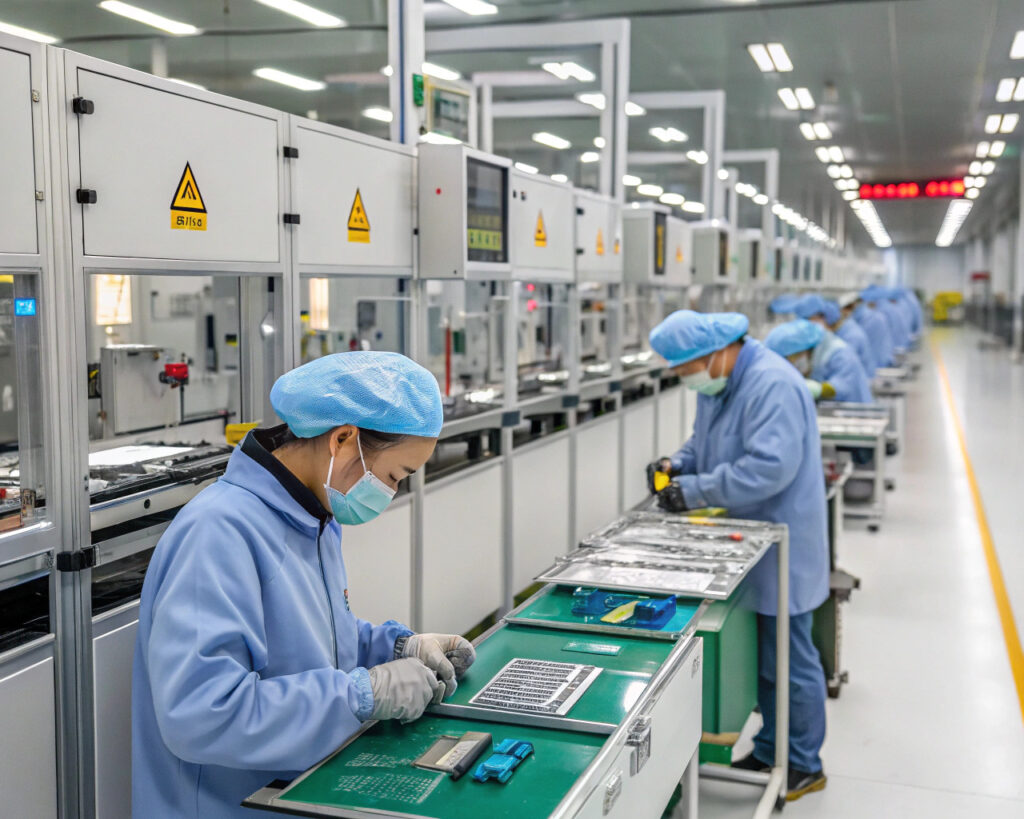
Maintaining consistent UV-C intensity across all units requires precise manufacturing controls. Automated testing of each UV-C emitter before installation, calibrated radiation measurement systems, and burn-in testing of complete units are essential processes. Look for suppliers who implement 100% testing of UV output rather than random sampling. Our production line includes automated optical inspection systems that verify LED alignment and intensity for every unit, ensuring consistent sterilization performance. These processes align with Good Manufacturing Practice requirements for medical device production.
How Do Reliable Suppliers Handle Component Sourcing?
Electronic component reliability is crucial for UV-C products. Established manufacturers maintain relationships with certified suppliers for UV-C LEDs, battery cells, and control electronics. They should have contingency plans for component shortages and multiple sourcing options for critical parts. Ask potential suppliers about their supply chain for key components and their strategy for maintaining production during component shortages. Our vertically integrated supply chain includes partnerships with premier UV-C component manufacturers and backup suppliers for all critical electronic components, ensuring uninterrupted production.
Conclusion
Sourcing masks with integrated UV-C sterilization requires careful attention to technical specifications, safety compliance, user-centered design, and manufacturing capabilities. The most successful products combine proven sterilization technology with practical, safe implementation that meets regulatory requirements and user needs. By thoroughly evaluating potential suppliers across these key areas, you can confidently introduce this advanced protective technology to your market.
Ready to develop masks with integrated UV-C sterilization technology? Contact our Business Director, Elaine, at elaine@fumaoclothing.com to discuss your specific requirements. We'll help you navigate the technical considerations and manufacturing processes to create safe, effective products that meet market demands.