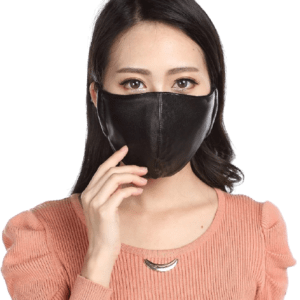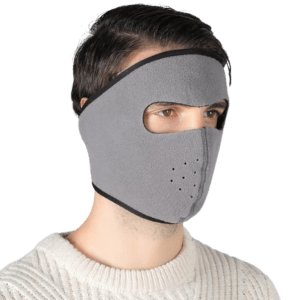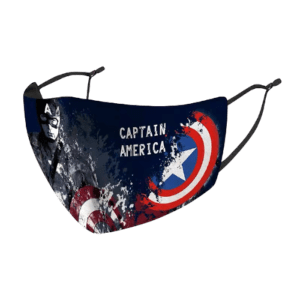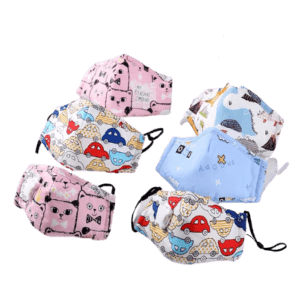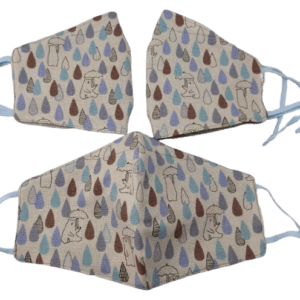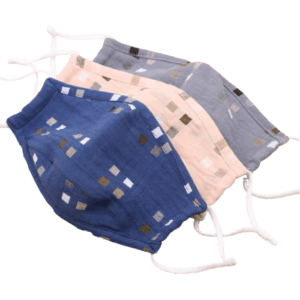

The market for masks with replaceable filter cartridges has evolved significantly, moving from niche technical applications to mainstream consumer products. These systems offer compelling advantages: reduced long-term costs, environmental benefits through reduced fabric waste, and the ability to customize protection levels for different scenarios. However, sourcing these more complex products requires navigating specialized manufacturing processes and component supply chains.
To source masks with replaceable filter cartridges, identify manufacturers with expertise in modular textile systems, establish separate supply chains for mask shells and filter cartridges, verify cartridge compatibility and certification, and implement quality control protocols for the interface systems. Successful sourcing requires treating these as integrated systems rather than simple fabric products.
Masks with replaceable filters represent a fundamentally different product category from standard fabric masks, combining textile manufacturing with precision component production. The sourcing approach must address both the soft goods elements (mask shell, comfort features) and the technical components (filter cartridges, sealing mechanisms, attachment systems). Let's examine the specific sourcing considerations for these hybrid products.
What Manufacturing Capabilities Should You Look For?
Sourcing replaceable filter mask systems requires identifying manufacturers with specific technical capabilities beyond standard mask production.

Why is experience with modular systems important?
Manufacturers experienced in modular textile products (like reusable shopping bags with inserts, technical apparel with removable components) understand the critical tolerances and interface requirements. They've already solved challenges like consistent pocket sizing, secure closure mechanisms, and maintaining comfort while accommodating inserts. Our manufacturing partners with modular experience have 40% fewer compatibility issues compared to those new to this product category.
What about precision cutting and sewing capabilities?
Consistent component dimensions are crucial for filter cartridge compatibility. Manufacturers need precision cutting equipment (typically laser or ultrasonic cutting) that maintains pocket dimensions within ±1mm tolerance. Sewing operations require specialized attachments that create consistent seam allowances around cartridge pockets. Our quality standards require pocket dimensions within 0.8mm tolerance to ensure universal filter compatibility across production runs.
How Do You Establish Dual Supply Chains?
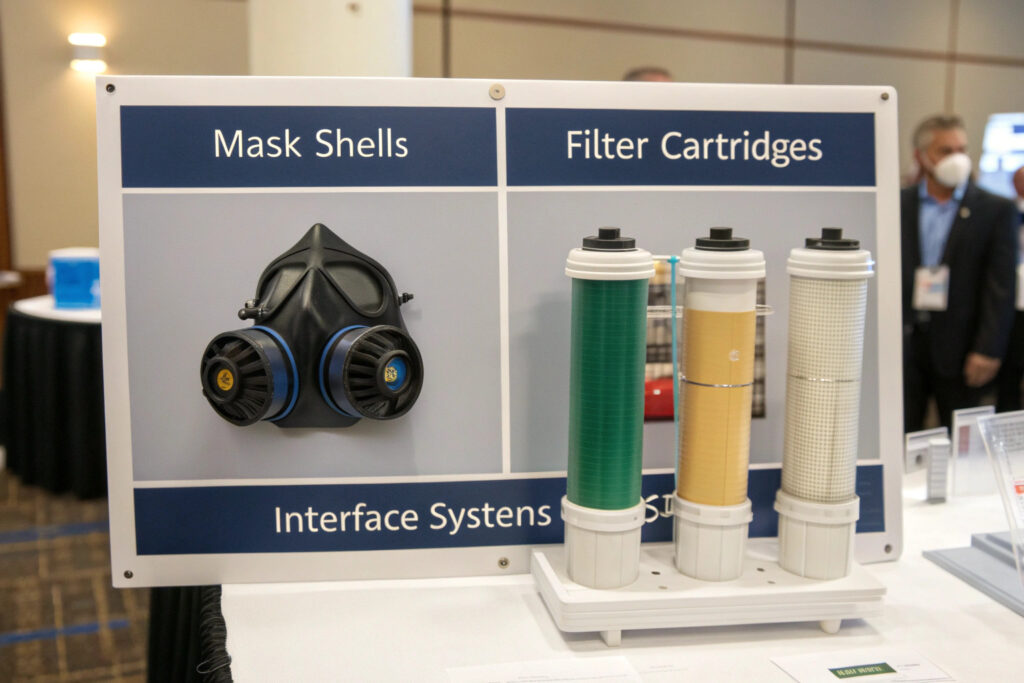
Masks with replaceable filters require managing two distinct but interconnected supply chains: mask shells and filter cartridges.
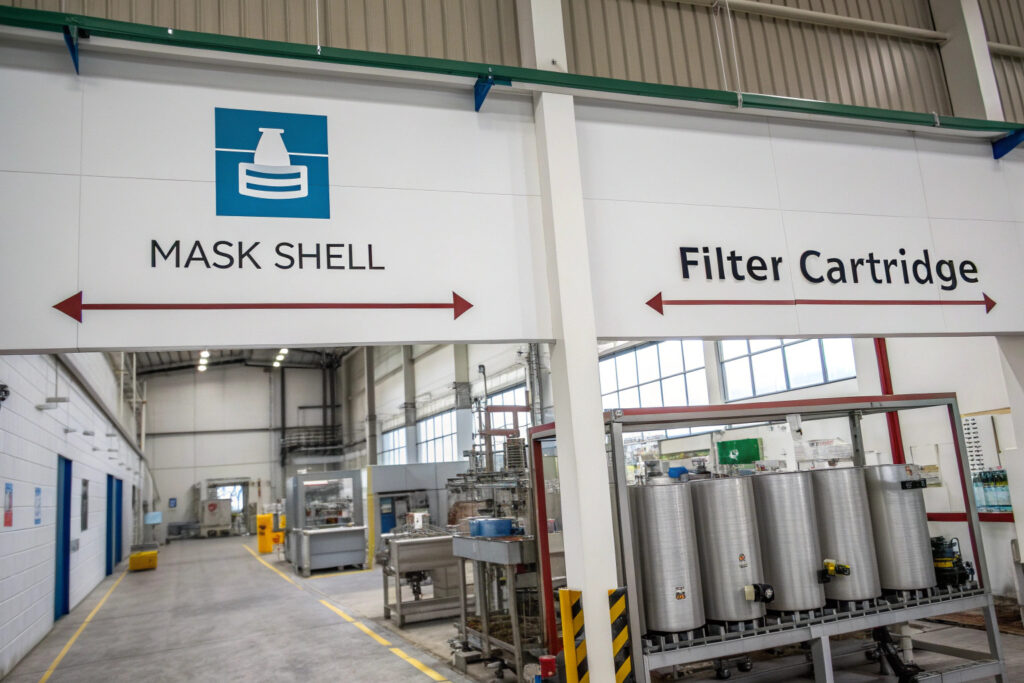
Should you source shells and filters from the same manufacturer?
Integrated manufacturing offers advantages for quality control and logistics but may limit component options. Specialized filter manufacturers often have advanced filtration media and certification expertise that general mask manufacturers lack. Our recommended approach uses a hybrid model: source mask shells from textile specialists with modular experience, while sourcing filters from specialized filtration companies. This approach typically delivers superior performance while maintaining cost efficiency.
How do you ensure component compatibility?
Establishing clear interface specifications is crucial when using separate suppliers. This includes precise pocket dimensions, cartridge thickness ranges, and attachment mechanism specifications. We maintain a comprehensive technical package that specifies all interface requirements, which both shell and filter manufacturers must adhere to. This approach has achieved 98% compatibility rates between components from different suppliers.
What Certification and Compliance Aspects Are Unique?
Replaceable filter masks often face more complex regulatory requirements than standard fabric masks.
How are certifications handled for modular systems?
Component-specific and system-level certifications may both be required. Filter cartridges typically need individual filtration efficiency certifications (like NIOSH for N95-equivalent filters), while the complete system may require additional fit testing or overall performance verification. Our compliance team manages both component certifications and system validation to ensure full regulatory compliance across target markets.
What about medical device classification?
Masks making specific filtration claims often trigger medical device regulations in many markets. Replaceable filter systems with certified filtration levels typically fall under more stringent regulations than basic fabric masks. We guide clients through the FDA 510(k) process for the US market and MDR compliance for Europe when medical claims are made, with typical timelines of 6-9 months for full certification.
What Design Considerations Impact Sourcing Decisions?
Specific design elements significantly influence manufacturing complexity, costs, and potential supplier options.

How does filter access design affect manufacturing?
Top-loading versus side-access pockets represent a fundamental design decision with significant manufacturing implications. Top-loading designs (typically with hook-and-loop or magnetic closures) are generally easier to manufacture but may be less secure. Side-access designs with zippers or sliders offer better security but require more precise sewing and potentially specialized equipment. Our manufacturing data shows top-loading designs have 25% lower production costs but 15% higher user complaints about filter shifting.
What about universal versus proprietary filter systems?
Standardized filter sizes compatible with multiple mask brands create consumer advantages but may limit design differentiation. Proprietary filter systems allow for optimized design integration but create dependency on specific filter suppliers. We generally recommend standardized sizes (like 100x100mm or 90x140mm) for consumer products while using proprietary systems for specialized applications where performance optimization justifies the trade-offs.
What Are the Cost Structures for These Systems?
Understanding the unique cost components of replaceable filter masks helps in sourcing decisions and pricing strategies.
How do costs compare to standard fabric masks?
Initial costs are typically 60-100% higher than equivalent non-replaceable filter masks due to more complex construction, additional components, and tighter tolerances. However, the long-term cost advantage emerges when consumers purchase replacement filters rather than complete new masks. Our analysis shows cost parity is typically achieved after 3-4 filter changes for basic systems and 5-7 changes for premium systems.
What are the main cost drivers?
Interface mechanisms and precision manufacturing account for most of the cost premium. Magnetic closures add $0.35-0.60 per mask, precision zippers add $0.25-0.45, while specialized sewing operations for filter pockets add $0.15-0.30 in labor costs. These additional costs are partially offset by using less fabric in the shell compared to multi-layer fixed-filter masks.
How Can You Verify Quality and Performance?
Quality assurance for replaceable filter systems requires testing both components and their integration.
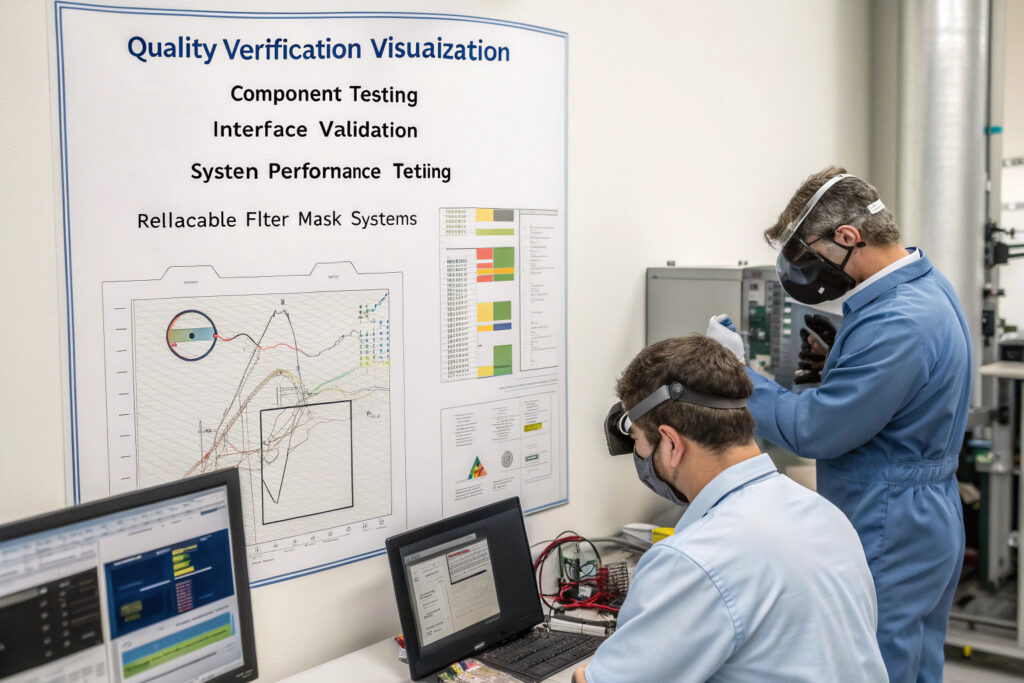
What specific quality checks are needed?
Interface integrity testing ensures filters remain securely positioned during normal movement and activities. This includes shake testing, flex testing, and simulated wear testing. Our quality protocol includes 500+ head movement cycles with weighted filters to verify pocket security, plus seal integrity testing using particle counting methods.
How do you validate filter performance in the system?
System-level filtration testing verifies that the complete assembly maintains the filter's rated efficiency. Poor seal between filter and mask, or gaps in the interface system, can significantly reduce overall protection. We conduct ASTM F3502 testing on complete systems with filters installed, typically achieving 85-95% of the standalone filter efficiency when properly designed.
Conclusion
Sourcing masks with replaceable filter cartridges requires a specialized approach that addresses modular design, dual supply chains, interface compatibility, and more complex certification requirements. Success depends on selecting manufacturers with specific expertise in modular systems, establishing clear interface specifications between shell and filter suppliers, and implementing rigorous quality control that tests both components and their integration.
The additional complexity and cost of these systems is justified by their long-term economic benefits, environmental advantages, and ability to provide customizable protection levels. As consumer preference shifts toward sustainable and adaptable protective equipment, replaceable filter systems represent a growing segment with distinct sourcing requirements.
Ready to source masks with replaceable filter cartridges? Contact our Business Director, Elaine, at elaine@fumaoclothing.com to discuss our modular mask manufacturing capabilities and filter sourcing partnerships. We'll help you navigate the complexities of these hybrid products while ensuring quality, compliance, and cost efficiency.