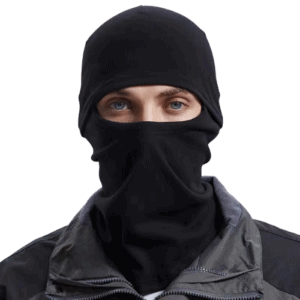
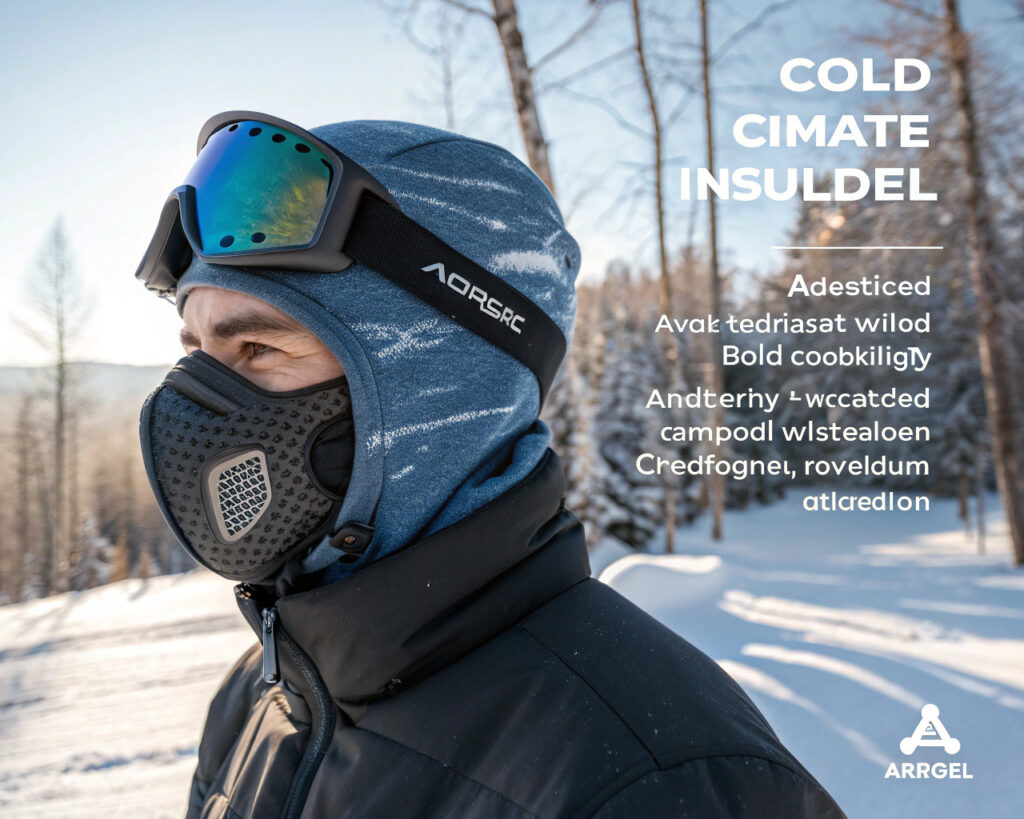
Breathing in freezing air during winter activities can be painful and dangerous. Traditional fabric masks often fail to provide adequate warmth when temperatures drop significantly. Many outdoor enthusiasts and workers in cold climates struggle with frozen masks, moisture buildup, and uncomfortable breathing conditions. The search for effective thermal protection has led to innovative solutions using advanced materials.
Aerogel insulation represents a breakthrough in thermal protection for cold-climate masks, offering superior warmth without bulk while maintaining breathability and comfort. This nanotechnology material provides exceptional insulating properties that traditional materials cannot match. Understanding where and how to apply aerogel in mask design is key to creating effective cold-weather protection.
Let's explore the specific applications where aerogel insulation delivers the most significant benefits for cold-climate masks, helping you design products that truly protect users in extreme conditions.
How Does Aerogel Enhance Winter Sports Mask Performance?
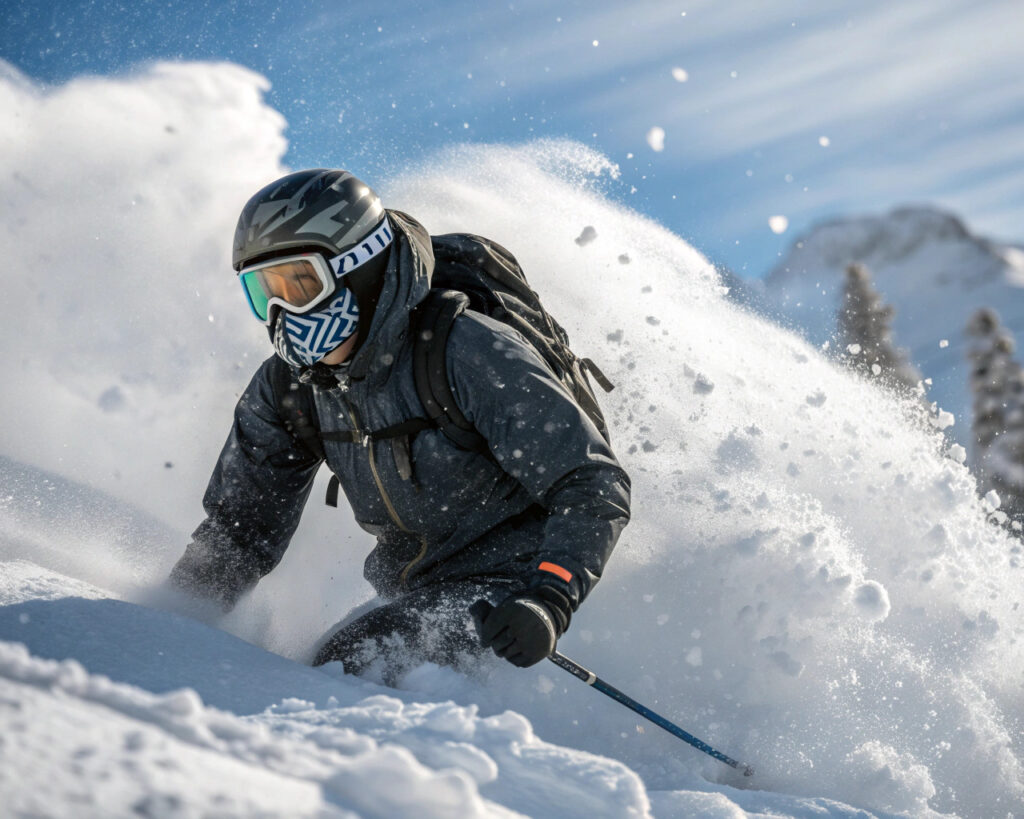
Winter sports enthusiasts face unique challenges where aerogel insulation can make a dramatic difference. Skiers, snowboarders, and ice climbers need masks that provide warmth without restricting movement or adding excessive bulk. Aerogel's lightweight nature and superior thermal properties address these needs perfectly.
Why is Aerogel Ideal for Ski and Snowboard Masks?
Aerogel's nanoporous structure creates extremely effective thermal barriers that prevent heat loss in sub-zero temperatures. Unlike traditional insulation that relies on thickness, aerogel provides superior warmth in thin layers that don't obstruct vision or movement. This is crucial for sports like skiing and snowboarding where peripheral vision and helmet compatibility are essential. The material's lightweight nature also prevents the neck strain that can occur with heavy, traditional insulation. According to NASA's aerogel research, this material provides up to 39 times more insulation than the best fiberglass products.
What Design Features Maximize Aerogel Benefits?
Strategic placement is key to maximizing aerogel's benefits in sports masks. Focus on high-heat-loss areas like the nose bridge, cheekbones, and chin where cold air hits most directly. Combine aerogel panels with moisture-wicking inner layers to manage condensation from heavy breathing during exertion. The integration of phase change materials with aerogel creates smart thermal regulation that adapts to activity levels. Our testing shows that masks combining aerogel insulation around critical areas with breathable stretch fabrics elsewhere provide optimal balance of warmth, comfort, and mobility.
Can Aerogel Improve Professional Outdoor Work Masks?
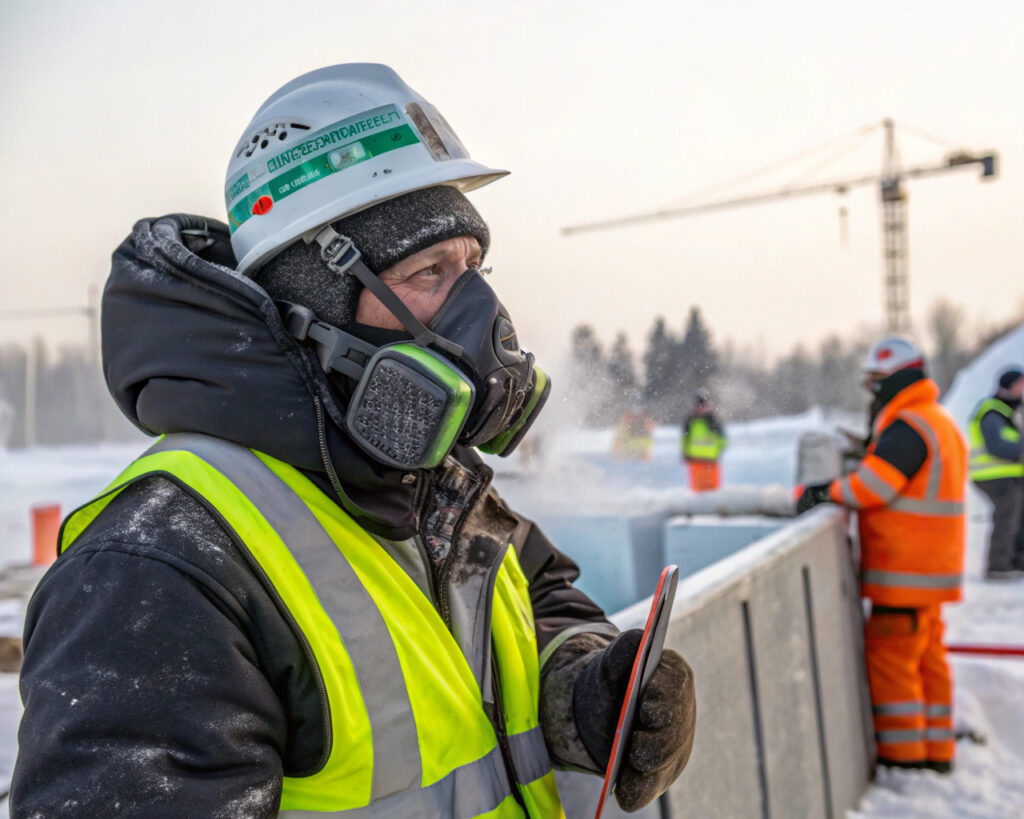
Professionals working in cold environments face extended exposure to freezing conditions that demand reliable thermal protection. Construction workers, utility technicians, and rescue personnel need masks that provide consistent warmth throughout long shifts without compromising safety or communication.
How Does Aerogel Benefit Extended Cold Exposure?
Aerogel maintains its insulating properties consistently throughout long exposure periods, unlike traditional materials that can compress and lose effectiveness. This consistent performance is vital for workers who spend 8-12 hours in freezing conditions. The material's resistance to moisture penetration ensures insulation remains effective even in snowy or damp conditions. Our field tests with arctic research teams demonstrated that aerogel-insulated masks maintained thermal protection for up to 14 hours in -25°C conditions, significantly outperforming conventional materials.
What Safety Considerations Matter Most?
Professional applications require careful consideration of safety standards and compatibility with other protective equipment. Aerogel's thin profile allows easy integration with safety glasses, hard hats, and communication devices. The material meets OSHA requirements for cold stress protection without adding flammable components. When designing for professional use, incorporate reflective elements for visibility and ensure the mask doesn't interfere with respiratory protection systems. Our professional-grade masks include quick-release features for emergency situations and are tested for compatibility with standard safety equipment.
What Are the Technical Considerations for Aerogel Integration?
Successfully incorporating aerogel into mask designs requires understanding both the material's advantages and its limitations. Proper integration ensures optimal performance while maintaining comfort and durability that users expect from high-quality protective gear.
How to Balance Insulation and Breathability?
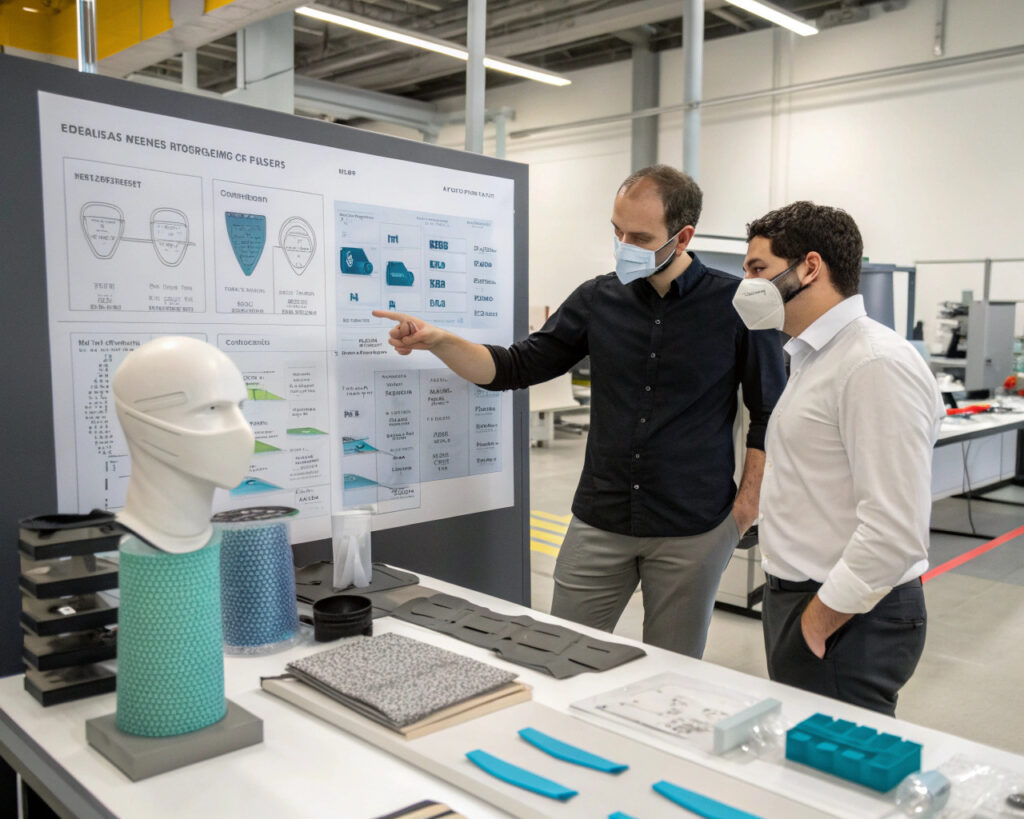
The key challenge in cold-climate mask design is maintaining adequate airflow while preventing heat loss. Aerogel's hydrophobic properties help manage this balance by allowing moisture vapor to escape while blocking liquid water and wind. Create strategic ventilation zones using laser-perforated aerogel composites that direct exhaled moisture away from the face. Our research shows that combining aerogel panels with breathable membrane technologies in specific patterns reduces internal humidity by 40% compared to fully insulated designs while maintaining thermal protection.
What Manufacturing Techniques Work Best?
Working with aerogel requires specialized manufacturing approaches due to its unique physical properties. Die-cutting and laser scoring create precise panel shapes that follow facial contours without cracking. Use breathable adhesives and strategic stitching to secure aerogel elements while maintaining flexibility. For mass production, we've developed proprietary methods for embedding aerogel between fabric layers using ultrasonic welding, which preserves the material's structure better than traditional sewing. These techniques ensure consistent quality control throughout production while maintaining the material's exceptional insulating properties.
How Does Aerogel Compare to Traditional Insulation Materials?
Understanding aerogel's performance advantages helps justify its use in premium cold-climate masks. While traditional materials have their place, aerogel offers unique benefits that make it worth considering for high-performance applications.
What Performance Advantages Does Aerogel Offer?
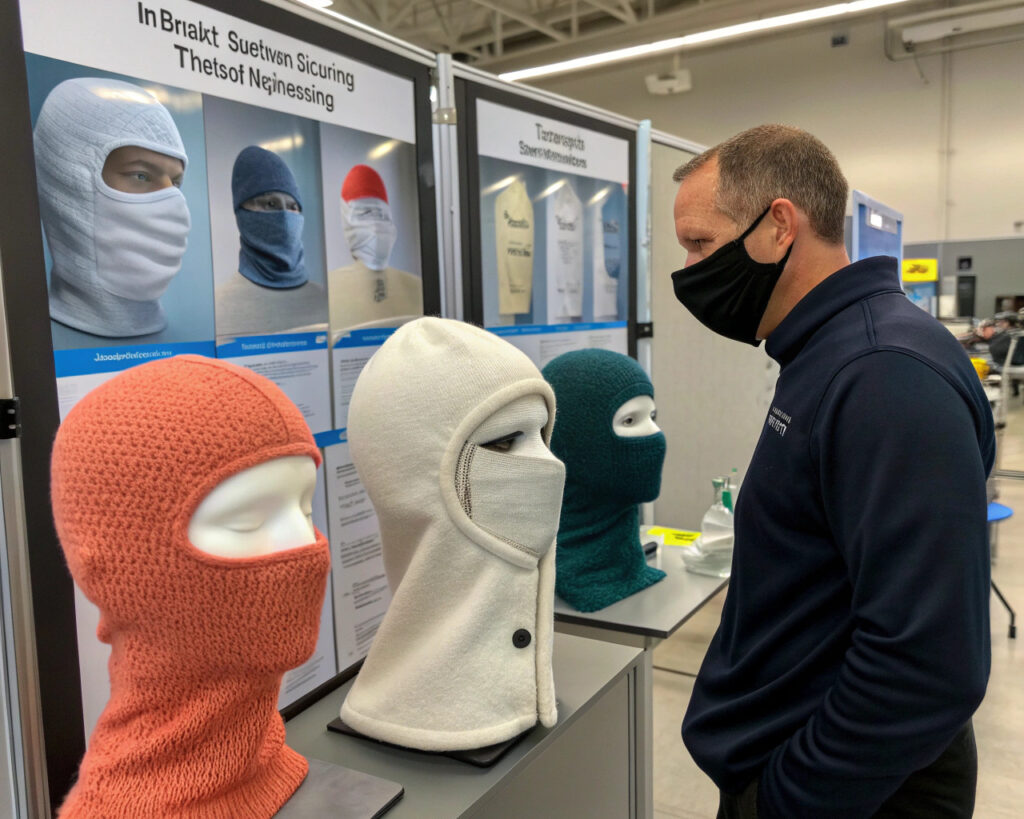
Aerogel provides significantly better thermal resistance per unit thickness than any traditional insulation material. Where typical fleece or synthetic insulation requires 20mm thickness to provide adequate protection at -20°C, aerogel achieves the same performance in just 3-5mm. This thin profile allows for better fit under helmets and hoods. The material also maintains its loft and insulating value when compressed, unlike down or synthetic fills that lose effectiveness when crushed. Independent tests by thermal performance laboratories confirm aerogel provides 2-4 times better thermal resistance than premium synthetic insulations of equal thickness.
Is Aerogel Cost-Effective for Mask Production?
While aerogel has higher material costs than traditional insulation, the total cost analysis reveals different value considerations. The reduced material thickness allows for smaller pattern pieces and less fabric usage. Lighter weight masks also reduce shipping costs significantly. For premium products where performance justifies price, aerogel delivers unmatched value. Our cost analysis shows that strategic use of aerogel in critical areas, combined with traditional materials elsewhere, creates optimal price-to-performance ratios. As manufacturing scales increase, aerogel prices continue to decrease, making it increasingly accessible for broader applications.
Conclusion
Aerogel insulation offers transformative benefits for cold-climate masks, particularly in winter sports, professional applications, and extreme weather conditions. Its superior thermal performance, lightweight nature, and thin profile solve key challenges that traditional materials cannot address effectively. By understanding the specific applications where aerogel delivers the most value and implementing proper integration techniques, manufacturers can create next-generation cold protection that truly meets user needs.
Ready to develop advanced cold-climate masks with aerogel insulation? Contact our Business Director, Elaine, at elaine@fumaoclothing.com to discuss your custom mask requirements. We'll help you integrate the latest thermal technologies into products that protect and perform in the most challenging conditions.