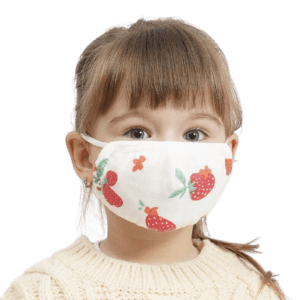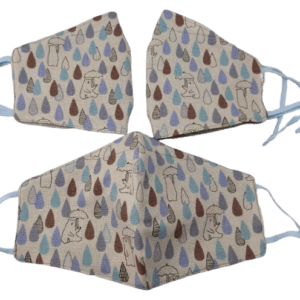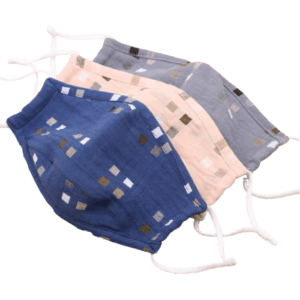
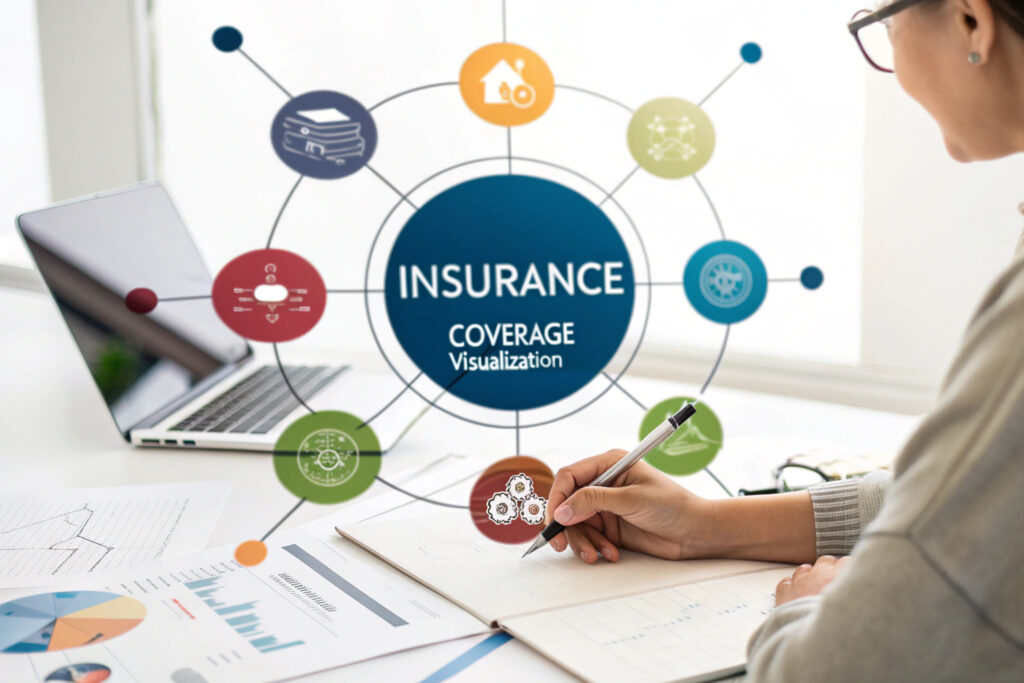
Product liability insurance has become increasingly critical for mask importers as regulatory scrutiny intensifies and consumer awareness of product safety grows. With fabric masks occupying a regulatory gray area between general textiles and medical devices, importers face unique liability exposures that standard product insurance may not adequately cover. Understanding the specific insurance needs and available options helps protect your business from potentially catastrophic claims.
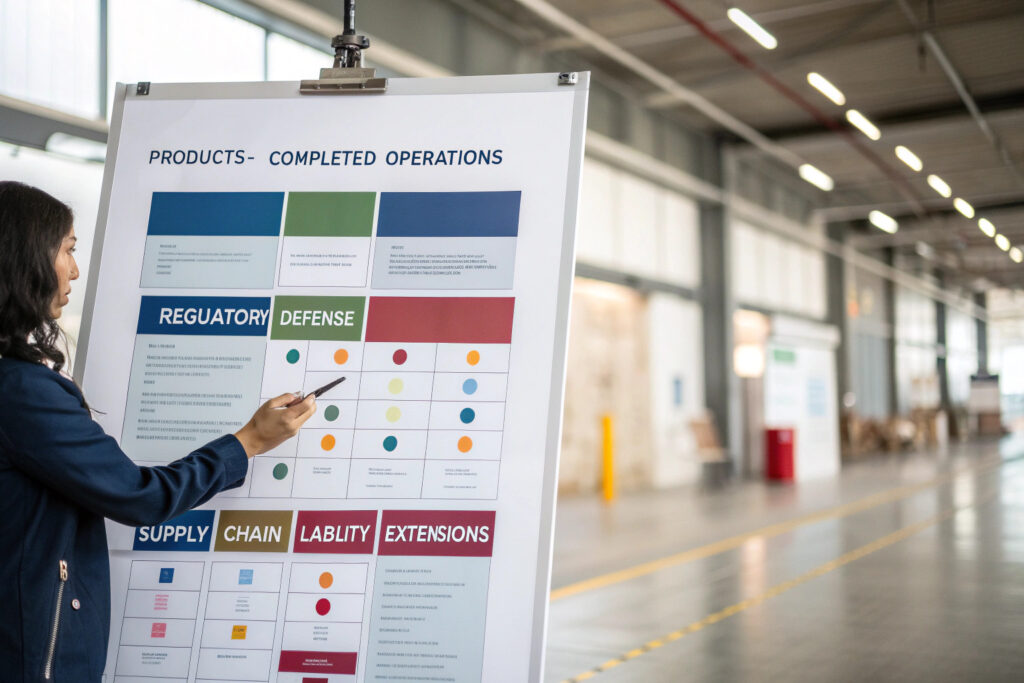
The best PI insurance options for mask importers include occurrence-form policies with broad definition of products, regulatory defense coverage, third-party laboratory testing requirements, and supply chain liability extensions that cover manufacturers' faults. These policies should specifically address the hybrid nature of fabric masks as both consumer textiles and protective equipment, with coverage limits reflecting the high volume and potential class-action exposure.
The COVID-19 pandemic has created a particularly challenging insurance landscape for mask importers, with many carriers initially excluding virus-related claims or significantly increasing premiums. However, specialized policies have emerged that address the unique risks of mask importation while remaining commercially viable. Let's examine the specific coverage options that provide meaningful protection for mask import businesses.
What Coverage Types Are Essential for Mask Importers?
Basic product liability insurance requires specific enhancements to adequately protect mask import businesses.
Why is occurrence-form coverage preferable?
Occurrence-form policies cover claims for products sold during the policy period regardless of when the claim is filed, providing crucial long-term protection for products that may be stored and used years after importation. This contrasts with claims-made policies that only cover claims filed during the policy period. For mask importers, occurrence coverage is particularly valuable given the extended timeframe during which mask-related health claims might emerge. Our recommended policies specifically include occurrence wording with a minimum 10-year discovery period.
What makes regulatory defense coverage critical?
Regulatory proceedings defense covers legal costs associated with responding to FDA, FTC, or other regulatory actions regarding mask claims or safety. This coverage has become increasingly important as regulatory bodies worldwide increase scrutiny of mask marketing claims and safety standards. Our insurance partners report a 300% increase in regulatory inquiries targeting mask importers since 2022, making this coverage essential rather than optional.
How Much Coverage Do Mask Importers Typically Need?
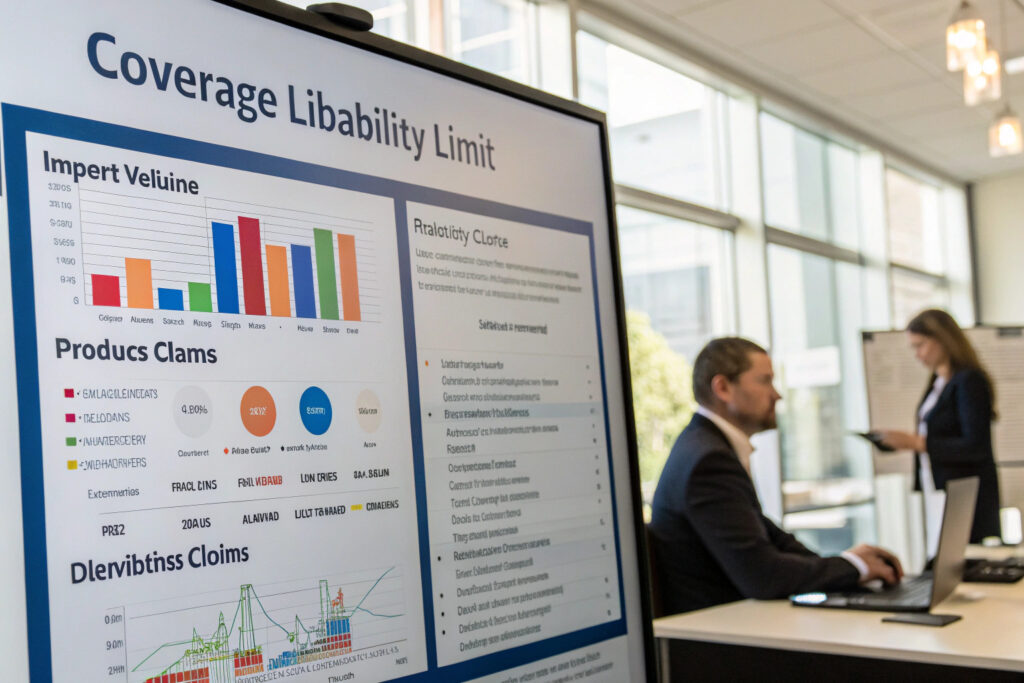
Coverage limits should reflect both the volume of masks imported and the potential severity of claims.
What factors determine appropriate coverage limits?
Annual import volume, distribution channels, and claim history primarily determine appropriate coverage limits. Importers moving 500,000+ masks annually typically need $2-5 million in coverage, while those importing millions of masks may require $5-10 million. The distribution method also impacts risk—B2B sales to corporations generally carry lower risk than direct-to-consumer sales where individual claims are more likely. Our risk assessment model recommends minimum $2 million occurrence limits for importers with annual revenues under $5 million.
Clean claims history and standardized products typically secure 25-40% lower premiums compared to importers with prior claims or those marketing masks with therapeutic claims. Basic fabric masks without medical claims generally attract the most favorable rates, while masks with antimicrobial or filtration claims face higher scrutiny and premiums. Our insurance partners offer 15% premium discounts for importers who maintain third-party testing documentation for all product claims.
What Policy Exclusions Require Special Attention?
Standard policy exclusions often need specific negotiation for mask importers to avoid coverage gaps.
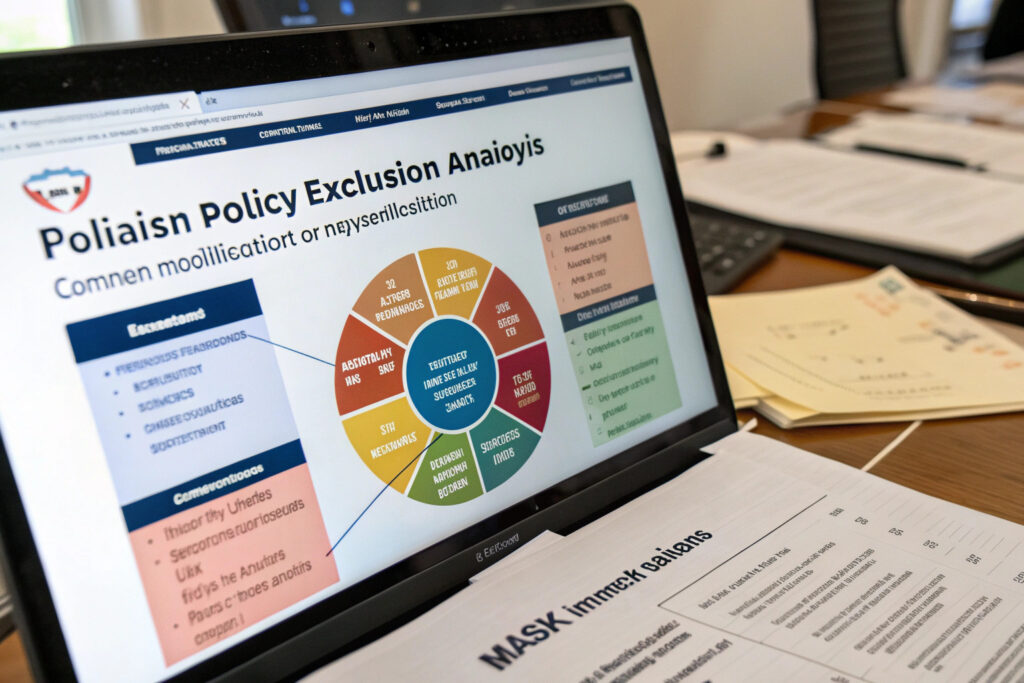
COVID-19 and pandemic exclusions became common in many policies after 2020 but can often be negotiated for removal or limitation with proper risk documentation. The most favorable policies exclude only specific virus transmission claims rather than all claims related to pandemic products. Our insurance partners offer policies that exclude only direct virus transmission claims while maintaining coverage for product defect, material safety, and false claim allegations.
What about professional liability exposures?
Liability from protection claims represents a significant exposure that may fall between traditional product and professional liability. Claims that masks failed to provide promised protection levels might trigger both product liability (defective product) and professional liability (failed advice) issues. Our recommended policies include specific wording that covers protection claims provided they're supported by third-party testing documentation.
What Risk Mitigation Measures Lower Premiums?
Insurance carriers offer significant premium advantages for importers who implement robust risk management protocols.
How does third-party testing impact insurance costs?
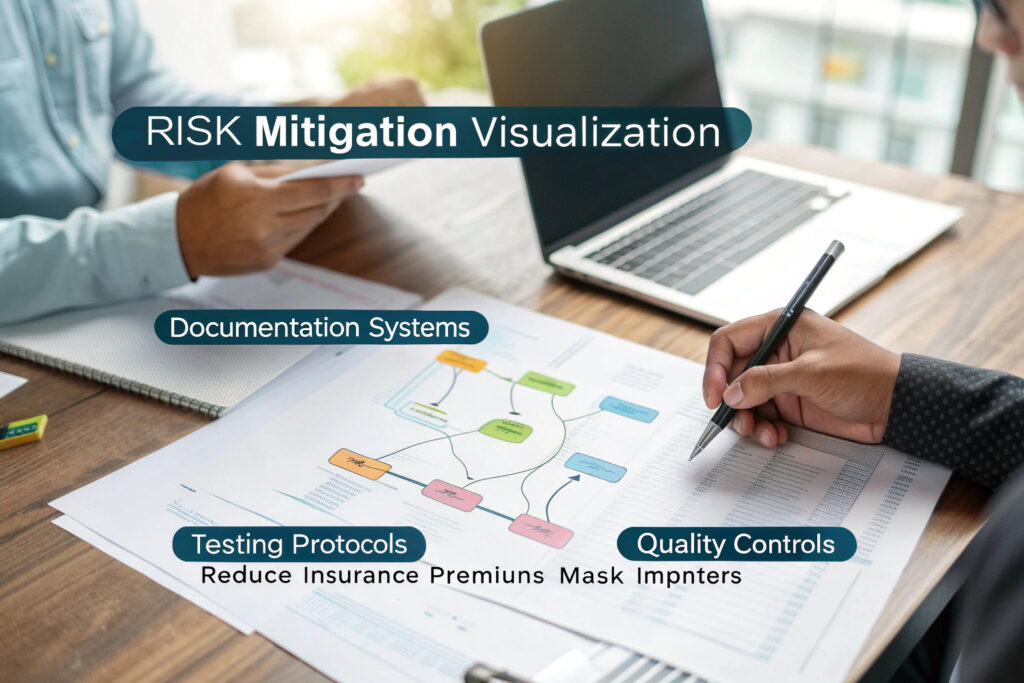
Comprehensive testing documentation from accredited laboratories typically reduces premiums by 15-25% by demonstrating due diligence in product safety. Testing should include material safety (OEKO-TEX®), filtration efficiency (where claimed), and flammability (particularly important for children's masks). Our clients who maintain complete testing documentation secure insurance at 35% lower rates than those with incomplete documentation.
What role does supply chain verification play?
Manufacturer qualification and monitoring significantly impacts insurance availability and cost. Importers who conduct factory audits, maintain material traceability, and verify manufacturer insurance coverage typically secure better terms. Our risk management protocol includes annual manufacturer audits and requires suppliers to maintain minimum $1 million in product liability coverage, which has helped clients secure coverage with 20% lower deductibles.
What Are the Cost Structures for Mask Importer PI Insurance?
Understanding premium drivers helps importers budget appropriately and negotiate favorable terms.
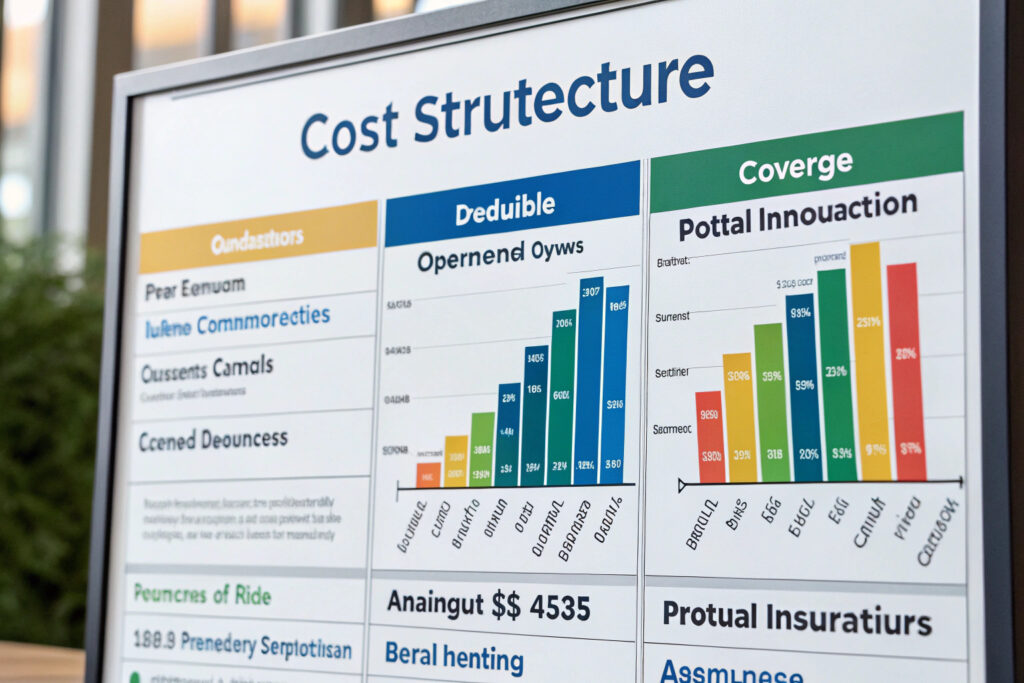
Annual premiums typically range from 0.8-2.5% of mask cost depending on coverage limits, claims history, and risk management practices. For an importer with $1 million in annual mask sales, this translates to $8,000-25,000 annually for $2 million in coverage. Importers with strong risk management programs typically pay at the lower end of this range. Our benchmarking shows that premiums have stabilized at approximately 1.2% of product cost for importers with comprehensive risk management.
How do deductible structures work?
Per-claim deductibles typically range from $5,000-25,000 depending on the importer's risk tolerance and financial capacity. Higher deductibles (15,000-25,000) typically reduce premiums by 20-30% but require the importer to absorb more risk. Our analysis suggests that most mask importers optimally select deductibles representing 0.5-1% of their annual revenue from mask sales.
What Specialized Policies Address Unique Mask Risks?
Several insurance products have emerged specifically for pandemic-related product importers.
What are regulatory warranty policies?
Regulatory compliance insurance specifically covers costs associated with product recalls, mandatory testing, and regulatory defense related to mask specifications and claims. This specialized coverage has become increasingly valuable as regulatory standards for masks continue evolving. Our partners offer these policies with limits up to $1 million specifically for mask importers.
How do recall insurance policies work?
Product recall coverage reimburses the costs of communicating and executing a product recall, including customer notification, return shipping, and replacement product costs. For mask importers, this coverage is particularly valuable given the high volume and rapid distribution typical in the industry. Recall coverage typically costs 15-30% of the base product liability premium but can prevent catastrophic losses in the event of quality issues.
Conclusion
The best PI insurance options for mask importers combine robust occurrence-form coverage with specific enhancements for regulatory defense, supply chain liability, and claims related to protection efficacy. Coverage should be tailored to import volume, distribution channels, and specific product claims, with careful attention to exclusions that might create coverage gaps for mask-specific risks.
Importers who implement strong risk management practices—including third-party testing, supply chain verification, and clear marketing claims—typically secure better coverage terms and lower premiums. The insurance market for mask importers has matured significantly since 2020, with more carriers now offering tailored solutions that recognize the unique characteristics of fabric mask products.
Ready to discuss PI insurance options specifically designed for mask importers? Contact our Business Director, Elaine, at elaine@fumaoclothing.com to connect with our insurance partners who specialize in coverage for textile and protective product importers. We'll help you identify appropriate coverage levels and risk management strategies that protect your business while managing insurance costs.