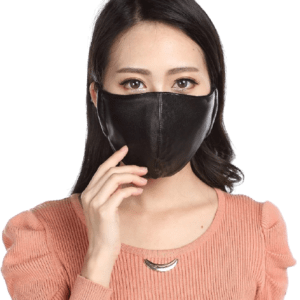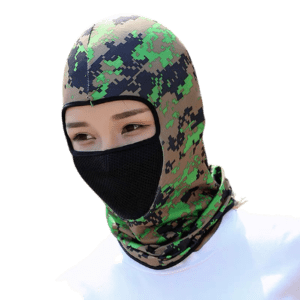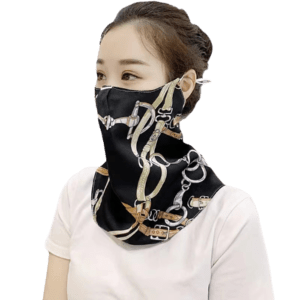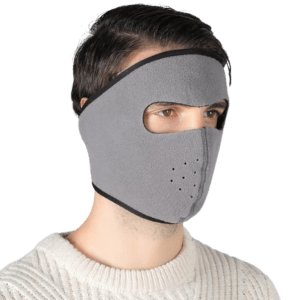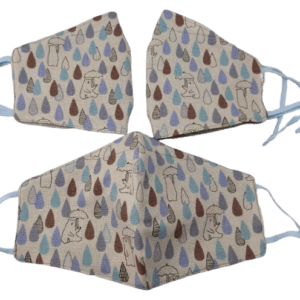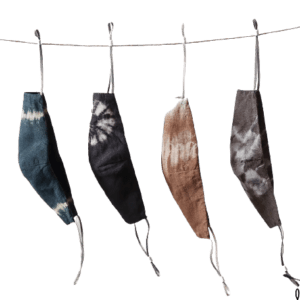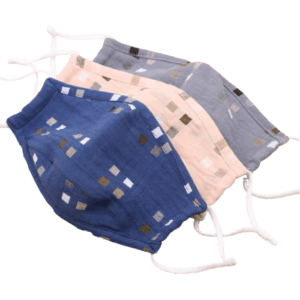
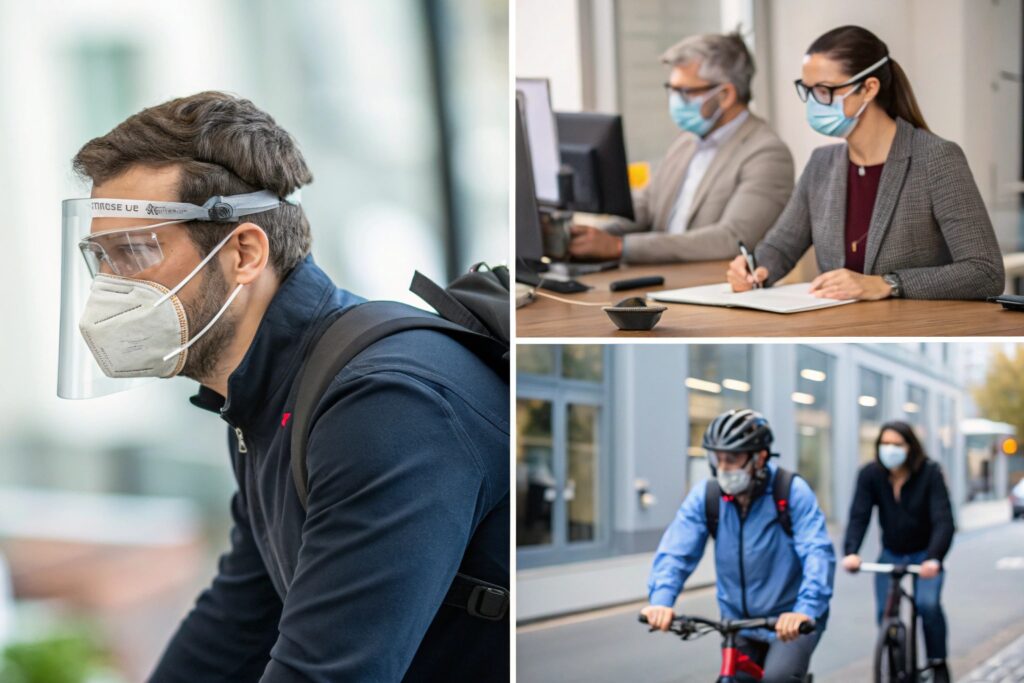
For the millions of people who wear glasses daily, traditional fabric masks pose a common problem: foggy lenses. This issue not only causes discomfort but also reduces compliance and user satisfaction—especially in schools, workplaces, or cold climates.
Sourcing the right anti-fog fabric masks involves selecting optimal nose designs, tested breathability, and materials that prevent moisture buildup under lenses. These specialized masks are now in high demand across Europe, North America, and Japan.
At ChinaClothMask, we’ve supported bulk anti-fog mask development for global clients by integrating ergonomic design, breathable layers, and certified QC processes. This article explores best practices you should follow to source the most effective anti-fog masks.
Why Does Fog Happen and How Can Mask Design Prevent It?
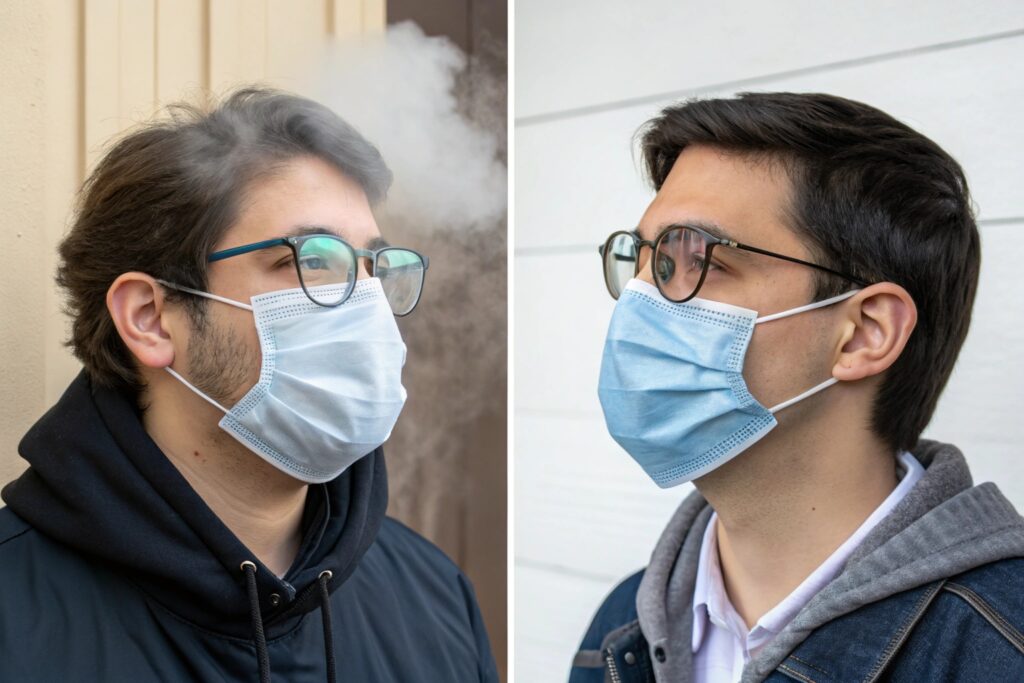
When warm air escapes from the top edge of the mask, it hits cooler lenses and condenses into fog. Without a proper seal, even high-quality materials can’t prevent this.
The best anti-fog fabric masks incorporate a flexible nose bridge, curved upper contour, and moisture-absorbing inner layers. These features redirect exhaled air away from the lenses and absorb moisture before it escapes.
What Types of Nose Wires Work Best?
We recommend double-core aluminum strips or flat galvanized iron inserts with foam backing for comfort. They retain shape and adjust easily to any nose profile.
Is Fit or Material More Important?
Fit always comes first. Even the most breathable mask will fog glasses if it gaps at the bridge. That’s why we offer 3D molded masks with built-in shaping seams for a better upper seal.
What Fabric Combinations Reduce Moisture Build-Up?
Mask interiors should wick moisture and dry quickly. Some materials absorb too much water and stay damp, which adds to discomfort and increases fog risk.
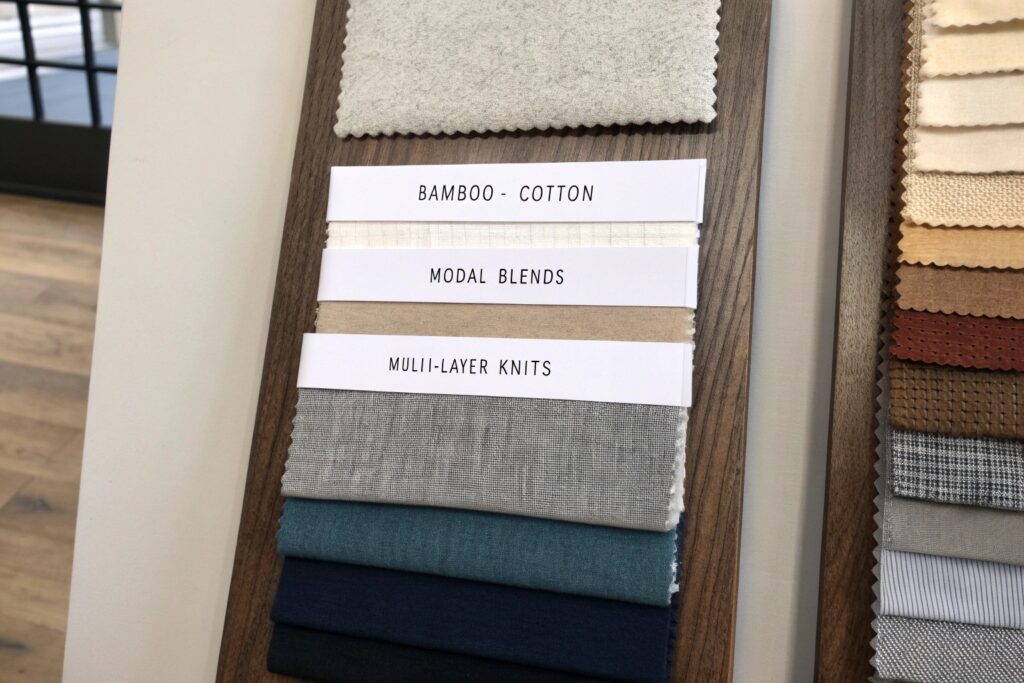
The best-performing anti-fog fabric masks use bamboo, modal, or cotton-modal blends with a water-absorbent interior and a breathable middle filter layer.
Which Fabrics Are Most Common in Anti-Fog Models?
Our top sellers use bamboo jersey inner layers paired with cotton outers. We also use moisture-wicking performance knits for sports brands needing anti-fog properties in activewear masks.
What’s the Role of Layer Count?
3-layer masks tend to perform better for anti-fog purposes. The extra layer redirects airflow and filters moisture better than typical 2-layer versions. However, breathability testing is key—ASTM F3502 guidelines help balance both.
How Can You Test Anti-Fog Performance Before Bulk Production?
Sourcing anti-fog masks shouldn’t be a guessing game. Testing before you commit to production helps ensure you get the right balance of form and function.
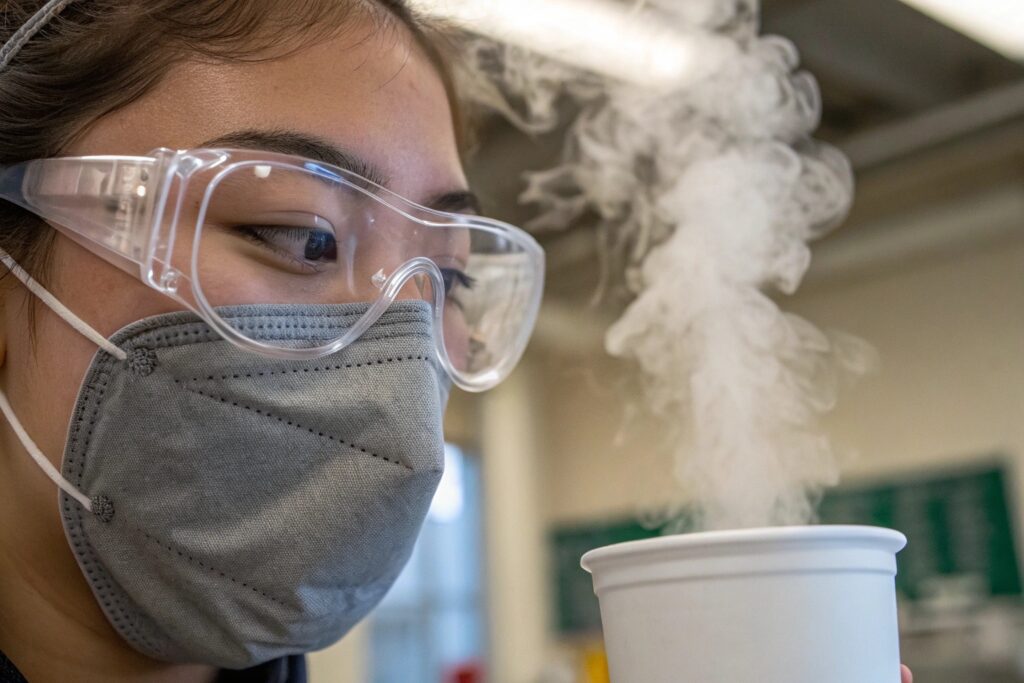
We recommend conducting a fog simulation test using heated breath or vapor near clear lenses under controlled conditions. Record condensation time and clarity retention.
Are There Lab Standards for Anti-Fog Masks?
There are no global anti-fog mask certifications yet, but lab tests follow ASTM breathability standards and simulate fogging using mannequins and airflow meters. We offer internal testing reports with every prototype.
Can You Request Pre-Production Proofs?
Yes. At ChinaClothMask, we offer free anti-fog sample packs for buyers placing 2,000+ piece inquiries. These include testing videos, moisture data, and recommended fabric specs.
What Custom Options Are Available for Anti-Fog Masks?
For corporate buyers or promotional campaigns, adding customizations while maintaining anti-fog functionality is key. Many assume added features compromise effectiveness—but that doesn’t have to be the case.
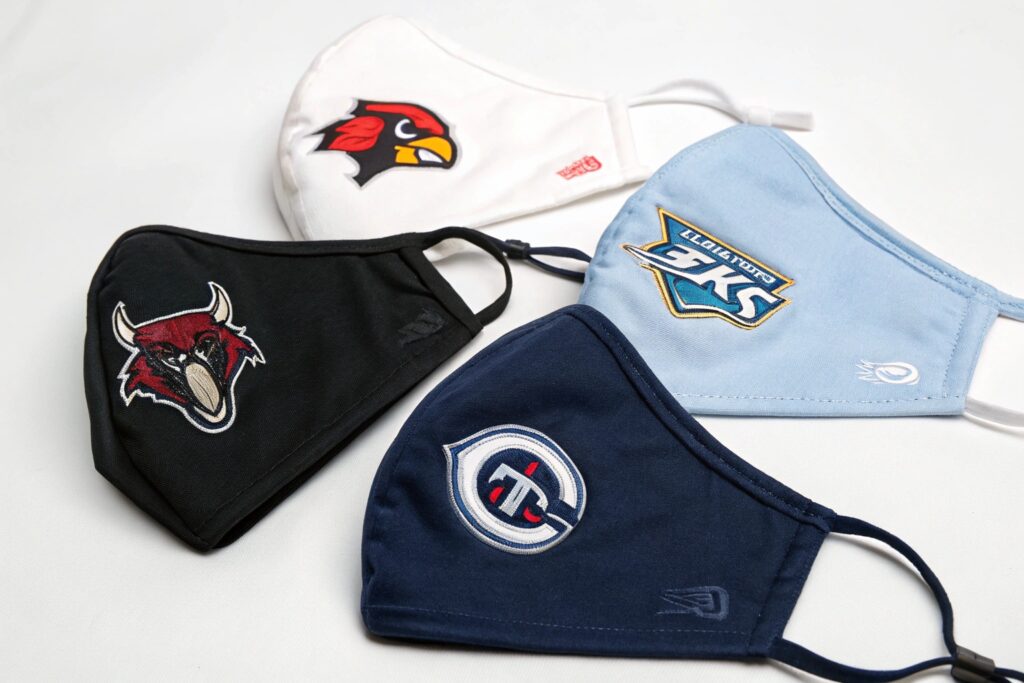
You can add adjustable ear loops, printed logos, color-coded sizing, and even filter pockets without sacrificing anti-fog performance—if the base design is correct.
Which Features Are Compatible?
Features like adjustable toggles, stitched-in nose pads, and 3D shaping are popular. We avoid plastic grommets or metal vents, which interfere with the seal and airflow.
What’s the MOQ and Lead Time?
For anti-fog designs, our MOQ starts at 1,000 pcs. Lead times range from 12–20 days depending on nose bridge material and custom branding. We keep common materials stocked to support rapid reorder cycles.
Conclusion
For glasses wearers, anti-fog fabric masks aren’t a luxury—they’re a necessity. Whether you’re sourcing for employees, resellers, or institutions, the right design can boost comfort, compliance, and customer satisfaction. Focus on fit-first patterns, breathable fabrics, and reliable testing. At ChinaClothMask, we help you prototype, test, and deliver high-quality anti-fog masks globally—so your customers stay fog-free, all day long.