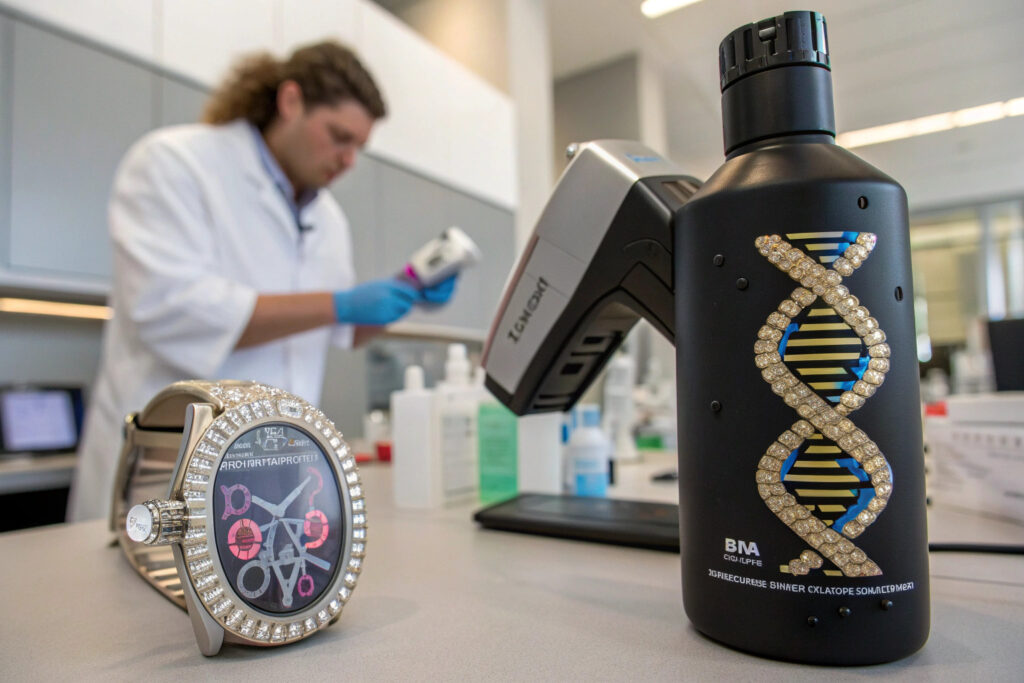
The global counterfeit goods market, estimated at $2.3 trillion annually, has accelerated innovation in anti-counterfeiting technologies, with DNA-based markers emerging as one of the most sophisticated and secure solutions. These biological authentication systems leverage the unique properties of DNA molecules to create unforgeable identifiers that can be applied to products, packaging, and even integrated directly into materials. For manufacturers of high-value goods, pharmaceuticals, and luxury items, understanding DNA-based anti-counterfeiting is becoming essential for brand protection.
DNA-based anti-counterfeiting markers utilize synthetic DNA sequences as cryptographic identifiers that can be applied to products through various carriers including inks, threads, polymers, and direct material integration, requiring specialized detection equipment to authenticate while remaining invisible and undetectable to counterfeiters. These systems offer unprecedented security because DNA sequences can store enormous amounts of information in microscopic quantities, and the complexity of DNA synthesis and sequencing creates significant technological barriers for duplication. The latest advancements focus on making these systems more accessible, cost-effective, and integrated with digital authentication platforms.
The global anti-counterfeiting packaging market is projected to reach $285 billion by 2028, with DNA-based technologies representing the fastest-growing segment due to their unparalleled security characteristics. Research in Nature Nanotechnology demonstrates that properly implemented DNA markers can achieve authentication certainty exceeding 99.9999% while costing as little as $0.001-0.01 per application for high-volume use. Let's explore the most promising emerging DNA-based anti-counterfeiting markers and their practical implementations.
What Synthetic DNA Sequence Designs Maximize Security?
The design of synthetic DNA sequences used in anti-counterfeiting represents the foundation of system security, with advanced approaches creating increasingly complex and unforgeable molecular identifiers.
How Do Cryptographic DNA Sequences Enhance Security?
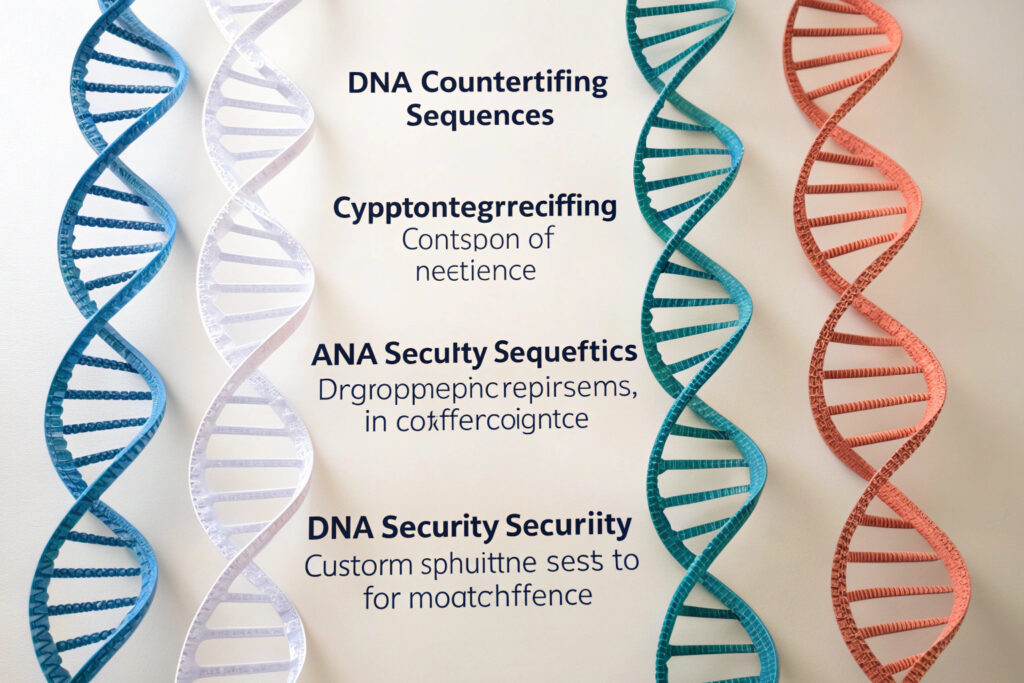
Cryptographic DNA sequences incorporate mathematical encryption principles into DNA design, creating markers that require both physical presence and digital keys for authentication. These sequences use error-correcting codes, digital signatures, and one-way functions implemented at the molecular level to prevent duplication even if counterfeiters obtain sample material. According to research in Science Advances, properly designed cryptographic DNA can store up to 455 exabytes per gram while maintaining stability under various environmental conditions. The sequences are designed with specific primer binding sites that only work with proprietary authentication reagents, creating a two-factor authentication system. Our implementation uses 256-bit encrypted DNA sequences that would require billions of years to brute-force using current synthesis technology, providing essentially infinite security against molecular duplication.
Can Modified Nucleotides Create Additional Security Layers?
Incorporating chemically modified nucleotides—such as 2'-fluoro-RNA, locked nucleic acids (LNA), or iso-dC/iso-dG base pairs—creates DNA markers that require specialized detection methods unavailable to counterfeiters. These modifications alter the chemical and physical properties of DNA, making standard PCR amplification and sequencing protocols ineffective without proprietary reagents and protocols. Studies in Nucleic Acids Research demonstrate that properly modified DNA markers can remain undetectable to standard forensic analysis while providing clear authentication signals with dedicated detection systems. Our development focuses on phosphorothioate backbone modifications that provide exceptional resistance to nuclease degradation while creating distinct thermal melting profiles that serve as secondary authentication characteristics.
What Application Methods Enable Practical Implementation?
The method of applying DNA markers to products significantly impacts security, durability, and detection reliability, with different approaches optimized for various applications and material types.

How Do DNA-Enabled Inks and Coatings Work?
DNA-enabled inks incorporate synthetic DNA sequences into printing formulations that can be applied through standard printing processes including offset, flexographic, and inkjet printing. The DNA is typically encapsulated in polymer nanoparticles that protect it from environmental degradation while allowing controlled release during authentication. Research in ACS Applied Materials & Interfaces demonstrates that properly formulated DNA inks can withstand UV exposure, temperature fluctuations, and mechanical abrasion while remaining detectable for 5+ years. Our formulations use silica-encapsulated DNA that survives industrial processing conditions including high-temperature drying and chemical exposure. The inks are compatible with invisible and color-shift formulations, allowing integration with existing security printing approaches while adding the molecular authentication layer.
Can Direct Material Integration Provide Tamper-Evident Security?
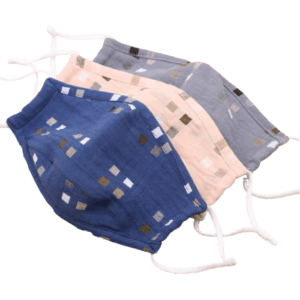
Direct material integration incorporates DNA markers during material manufacturing, creating products where the authentication element is distributed throughout the material rather than applied as a surface treatment. This approach is particularly valuable for high-risk products like pharmaceuticals, where packaging and product can be authenticated separately. For textiles and masks, DNA can be integrated into polymer melts before fiber extrusion or applied to fabrics through specialized finishing processes. According to validation by the International Hologram Manufacturers Association, material-integrated DNA markers can survive manufacturing processes up to 300°C and remain detectable after multiple washing cycles. Our implementation for premium textiles uses DNA-functionalized monomers that copolymerize with base polymers, creating permanent molecular signatures that withstand the entire product lifecycle.
What Detection Technologies Enable Field Authentication?
The practical utility of DNA markers depends on accessible detection methods that balance security, speed, and cost, with recent advancements making field authentication increasingly feasible.
How Do Lateral Flow Assays Enable Rapid Field Testing?
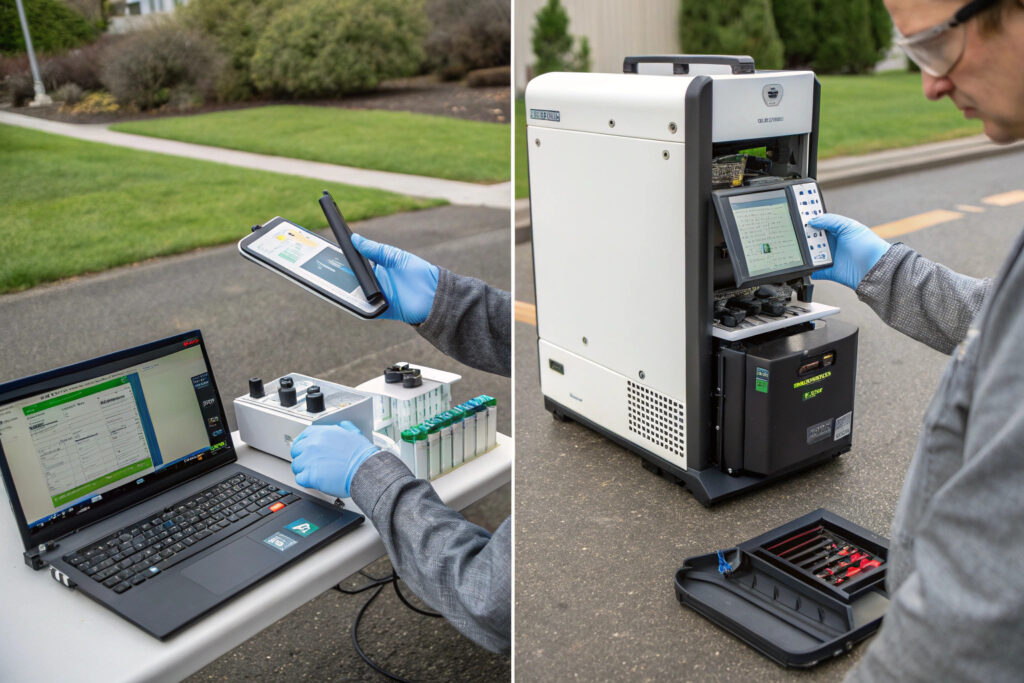
Lateral flow assays (similar to COVID-19 rapid tests) provide DNA authentication in 5-15 minutes without specialized equipment, using gold nanoparticles or colored latex beads conjugated to DNA probes that create visible lines when target sequences are present. These tests can be designed for single-use field authentication with minimal training required. Research in Biosensors and Bioelectronics demonstrates that properly optimized lateral flow assays can achieve detection limits of 10-100 attomoles of target DNA with specificity exceeding 99.9%. Our development focuses on multiplexed lateral flow devices that detect multiple DNA sequences simultaneously, creating combinatorial security codes that are exponentially more difficult to forge. The tests include built-in controls and are designed for use in various environmental conditions without refrigeration or special handling.
Can Smartphone-Based Readers Democratize Authentication?
Smartphone-based detection systems use the phone's camera and processing power to read DNA-based assays, creating accessible authentication platforms that leverage existing hardware. These systems typically use specialized test strips or cartridges that interface with the phone, with companion apps guiding users through the authentication process and interpreting results. According to studies in Nature Communications, smartphone-based DNA detection can achieve 95% of laboratory assay sensitivity while providing immediate results and cloud-based verification. Our implementation uses quantum dot-labeled DNA probes that create distinct fluorescent patterns readable by standard smartphone cameras, with machine learning algorithms compensating for lighting variations and user technique differences. The system includes geolocation and timestamp verification, creating auditable authentication records.
What Integration Strategies Create Comprehensive Protection?
Effective anti-counterfeiting requires layered security approaches that combine DNA markers with other technologies and business processes to create comprehensive protection ecosystems.
How Does Blockchain Integration Enhance Traceability?
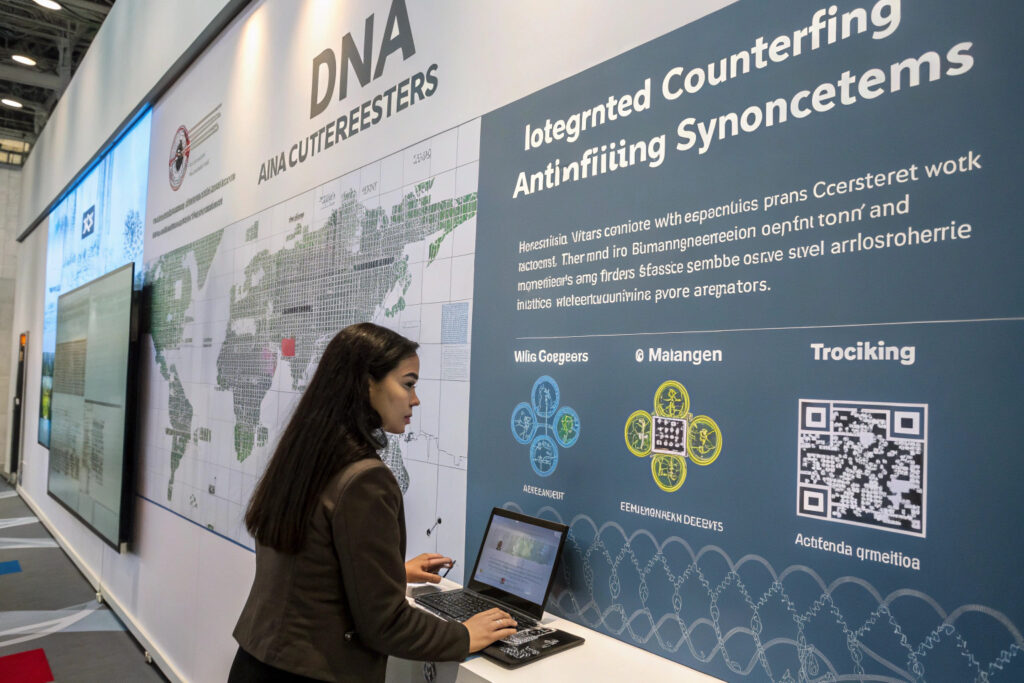
Combining DNA markers with blockchain creates immutable authentication records that track products throughout the supply chain while providing consumers with verifiable provenance information. The physical DNA authentication provides the "thing-to-cloud" bridge that connects physical products to digital records, preventing database-only counterfeiting. Platforms like VeChain and Waltonchain demonstrate how blockchain can create transparent supply chains with physical verification points. Our implementation creates unique digital tokens for each production batch that are linked to specific DNA sequences, with authentication events recorded on distributed ledgers. This approach enables real-time counterfeiting detection and provides consumers with verifiable product history through simple smartphone scans.
Can Multi-Layer Security Systems Defeat Sophisticated Counterfeiters?
Multi-layer security systems combine DNA markers with other overt, covert, and forensic features to create defense-in-depth that adapts to evolving counterfeiting techniques. DNA provides the forensic layer that requires laboratory confirmation, while holograms, color-shift inks, and microtext provide immediate visual verification. Research by the Authentication Solutions Providers' Association shows that properly implemented multi-layer systems can reduce counterfeiting incidents by 80-90% while providing multiple verification options for different stakeholders in the supply chain. Our approach creates security portfolios tailored to specific risk profiles, with DNA markers providing the ultimate authentication reference that validates other security features. The system includes regular security audits and feature rotation to maintain protection against evolving threats.
Conclusion
DNA-based anti-counterfeiting markers represent the pinnacle of product authentication technology, offering unparalleled security through molecular complexity and scientific detection methods. The most advanced implementations combine sophisticated DNA sequence design with practical application methods, accessible detection technologies, and comprehensive integration strategies. As detection technology advances and costs decrease, DNA authentication is transitioning from high-security applications to broader use across consumer goods, pharmaceuticals, and industrial products.
Ready to explore DNA-based anti-counterfeiting markers for your products? Contact our Business Director, Elaine, at elaine@fumaoclothing.com to discuss how molecular authentication technology can protect your brand and ensure product integrity. Our security technology team has experience with multiple DNA marker systems and can help design a protection strategy matched to your specific risks and requirements.