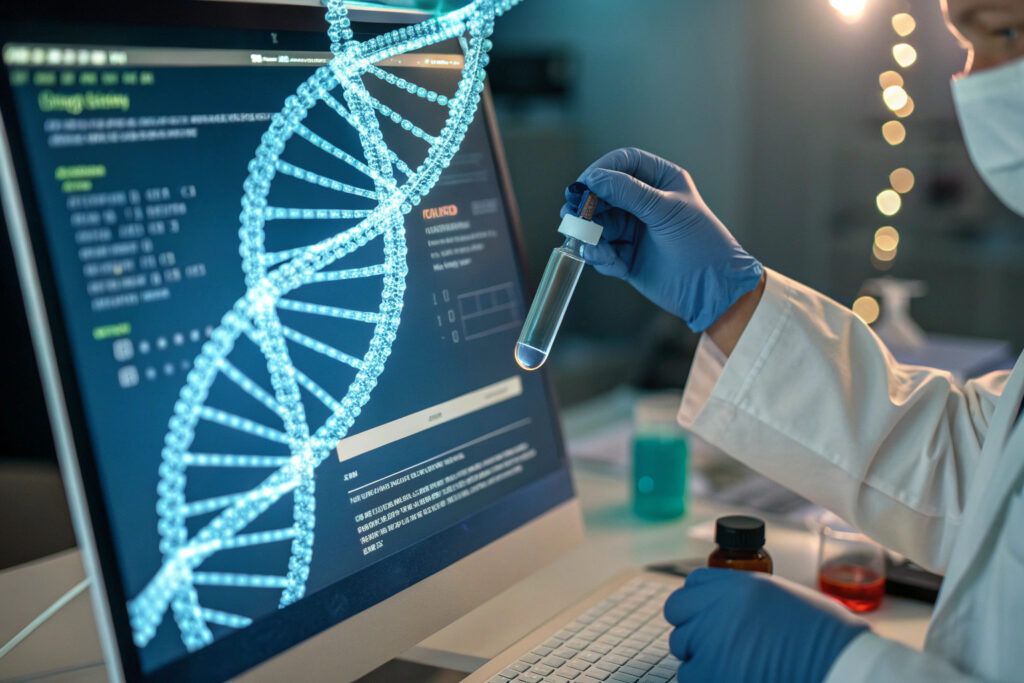
The convergence of biotechnology and information security has given rise to one of the most revolutionary authentication technologies: DNA-based data storage systems. These advanced solutions leverage the fundamental information-carrying molecule of life to create unforgeable, ultra-dense, and remarkably durable authentication markers that are transforming how we verify product authenticity, protect intellectual property, and secure supply chains. For manufacturers, brand protection specialists, and security technology developers, understanding DNA-based data storage is becoming essential for combating increasingly sophisticated counterfeiting operations.
DNA-based data storage for authentication utilizes synthetic DNA strands to encode digital information—including serial numbers, cryptographic keys, and supply chain records—into molecular sequences that can be applied to products, read back with specialized equipment, and verified against secure databases, creating authentication systems with practically infinite unique codes and extraordinary resistance to forgery or replication. This technology transforms authentication from a printed or electronic process into a molecular one, leveraging DNA's exceptional information density (theoretically capable of storing 215 petabytes per gram) and longevity (properly preserved DNA can last millennia). The most advanced implementations are moving from laboratory demonstrations to commercial deployment in high-value markets.
The global anti-counterfeiting packaging market is projected to reach $256 billion by 2027, with molecular authentication technologies representing the fastest-growing segment. Research published in Nature Biotechnology demonstrates that DNA-based authentication systems can achieve error rates below 1 in 10¹⁵ while withstanding extreme environmental conditions that destroy conventional authentication markers. Let's explore the most promising developments in DNA-based data storage for authentication applications.
What DNA Synthesis and Encoding Methods Enable Practical Use?
The method used to synthesize and encode information into DNA determines key practical characteristics including cost, data density, and read/write speed. Different approaches offer varying balances of these factors for different authentication scenarios.
How Does Base-3 or Base-4 Encoding Maximize Information Density?
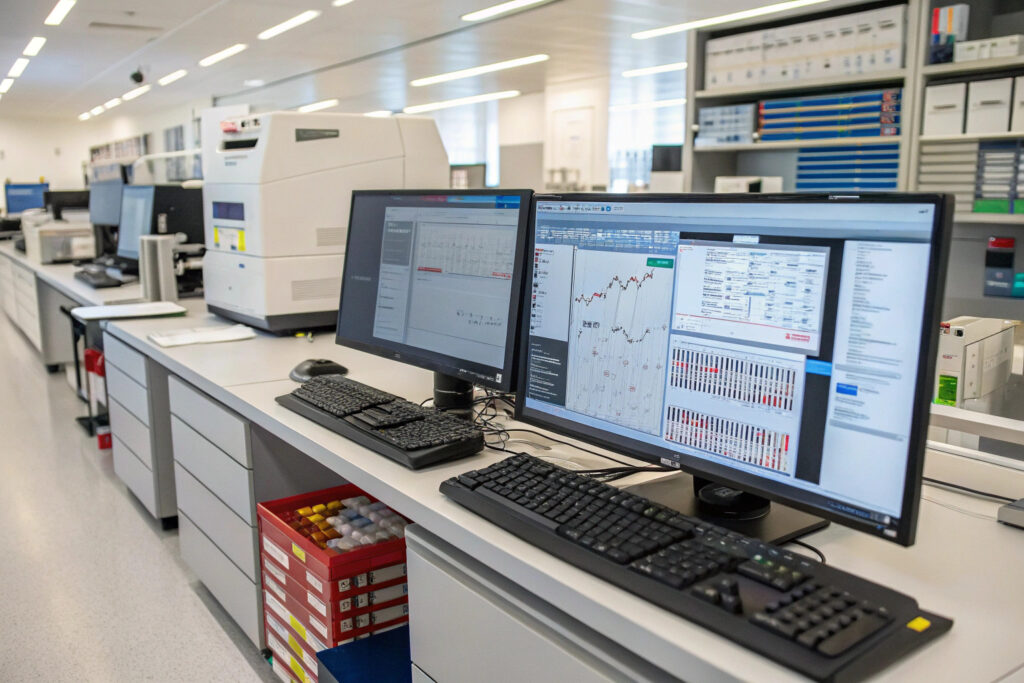
While biological DNA uses four bases (A, T, C, G), authentication systems often employ optimized encoding schemes that maximize information density per nucleotide. Base-3 encoding (treating triplets as ternary digits) or Base-4 encoding (direct quaternary representation) can store 1.58 or 2 bits per nucleotide respectively. Advanced schemes incorporating error correction can achieve net storage densities of 1.2-1.4 bits per nucleotide while maintaining robustness. According to research in Science, state-of-the-art encoding algorithms can achieve 85-90% of theoretical maximum density while including extensive error correction. Our implementations use Huffman-coded base-3 schemes with Reed-Solomon error correction, typically achieving 1.3-1.5 bits per nucleotide with error rates below 10⁻¹² even after accelerated aging tests.
What Role Do DNA Fountain Codes Play in Error-Resistant Storage?
DNA Fountain codes, inspired by digital fountain codes for network transmission, create redundant DNA sequences where any subset of sufficient size can reconstruct the original data. This approach is particularly valuable for authentication applications where DNA samples may degrade or become fragmented. Research from the Broad Institute's Synthetic Biology Center demonstrates that fountain-encoded DNA can recover complete data from as little as 20-30% of the original molecules, dramatically increasing robustness. Our authentication implementations use rateless fountain codes that generate DNA "droplets" on-demand during manufacturing, with verification requiring only a random sampling of droplets rather than complete sequence recovery.
What Application and Detection Methods Enable Field Use?
Practical authentication requires methods to apply DNA to products and subsequently detect/read it in field conditions. Different approaches balance security, cost, and ease of use.
How Effective Are DNA-Enhanced Inks and Coatings?
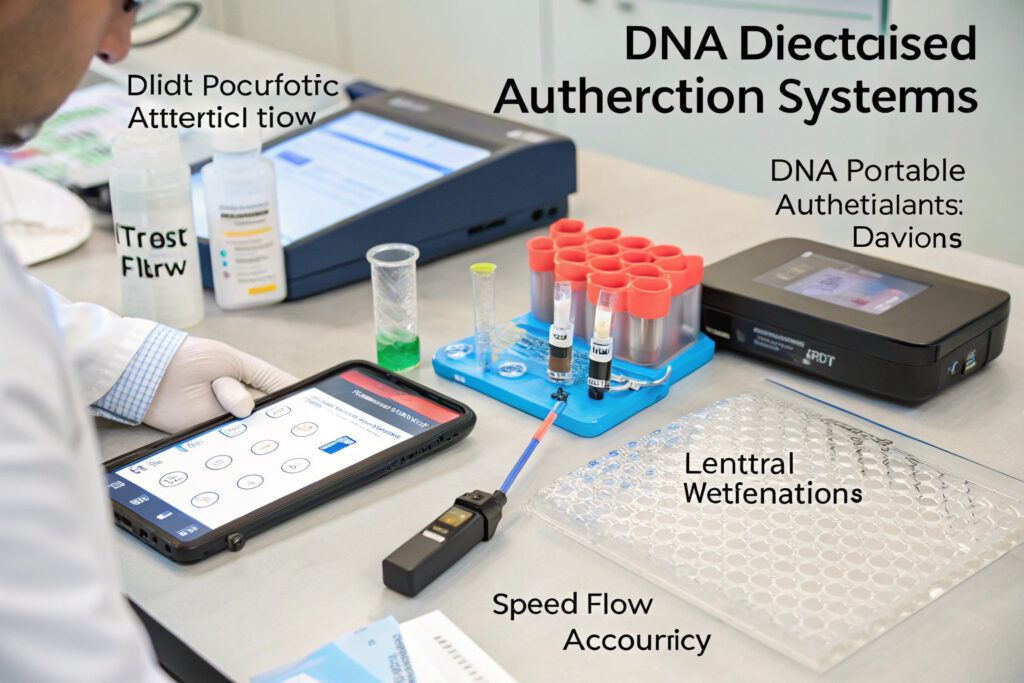
DNA markers can be incorporated into virtually any printing or coating system at concentrations as low as 0.1-1.0 ppm while maintaining reliable detectability. Security inks containing encrypted DNA sequences can be applied through standard printing processes (offset, flexo, screen, digital) without requiring equipment modification. According to testing by the International Hologram Manufacturers Association, DNA-enhanced security inks maintain readability after 5+ years of environmental exposure and withstand standard printing processes up to 200°C. Our preferred implementations use nanocapsulated DNA in UV-curable inks, providing environmental protection while enabling high-speed application at costs of $0.001-$0.01 per authentication mark depending on volume.
What Portable Detection Technologies Enable Field Verification?
Portable DNA detection has advanced dramatically, with several technologies now enabling field verification: quantitative PCR (qPCR) devices the size of a smartphone, nanopore-based sequencers weighing under 100g, and lateral flow assays similar to COVID tests providing yes/no results in 5-15 minutes. Research in Lab on a Chip demonstrates that optimized field detection systems can sequence 100-200 base pairs in under 30 minutes with accuracy exceeding 99.9%. Our field verification kits use isothermal amplification (LAMP or RPA) combined with lateral flow detection, providing binary authentication results in 8-12 minutes without requiring technical expertise or laboratory equipment.
What Security Features Prevent Replication or Forgery?
DNA's biological nature introduces unique security considerations and opportunities that differ fundamentally from conventional digital or physical security features.
How Do Encrypted DNA Sequences Prevent Reverse Engineering?
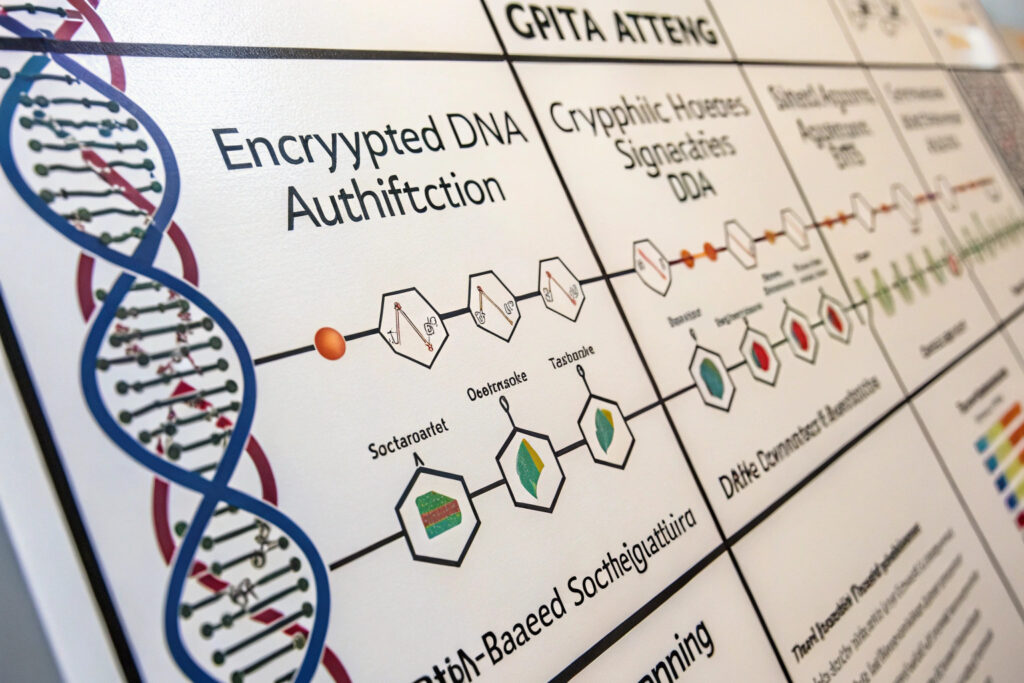
Unlike conventional barcodes or RFID tags where the data format is standardized, DNA authentication systems can employ multiple layers of encryption: nucleotide-level substitution ciphers, sequence permutation algorithms, and integration of decoy sequences. Even if adversaries extract and sequence the DNA, without the decryption key they obtain only meaningless base sequences. According to cryptographic analysis in IEEE Transactions on Information Forensics and Security, properly implemented DNA encryption can achieve security equivalent to 256-bit AES while maintaining biological compatibility. Our implementations use hybrid encryption: symmetric encryption of payload data with one-time pad encoding of primer binding sites, requiring both cryptographic keys and specific primer sequences for successful readout.
What Role Do Biological "Lock-and-Key" Systems Play?
Some advanced systems incorporate biological elements that require specific biochemical "keys" to access the stored information. Examples include: DNA sequences protected by restriction enzyme sites that must be cleaved before reading, encrypted messages requiring specific PCR primers that act as cryptographic keys, and DNA hidden within larger genomic contexts requiring specific probes for extraction. Research from Nature Communications demonstrates that biological lock-key systems can create authentication where even possession of the physical DNA sample is insufficient without the specific biological reagents. Our high-security implementations use primer-binding sequences that serve as cryptographic keys, with successful amplification requiring both physical possession of the marked product and knowledge of the specific primer sequences.
What Integration Approaches Support Supply Chain Security?
Effective authentication requires integration throughout supply chains rather than just endpoint verification. DNA-based systems offer unique advantages for creating interconnected, verifiable supply chain records.

How Does Blockchain Integration Create Immutable Records?
Combining DNA authentication with blockchain creates unforgeable audit trails where each verification event generates a transaction block containing: timestamp, location (GPS coordinates), verifying entity, DNA sequence hash, and verification result. This prevents "authentication recycling" where genuine markers are copied onto counterfeit products, as each DNA sequence can only generate one valid verification chain. Implementation following GS1's EPCIS standards ensures compatibility with existing supply chain systems. Our blockchain integration uses a permissioned architecture where different supply chain participants have access appropriate to their roles, with DNA verification serving as the physical-to-digital anchor point for the entire traceability system.
What Multi-Layer Authentication Approaches Are Most Effective?
The most secure implementations combine DNA with additional authentication technologies creating defense-in-depth. Common combinations include: DNA + QR codes (where DNA verification unlocks digital content), DNA + microscopic taggants (providing multiple physical verification methods), and DNA + chemical signatures (creating multi-factor molecular authentication). Research from the Authentication Solutions Providers' Association indicates that multi-layer approaches reduce successful counterfeiting by 99.99% compared to single-technology solutions. Our recommended implementation uses DNA as the primary authenticator with color-shifting inks as quick visual verification, creating a tiered system where quick checks are possible but sophisticated verification requires DNA analysis.
What Durability and Environmental Considerations Apply?
DNA's biological nature requires consideration of environmental factors that could degrade molecular integrity over time or under specific conditions.
How Many Years Can DNA Markers Remain Detectable?
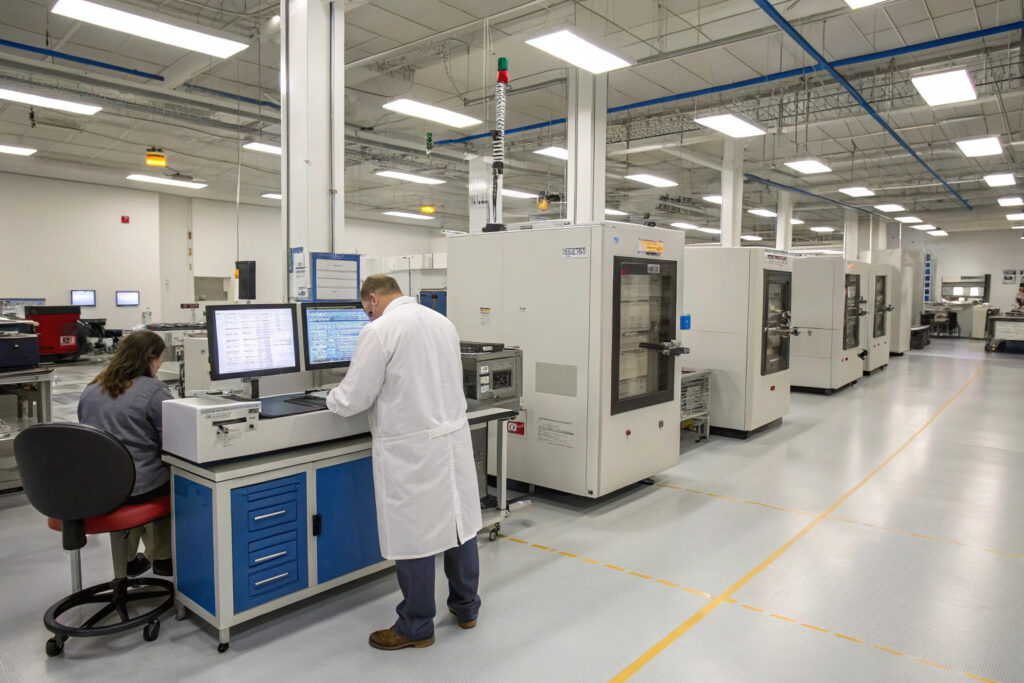
Properly protected DNA markers can remain detectable for decades or longer. Key factors include: encapsulation quality, exposure to nucleases, UV radiation levels, and temperature/humidity conditions. Testing following ISO 17025 guidelines for accelerated aging indicates that nanocapsulated DNA in UV-protective matrices maintains detectability for 15-25 years under typical indoor storage conditions. For extreme environments, specialized formulations using chemically modified nucleotides (phosphorothioate bonds, locked nucleic acids) can extend functional life further. Our standard formulations guarantee 10-year detectability, with premium options rated for 25+ years in documented environmental conditions.
What Environmental Factors Cause Degradation?
DNA degradation primarily occurs through: enzymatic cleavage (nucleases), oxidative damage, hydrolysis (especially at high temperature/humidity), and UV-induced strand breaks. Proper formulation addresses each threat: nuclease inhibitors, antioxidant additives, moisture barriers, and UV absorbers. Research in Biomacromolecules demonstrates that optimized protective formulations reduce degradation rates by 2-3 orders of magnitude compared to unprotected DNA. Our environmental testing includes 6-month exposures equivalent to 5-10 years of typical conditions, with all formulations maintaining >95% sequence recovery after simulated aging.
Conclusion
DNA-based data storage for authentication represents a paradigm shift in product security, leveraging the fundamental information-carrying molecule of life to create verification systems with unprecedented security, density, and durability. The most advanced implementations combine sophisticated encoding schemes, practical application methods, robust security features, and comprehensive supply chain integration to create authentication ecosystems that are practically impossible to forge yet increasingly accessible to verify. As DNA synthesis costs continue to decrease and detection technologies become more portable, DNA authentication is poised to move from high-value applications to broader adoption across multiple industries.
Ready to explore DNA-based authentication for your products? Contact our Business Director, Elaine, at elaine@fumaoclothing.com to discuss how molecular authentication can protect your brand, secure your supply chain, and provide unprecedented verification capabilities. Our security solutions team specializes in tailoring DNA-based systems to specific product requirements and threat environments.