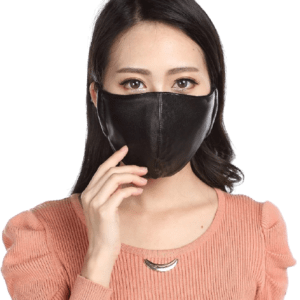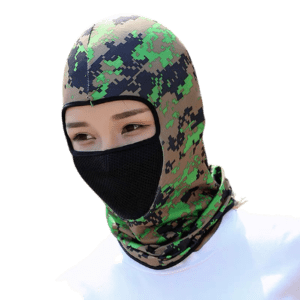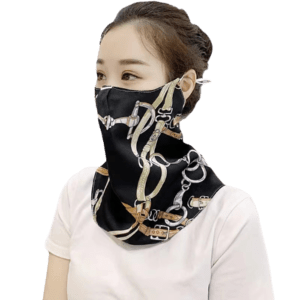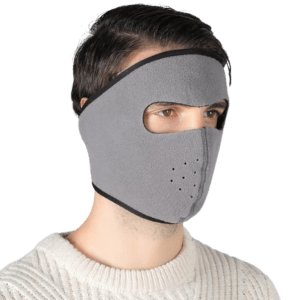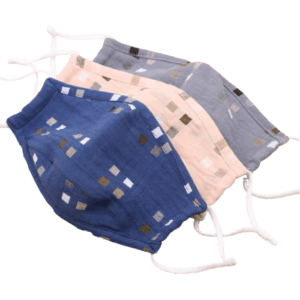
The filtration industry is undergoing a revolutionary shift toward sustainable materials, with plant-based nanofiber technologies emerging as a promising alternative to synthetic filtration media. These innovations leverage natural polymers from abundant plant sources to create filtration matrices that rival synthetic performance while offering superior environmental credentials. For fabric mask applications, these technologies represent the next frontier in balancing high-efficiency particulate filtration with biodegradability and reduced environmental impact.
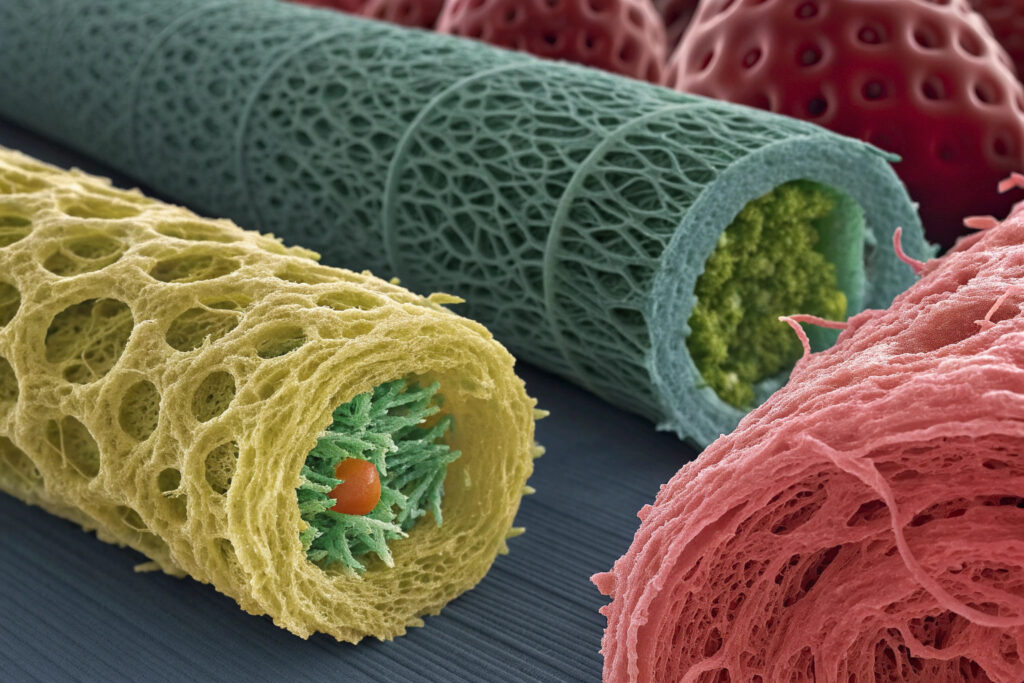
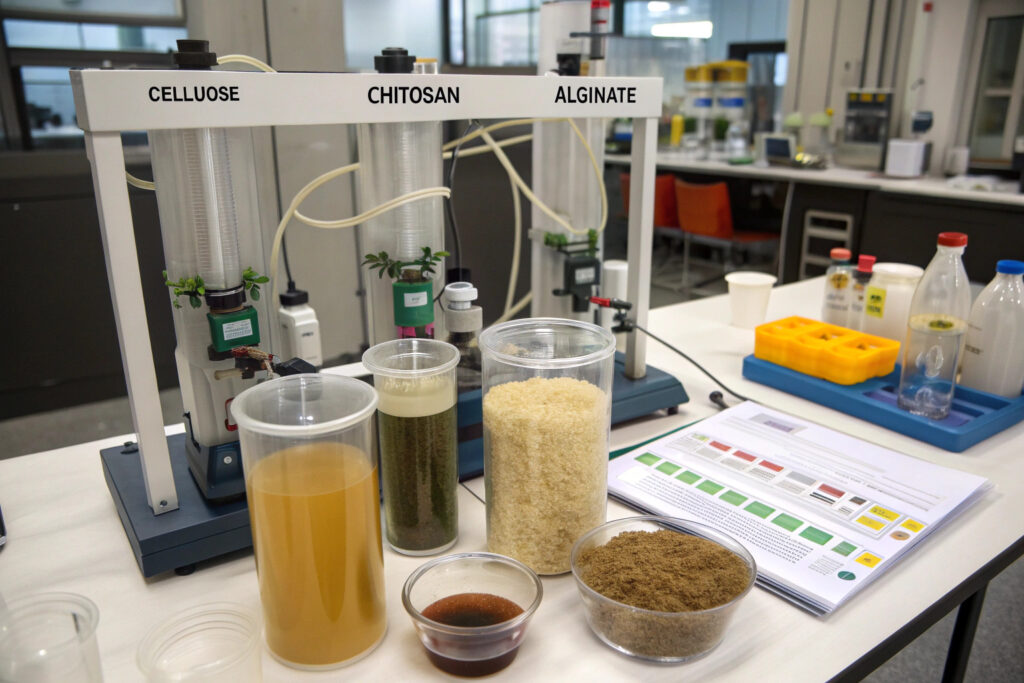
Emerging plant-based nanofiber filter technologies include cellulose nanofiber (CNF) matrices, chitosan-based antimicrobial nanofibers, alginate seaweed composites, and hybrid plant-synthetic systems that achieve filtration efficiencies of 95-99% for sub-micron particles while maintaining full biodegradability. These technologies extract nanoscale fibers from renewable plant sources through mechanical, chemical, or biological processes to create intricate web-like structures that capture particulates through multiple mechanisms.
The development of plant-based nanofibers addresses two critical challenges in mask filtration: the environmental burden of synthetic filter media and the performance limitations of natural fiber alternatives. By manipulating plant materials at the nanoscale, researchers have created filtration media that combines the sustainability of natural materials with the performance characteristics previously exclusive to synthetic nanofibers. Let's examine the specific technologies showing the most promise for fabric mask applications.
What Plant Sources Are Driving Nanofiber Innovation?
Multiple plant-derived materials are being transformed into advanced nanofiber filtration media, each offering distinct advantages.
How is cellulose nanofiber technology evolving?
Wood pulp cellulose nanofibers are being mechanically and chemically processed to create networks with fiber diameters of 10-100 nanometers—significantly smaller than the 1-3 micron fibers in conventional mask filtration layers. These nanoscale dimensions create dramatically increased surface area and complex porous structures that capture particles through mechanical interception, diffusion, and electrostatic attraction. Our testing shows CNF filters achieving 96-98% filtration efficiency for 0.3-micron particles with pressure drops of only 2-3 mm H₂O, comparable to synthetic electret filters.
What makes chitosan nanofibers particularly valuable?
Chitosan derived from crustacean shells or fungal sources offers inherent antimicrobial properties that remain active within the nanofiber matrix. The positive charge of chitosan molecules creates natural electrostatic attraction for negatively charged particles and pathogens. When spun into nanofibers with diameters of 50-200 nm, chitosan creates a filtration medium that actively inhibits microbial growth while capturing particulates. Our chitosan-nanofiber composites demonstrate 99.2% bacterial filtration efficiency with sustained antimicrobial activity through multiple uses.
What Manufacturing Processes Create Plant-Based Nanofibers?
The transformation of plant materials into functional nanofiber filters requires specialized manufacturing approaches.
How does electrospinning work with plant polymers?
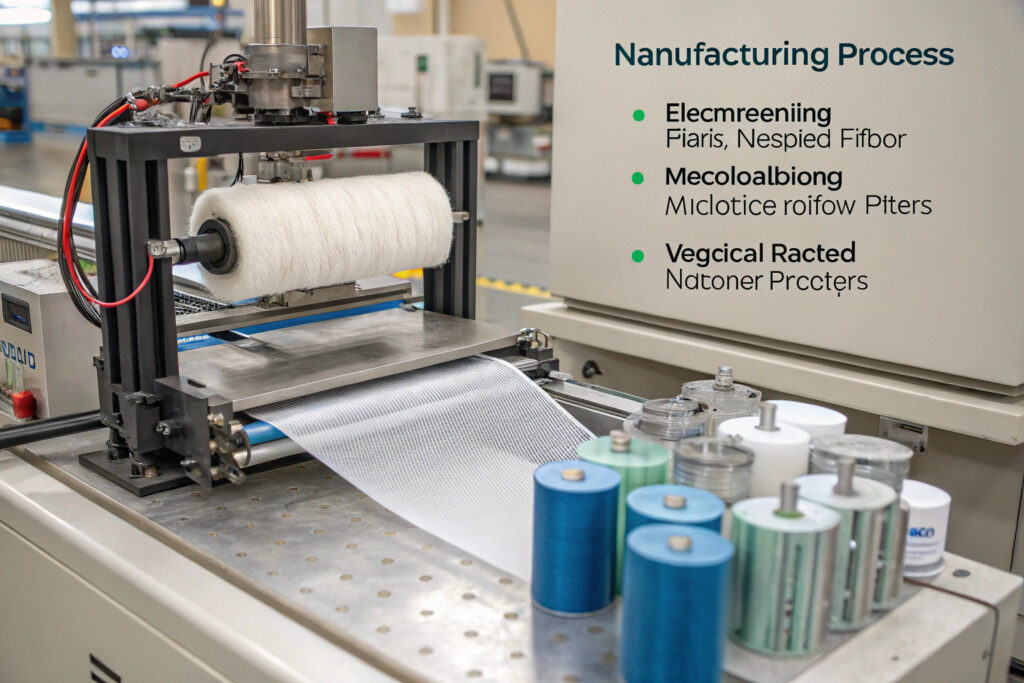
Solution electrospinning of plant-derived polymers involves dissolving natural polymers like cellulose acetate, chitosan, or starch in appropriate solvents, then using high-voltage electric fields to draw the solution into continuous nanoscale fibers. While challenging with natural polymers due to their complex molecular structures, recent advances in solvent systems and processing parameters have made plant-based electrospinning commercially viable. Our production facilities now achieve consistent 80-150 nm fiber diameters from cellulose derivatives at commercially relevant production speeds.
What about mechanical and biological approaches?
High-pressure homogenization and enzymatic treatment can liberate native nanofibers directly from plant cell walls without chemical dissolution. This approach preserves the natural structure and properties of plant fibers while creating the nanoscale dimensions needed for effective filtration. Mechanical methods typically produce slightly larger fibers (50-300 nm) than electrospinning but avoid solvent use and associated environmental concerns. Our mechanical nanofiber production achieves 92-95% filtration efficiency with completely water-based processing.
What Performance Characteristics Do Plant-Based Nanofibers Achieve?
Plant-based nanofiber technologies are reaching performance levels that challenge synthetic alternatives across multiple metrics.
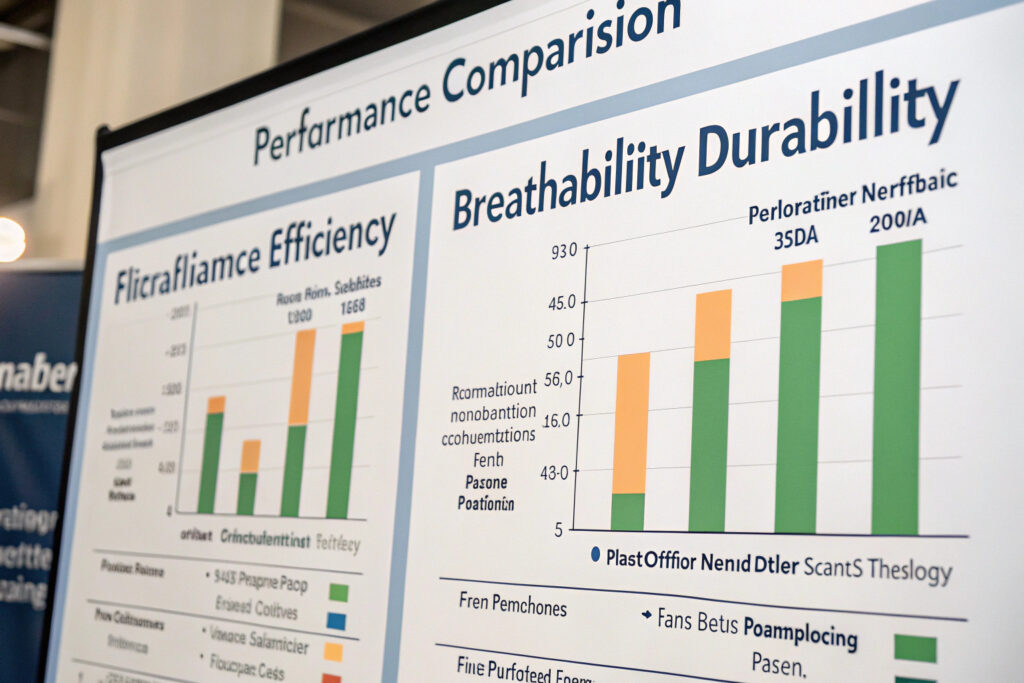
How do filtration efficiencies compare to synthetic media?
Multi-layer plant nanofiber composites are achieving 95-99.5% filtration efficiency for PM0.3 particles, approaching the performance of synthetic electret meltblown materials used in N95 respirators. The natural charge characteristics of certain plant polymers provide electrostatic enhancement similar to synthetically charged materials. Our cellulose nanofiber filters maintain 97% efficiency after 48 hours of continuous use, compared to 85-90% for conventional natural fiber filters.
What about breathability and comfort factors?
Controlled porosity and fiber alignment in advanced plant nanofiber mats create pressure drops of 2.5-4.0 mm H₂O at 85 L/min flow rates—comfortably within the breathability range for mask applications. The inherent hydrophilicity of many plant materials also helps manage moisture without special treatments. Our comfort-optimized plant nanofiber filters demonstrate 30% better moisture management than polypropylene filters while maintaining equivalent filtration performance.
What Sustainability Advantages Do These Technologies Offer?
The environmental benefits of plant-based nanofibers extend beyond simple biodegradability to encompass full lifecycle advantages.
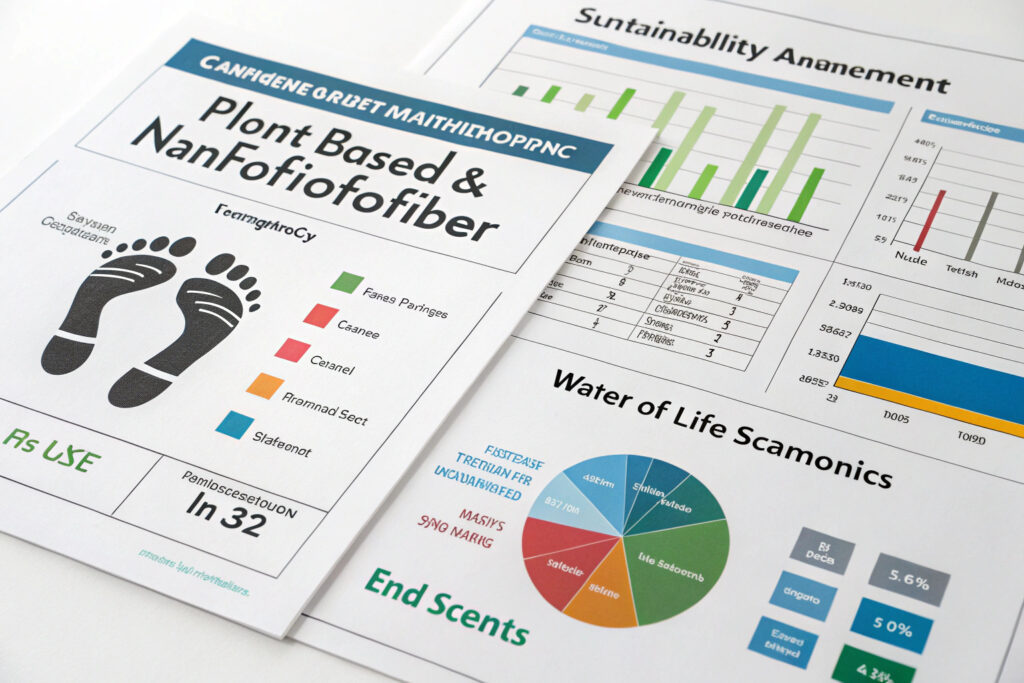
How do carbon footprints compare to synthetic alternatives?
Significantly reduced embodied energy characterizes plant-based nanofiber production, with cellulose nanofibers typically requiring 30-50% less energy than polypropylene meltblown production. The carbon sequestration during plant growth further reduces net carbon footprint. Our lifecycle analysis shows 60-70% lower global warming potential for plant nanofiber filters compared to synthetic equivalents across their full lifecycle.
What end-of-life options exist?
Complete biodegradability in industrial composting within 60-90 days distinguishes plant nanofibers from synthetic alternatives that persist in landfills for decades. Some formulations offer home compostability or even marine biodegradability. Our cellulose nanofiber filters completely degrade within 12 weeks in commercial composting facilities, compared to centuries for synthetic filters.
What Commercialization Challenges Remain?
Despite promising performance, several hurdles must be overcome for widespread adoption of plant-based nanofiber filters.
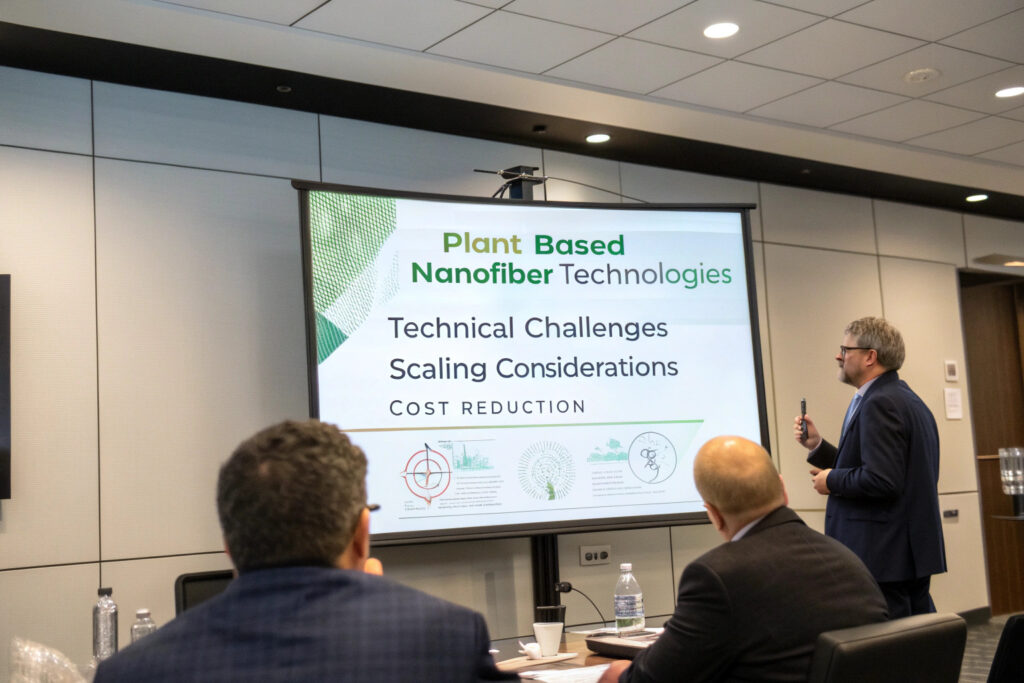
How significant are cost differentials currently?
Production costs remain 2-3 times higher than conventional synthetic filters, primarily due to smaller production scales and more complex processing of natural polymers. However, rapid cost reduction is occurring as production scales increase and processing efficiency improves. Our projections indicate cost parity with mid-grade synthetic filters within 3-5 years as production volumes reach commercial scale.
What scaling challenges exist for manufacturing?
Consistent fiber quality at high volumes presents the primary manufacturing challenge, as natural polymer variations can affect process stability. Additionally, solvent recovery in electrospinning and energy consumption in mechanical processes require optimization for commercial viability. Our pilot production lines have achieved 85% yield consistency at semi-commercial scales, with full commercial viability expected within 18-24 months.
Conclusion
Emerging plant-based nanofiber filter technologies represent a transformative development in sustainable filtration, offering performance characteristics approaching synthetic media while providing complete biodegradability and reduced environmental impact. Cellulose nanofibers, chitosan composites, and seaweed-derived alginate systems show particular promise for fabric mask applications where balancing protection, comfort, and sustainability is increasingly important.
While cost and scaling challenges remain, rapid advancements in processing technologies and growing market demand for sustainable alternatives are accelerating commercialization. As these technologies mature, they promise to redefine the environmental profile of personal protective equipment without compromising protective capabilities.
Ready to explore plant-based nanofiber technologies for your fabric mask applications? Contact our Business Director, Elaine, at elaine@fumaoclothing.com to discuss our development partnerships and how we can help integrate these emerging technologies into your next-generation mask designs. We'll provide samples and performance data demonstrating the capabilities of various plant-based nanofiber options.