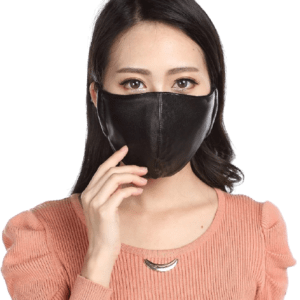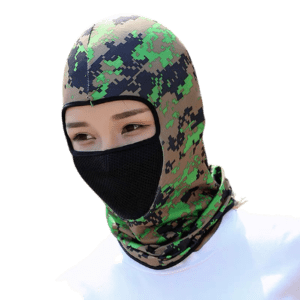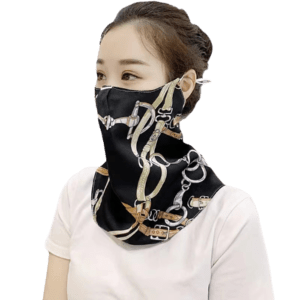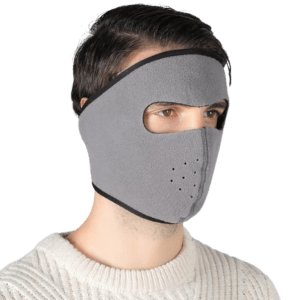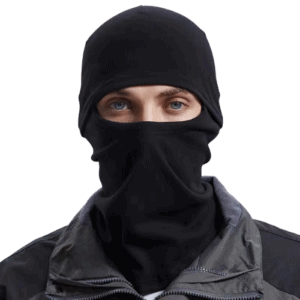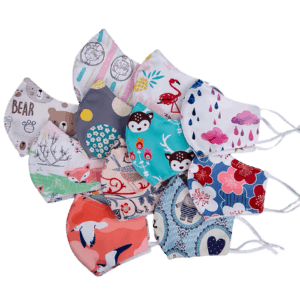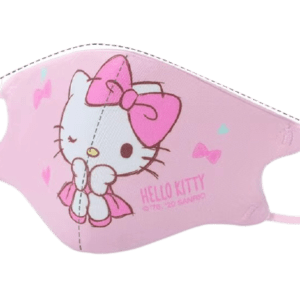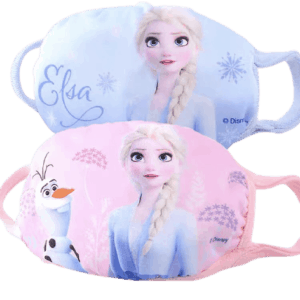
When you start searching for a reliable fabric mask manufacturer, the process often feels overwhelming. Many suppliers claim they can deliver the best quality at the lowest cost, but only a few can truly meet the expectations of international buyers. If you fail to ask the right questions, you may face delays, poor-quality products, or hidden costs.
To choose the right partner, you need to prepare clear and practical questions that reveal the manufacturer’s real capability. When you ask carefully, you can compare suppliers on equal grounds and avoid common risks in quality, compliance, and logistics.
Because experienced buyers always prepare a checklist of key questions before making decisions, this article will guide you through the most important ones, step by step.
What Certifications and Standards Should a Manufacturer Meet?
When you are ready to commit to a supplier, the first step is to verify their certifications and testing standards. Many overseas buyers ignore this stage and later face compliance issues.
A trustworthy mask manufacturer should hold recognized certifications such as ISO, OEKO-TEX, or SGS reports. These documents confirm that the products meet health, safety, and environmental standards required by markets like the U.S. and Europe.
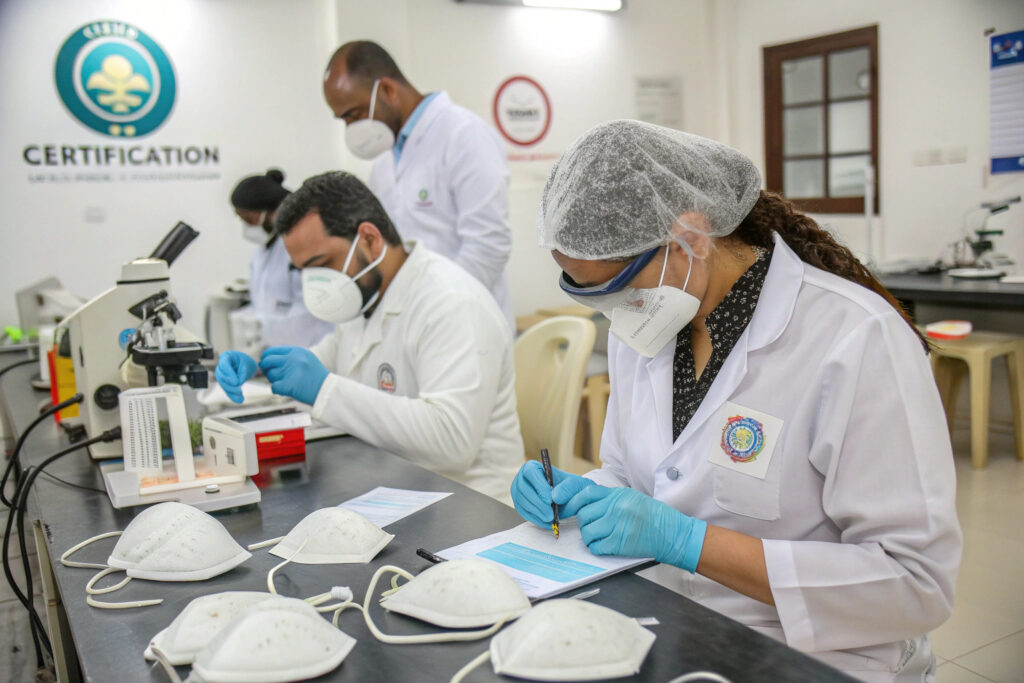
Since compliance varies by region, you also need to ask about product-specific testing. For example, if you are sourcing masks for retail in the U.S., ASTM F3502 or CPSIA compliance might be necessary. In Europe, EN 14683 standards could apply depending on your customer’s requirements. Because some suppliers only provide internal test results, you must confirm that they also work with independent labs.
Why Are International Certifications So Important?
International certifications serve as your shield against trade risks. For example, if a buyer imports non-certified masks into the EU, customs may reject the shipment. Reliable suppliers understand this risk and provide transparent documentation. You can check authenticity through organizations like SGS or Intertek.
Because certifications also add value to your brand, many retailers highlight OEKO-TEX or GOTS certification on product labels. Therefore, asking about certifications not only protects your supply chain but also increases your market appeal.
How Do I Verify Testing and Compliance Claims?
Since many suppliers claim they passed quality tests, you must request official reports and confirm that the issuing lab is accredited. Reputable third-party organizations such as Bureau Veritas or TÜV Rheinland provide reliable verification.
In addition, you should ask if the factory uses internal quality-control systems such as QR code tracking or batch traceability. These systems guarantee consistency and simplify audits when your customers request evidence.
How Transparent Is the Manufacturer About Production Capacity?
After you confirm compliance, the next step is to evaluate production capacity. Production capacity directly affects your timelines and your ability to scale.
An honest manufacturer will share clear numbers about daily output, seasonal flexibility, and worker-to-machine ratios. This transparency helps you align expectations and avoid production bottlenecks.
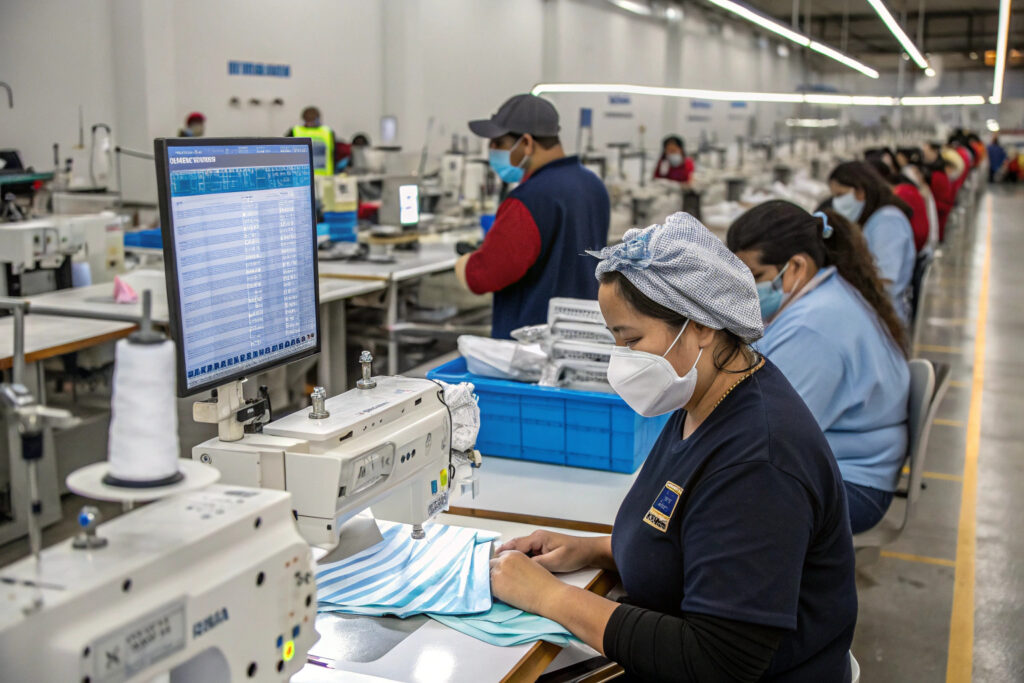
Because many suppliers overpromise and underdeliver, you need to ask specific questions about lead times, rush orders, and strategies for sudden demand increases.
Can the Factory Handle Large-Scale Orders During Peak Season?
During back-to-school or holiday sales, factories often run at full capacity. A capable supplier will explain how they plan for seasonal spikes. For example, some maintain partnerships with subcontractors. You can cross-check these claims through case studies on Alibaba or sourcing platforms like Made-in-China.
If a factory hesitates to share backup strategies, that is a warning sign. Because flexibility is essential, you want a partner who adapts without lowering quality.
What Is the Average Lead Time for Samples and Bulk Production?
Lead times for samples and bulk orders reveal how agile a supplier is. For instance, a supplier that can deliver samples in one week and mass production in three weeks provides a clear advantage. To validate, you can ask if they rely on AI trend forecasting or local dyeing and finishing facilities. Industry sources such as Textile World or Just-Style cover these innovations.
Since precise timelines help you plan inventory and reduce delays, you must ensure that your supplier commits to them in writing.
What Quality Control Processes Are in Place?
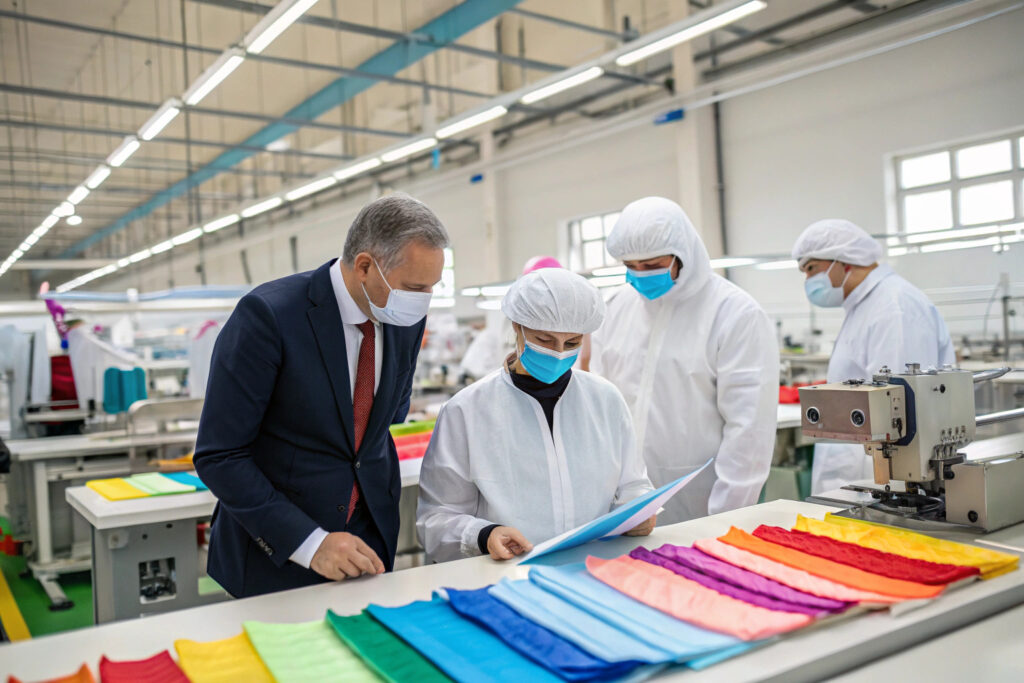
Once you know about capacity, you should focus on quality. Quality is non-negotiable in international trade because small mistakes in stitching, sizing, or labeling can cost thousands in returns.
A reliable manufacturer invests in end-to-end quality control, including raw material inspection, in-line checks, and final product testing. Buyers who ask about these processes gain confidence in their supplier.

Because transparency in quality control ensures that most shipments pass audits, this step saves you both money and time.
How Does the Factory Ensure Consistency in Every Batch?
Consistency is often harder to maintain than one-time quality. A strong supplier uses digital tracking systems and assigns dedicated QC managers to every order. Some advanced factories even use QR codes for fabric rolls to trace weaving and dyeing origins.
Independent organizations such as QIMA or AsiaInspection can perform inspections. When a supplier accepts external audits, it demonstrates confidence in their systems.
Are There Systems to Handle Defects or Customer Complaints?
Since even the best factories face defects, the key is how they respond. You should ask if the factory offers return or credit systems for rejected goods. A supplier who documents and analyzes defects shows commitment to improvement.
To ensure this, look for ISO 9001-certified factories. This standard requires strong quality management systems. More details are available at ISO.org and BSI Group.
What Logistics and Payment Options Are Available?
After you confirm quality processes, the final step is to evaluate logistics and payments. These are often the most stressful parts of trade, but they determine the success of your order.
A dependable manufacturer offers multiple shipping options, efficient customs clearance, and secure payment terms. They should also explain how they reduce risks linked to tariffs or port delays.
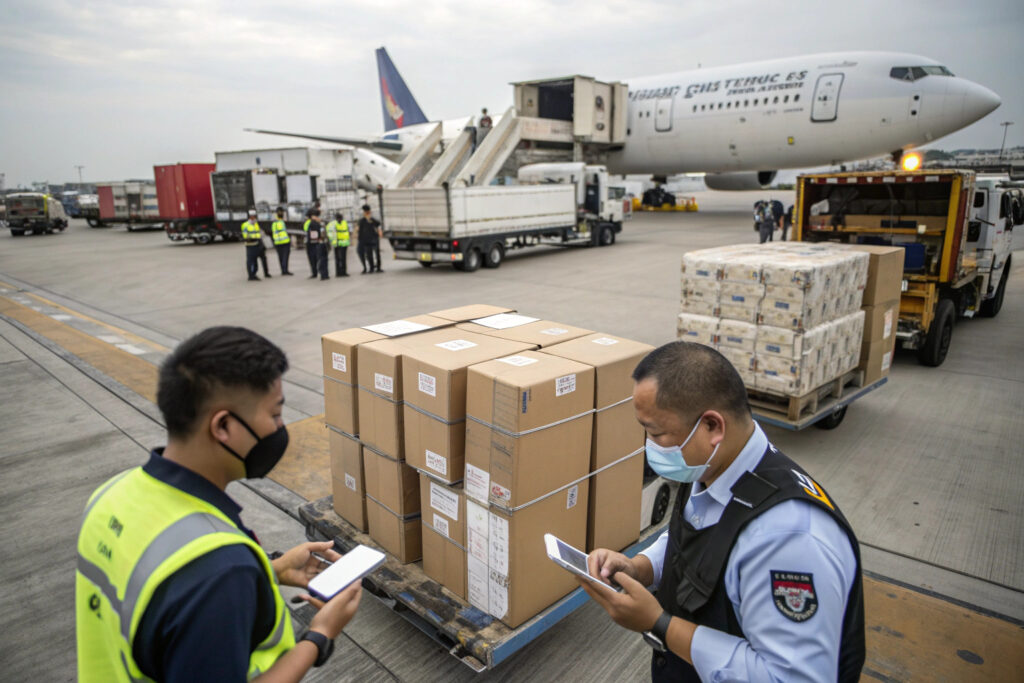
Because good logistics partnerships save weeks of waiting and reduce landed costs, this factor must not be overlooked.
Which Shipping Methods Are Best for My Market?
You should ask about sea, air, and rail freight options. For example, U.S. buyers often balance sea freight for cost and air freight for urgent orders. Reliable suppliers maintain partnerships with global firms such as DHL and Maersk.
Since customs can create unexpected costs, you should also ask if the supplier provides Delivered Duty Paid (DDP) service. This saves you from surprise fees. Tools like Freightos help compare costs and lead times.
What Payment Terms and Risk Protections Exist?
Because payment risks are real, you need flexible but secure terms. Professional suppliers accept different payment methods such as T/T, L/C, or even PayPal for smaller trial orders. More importantly, you should ask how they protect your payment. Options like Alibaba Trade Assurance or Escrow.com provide safeguards.
At the same time, it is smart to ask about banking partnerships. A financially stable supplier with secure credit lines reduces risks of stoppages caused by cash flow issues.
Conclusion
In summary, choosing the right fabric mask manufacturer requires more than one question. It requires a clear sequence: first, verify certifications and standards; second, confirm production capacity; third, examine quality control processes; and finally, evaluate logistics and payment solutions. By following this logical order, you reduce risks and build a long-term partnership with confidence.
If you are looking for a trusted partner to produce high-quality fabric masks at scale, we invite you to work with us at Shanghai Fumao. Our Business Director, Elaine, is ready to support your next order. You can reach her directly at elaine@fumaoclothing.com for consultation and partnership opportunities.