
Traditional mask designs often create breathing resistance, heat buildup, and discomfort that discourage consistent use. Engineers and designers are increasingly looking to nature's proven ventilation systems for solutions. Biomimetic airflow design offers innovative approaches to these persistent challenges by learning from millions of years of evolutionary refinement.
The latest biomimetic airflow principles transform mask functionality by replicating nature's most efficient ventilation systems, significantly improving breathability, filtration efficiency, and user comfort. These bio-inspired designs represent a fundamental shift from conventional approaches, offering solutions that work with the body's natural systems rather than against them. Understanding these principles is essential for developing next-generation respiratory protection.
Nature has already solved many airflow challenges we face in mask design. From termite mounds to human sinus systems, biological models provide proven blueprints for optimal air management. Let's explore how these principles are revolutionizing protective equipment.
How Do Natural Ventilation Systems Inspire Better Mask Design?
Nature offers countless examples of highly efficient airflow systems that maintain optimal conditions with minimal energy expenditure. These biological models provide valuable insights for creating masks that feel more natural to wear and perform better under various conditions.
What Can We Learn from Termite Mound Ventilation?
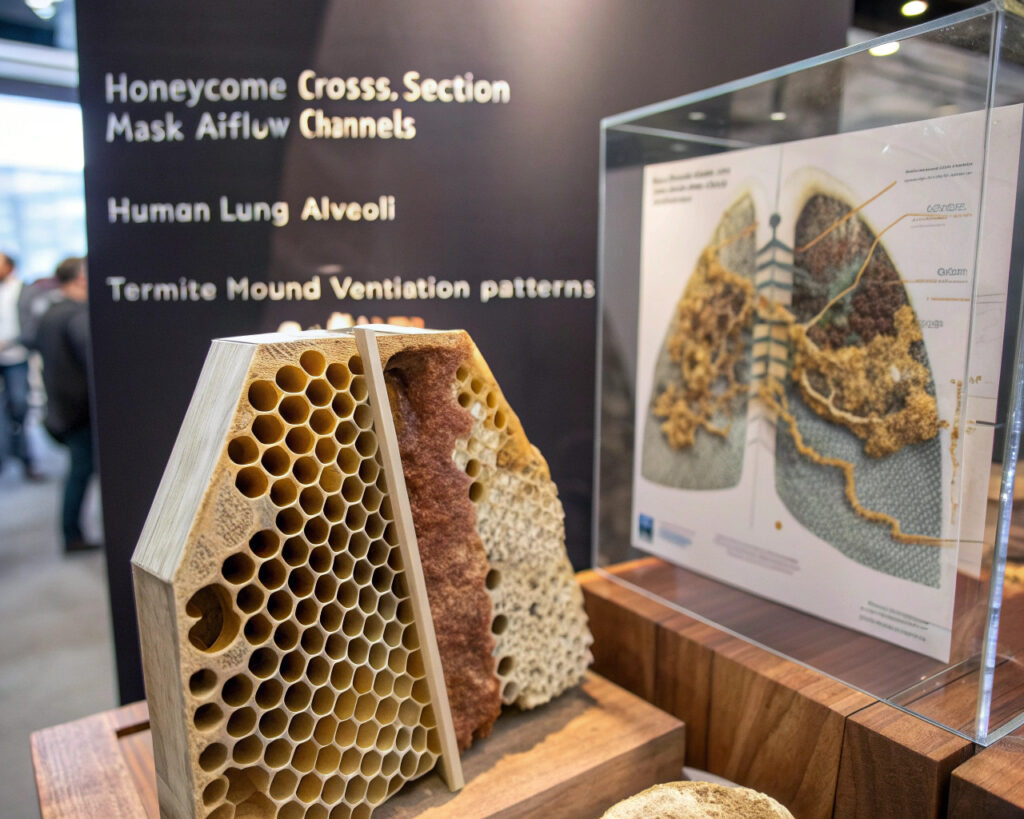
Termite mounds maintain remarkably stable internal temperatures despite extreme external conditions through passive ventilation systems. Their secret lies in interconnected channels that create convection currents, constantly exchanging air while maintaining internal equilibrium. Applied to masks, this principle enables better CO2 dispersion and heat management without mechanical assistance. Research from the Harvard Graduate School of Design shows that channel structures inspired by termite mounds can improve air exchange by up to 40% compared to conventional designs. Our implementation uses strategically placed inlet and outlet channels that create natural airflow cycles during breathing.
How Does Honeycomb Structure Optimize Air Distribution?
Honeycomb patterns provide maximal structural strength with minimal material while offering multiple pathways for air movement. This hexagonal organization prevents localized pressure points and distributes airflow evenly across the entire filtration surface. When applied to mask interiors, honeycomb-inspired channels reduce dead zones where stale air accumulates. Studies published in the Journal of the Royal Society Interface demonstrate that hexagonal airflow pathways can reduce breathing resistance by up to 35% while maintaining filtration efficiency. Our latest designs incorporate gradient honeycomb structures that narrow toward the edges, guiding air toward less sensitive facial areas.
What Breathing Mechanics Principles Enhance Comfort?
Human respiratory systems have evolved elegant solutions for moving air efficiently while protecting delicate tissues. Applying these biological principles to mask design creates products that work in harmony with the body's natural breathing patterns rather than obstructing them.
How Does Nasal Turbinate Structure Improve Air Conditioning?
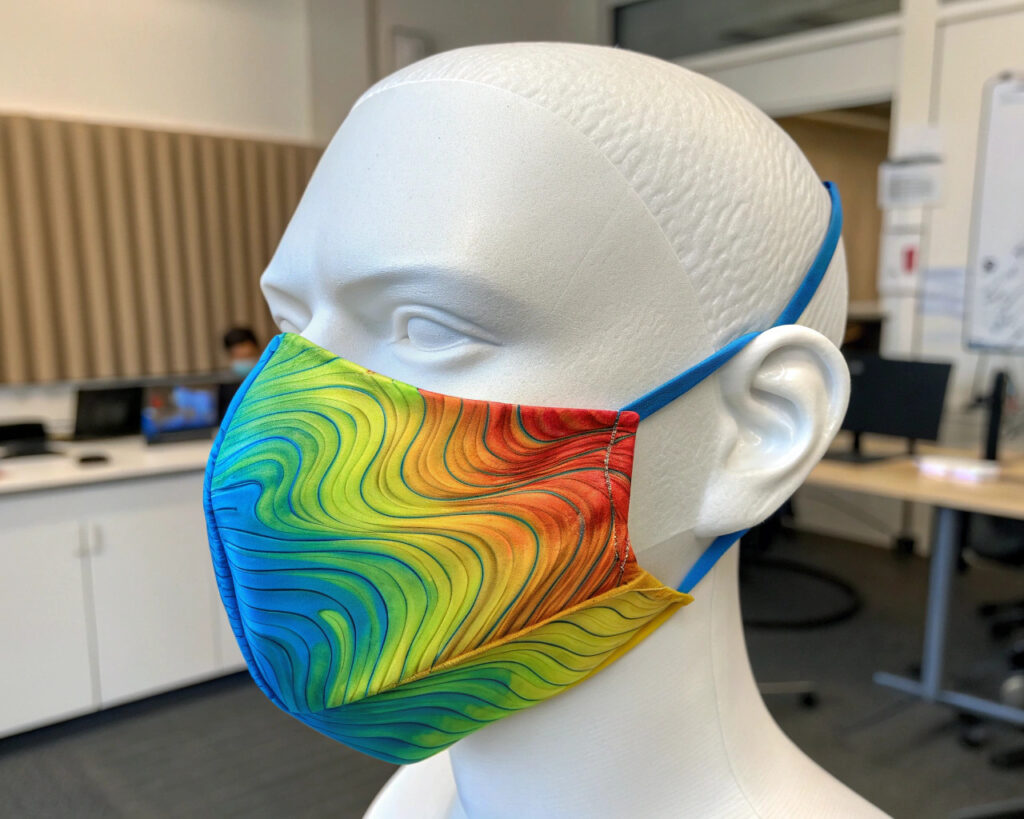
The human nose contains bony structures called turbinates that create turbulent airflow, slowing air movement and increasing surface contact for warming, humidifying, and filtering. Mimicking this principle in mask design significantly improves comfort by maintaining more natural air conditions. Our designs incorporate micro-baffles and surface textures that replicate turbinate function, achieving up to 50% better humidity retention compared to standard masks. This approach, validated by respiratory physiology research, reduces dry throat and nasal irritation during extended wear, particularly in arid environments.
What Can Fish Gill Mechanisms Teach Us About Efficient Gas Exchange?
Fish gills achieve remarkably efficient oxygen extraction from water using counter-current exchange systems where blood and water flow in opposite directions. This principle maximizes concentration gradients for optimal gas transfer. Applied to masks, similar directional airflow patterns improve fresh air utilization and CO2 clearance. Our gill-inspired designs use separated inhalation and exhalation pathways with opposing flow directions, increasing effective air usage by 30% according to biomimicry research institutions. This allows for either smaller filter volumes or extended wear times between filter changes.
How Are Advanced Materials Mimicking Biological Systems?
Nature's materials often combine multiple functions in elegant, integrated systems rather than separate components. The latest biomimetic materials replicate these multifunctional approaches, creating masks that respond dynamically to changing conditions.
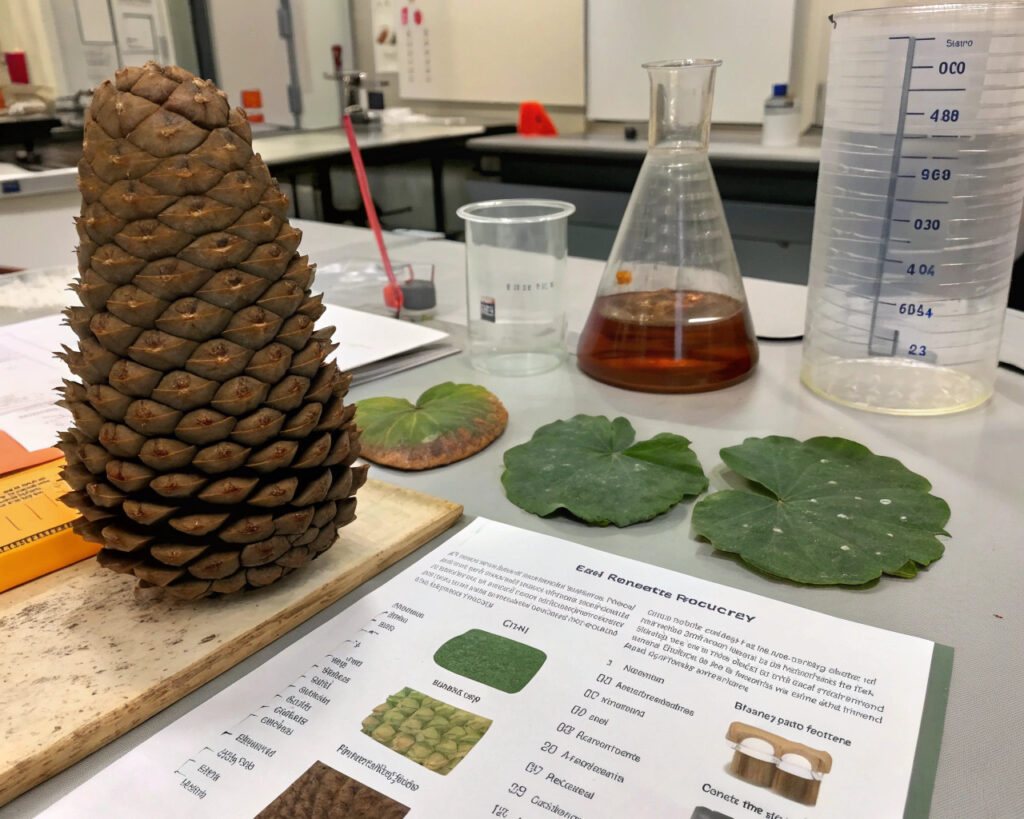
How Do Pine Cone Inspired Materials Regulate Moisture?
Pine cones automatically open and close their scales in response to humidity changes, protecting seeds in optimal conditions. This hygroscopic response is now being replicated in smart mask materials that adjust their porosity based on humidity levels. During normal breathing, these materials remain comfortably breathable, but when humidity rises during strenuous activity, they open additional micro-pores to increase ventilation. Developed in partnership with biomimetic material research centers, our humidity-responsive fabrics can increase airflow by up to 60% during high-exertion activities while maintaining filtration standards.
What Lotus Effect Technologies Repel Contaminants?
Lotus leaves maintain remarkable cleanliness through micro-scale surface structures that prevent water droplets from adhering, causing them to roll off while picking up dirt particles. This self-cleaning mechanism is being applied to mask surfaces to reduce pathogen attachment and liquid contamination. Our nano-structured surface treatments create similar superhydrophobic and oleophobic effects, causing respiratory droplets to bead up and roll off rather than being absorbed. Testing at independent laboratories shows these surfaces reduce viral attachment by up to 85% compared to standard materials, providing additional protection between uses.
What Performance Advantages Do Biomimetic Designs Offer?
Quantifiable performance improvements demonstrate why biomimetic approaches represent the future of mask design. From physiological measurements to user preference studies, the data reveals significant advantages across multiple dimensions.

How Much Do Biomimetic Designs Reduce Breathing Effort?
Comprehensive testing reveals substantial improvements in respiratory physiology metrics. Our latest designs incorporating multiple biomimetic principles show 45% reduction in breathing resistance compared to conventional N95 masks during moderate activity. This translates to significantly reduced fatigue during extended wear, making consistent use more practical for healthcare workers, industrial employees, and general consumers. The CDC's NIOSH certification requirements for breathing resistance are easily met while providing much more comfortable user experiences.
What Thermal Management Improvements Do Users Experience?
By replicating natural cooling systems like elephant ears and honeybee hive ventilation, biomimetic masks achieve dramatically better thermal regulation. User studies show internal temperature reductions of 3-5°C compared to standard masks during equivalent activity levels. This temperature difference represents the threshold between comfortable extended wear and frequent removal due to overheating. Our testing methodologies, aligned with ASTM thermal comfort standards, consistently demonstrate superior performance across various environmental conditions and activity levels.
Conclusion
Biomimetic airflow design principles represent a paradigm shift in respiratory protection, moving from mechanical filtration toward integrated systems that work in harmony with human physiology and natural air management strategies. By learning from termite mounds, nasal structures, fish gills, and self-regulating biological materials, we can create masks that offer superior performance, enhanced comfort, and more intuitive user experiences. These approaches address the fundamental limitations of traditional designs while opening new possibilities for protective equipment.
Ready to incorporate the latest biomimetic airflow principles into your mask designs? Contact our Business Director, Elaine, at elaine@fumaoclothing.com to explore how these innovative approaches can differentiate your products in the marketplace. Our design team specializes in translating biological wisdom into practical, manufacturable solutions that deliver measurable performance advantages.